
REVIEW · RIO FAVELA TOURS
Favela Tour The Original, Rocinha & Vila Canoas since 1992
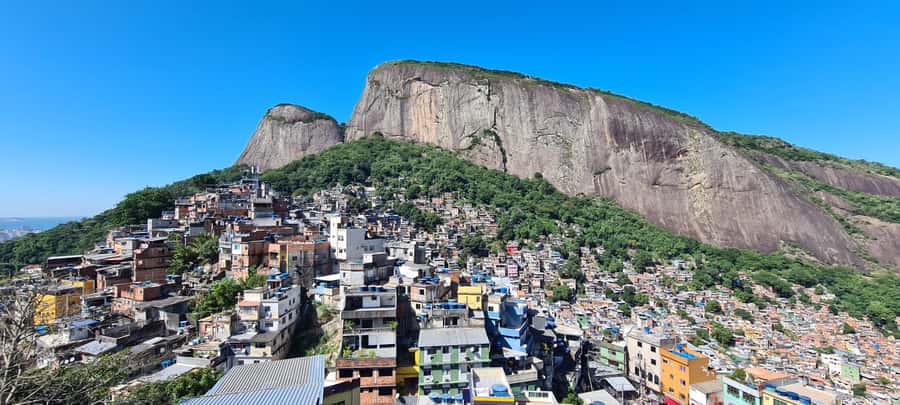
Rio’s hills tell a different story. This Favela Tour, founded in 1992, is built to show you Rocinha and Vila Canoas in a way that feels respectful and informative, not like a spectator sport. I like that the vibe is friendly and socially inclusive, and you also get amazing panoramic views over Rio along the way.
Plan on some walking. The core experience is a mostly walking tour, with a strong information component from the moment you leave, so you will want comfy shoes and a flexible mindset for hills, alleys, and lots of context. If you are expecting a quick photo stop, this probably will not fit.
In This Review
- Key reasons this favela tour works
- Why Rocinha and Vila Canoas change how you see Rio
- The 3-hour rhythm: informative, guided, and built for walking
- Your pickup and how to structure your day in Rio
- Rocinha walk: largest in Brazil, full of architecture and commerce
- Vila Canoas: where community projects become visible
- The community school stop and why it leaves a mark
- Safety and respect: how to avoid the wrong kind of attention
- Price and value: what $33 buys in a city this big
- Who this tour suits best (and who should skip)
- Should you book Favela Tour Rocinha and Vila Canoas?
- FAQ
- How long is the Favela Tour experience?
- Which favelas do you visit?
- What areas are pickups and drop-offs in?
- Is transportation included?
- Is it a walking tour?
- What languages are available for the live guide?
- What stops are included during the walk?
- Is the tour considered safe?
- What are the cancellation and payment options?
Key reasons this favela tour works
- Two favelas, not one, so you get more than a single snapshot of life on the hills
- Panoramic viewpoints that help you understand Rio’s geography before you start walking
- A school visit tied to Favela Tour funding, so your presence connects to real projects
- A guided setup focused on respect, with locals welcoming visitors rather than hiding behind a wall
- A mostly walking route through residential and commercial areas, including a handcraft center
- Multilingual guides, with examples like Mateo and Francesco noted for clear explanation and big picture context
Favela walks we have run the numbers on
Why Rocinha and Vila Canoas change how you see Rio
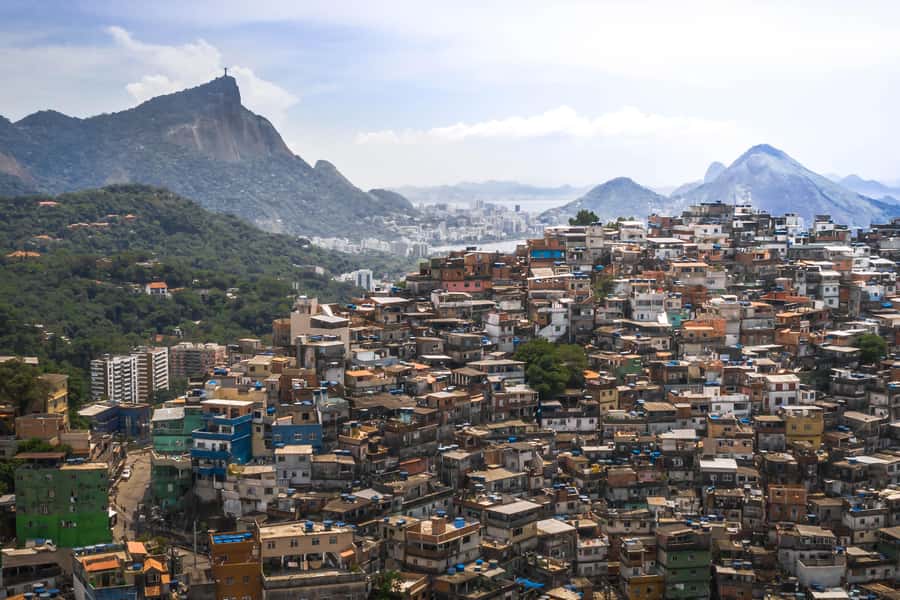
If you only know Rio from beaches and postcards, the hills can feel like a separate world. This tour uses geography and everyday life to connect the dots. There are close to 1,000 favelas in Rio, and they house about 20% of the city’s population, often on former public areas along the slopes.
What matters is the shift in how you interpret what you see. Favelas are widely misunderstood as places of exclusion or danger, but this tour frames them as part of Brazilian society, with neighbors, schools, businesses, and community projects. You go to Rocinha, the largest favela in Brazil, and Vila Canoas, so you can compare the scale and how the community functions day to day.
You also get a practical education in contrast. Rio’s extremes sit side by side, and favelas are one of the clearest places to see that. Instead of treating the hills like a mystery, you learn the logic behind the architecture, how commercial activity works, and why the community has its own rhythms.
The 3-hour rhythm: informative, guided, and built for walking
This is not a long, stop-and-stare excursion. It is a 3-hour tour that starts giving you context right when you embark in the vehicle. That timing matters, because it helps you arrive with the right mental setup. You are not dropped at the bottom of a hill and left to figure everything out on your own.
A chunk of the tour is walking, including roughly 2.25 hours on foot. That means you will move through alleyways that show both residential space and commercial areas. You will likely spend more time learning than photographing, and that is a good sign, because the tour aims to be immersive in the real sense: understanding what you are looking at and why it exists.
You also visit a local bar as part of the experience. Think of it as a social bridge, not just a refreshment stop. The goal is to create a guided environment where questions feel welcome and you can see everyday life without turning it into a spectacle.
Your pickup and how to structure your day in Rio

This tour is designed around South Zone hotels along the beaches. Pickup commonly happens in areas like Leme, Copacabana, Ipanema, and Leblon, and there are specific pickup options including Leblon, Copacabana Beach, Ipanema, and São Conrado. Drop-off is also handled, typically at São Conrado, Ipanema, Leblon, and Copacabana Beach.
That hotel-focused approach is a real value point. You avoid the hassle of figuring out transport in a city where distances can trick you. Still, be ready for minor adjustments if your exact lodging requires a different meeting point, since pickups are based on where you stay.
The big “day planning” tip is simple: wear shoes that handle hills and uneven paths. The tour explicitly tells you to come ready to walk, and once you get into the neighborhood alleys, you will feel that quickly. Also plan to buy small items if you want, because the route includes a handcraft center, and bringing a little extra cash or card for drinks, snacks, or purchases can help.
- Rio de Janeiro: 6-Stop Highlights of Rio with Lunch
★ 4.4 · 5,157 reviews - Christ the Redeemer Entry Ticket by Corcovado Train
★ 4.4 · 4,476 reviews - Rio de Janeiro: Rocinha Favela Walking Tour with Local Guide
★ 4.8 · 3,052 reviews - Rio: Christ the Redeemer, Sugarloaf, Selaron & BBQ Lunch
★ 4.5 · 2,428 reviews - Rio De Janeiro: Half-Day Rocinha Favela Walking Tour
★ 4.7 · 2,272 reviews
Rocinha walk: largest in Brazil, full of architecture and commerce
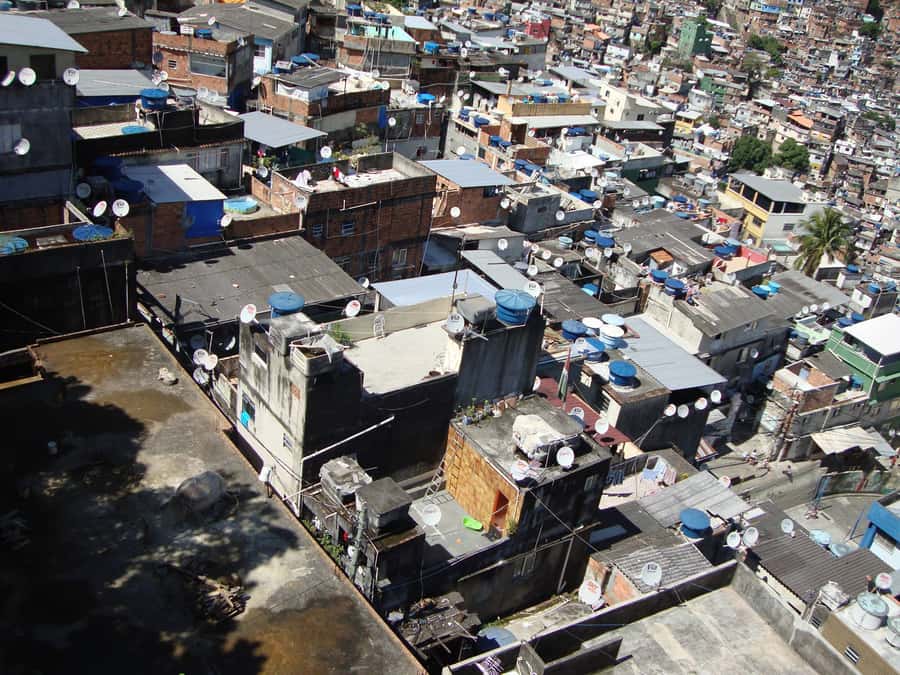
Rocinha is the headline stop for a reason. From a distance, it can look like a patchwork of rooftops on a hillside. Up close, it reveals more order and complexity than most people expect.
On the walk, you go through alleyways that mix homes and businesses. That combination is key to understanding how people live and earn in the same environment. You see vibrant commercial activity, but also the practical layout that supports it, including how foot traffic shapes what shows up where.
The tour also builds in scenic context. You get panoramic views over Rio on the way, which helps you connect what you are seeing to the city around it. That matters for the bigger takeaway. When you understand the slopes and sightlines, you stop treating the hills as random and start seeing how they fit the city’s layout.
If you worry about safety, use the tour’s logic, not your fear. The tour position is clear: favelas can be safer than many people assume, but you should go with an organized tour rather than trying to self-tour. You will feel that structure in the way the guide leads, sets expectations, and keeps the walk grounded in explanation.
Vila Canoas: where community projects become visible
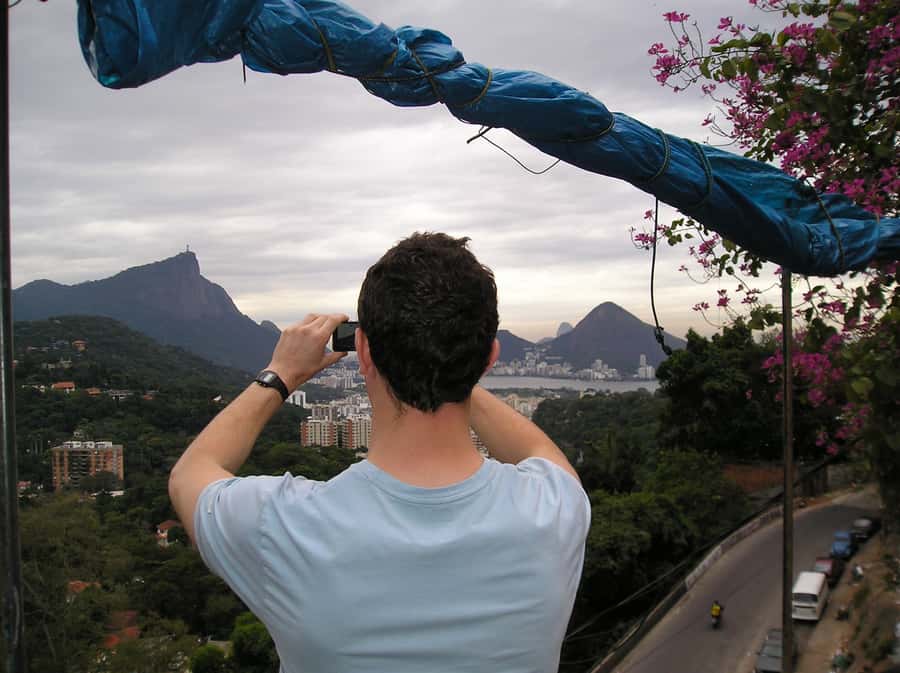
After Rocinha, Vila Canoas gives you a different scale and a clearer sense of community life. The experience is still guided and walking-based, but you tend to get more emphasis on local projects and the day-to-day supports that make a neighborhood function.
The route includes a handcraft center, which is more than shopping. It is a window into local skills and small-scale enterprise. If you purchase something, you are directly supporting a household economy that does not rely on the mainstream tourist supply chain.
You also visit the community school. This part is one of the most meaningful stops on the tour because it connects the tour to a specific outcome. The school is financed by Favela Tour, which means your participation contributes to education rather than just consumption. It is a “look and learn” moment, but it also leaves you with a question you can sit with: what opportunities are strengthened when communities get consistent support?
The community school stop and why it leaves a mark
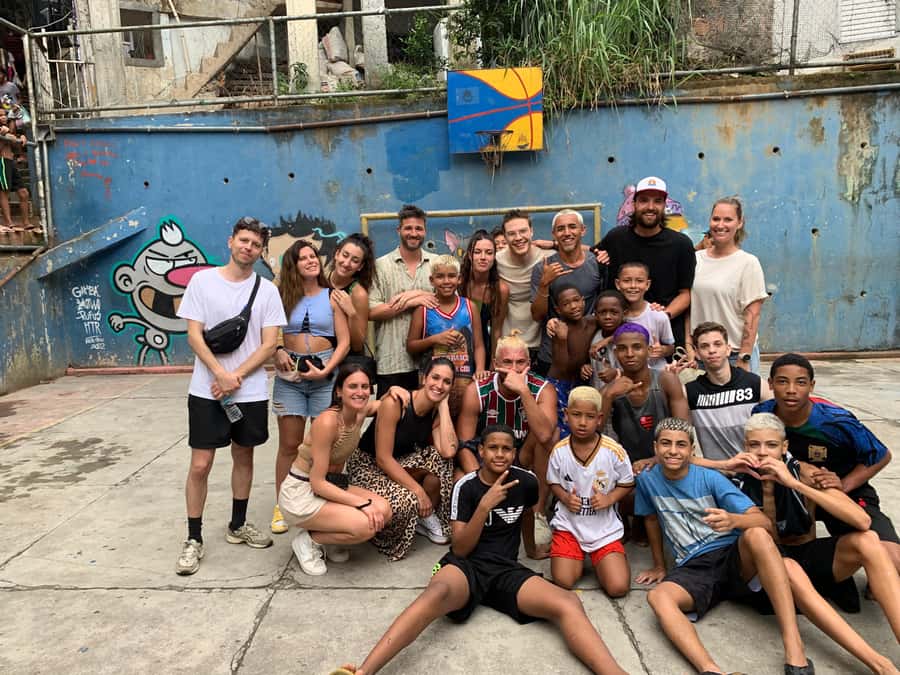
This is the moment that tends to stick in people’s minds for practical reasons. Schools are measurable. When you see a community school and you learn it is supported through the tour, you can connect the dots between hospitality and impact.
In plain terms, you see that the neighborhood is not only reacting to problems from the outside. People inside the community are building solutions, and the tour’s contribution helps keep those solutions running. This is a big reason the experience is described as beneficial to the community.
You also get a guide-led framing that makes the school visit feel like part of the social fabric, not a stage scene. The guide explains the broader socioeconomic structure in Brazil and how access, opportunity, and community support interact.
One more benefit: it helps you recalibrate your assumptions. When your day includes education as a visible priority, it becomes harder to treat favelas as a single story of hardship. You start to see a more accurate mix of challenges and strengths.
Safety and respect: how to avoid the wrong kind of attention
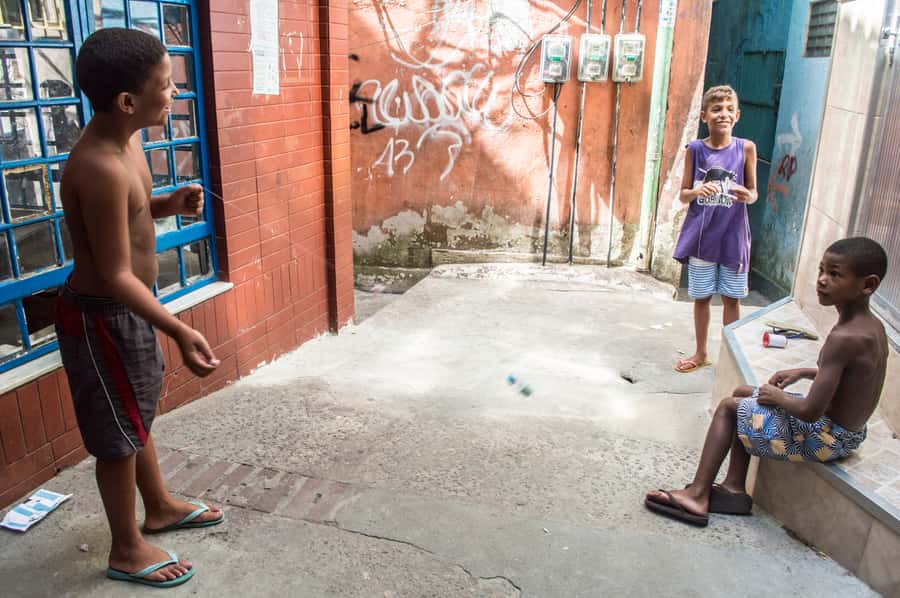
This tour’s promise is not just “see a favela,” it is “do it the right way.” That shows up in the tone: the environment is described as friendly and socially inclusive, and it is not built as a voyeuristic experience.
Your role is straightforward. Follow your guide, keep your questions respectful, and do not treat residents like props. The tour emphasizes that you are welcome and that local people enjoy and support the visit when it is organized and guided.
It also matters that the tour is explicitly framed as safe when you use an organized tour setup. Even if favelas are safer than many people believe, going independently is a different situation. Organized tours help with timing, navigation, and context, which reduces the chance of missteps.
If you want the experience to feel good for everyone, show up prepared. Bring extras for drinks and snacks if you like, and plan to consider buying local handcrafts when you see them. Small support matters, and it also makes the day feel less extractive.
Price and value: what $33 buys in a city this big
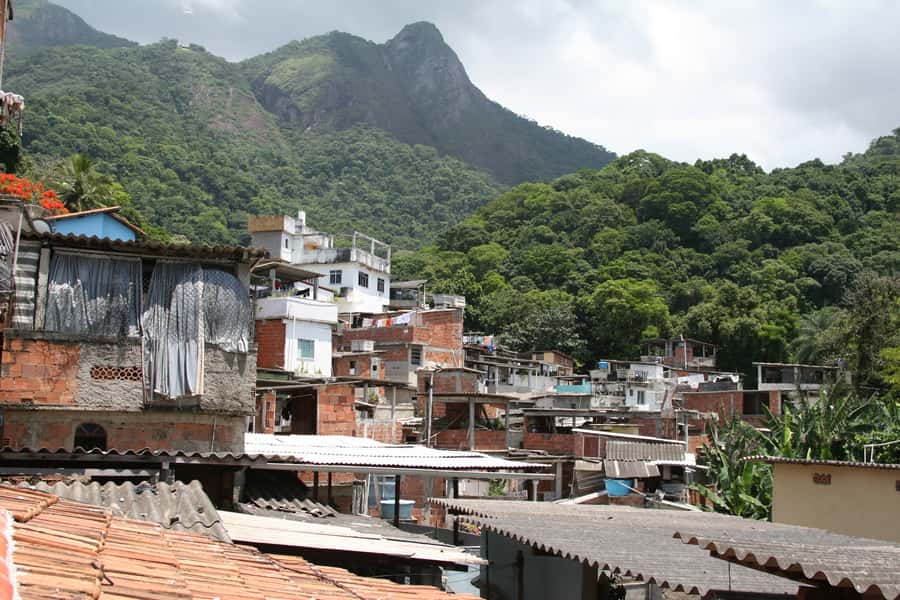
At $33 per person for about 3 hours, this tour is not a luxury product. But it also is not just a basic ride. You are getting transportation from and back to most hotels in the South Zone, a guide, and a mostly walking route through two favelas.
The value comes from three layers. First, you get access to Rocinha and Vila Canoas with a guided explanation rather than a self-led wandering day. Second, the tour includes specific stops like a handcraft center and a community school funded by Favela Tour, which gives your time a tangible purpose. Third, the view component matters too. Panoramic Rio viewpoints help you understand where you are, and they turn the hills from a blur into part of the city’s story.
Language support is another practical value point. Tours are available in fluent English, French, Spanish, Italian, and Portuguese. If you are choosing based on language, it can be worth comparing your expectations. Italian, for example, may depend on demand, so confirm your timing and plan.
Who this tour suits best (and who should skip)
This tour fits well if you want a realistic look at Brazil that goes beyond simple stereotypes. I think it is especially good for travelers who like context: how neighborhoods work, how communities support each other, and how public perception can be wrong.
It is also a strong match if you like guided walking tours and you are comfortable asking questions. The format is interactive. You are not hidden behind glass or kept in a vehicle the whole time, which is part of why it can feel genuinely educational.
You might want to look for another option if you dislike walking, have mobility limitations, or you hate group pacing. Since the tour is mostly walking and involves uneven, hillside terrain, comfort matters. If you want a mostly seated, minimal-exertion experience, this one may feel demanding.
Should you book Favela Tour Rocinha and Vila Canoas?
If you want a guided, respectful way to understand Rio’s social geography, I would book this. The combination of two favelas, panoramic views, and a community school stop tied to Favela Tour funding gives you more substance than most “one neighborhood” tours.
Book it if:
- You want a different Rio perspective that connects neighborhoods to wider Brazilian contrasts
- You are open to walking and learning, not just sightseeing
- You value tours that aim to be socially inclusive and not voyeuristic
Skip it if:
- You need a mostly seated experience
- Walking uphill and spending time with guided explanation feels like a bad match
- You prefer not to engage with community life, even in a respectful, organized setting
If you do book, one smart move is to confirm your tour directly through the provider channels before you get deep into your Rio day. Then show up ready to walk, bring a little extra for small purchases or snacks, and let the guide’s context shape how you see what’s in front of you.
FAQ
How long is the Favela Tour experience?
The tour lasts about 3 hours.
Which favelas do you visit?
You visit two favelas of Rio: Rocinha and Vila Canoas.
What areas are pickups and drop-offs in?
Pickups are offered in the South Zone around areas like Leme, Copacabana, Ipanema, and Leblon, and there are four pickup options including Leblon, Copacabana Beach, Ipanema, and São Conrado. Drop-offs are at São Conrado, Ipanema, Leblon, and Copacabana Beach.
Is transportation included?
Yes. Transportation to and from most hotels of Rio is included.
Is it a walking tour?
It is mostly a walking tour. You should come ready to walk.
What languages are available for the live guide?
The live tour guide is available in English, French, Spanish, Italian, and Portuguese.
What stops are included during the walk?
Along the route you’ll visit a local bar, see scenic views on the way, walk through residential and commercial areas, visit a handcraft center, and visit a community school financed by Favela Tour.
Is the tour considered safe?
The tour is described as a safe 3-hour tour to two favelas, and it recommends going with an organized tour rather than self-exploring.
What are the cancellation and payment options?
You can cancel up to 24 hours in advance for a full refund. There is also a reserve now and pay later option, so you can book your spot without paying immediately.
More Tour Reviews in Rio De Janeiro
Favela Tours We Rated Higher
More Tour Reviews in Rio De Janeiro
Latest from our Rio De Janeiro notebook
- Unforgettable Boat Party★ 5.0 · 3 reviews
- Tijuca National Park and all its wonders!★ 5.0 · 3 reviews
- Rocinha Jeep Tour: A Journey into the Soul of the Favela!★ 3.8 · 3 reviews
- Rio: Favela Walking Tour of Rocinha with a Resident Guide★ 4.7 · 3 reviews
- Rio: Private, Custom express, Main Attractions!★ 5.0 · 3 reviews
- Rio: Museum of Tomorrow, Yup Star & Olympic Boulevard★ 3.7 · 3 reviews
Rio Favela Tours, compared.
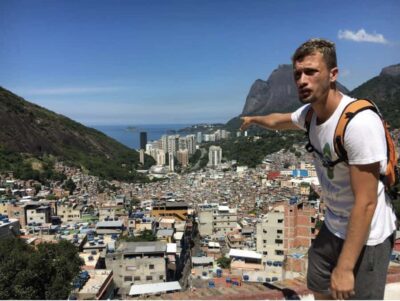 ★ 4.8Rocinha Favela Walking Tour with Local GuideFrom $363,052 reviews
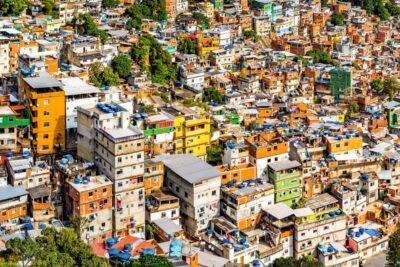 ★ 4.7Half-Day Rocinha Favela Walking TourFrom $352,272 reviews
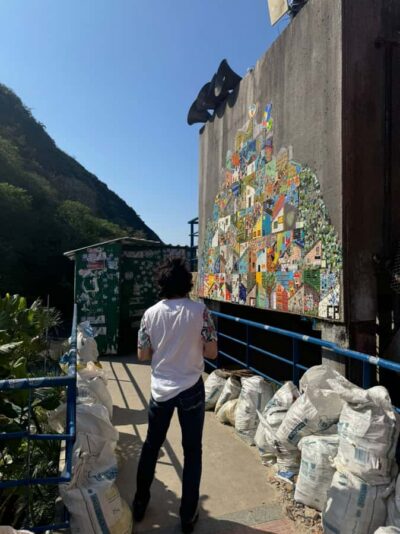 ★ 4.9Favela Santa Marta Top Tour with Local GuideFrom $28488 reviews
 ★ 4.6Favela Santa Marta Tour with Resident GuideFrom $27220 reviews
 ★ 4.7Favela Rocinha Tour with Local Guide & Secret SpotsFrom $43218 reviews
 ★ 4.5Vidigal Favela Tour and Two Brothers HikeFrom $88121 reviews
 ★ 5.02h30 circuit in the Vidigal FavelaFrom $5088 reviews
 ★ 5.0Sunrise at Morro 2 Irmãos – Vidigal – Rio de JaneiroFrom $5780 reviews
Browse the lists this tour appears in