
REVIEW · AMAZON RAINFOREST TOURS
Manaus: Multi-Day Amazon Survival Trip with Camping
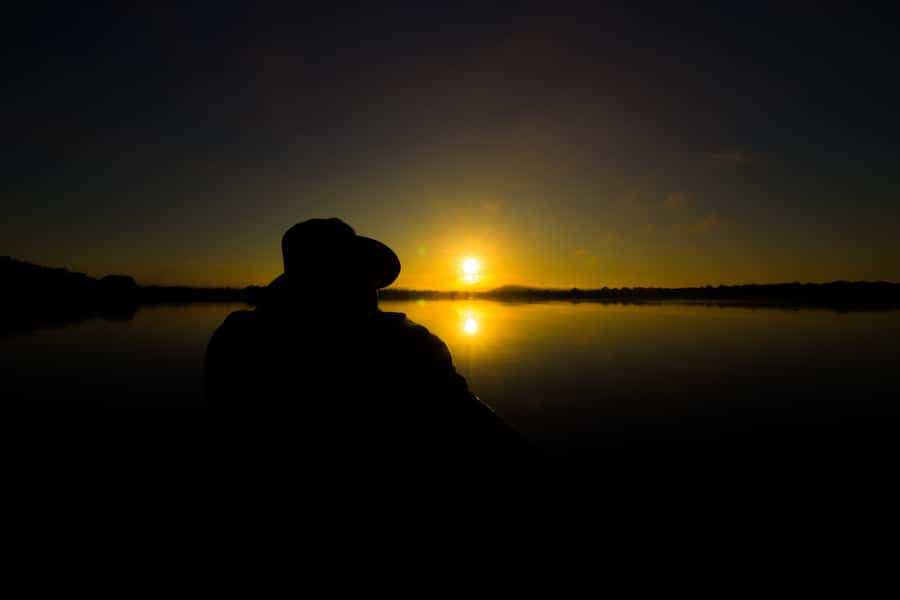
A morning sunrise on a canoe in the Amazon hits different. This Manaus survival trip pairs jungle hiking with camping in hammocks, plus river stops that get you close to big Amazon animals. I especially like the tight flow of boat rides, short hikes, and camp time that makes the forest feel personal, not rushed. One thing to plan for is that this is a true nature trip, so bring your best insect-repellent routine and expect rougher comfort than a hotel.
The other big win is organization, from pickup in Manaus all the way to the right guides for each task. The group stays small, around 12 people, so you spend less time waiting and more time learning and moving. If you hate early mornings, the sunrise canoe (5:30 am) may feel like a budget flight after a late night, but the payoff is worth it.
In This Review
- Key highlights to know before you go
- From Manaus to Caesar port, the day starts fast
- Rio Negro speed boat, Catalao, and feeding the Giant Arapaima gigas
- The Meeting of the Waters, black and brown rivers that do not mix
- Lunch at the lodge, then into the jungle for your first camp night
- Hammocks and mosquito nets, what camp comfort feels like
- Day 2, sunrise canoe at 5:30 am and the forest waking up
- Flooded forest canoe channels and fishing like a native
- Night boat with flashlight, more wildlife time without the noise
- Optional Day 3, 4, or 5 routes, how the tour changes by length
- If you book the 3-day option
- If you book the 4-day option
- If you book the 5-day option
- Guides, bushcraft tasks, and why small-group matters
- Meals, water, and what is covered so you do not overspend
- What to bring for comfort, photos, and a bug-proof plan
- Logistics you should plan around before you book
- Who this Manaus Amazon survival trip is for
- Should you book this tour, my decision checklist
- FAQ
- How long is the Manaus Amazon survival trip?
- What is included in the price?
- How big is the group?
- What language will the guide speak?
- What should I bring with me?
- Is my hotel in Manaus included?
- How much luggage can I bring?
Key highlights to know before you go
- Rio Negro speed boat start with real river views and fast immersion from Caesar port
- Catalao floating village and a chance to see and even feed the Giant Arapaima gigas
- Meeting of the Waters where Rio Negro and Solimões keep their different colors without mixing
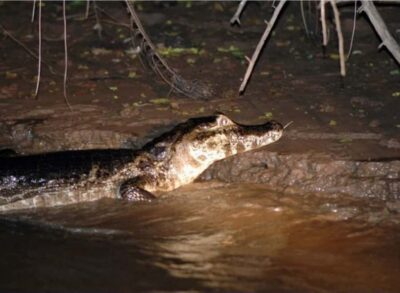
- Hammock camping with mosquito nets plus a night boat search for caimans
- Medicinal plants jungle hike with practical guide explanations, including how they use what the forest offers
From Manaus to Caesar port, the day starts fast
Your trip begins in Manaus with hotel pickup, then you head to Caesar port. This matters because it removes the usual time sink of trying to figure out local transport before you even reach the river.
Once you’re there, the adventure kicks off by speed boat on the Rio Negro. It is not a slow sightseeing cruise. It is more like, get on the water, get your bearings, and let the river setting do the talking. The pace also helps you settle into the Amazon rhythm, boats first, then forest, then camp.
From a comfort angle, plan to get used to sun and humidity quickly. Bring sunglasses, a hat, and sunscreen from the first stop onward, because “later” is how you end up paying in the afternoon.
Rio Negro speed boat, Catalao, and feeding the Giant Arapaima gigas
One of the most memorable stops is Catalao, a floating village where the Amazon shows its bigger-than-life side. The star here is the Giant Arapaima gigas, often described as the largest scaled fish in the world. You get time to see them up close, and the tour gives you the chance to touch them if you dare.
The better part is that this is not just a look-and-go photo stop. You are also offered the chance to feed the fish. That simple action changes the whole experience. It helps you focus on how this ecosystem works, not just how it looks.
Practical note: even though these fish are described as strong but harmless, you still should treat animals with respect and follow your guide’s cues. Your best “Amazon survival” skill is not bravado, it is calm attention.
The Meeting of the Waters, black and brown rivers that do not mix
After Catalao, the schedule shifts to one of the region’s signature visual moments, the meeting of the waters. This is where the black waters of the Rio Negro meet the brown waters of the Solimões River.
The key detail is that the colors do not mix. You can see the boundary, which makes it feel like watching nature write a line on a map. It is a dramatic lesson in rivers, currents, and sediments, and it also gives you great selfie moments if that is your thing.
If you prefer photos that look real, try stepping slightly away from the densest crowd spot for a cleaner angle of the color boundary. Early in the day, light is usually your friend.
Lunch at the lodge, then into the jungle for your first camp night
Once you reach the lodge area, you stop for lunch, with delicious local food served around noon. This pause matters more than it sounds. It gives you fuel before the first jungle trek, and you also shift from river time to forest time.
Your first real survival element comes after lunch. You trek into the jungle to set up camp for the night. The overnight setup is a core part of why this tour feels like an Amazon survival experience instead of a day trip.
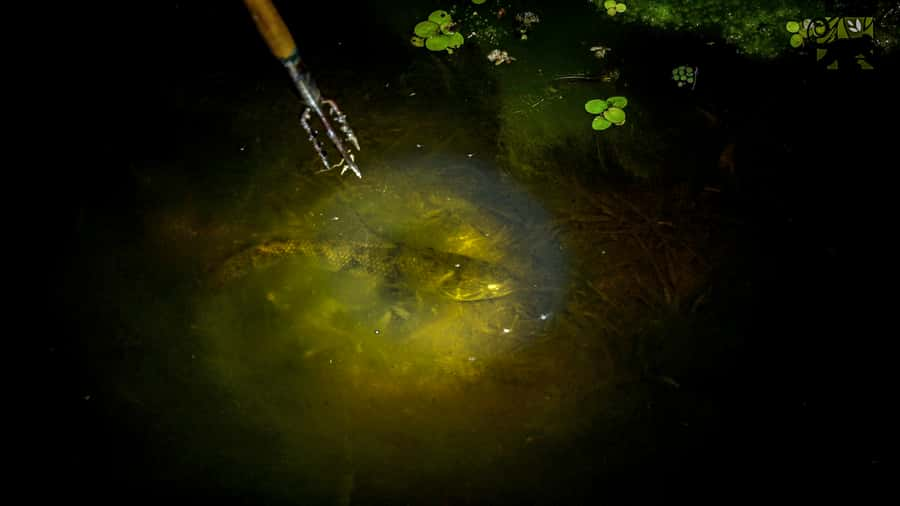
At night, dinner comes first, then you head out again by boat in the dark. This is when you look for caimans, using flashlight. It is not a party scene, and there are no shiny disco balls. It is more like, quiet boat, watch the water edges, and stay alert.
Hammocks and mosquito nets, what camp comfort feels like
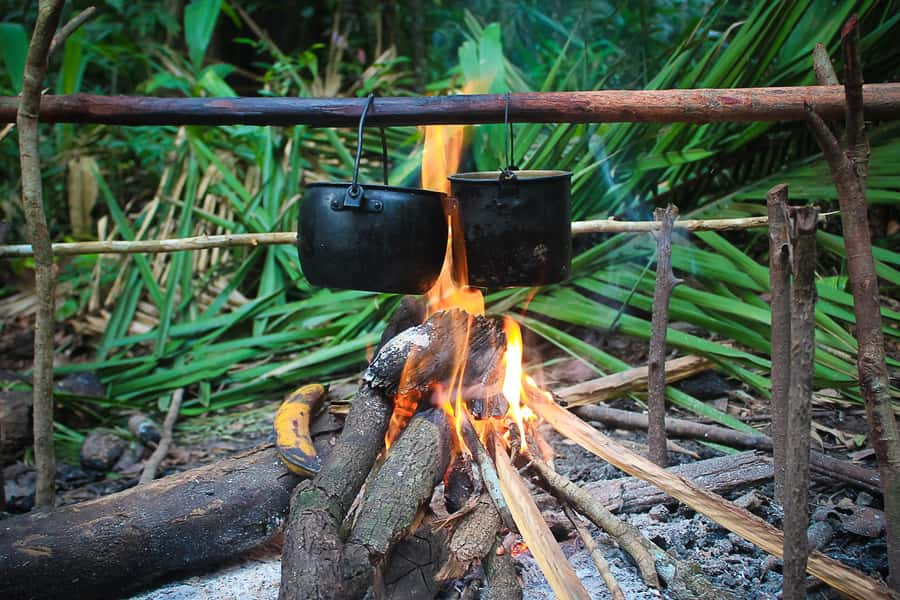
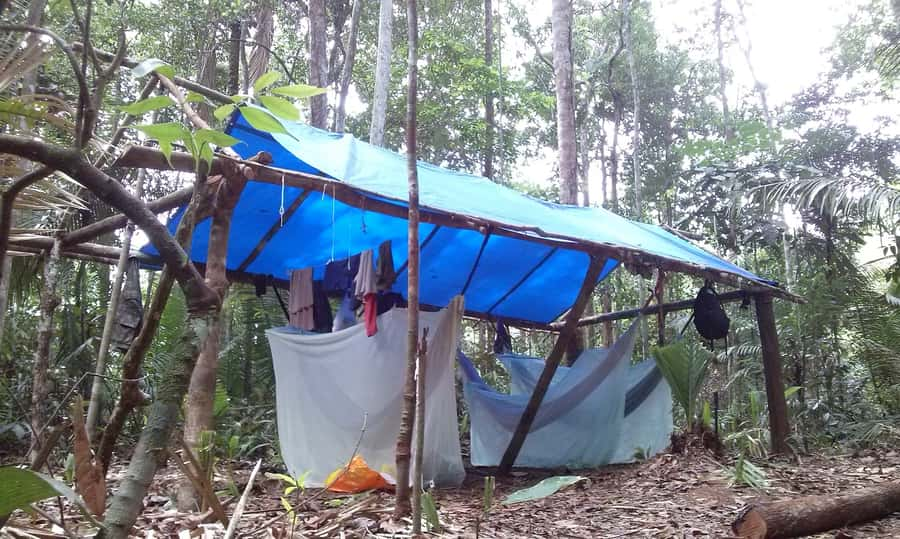
Sleeping here is not the kind of comfort you’re used to. You sleep in hammocks, and mosquito nets are provided. That combo is the tradeoff for sleeping close to the action.
What I like about this setup is how it matches the setting. In the forest, you feel the Amazon both day and night. You are not “touring” the jungle from a controlled environment.
Bring your mindset accordingly. You will likely want quick-dry clothing, and it helps to keep a small set of dry items reserved for later. If you sweat easily, you will appreciate having change of clothes ready for day two and beyond.
Also, the tour uses hammocks, but you still need to manage heat and bugs. Insect repellent is not optional if you want a calm night.
Day 2, sunrise canoe at 5:30 am and the forest waking up
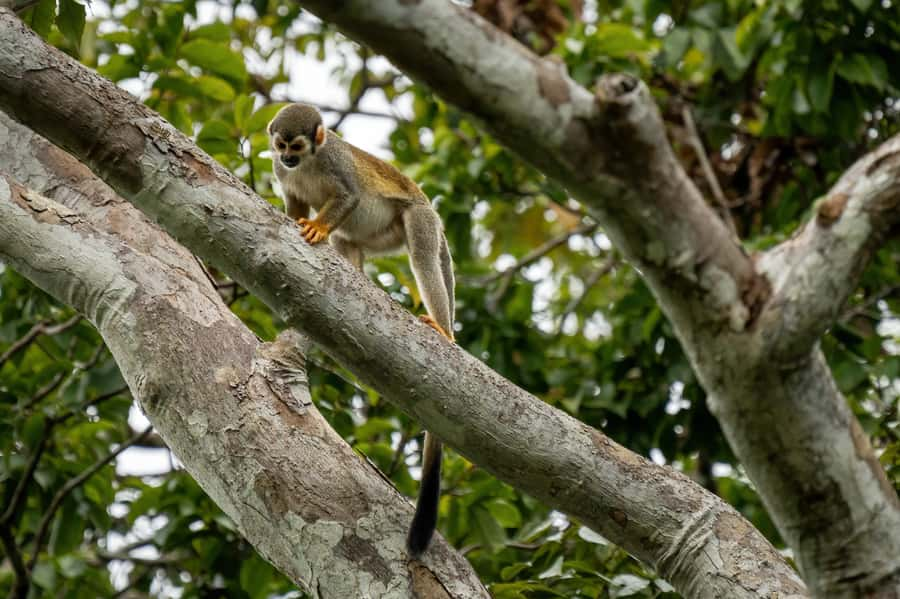
Day two starts early, with a sunrise canoe trip at 5:30 am. The river at that hour is described as a perfect place to watch the forest wake up. Even if you are not a “morning person,” this timing is a smart choice. It gives you a different Amazon than midday does.
Breakfast follows at 7 am. Then the hiking begins around 8 am and runs until about 11:30 am. This stretch is where the tour earns its survival label through learning.
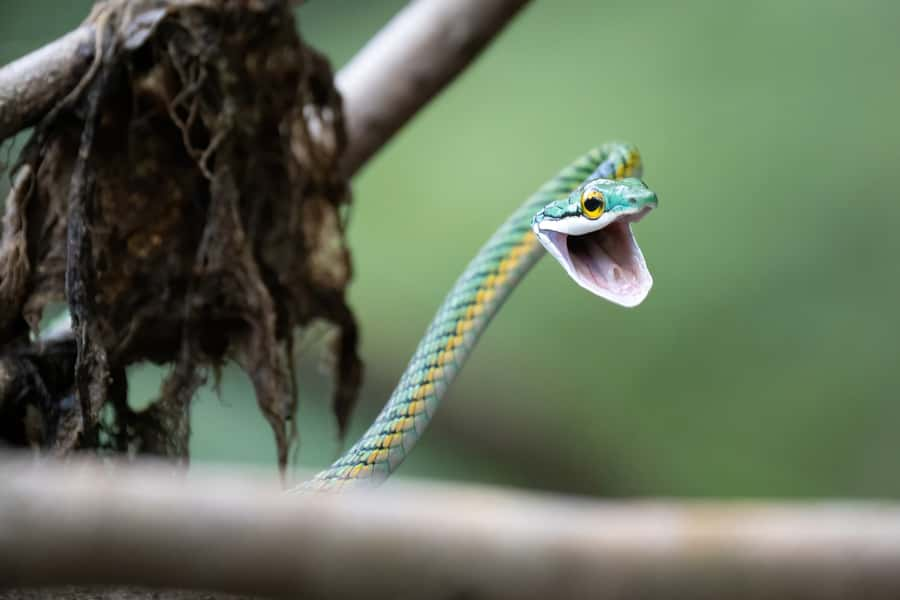
During the jungle hike, your guide teaches you about medicinal plants, spiders, and trees. You might even see monkeys, including ones that feel bold and cheeky. The point is not to chase animals. The point is to understand what you are walking through.
For a practical learning boost, listen for repetition. Guides often connect plant names to uses and simple survival logic. If you can catch that early, everything later starts to make more sense.
Lunch on day two is served under the canopy of the Amazon rainforest. It is another “environment first” choice that helps the day feel coherent, not a sequence of random stops.
Flooded forest canoe channels and fishing like a native
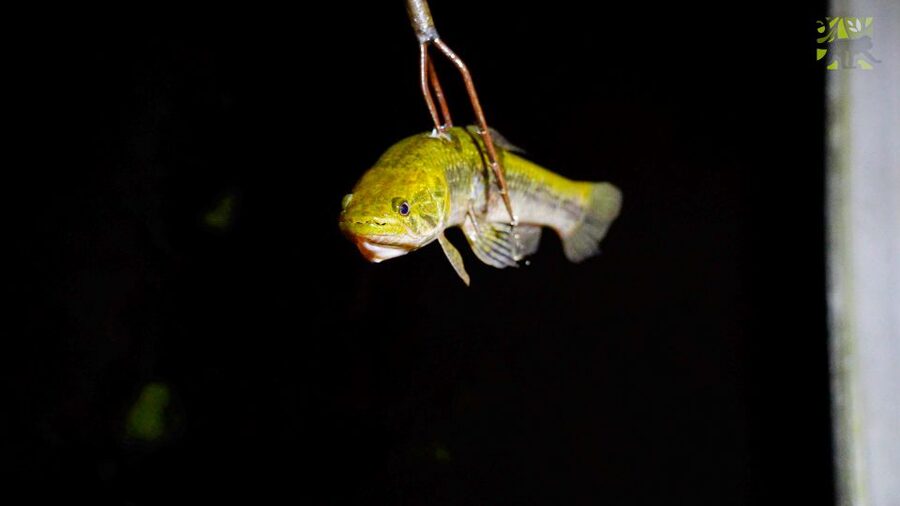
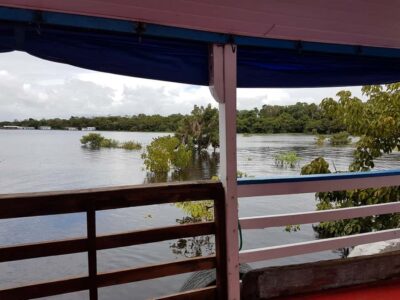
In the afternoon, around 3:00 pm, you take a canoe through the flooded forest and small channels. This part is valuable because it shifts your perspective from dry-land jungle to waterlogged Amazon life.
You get chances to see and learn about flora and fauna in that flooded environment. Then the tour turns to fishing, described as a hunt for feisty pirhanas, with a native-style approach.
Whether you catch something or not, the fishing segment is useful. It teaches you patience, and it helps you understand how survival depends on water access, timing, and local knowledge.
One consideration: if you tend to get motion-sick on small boats, keep that in mind early. Canoes on channels can feel bouncy, and it helps to focus on the horizon.
Night boat with flashlight, more wildlife time without the noise
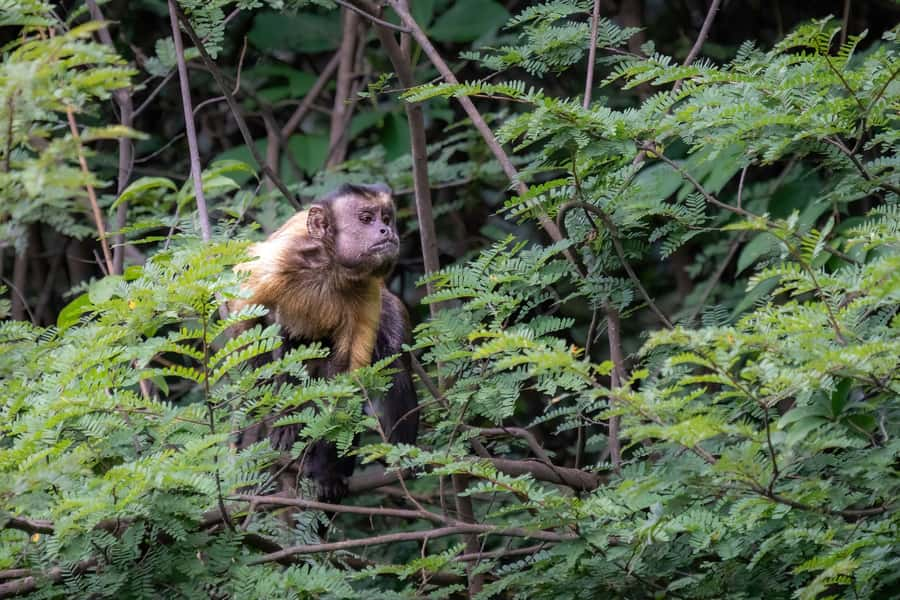
At nightfall, the tour goes out again for wildlife viewing. This night trip uses a boat with a flashlight, which gives you the chance to spot what the forest does after dark.
It is an easy concept to write down and a hard one to replicate on your own in Manaus. The guide is the difference here. They know where to look and how to read the environment.
The best way to enjoy these night trips is to stay quiet and not over-stimulate yourself with constant phone checks. Use your smartphone for photos only when you have a good chance, then put it away and listen.
Optional Day 3, 4, or 5 routes, how the tour changes by length
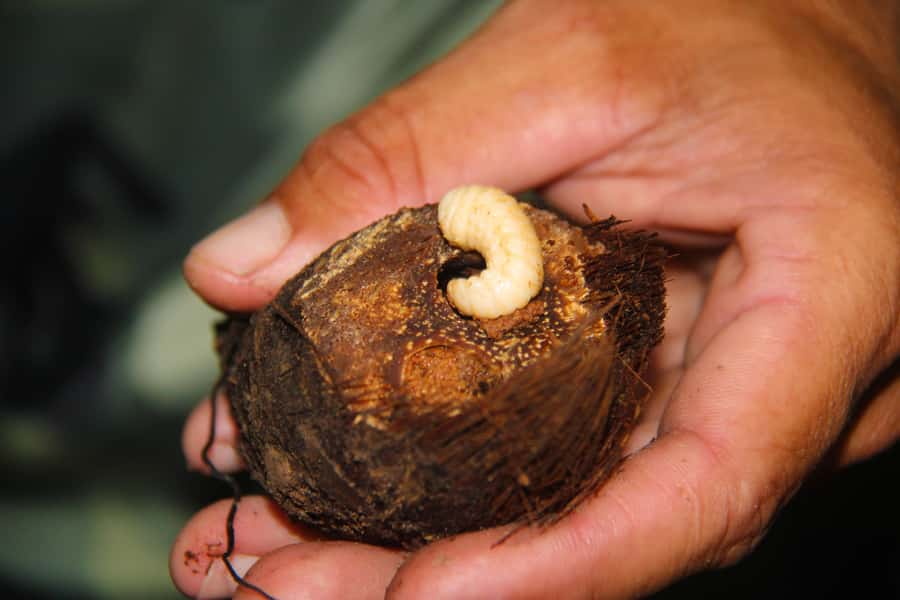
This is a flexible trip. You choose a 3-day, 4-day, or 5-day option, and the itinerary changes to keep the experience varied.
If you book the 3-day option
After breakfast on the third day, you go for another nature hike to a different part of the rainforest for more wildlife viewing. Then you head back for lunch and have a bit of down time amid jungle sounds.
You then depart for Manaus at about 1:30 pm, arriving around 4:30 pm. For a short option, it’s a good way to get more forest time without dragging the schedule.
If you book the 4-day option
On the third or fourth day route, you spend time exploring small channels by boat. The goal here is birds and small-scale wildlife viewing, with fishing planned for dinner later.
Then you return to camp, and on the following day you add another hiking session that includes jungle survival techniques. You get the same pattern again, walk and learn, then lunch, then the Manaus return around 1:30 pm.
If you book the 5-day option
With more time, the tour adds more water travel and more night wildlife. After lunch, you explore small channels by boat looking for monkeys and other animals you might find in the loaded forest, as it is described.
At night, there is a night safari trip with a chance to spearfish. That is a big “wow” factor for people who want more active, hands-on Amazon learning rather than only observation.
Then on the final day, you leave the camp back to the lodge and get time to explore the region. You might also have a chance to go swimming in the river like local people do.
If you are deciding between 4 and 5 days, choose based on your tolerance for early starts and your desire for night adventure. Five days gives you more repetition in a good way, because you see the Amazon shift across multiple evenings.
Guides, bushcraft tasks, and why small-group matters
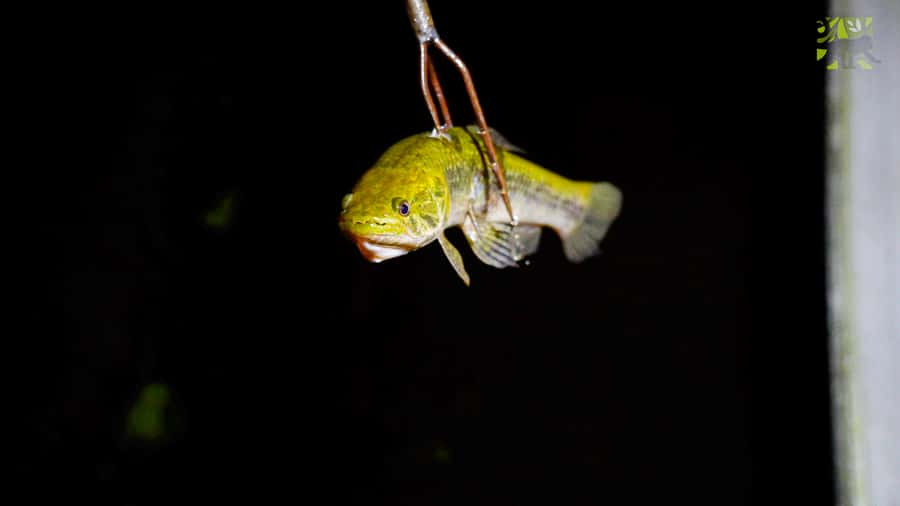
The tour keeps groups limited to 12 participants, which changes the feel immediately. In a jungle setting, crowd control is not just comfort, it is safety and attention. Smaller groups also mean your guide can actually answer questions, not just rush through a script.
The tour is run by Joshuas Amazon Expeditions, and guides can speak Portuguese or English. In past experiences with this company’s guides, Markus is specifically mentioned for being patient and explaining activities in detail, while answering questions calmly.
That type of guiding style matters for a “survival” themed trip. You want explanations you can use later, not just fun facts shouted over engine noise.
You may also work together with guides on bushcrafting tasks at a basecamp. That adds practical texture to the experience, so you come away with skills and not just photos.
Meals, water, and what is covered so you do not overspend
All meals are included, along with water during meals. That is a real value point in the Amazon, where meals outside the plan can get expensive or hard to judge.
You also get hammocks and mosquito nets included, so you do not need to find or rent camping gear in advance. The biggest “spend” you might have is personal items you choose to buy before you go, like insect repellent and basic toiletries.
Price-wise, $660 per person for a 3 to 4 day survival-style Amazon trip is not cheap compared to a city day tour. But it is often fair considering that you are paying for guided hiking, multiple boat trips, overnight jungle camp logistics, and round-trip transportation from Manaus hotels.
In other words, it is not just “a boat and a hike.” It is a packed set of field time plus the infrastructure to keep you safe and fed.
What to bring for comfort, photos, and a bug-proof plan
You will be in the sun, on boats, and walking on uneven ground. Your best “gear” is simple and practical.
Bring:
- A passport (or ID card, as allowed) since you will likely need it for travel logistics
- Comfortable shoes and hiking shoes or solid footwear
- Sunglasses, sun hat, and sunscreen
- Rain gear for quick storms and misty conditions
- Swimwear and a towel if you want to take advantage of river swimming time on the longer options
- Insect repellent, plus long sleeves and long pants when possible
- A waterproof bag for your phone or camera
- Binoculars if you like wildlife watching from a distance
Also pack a change of clothes and quick-dry items. You will feel better at night if you are not wearing the same damp shirt from the day’s humidity.
Luggage limit is important: maximum luggage is 25 pounds or 12 kg per person. If you bring more, you need to arrange for excess luggage to stay at your partner’s office or at your hotel in Manaus.
Logistics you should plan around before you book
Pickup is included, and pickup is available from your Manaus hotel. Airport pickup is also possible, as long as you share your flight number and arrival time.
Be aware of timing if your flight lands late or you leave on an afternoon departure. Guests arriving at Manaus Airport by 2 pm can only enjoy evening activities on day one. Guests leaving on afternoon flights need to depart on a morning transfer.
This matters because you want the full experience, and night activities are part of the magic here.
One more practical tip: the tour encourages small gifts for community children, like toys or comic books, but also advises avoiding giving money. If you want to do it responsibly, bring small items that are easy to carry and not disruptive.
Who this Manaus Amazon survival trip is for
This is a great match if you want:
- Nature-first experiences around Manaus, with real time on water and in the jungle
- Hands-on learning through medicinal plant explanations, survival technique hikes, and camp life
- Night wildlife viewing, especially caimans by flashlight and additional safari time on longer options
- A small-group setting where you can ask questions without feeling rushed
It is less ideal if you want hotel-level comfort, quiet nights, or zero early mornings. Sunrise canoe at 5:30 am is the reality check.
Should you book this tour, my decision checklist
Book it if you look forward to waking up with the river, sleeping in a hammock under a net, and learning from guides who take questions seriously. The best value here is the full package: transport from Manaus, meals, guided hikes, multiple boat segments, and the camp infrastructure that keeps the Amazon trip realistic.
Hold off if you have very limited mobility, strong motion sensitivity on small boats, or you know you will struggle with insects. For most people, preparation fixes a lot. Bring repellent, pack light within the 12 kg limit, wear proper shoes, and keep your expectations aligned with a true jungle camp.
One more thing: you get free cancellation up to 24 hours in advance for a full refund, and the reserve now, pay later option can help if your plans are still shifting.
FAQ
How long is the Manaus Amazon survival trip?
The tour runs for 3 to 4 days, depending on the option you choose.
What is included in the price?
It includes hotel pickup and drop-off, all meals, water during meals, all tours in the program, Portuguese or English-speaking guides, hammocks, and mosquito nets.
How big is the group?
The group is limited to 12 participants.
What language will the guide speak?
Guides can speak Portuguese or English.
What should I bring with me?
Bring a passport (or ID card where allowed), comfortable shoes, sunglasses, a sun hat, swimwear, a change of clothes, a towel, sunscreen, rain gear, long-sleeved clothing and long pants, insect repellent, binoculars, a waterproof bag, and a charged smartphone or camera.
Is my hotel in Manaus included?
No, the hotel in Manaus is not included.
How much luggage can I bring?
Maximum luggage is 25 pounds or 12 kg per person. Excess luggage must be arranged to be kept at your partner’s office or at your hotel in Manaus.
Amazon Rainforest Tours, compared.
 ★ 4.3Guided Jeep Tour through Tijuca RainforestFrom $90740 reviews
 ★ 4.7Jungle Waterfalls and Cachaça Distillery Jeep TourFrom $37491 reviews
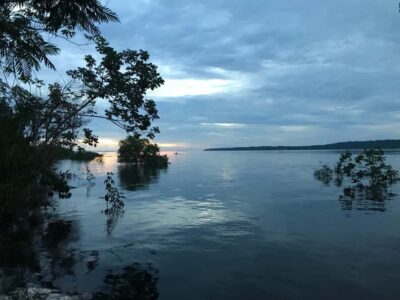 ★ 4.8One-Day Amazon Jungle ExperienceFrom $100408 reviews
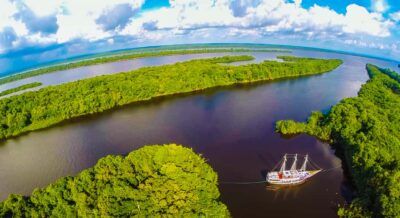 ★ 4.2Full-Day Tour on the Amazon RiverFrom $55362 reviews
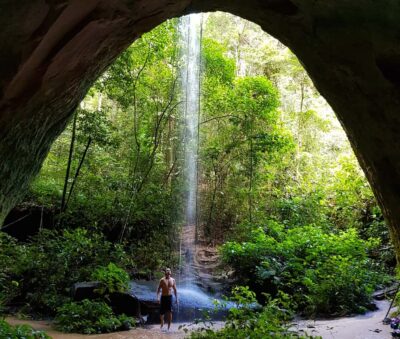 ★ 4.3Presidente Figueiredo Waterfalls DaytripFrom $90149 reviews
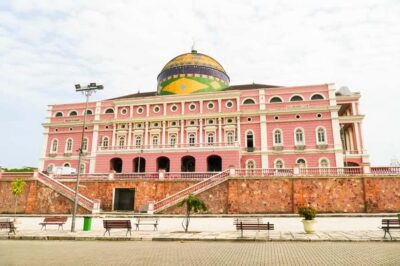 ★ 4.0Half-Day City TourFrom $5494 reviews
 ★ 4.5Piranha Fishing and Alligator Watch Evening TourFrom $9057 reviews
 ★ 3.9Manaus to Santarém: 36-Hour Ferry on the AmazonFrom $14055 reviews
Browse the lists this tour appears in