
REVIEW · CRUISES & BOAT TOURS
Rio: Boat Tour of Guanabara Bay
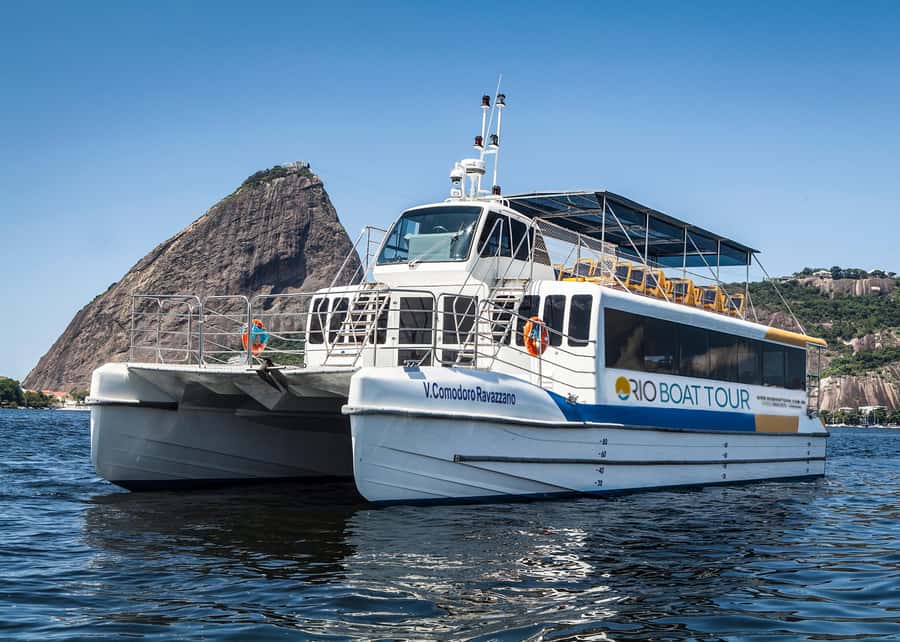
Rio changes when you see it by water. This 1.5-hour catamaran tour gives you a guided ride through Guanabara Bay, lining up major landmarks from sea level, with an audio guide in Portuguese, English, and Spanish.
Two things I really like about it: you get fast access to the Rio and Niterói skyline highlights in one loop, and you’re timed for practical photo moments, including views of Sugarloaf Mountain from the waterline. One thing to plan for is sound. The narration comes through a loudspeaker, and if it’s breezy or the engine noise is up, you may struggle to hear every word.
In This Review
- Key highlights that make this boat tour worth your time
- Marina da Glória: where you start your loop around the bay
- Past the Museum of Tomorrow and into Rio’s working harbor
- Niterói by water: the Rio-Niterói Bridge, Concha Acústica, and MAC
- Fortresses, beaches, and sea-level history on the return toward Sugarloaf
- The Sugarloaf Mountain photo stop you actually need
- Sunset or morning? How timing changes what you feel on the water
- Audio guide tips: hearing the story while the bay does its thing
- Who this tour suits best, and who should skip it
- Practical checklist before you go
- Should you book the Rio: Boat Tour of Guanabara Bay?
Key highlights that make this boat tour worth your time
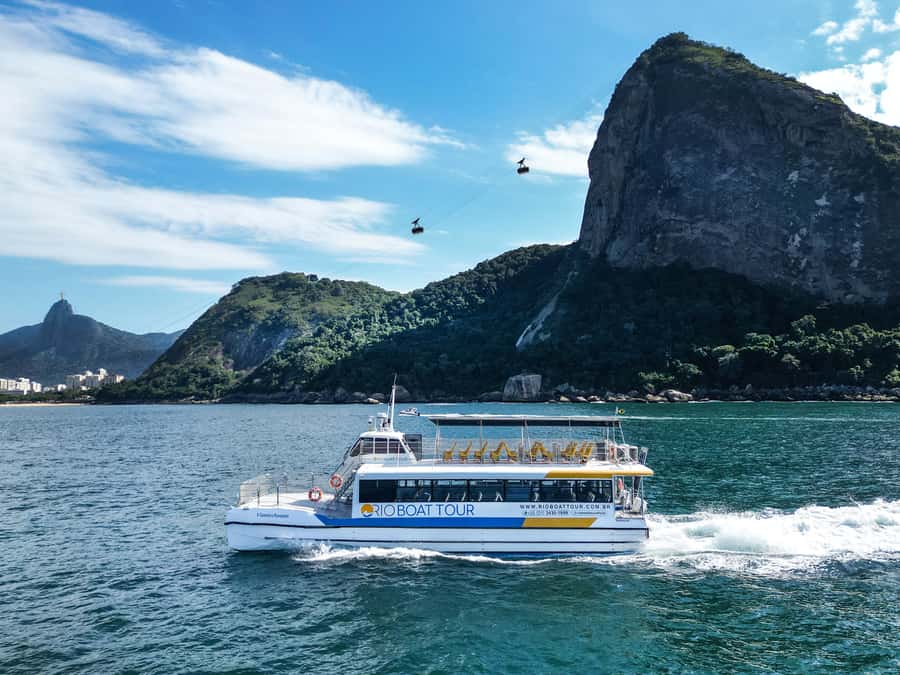
- Guanabara Bay in about 90 minutes, with a tight route that still feels like you covered a lot
- Sugarloaf photo time from the water, not just from a distant viewpoint
- Niterói icons, including the Oscar Niemeyer-designed MAC in a very distinctive circular design
- Port-and-fortress scenery, from the harbor area to multiple forts along the shore
- Morning or sunset departures, so you can match the light to your priorities
- Audio guide by loudspeaker, great when conditions cooperate, less ideal if wind and noise dominate
Back on the water in Rio De Janeiro
Marina da Glória: where you start your loop around the bay
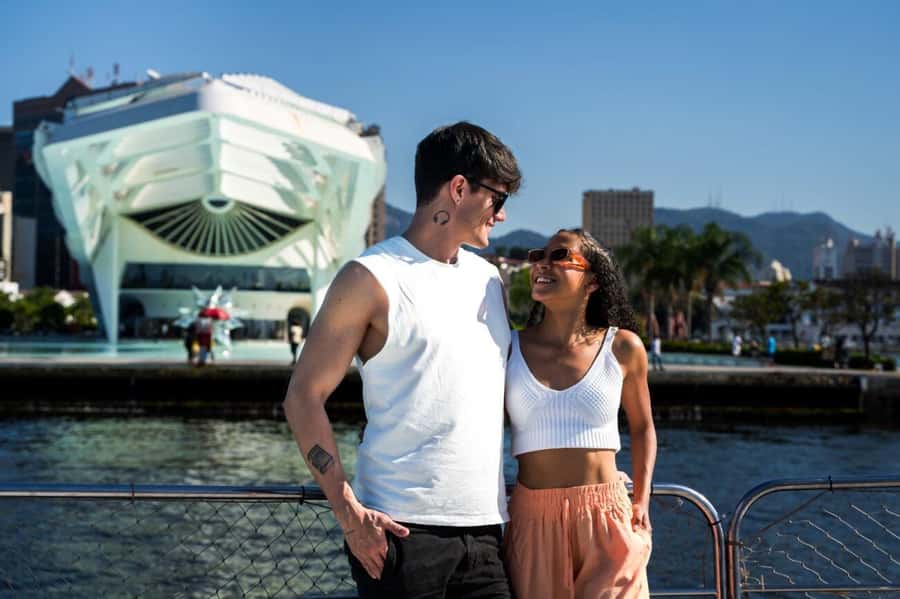
Your day begins at Marina da Glória, and you should plan to arrive with enough buffer to board calmly. The official coordinates are -22.920427322387695, -43.17053985595703, which is helpful if you use a map app. If you’re using a ride app, you might find it’s straightforward to get to the marina and easier on the way back than trying to figure out bus routes.
If you choose the option with breakfast, you’ll eat first at Marina da Glória and then head to the boat. There’s a coffee shop right in front of the embarkation point, so you can grab a drink before you line up, instead of trying to solve breakfast logistics mid-journey.
One small detail that can matter: on Sundays and holidays, vehicle access to the Aterro do Flamengo lanes isn’t allowed. That means your arrival time matters more than usual. I’d treat that day like you’re visiting a busy venue, because you’ll want to be early rather than rushing in at the last minute.
Past the Museum of Tomorrow and into Rio’s working harbor
After boarding on a modern, well-equipped catamaran, you head toward the Museum of Tomorrow area in Porto Maravilha. This part matters because it sets the tone: you’re not just cruising past postcards, you’re sliding into Rio’s real waterfront, including the edges where the city meets port activity.
From here, the route gives you several recognizable stops as you move across the bay. You’ll get views of Villegagnon Island, Santos Dumont Airport, Fiscal Island, and the Arsenal of the Navy. Even if you don’t know the details, seeing these landmarks from the water helps you understand the geography of Rio, including how the city wraps around the bay rather than standing isolated on a hill.
And yes, you’ll hear the port. One of the highlights here is the chance to catch those busy harbor sounds while you’re far enough out on the water that the perspective feels different. It’s a more grounded way to see Rio compared to looking only from land.
Niterói by water: the Rio-Niterói Bridge, Concha Acústica, and MAC
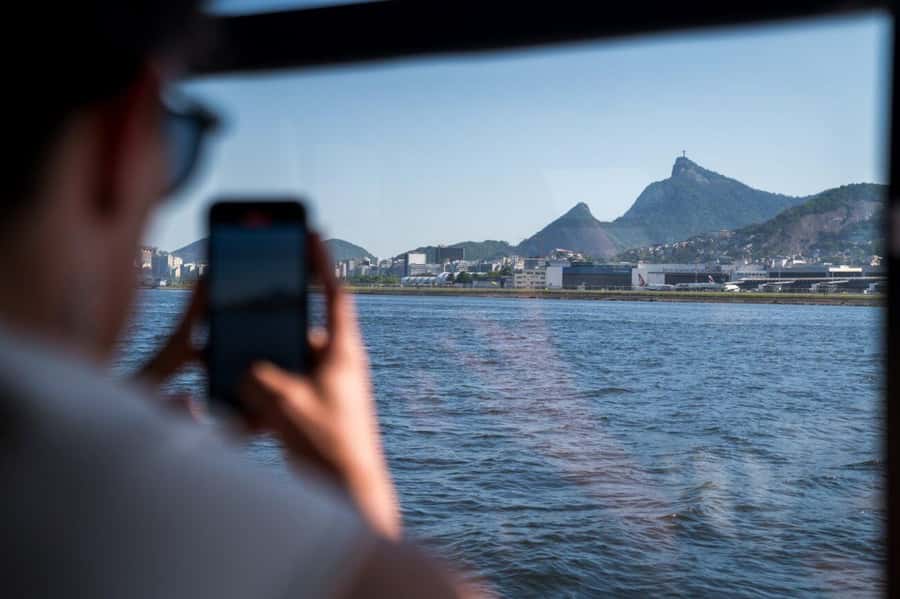
Next comes the crossing toward Niterói. As you pass the Rio-Niterói Bridge, you get the clean, long lines that make skyline photos easier. Then you’ll spot the Concha Acústica (Acoustic Shell), which stands out as one of Niterói’s cultural landmarks.
The big architecture moment is the Museum of Contemporary Art (MAC), designed by Oscar Niemeyer. It’s known for its disc-like form, and from the water the shape reads instantly. This is one of those stops where I think the boat route is smarter than a land visit: you get a moving vantage point, so the structure keeps changing angles as you approach and pass.
Why this section is valuable for you: Niterói can feel like a separate place from Rio if you only visit viewpoints. From the catamaran, you get both cities in a single arc of time, with the skyline rhythm staying consistent. It also helps you frame Rio geographically before you move on to the forts and beaches on the return.
- Rio de Janeiro: 6-Stop Highlights of Rio with Lunch
★ 4.4 · 5,157 reviews - Christ the Redeemer Entry Ticket by Corcovado Train
★ 4.4 · 4,476 reviews - Rio de Janeiro: Rocinha Favela Walking Tour with Local Guide
★ 4.8 · 3,052 reviews - Rio: Christ the Redeemer, Sugarloaf, Selaron & BBQ Lunch
★ 4.5 · 2,428 reviews - Rio De Janeiro: Half-Day Rocinha Favela Walking Tour
★ 4.7 · 2,272 reviews
Fortresses, beaches, and sea-level history on the return toward Sugarloaf
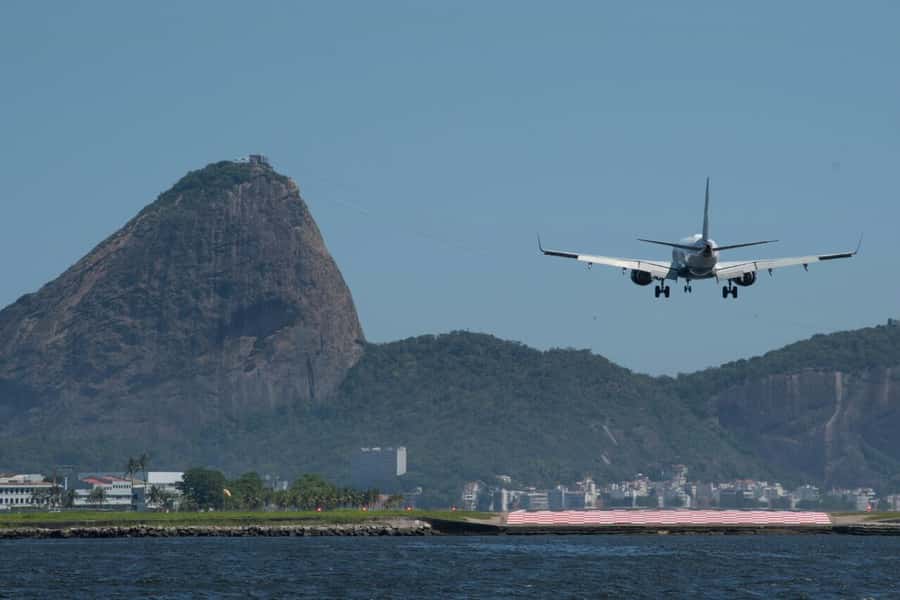
On the way back, the scenery shifts from city architecture to shoreline landmarks and coastal defenses. You’ll pass Adão and Eva Beaches, then move along a cluster of fortifications, including Santa Cruz Fortress, Lage Fortress, São José Fortress, and São João Fortress.
These forts are worth seeing by boat because you understand their placement. From land, they can look like isolated viewpoints. From the water, you see why they mattered, how they watch the approaches to the bay, and how the coastline folds around neighborhoods.
This is also where the tour feels most like a true Guanabara Bay cruise rather than a single sightseeing line. You get repeated stretches of water plus intermittent landmarks, which makes it easier to relax, take photos, and let the bay itself become the story.
And along the final leg, you’ll pass the old Urca Casino and Flamengo Beach before returning toward Marina da Glória. That return stretch is useful if you want to connect the dots between Rio’s ocean-facing areas and the bay side, all without walking across town.
The Sugarloaf Mountain photo stop you actually need
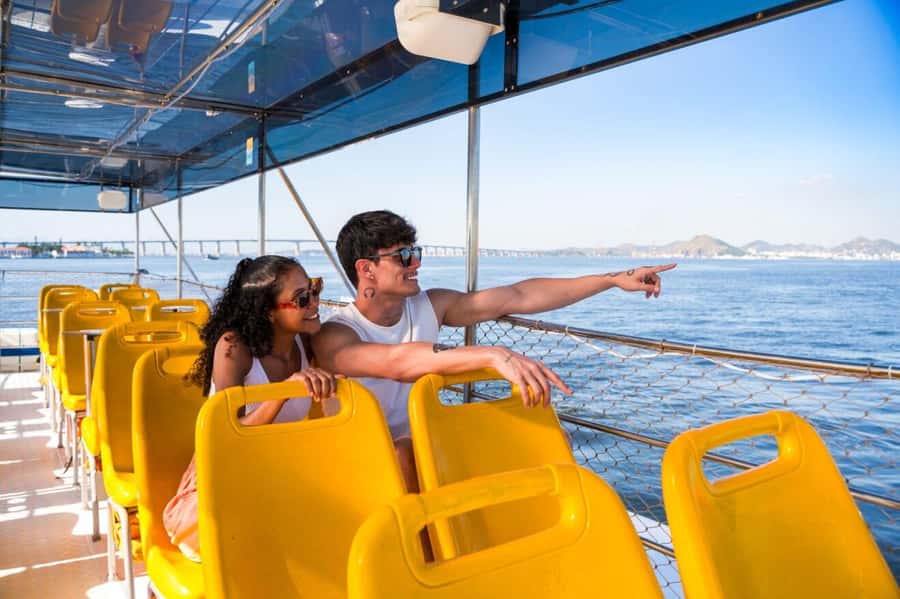
The most photo-friendly moment comes when you reach the area of Sugarloaf Mountain. You’ll be given a few minutes to take pictures from the catamaran, positioned near the foot of the mountain rather than far away.
Here’s the practical part: if your goal is getting a strong Sugarloaf shot with the bay in the frame, don’t waste those minutes checking everyone else’s camera. I’d think first about what you want in the photo: mountain size, coastline lines, or skyline backdrop. Then move into position as soon as the boat slows or aligns.
One useful tip from prior experience on this type of ride: sitting on the left side toward the back can give you good angles for major points and still help you catch the tour announcements better. I’d treat it as a starting guess. If you care more about hearing, choose a spot where you’re not blocked by other passengers and where engine noise is less intrusive.
After the photo time, the boat continues back to Marina da Glória, keeping you in motion so the bay stays the backdrop.
Sunset or morning? How timing changes what you feel on the water
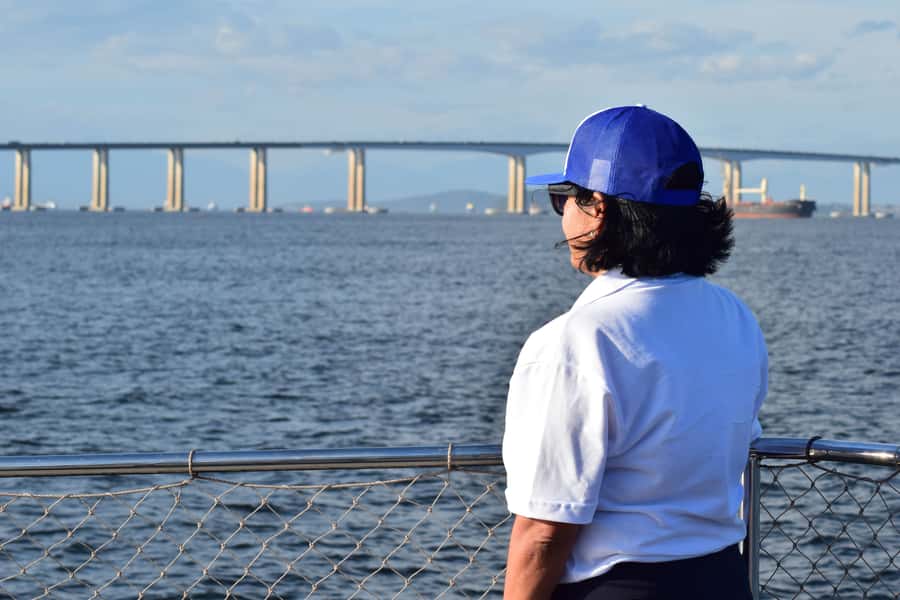
This tour runs with departures in the morning and also in the evening at sunset. If you want light that flatters the city and makes skyline photos easier, sunset is the obvious choice. Many people also like the tone of an evening cruise, when the water and sky feel calmer and Rio’s edges look more dramatic.
Morning can be great if you want crisp visibility and you’re trying to beat the day’s heat. It also helps if you’re building your schedule around other daytime plans, since the ride is only about 1.5 hours.
One reality check: the tour is subject to favorable weather. If there’s strong wind, the boat trip won’t take place. The operator offers you an alternative tour date if this happens. So if you’re booking specifically for sunset, I’d keep your calendar flexible and accept that wind can control your plans.
Audio guide tips: hearing the story while the bay does its thing
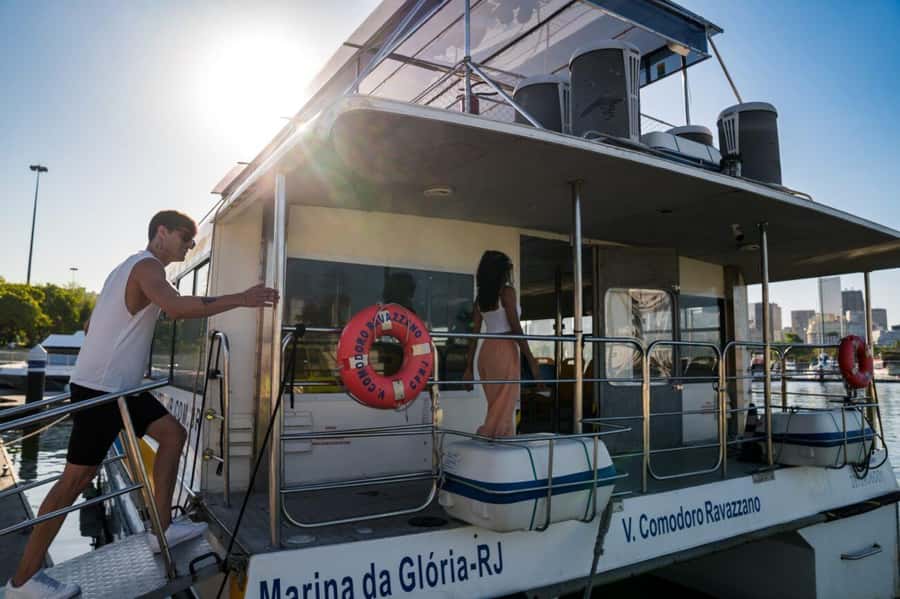
The tour includes an audio guide in Portuguese, English, and Spanish. This is a real plus because it turns the cruise into a guided walk across Rio’s geography, not just a scenery slideshow.
But audio is the weak link when conditions aren’t ideal. I’d plan for the possibility that you might not hear every word on the loudspeaker if it’s breezy, if there’s chatter nearby, or if engine noise is louder than expected. The fix is simple: choose where you sit with listening in mind, and don’t expect perfect clarity in every moment.
If you’re traveling with friends, agree in advance on a photo plan. That avoids constant pointing and talking over the audio. You’ll also get more out of the narration if you treat it like a highlight reel, not a textbook. The route focuses on landmark order, so even partial listening still helps you connect what you’re seeing.
Who this tour suits best, and who should skip it
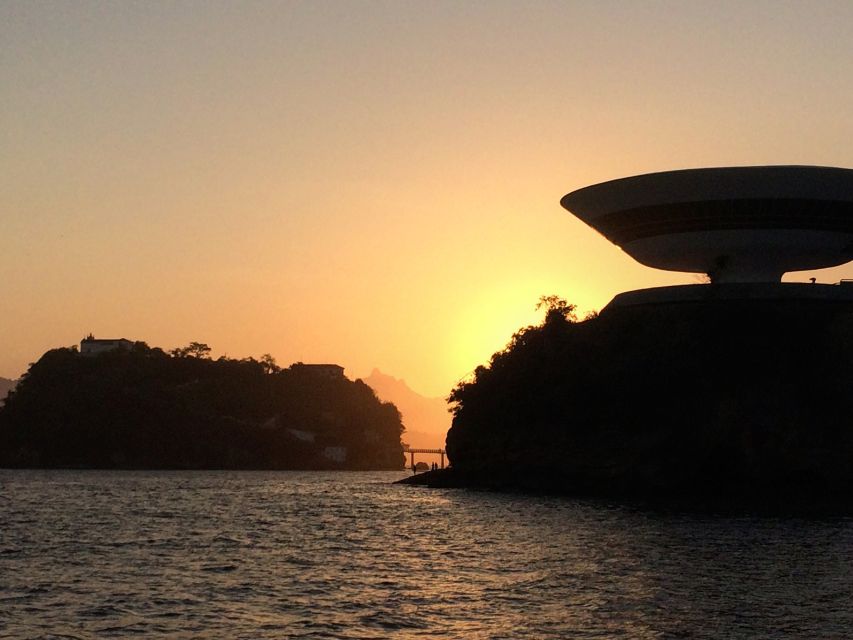
This boat tour fits you best if you want a high-return introduction to Rio and the bay. It’s especially good for:
- First-time visitors who want the big landmarks without switching transport multiple times
- Photo lovers who like sea-level angles and short timed photo stops
- People who prefer being on water for about 90 minutes instead of doing a full-day land tour
It’s less ideal if you’re expecting a long, interactive outing. There are no stops for diving or disembarkations, so it’s a stay-on-board experience with sights from the water. If you want to swim, wander, or explore ruins on foot, you’ll need a different kind of tour.
Also note the child policy: unaccompanied minors aren’t allowed, and children 4 and younger are complimentary if they don’t occupy a seat. If you’re traveling with kids, this is a helpful detail for planning, but you should still be ready for the realities of a wind-and-water environment.
Practical checklist before you go
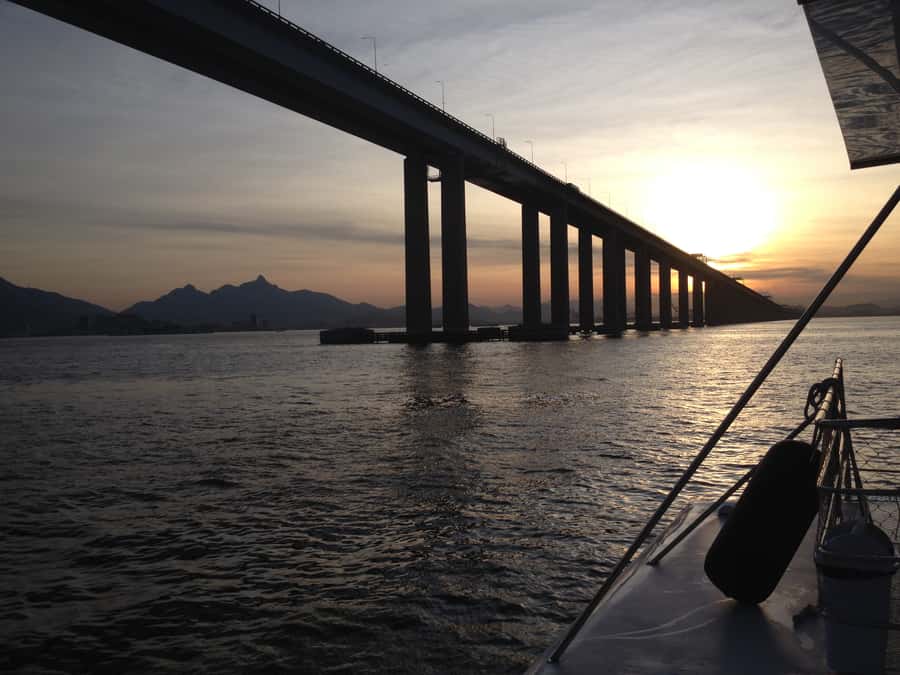
Bring the basics and you’ll feel comfortable the whole time:
- Passport or ID card
- Camera
- Sunscreen
- Water
Wear something that handles sun and breeze. Even on a short ride, the air off the bay can feel cooler than expected, especially on sunset departures.
For getting around: you board at Marina da Glória, so plan your morning or evening transport to that point. Since vehicle access can be restricted on Sundays and holidays near Aterro do Flamengo lanes, you’ll want to account for extra time on those days.
And a quick note on comfort: the tour is wheelchair accessible, which is a big deal if you need step-free access.
Should you book the Rio: Boat Tour of Guanabara Bay?
I think you should book this tour if your top priority is a compact, good-value way to see Rio from the water, with audio guidance and multiple major stops strung together into a single loop. The route covers city architecture, Niterói’s Oscar Niemeyer moment at MAC, shoreline forts, and a practical Sugarloaf photo stop, all without turning your day into a logistical puzzle.
I would hesitate if you’re extremely sensitive to audio quality and you need narration to be perfectly clear. The loudspeaker format can be affected by wind, crowd noise, and engine sound. Also be realistic about weather: strong wind can shut the trip down, and sunset plans may change.
If you’re flexible, arrive early, and choose your seat with photos and listening in mind, this is the kind of Rio activity that gives you a lot of landmark context fast, while still feeling like a relaxing ride.
Everything Else We Rated in Rio De Janeiro
More Tour Reviews in Rio De Janeiro
More Tour Reviews in Rio De Janeiro
Latest from our Rio De Janeiro notebook
- Unforgettable Boat Party★ 5.0 · 3 reviews
- Tijuca National Park and all its wonders!★ 5.0 · 3 reviews
- Rocinha Jeep Tour: A Journey into the Soul of the Favela!★ 3.8 · 3 reviews
- Rio: Favela Walking Tour of Rocinha with a Resident Guide★ 4.7 · 3 reviews
- Rio: Private, Custom express, Main Attractions!★ 5.0 · 3 reviews
- Rio: Museum of Tomorrow, Yup Star & Olympic Boulevard★ 3.7 · 3 reviews
Cruises & Boat Tours, compared.
 ★ 4.8Sunset Sailing TourFrom $75994 reviews
 ★ 4.9Sunset Sailboat Tour with Open BarFrom $57785 reviews
 ★ 4.0Angra dos Reis Boat Trip with LunchFrom $63737 reviews
 ★ 3.8Arraial do Cabo Day Trip with Boat TourFrom $65400 reviews
 ★ 4.5Arraial do Cabo Day Trip from Rio de Janeiro: Boat Tour & BeachFrom $70390 reviews
 ★ 4.7From Foz do Iguazu: Brazil Iguazu Falls & Macuco Safari BoatFrom $134358 reviews
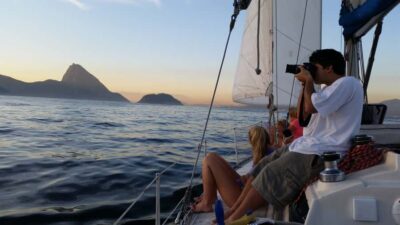 ★ 4.9Guanabara Bay Sunset Sailing Tour & DrinksFrom $70331 reviews
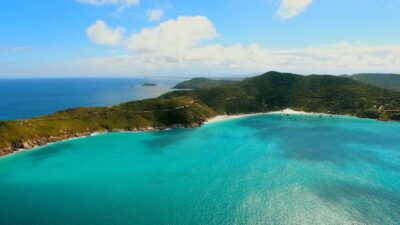 ★ 3.8Arraial do Cabo Boat Trip with LunchFrom $65321 reviews
Browse the lists this tour appears in