
REVIEW · MARACANA STADIUM & FOOTBALL
Rio de Janeiro: Flamengo Museum Ticket Entrance
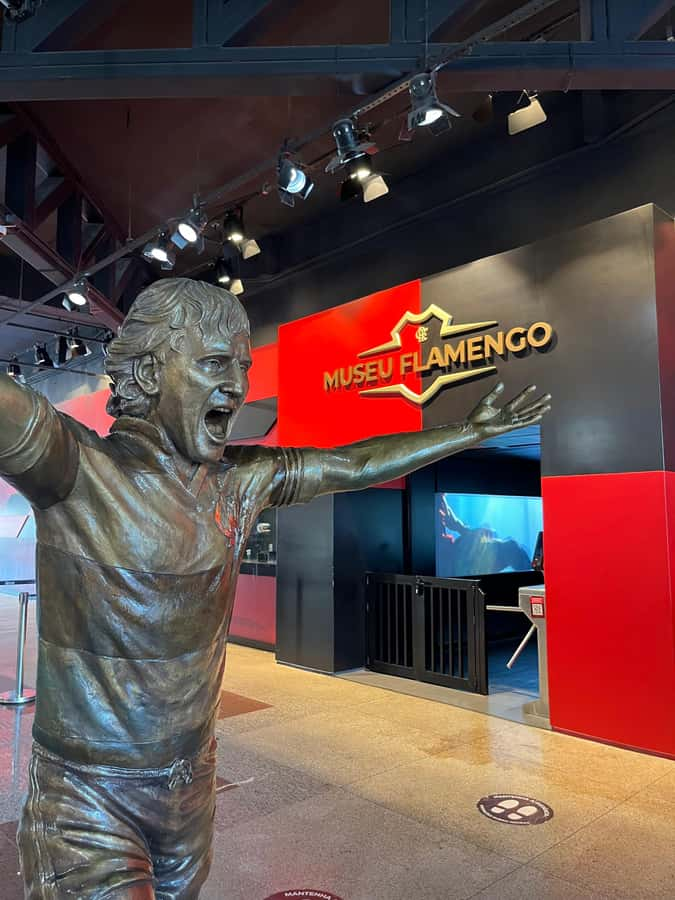
Football fans should start at this museum. This Flamengo Museum ticket entrance at Gávea in Rio de Janeiro turns Clube de Regatas do Flamengo’s story, from 1895 sailing beginnings to modern glory, into a guided path you can follow at your own pace.
I really like how the visit combines big visuals with hands-on storytelling, so the club’s milestones feel clear instead of just listed. I also love the sheer scale, especially the four-floor trophy room and the themed sections that keep the “Rubro-Negro” identity front and center. One thing to consider is that the museum has strict rules, including no flash photography and restrictions on what you can bring in.
In This Review
- Key things you will notice right away
- Flamengo Museum in Gávea: the quick orientation
- From 1895 sailing days to today’s Flamengo powerhouse
- Four floors of trophies and the interactive exhibit design
- Fourteen themed sections: Rubro-Negro storytelling that keeps moving
- Your visit flow inside: what to do first, what to slow down for
- Multilingual digital guide: how to get more out of every room
- Price and what $18 buys you in real terms
- Food is not included, so plan your timing like an adult
- Rules inside the museum: phones, flash photos, and what not to bring
- Who should book this Flamengo Museum ticket entrance
- Should you book the Flamengo Museum ticket entrance?
Key things you will notice right away
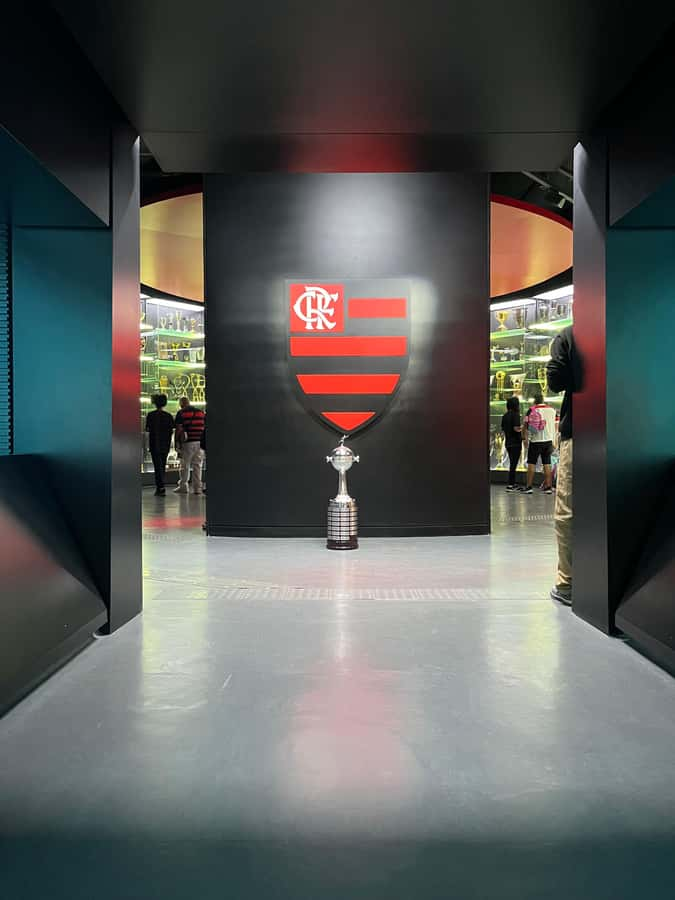
- A four-floor trophy setup that helps you understand the club’s peaks, not just its paperwork
- 14 themed sections that mix tech, interactivity, and emotion rather than flat displays
- Giant screens and sensory environments that make key moments feel immediate
- A preserved, carefully maintained collection tied to the club’s headquarters in Gávea
- A clear timeline from 1895 when Flamengo was a sailing club
- Multilingual support with a digital guide in English, Spanish, and Portuguese
Matchday and stadium options, reviewed
Flamengo Museum in Gávea: the quick orientation
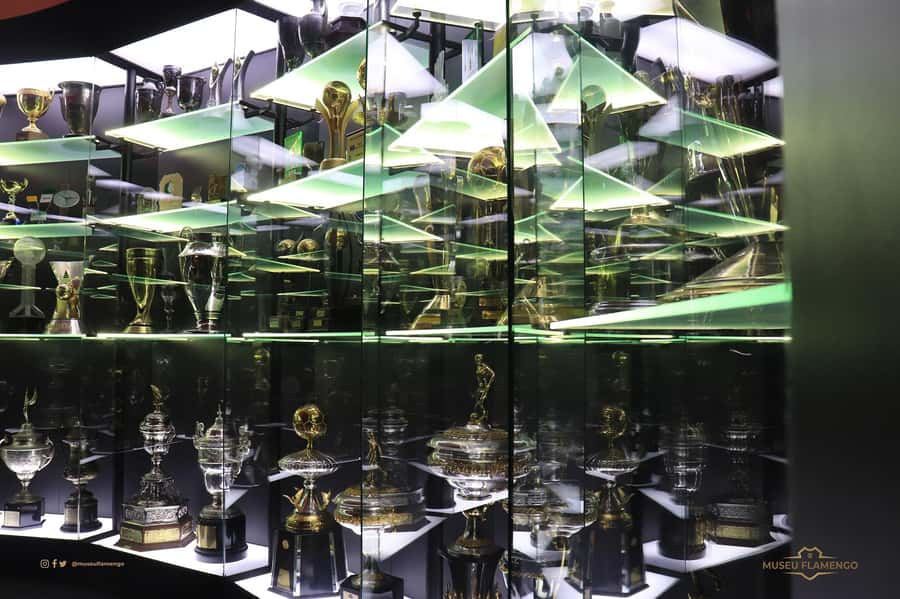
The Flamengo Museum ticket entrance is based at the Clube de Regatas do Flamengo headquarters in Gávea, south of Rio’s center. That matters, because you are not just walking into a standalone attraction. You are visiting the club’s home base.
The visit is valid for 1 day, and you should check starting times available for your day. Practically, this means you can fit it into a broader Rio plan without needing a full day of travel logistics.
Before you go in, take note of the museum vibe. It is a sports museum, yes, but it is also designed to make you feel like you are part of the fan culture. The best way to enjoy it is to slow down enough to read what matters and then switch to being a spectator for the big moments.
From 1895 sailing days to today’s Flamengo powerhouse
Flamengo’s origin story is not the usual “founded as a football club” tale. The museum focuses on how it began as a sailing club in 1895, then grew into one of Brazil’s biggest sporting institutions.
You will see the club’s evolution presented as a trajectory, not random highlights. That structure helps you connect the dots between early identity and how Flamengo became a major name in world football.
This is also why sports fans often leave feeling that they “got it.” The exhibits do not only show trophies. They explain the path, so you understand why certain moments matter to the rubber-meets-the-road Flamengo culture.
Four floors of trophies and the interactive exhibit design
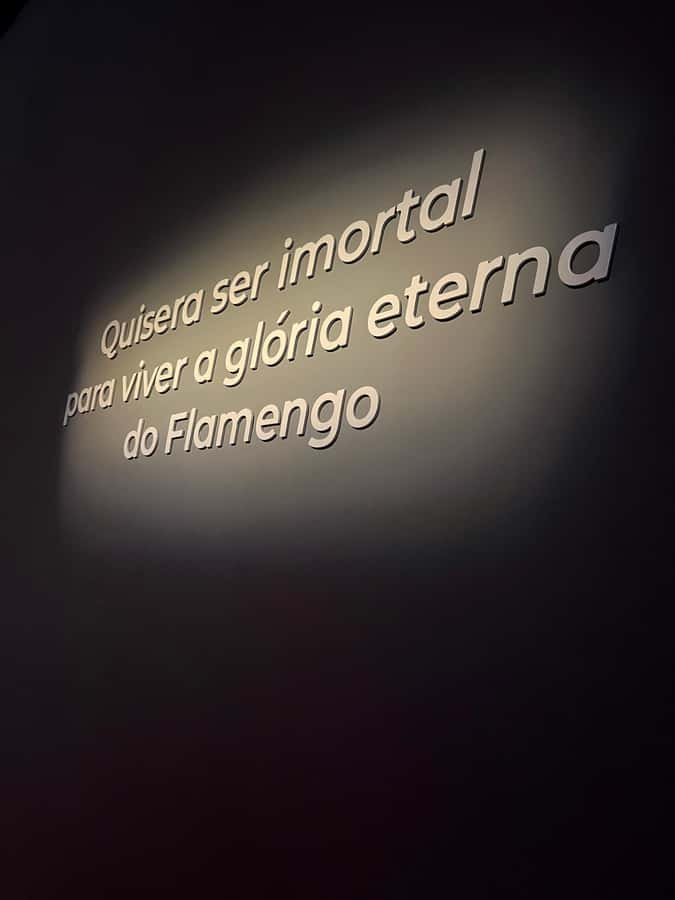
The museum’s centerpiece is the trophy room spread across four floors. It is one of those setups where scale does the talking, and you start to grasp how much the club has collected over time.
What makes it more than a classic trophy wall is the way the rest of the museum supports it. The exhibit design uses giant screens, technology-based storytelling, and sensory environments around key memories.
You should expect rooms that shift your attention from display case to scene. One moment you are reading, the next moment you are watching large visuals. That rhythm is useful if you are traveling with a mix of interests, because the museum doesn’t only work for hardcore football fans.
The museum was developed by a team that also created sports museums linked to clubs like River Plate, Boca Juniors, Juventus, and Benfica. Even if you have never visited those, you can feel the planning here: the flow is meant to keep you moving and keep emotion in the story.
Entry tickets we checked the price on
- Rio de Janeiro: Marine Aquarium Entry Tickets
★ 4.2 · 373 reviews - Rio: Sugarloaf Cable Car and Corcovado Train Tickets
★ 4.0 · 267 reviews - Rio: Ginga Tropical Samba and Folklore Show Ticket
★ 4.7 · 231 reviews - Skip the Line Maracana Stadium Entrance Ticket
★ 4.0 · 203 reviews - Rio de Janeiro: Rio’s Icons Guided Tour with Tickets & Lunch
★ 4.7 · 155 reviews
Fourteen themed sections: Rubro-Negro storytelling that keeps moving

Beyond the trophy room, you get 14 themed sections. Think of these as chapters that cover different eras, sports identity, and iconic moments, all connected under the Rubro-Negro theme.
The museum uses technology, interactivity, and emotion as its main tools. In practice, that means you are not only staring at artifacts. You are walking through environments designed to make the history feel present, like the club story is happening in the room with you.
If you care about the fan side, you will likely enjoy how these sections build the sense of belonging. The goal is for you to feel part of the big Flamengo crowd, not like you are reading a textbook from the outside.
One extra detail that stood out in people’s notes is attention to logotypes and the history of the club’s identity. If you love branding, colors, and how symbols evolve, this angle is worth your attention while you move through the sections.
Your visit flow inside: what to do first, what to slow down for
When you arrive, I recommend doing the museum in a simple pattern: start with orientation, then do the trophy focus, then circle back for the chapters you want most.
Why this order works: the four-floor trophy room sets the main storyline. After that, the themed sections feel like explanations, not distractions.
When you get to the technology-heavy parts, give yourself permission to watch and react. These areas are meant to hit memory and feeling, not just deliver facts. If you rush, you will miss the transitions that connect the timeline.
Also, plan your pace around where you need breaks. You will likely spend more time in the sections that use sensory rooms, because your brain tends to linger when multiple senses get involved. A calm pace makes the museum feel rewarding instead of exhausting.
Multilingual digital guide: how to get more out of every room

Your ticket includes a digital guide for the experience, available in English, Spanish, and Portuguese. This is a big value add because it turns a self-guided ticket into something closer to a guided tour, at least in how you understand what you are seeing.
Here is how I would use it. First, skim the guide before you enter the most technology-heavy areas. Then, when you slow down in a themed section, use the guide to lock in the meaning behind what you are experiencing.
If you do not speak one of the included languages, you are still fine since the museum also provides instruction in Spanish, English, and Portuguese. That mix is useful if you are traveling with friends who prefer different languages.
The main point: the digital guide helps you go from seeing Flamengo as just a club to understanding why each stage of the story mattered.
Price and what $18 buys you in real terms
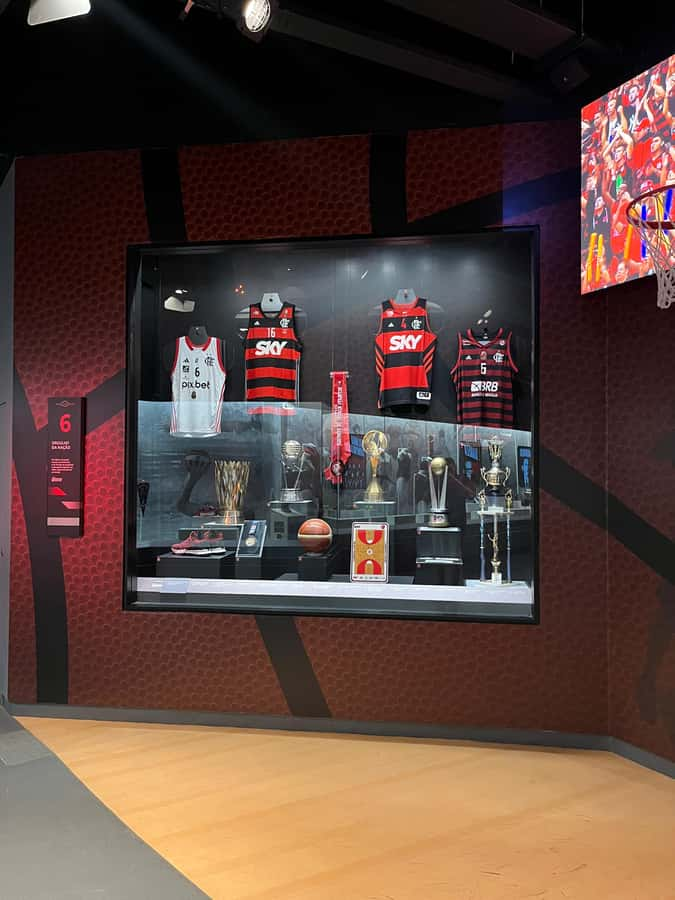
At $18 per person, the Flamengo Museum ticket entrance is priced like a mid-range attraction in Rio. For that, you get access to the trophy room across four floors plus 14 themed sections, with technology and interactivity that aim to keep your attention.
A lot of museums in big cities charge similar money but offer mostly static displays. Here, the design leans into screens, environments, and interactive chapters, so your ticket feels like you are buying an experience, not just entry.
Two practical value thoughts. First, you are getting support in multiple languages through the digital guide, which reduces the stress of not understanding what you are seeing. Second, the museum is located at the club headquarters in Gávea, so it also works as a “place-based” experience, not something you visit in isolation.
If you are a serious Flamengo fan, you can justify the price just by the sheer amount of club storytelling packed into one venue. If you are a curious visitor, the museum is still a strong cultural stop because it explains how a sports institution grows from local roots into national and international prominence.
Food is not included, so plan your timing like an adult
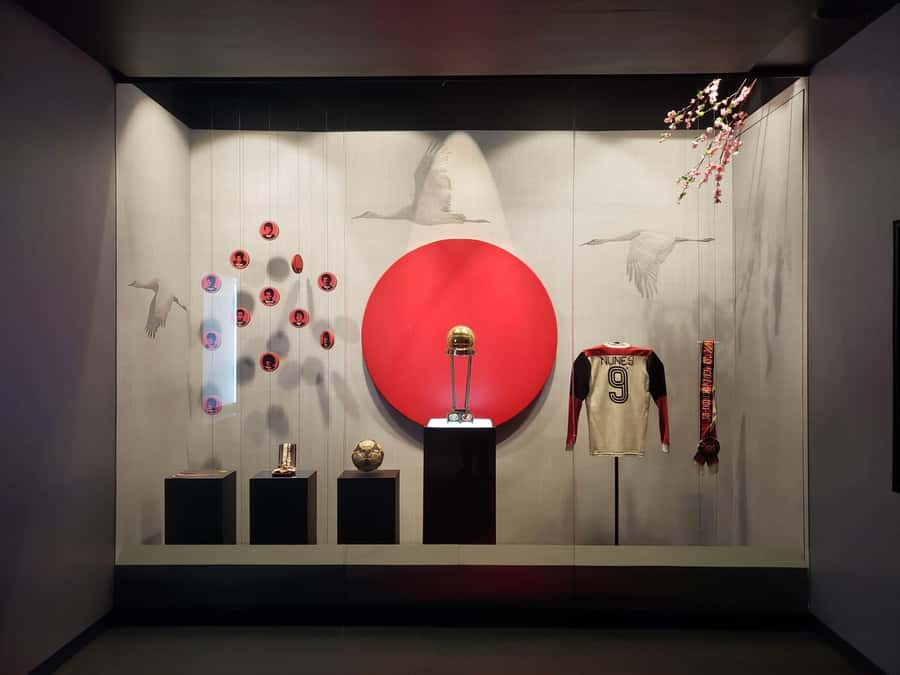
Food and drinks are not included, and the ticket also does not include a tour of Gávea. This is not a problem, but it affects how you plan the day.
If you are going at a time that overlaps with meals, eat before you go in, or grab something after. The museum rules are strict about what you can bring in, so trying to bring snacks through can be annoying.
The “no tour of Gávea” note also matters. The museum focuses on the club and its story. If you want broader neighborhood sightseeing, you will need to plan that separately.
A good approach is to treat the museum as a centered activity in Gávea. Then you can add either a light neighborhood walk or another Rio stop nearby.
Rules inside the museum: phones, flash photos, and what not to bring
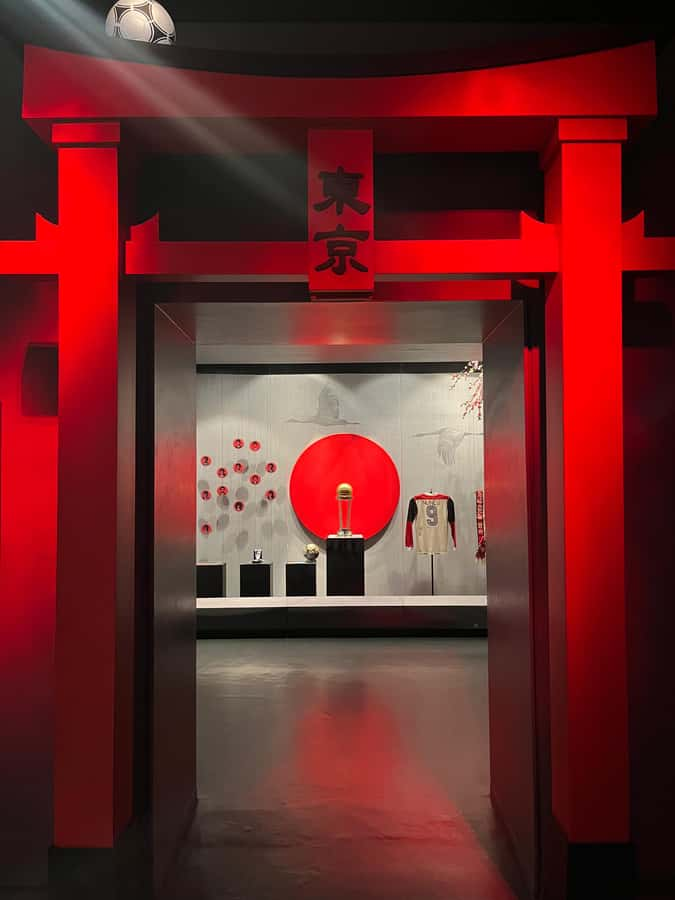
The museum has clear rules, and they are strict enough that you should read them before you show up. This is the part that can surprise visitors, especially if you are used to flexible museum policies.
You should know these key points:
- Cell phone requested to be on airplane mode or silent
- No filming and no photos with flash
- No smoking in museum premises
- Alcohol and drugs are not allowed
It is also a good idea to travel light. The list of not allowed items includes weapons or sharp objects, plastic bags, glass objects, scooters, and even sportswear. That last one is worth flagging, because people often show up in gym clothes by habit.
If you are bringing a pet, note that pets are not allowed, but assistance dogs are allowed. And if you are traveling with children, unaccompanied minors are not allowed, so plan for adult supervision.
Bottom line: the rules are there to protect the museum environment and the exhibits. If you follow them, your visit stays smooth.
Who should book this Flamengo Museum ticket entrance
This ticket is a great fit if you fall into any of these categories:
- You love football culture and want Flamengo’s story in an easy-to-follow format
- You like museums that use technology and strong visual storytelling
- You want a place-based stop at the club headquarters in Gávea
- You are traveling in a group, and you want something that works for more than one kind of interest, thanks to the trophy room plus themed sections
You might not love it as much if you prefer quiet, text-heavy museums with minimal tech. The Flamengo Museum clearly leans into screens, sensory elements, and interactive storytelling, so your enjoyment depends on whether that style clicks with you.
Should you book the Flamengo Museum ticket entrance?
Yes, I would book it if you want a high-value sports museum experience in Rio with strong structure, multiple rooms, and lots to see across four floors. $18 is reasonable for what you get, especially because the experience includes a digital guide in English, Spanish, and Portuguese and is designed for repeat attention, not a quick glance.
If your travel style clashes with strict museum rules, or you hate limitations like no flash photography and the no-sportswear policy, then think twice. But if you are comfortable following museum etiquette, this is a smart, fan-centric way to understand Flamengo beyond match results.
More Tour Reviews in Rio De Janeiro
Matchday in Rio De Janeiro
More Tour Reviews in Rio De Janeiro
Latest from our Rio De Janeiro notebook
- Unforgettable Boat Party★ 5.0 · 3 reviews
- Tijuca National Park and all its wonders!★ 5.0 · 3 reviews
- Rocinha Jeep Tour: A Journey into the Soul of the Favela!★ 3.8 · 3 reviews
- Rio: Favela Walking Tour of Rocinha with a Resident Guide★ 4.7 · 3 reviews
- Rio: Private, Custom express, Main Attractions!★ 5.0 · 3 reviews
- Rio: Museum of Tomorrow, Yup Star & Olympic Boulevard★ 3.7 · 3 reviews
Maracana Stadium & Football, compared.
 ★ 4.4Maracanã Stadium Official Entrance TicketFrom $241,632 reviews
 ★ 4.0Skip the Line Maracana Stadium Entrance TicketFrom $22203 reviews
 ★ 4.5Football Match in Rio de Janeiro – Guided with TransportationFrom $166150 reviews
 ★ 4.6Football Game Ticket with Guide and a DrinkFrom $86124 reviews
 ★ 3.7Maracana Stadium – Behind the Scenes TourFrom $39123 reviews
 ★ 4.9Maracanã Stadium Match Ticket with DrinkFrom $102109 reviews
 ★ 5.0See a Flamengo Game at Maracanã with a localFrom $128105 reviews
 ★ 5.0Fluminense Football Match at Maracanã with Local HostsFrom $7380 reviews
Browse the lists this tour appears in