
REVIEW · SAO PAULO CITY TOURS
São Paulo: Paulista Avenue Walking Tour
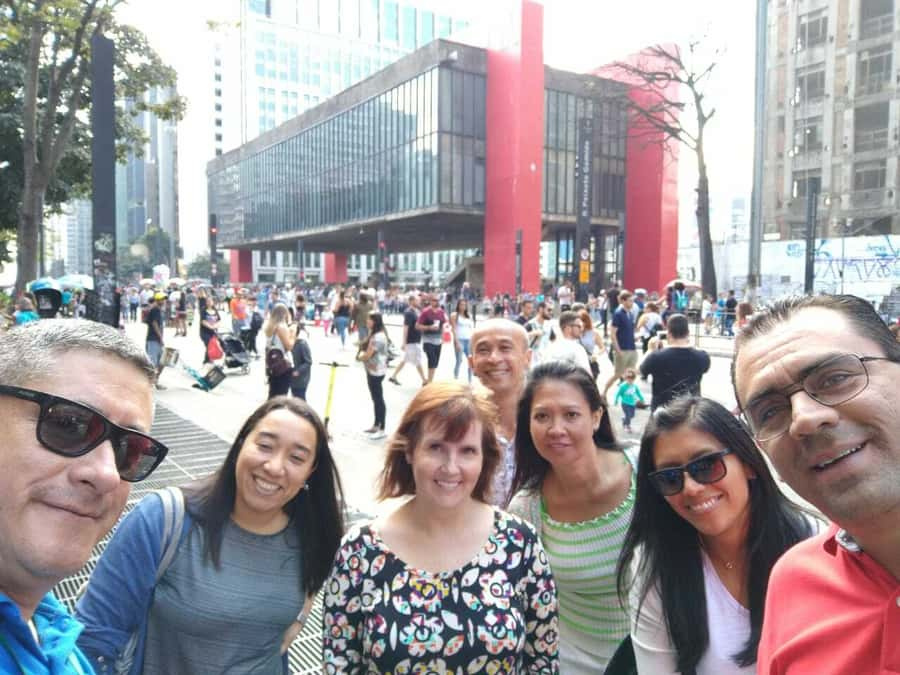
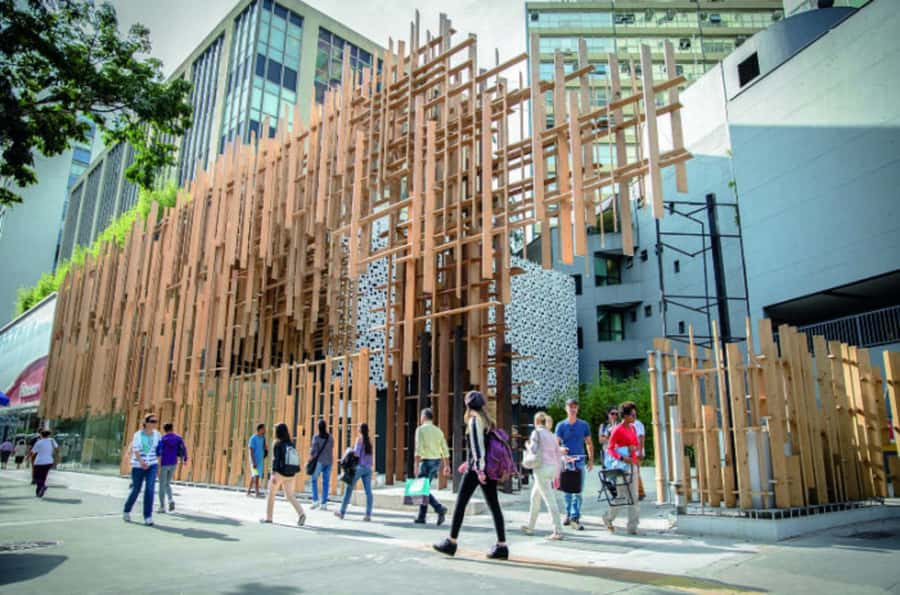
Paulista Avenue can feel like a moving museum. This 3-hour walking tour strings together 18 famous stops with clear, street-level storytelling on what made the avenue what it is today. You start right at Japan House, then roll into a route built for seeing facades up close and understanding why the city shaped itself here.
What I like most is the way the guide turns landmarks into meaning. You are not just looking at buildings, you’re getting context as you go, so the avenue starts to connect in your head. The route also builds in real breaks for pictures, contemplation, and even a bit of snack time along the way.
One thing to consider: this tour is not designed for paid museum or attraction entries. You’ll see a lot from the outside, so if your goal is deep time inside ticketed venues, you’ll want to plan a separate visit.
In This Review
- Key highlights you should care about
- Japan House kickoff: fast context for a long, famous avenue
- Santa Catarina Hospital, Casa das Rosas, and the culture-and-education stretch
- Sesc, Kobra murals, Itaú, and the institutes that shape the city
- FIESP to MASP: how the big landmarks and the park viewpoints fit together
- Augusta Street, Conjunto Nacional, and Livraria Cultura: the human side of Paulista
- Staying comfortable on a 3-hour Paulista walk
- Price and value: what $100 buys you on Paulista Avenue
- Should you book the Paulista Avenue walking tour?
- FAQ
- How long is the Paulista Avenue walking tour?
- Where do I meet the guide?
- Is the tour wheelchair accessible?
- What languages are offered for the live guide?
- Does the tour include museum or attraction entrance fees?
- Is food and drinks included?
Key highlights you should care about
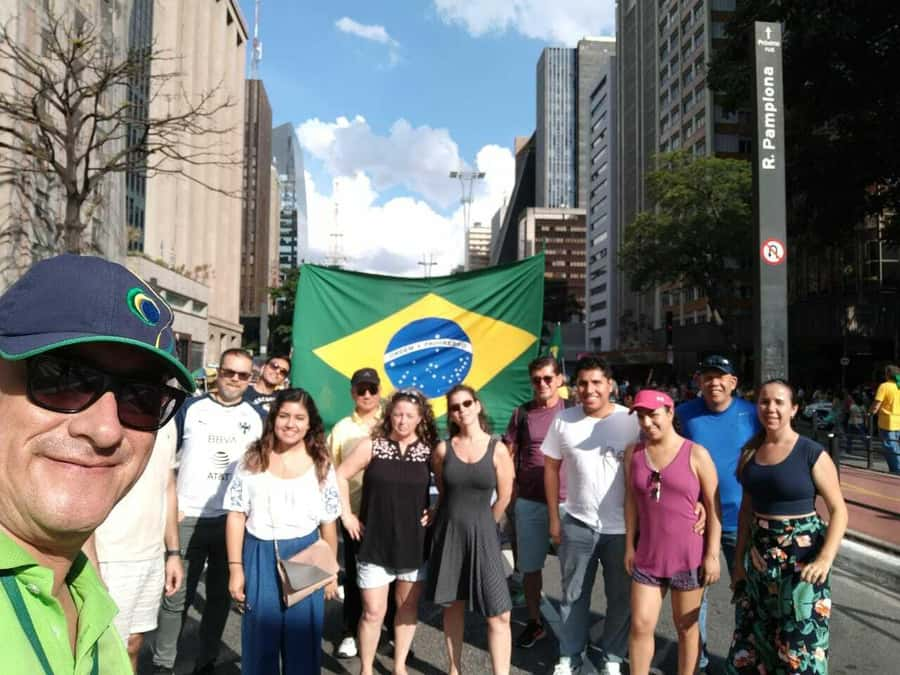
- 18 stops in about 3 hours, with a smooth walking pace
- Japan House at the start, with background that helps the rest click
- Frequent photo and rest breaks, including time for snacks and a small souvenir browse
- Street art included, including Eduardo Kobra murals on the route
- English, Spanish, and Portuguese guide options for the same experience
- Private-group feel, plus wheelchair accessibility
Japan House kickoff: fast context for a long, famous avenue
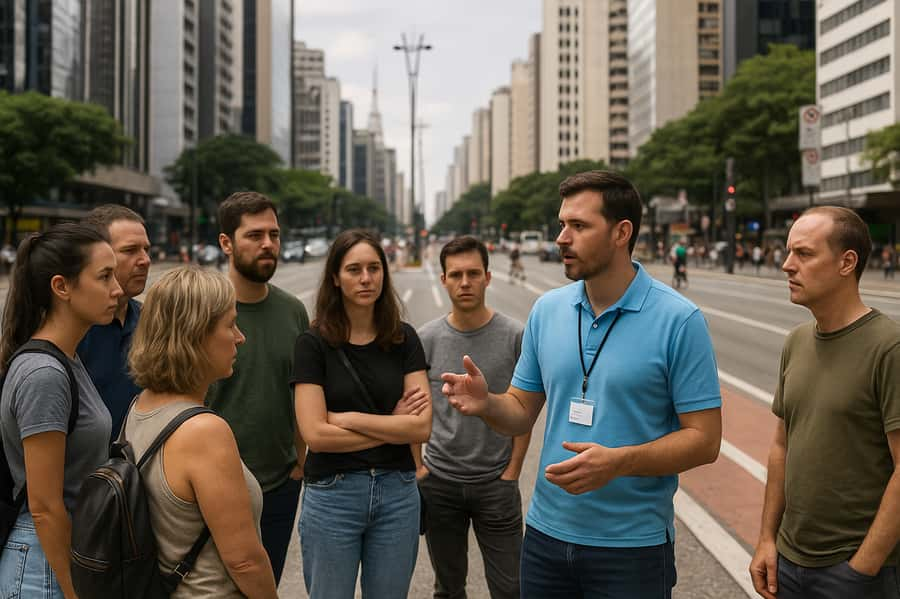
The smart move here is the starting point: Japan House on Paulista Avenue. It sets the tone right away. Before you cover ground, your guide gives you the kind of overview that helps the street stop being random. You start noticing patterns, like which buildings feel like civic anchors, which ones read as cultural hubs, and which spots are more about the avenue’s constant flow of people.
You’ll be walking with a licensed professional guide, and the tour is offered in English, Spanish, and Portuguese. In practice, that matters because Paulista Avenue can look “busy” from a distance, and a good guide helps you slow your brain down just enough to take it all in. Guides also adjust how they pace the talk, so you’re not stuck listening while you’re trying to keep up your steps.
A small but useful detail: this is a walking tour, and it works in all weather. That means you should plan for heat, sun, rain, or both. Wear comfortable shoes and bring sunglasses and sunscreen, because you’ll be outside a lot.
One more practical note based on what has happened for other groups: if Japan House is closed due to construction, the guide can reroute to other areas so the tour still keeps moving. The point is not to lose your momentum.
Santa Catarina Hospital, Casa das Rosas, and the culture-and-education stretch
After Japan House, the early part of the route gives you a feel for Paulista Avenue as a place where different roles sit side by side. You’ll start ticking off major landmarks, and the guide connects them into a single story about how the avenue evolved.
The first stop on the walk is Santa Catarina Hospital. Even if you’re not there for medical services, it’s a reminder that Paulista isn’t only about art and fashion. It’s also about institutions that serve the city day after day. From there, you move on to Casa das Rosas, a name that signals something artsy and reflective, and it helps you see how the avenue blends education, culture, and public life.
Next comes Sesc Avenida Paulista. Sesc places like this are often where people go to do more than watch, you can also take part. On this tour, it’s less about “entering the building” and more about understanding the location’s role in the neighborhood’s everyday rhythm.
Then you hit a very São Paulo moment: street artist Eduardo Kobra’s murals. This is the kind of stop that turns a regular city street into a gallery you can walk through. You’ll have time to look, photograph, and absorb what the colors and scale are communicating, and a guide can frame it so the art makes sense in the larger Paulista story.
After murals, you’ll continue to Itau Cultural Institute and the State School Rodrigues Alves. Seeing a cultural institute and a school close together helps you understand how this avenue became a meeting point for learning and public ideas, not only corporate headquarters.
You’ll round out this first cluster with the Pasteur Institute. The name alone signals science and research, and it adds balance to the mix of arts, schooling, and street expression.
Sesc, Kobra murals, Itaú, and the institutes that shape the city
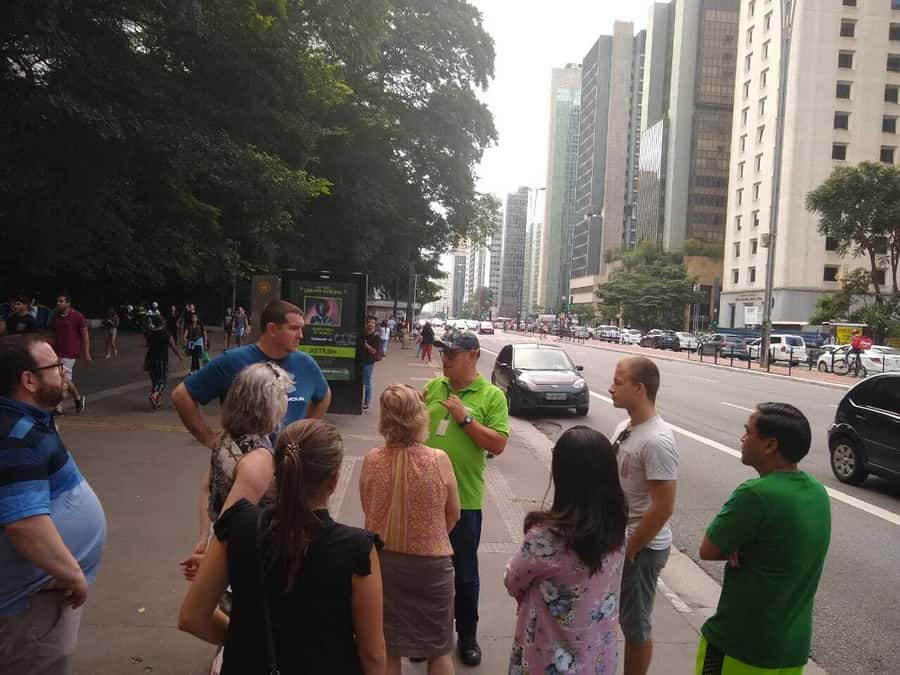
This middle section is where Paulista starts feeling like a “system,” not just a lineup of buildings. The tour is paced so you can keep walking without feeling rushed, but you’ll also get enough stop time to switch gears from stride to observe.
You already touched Eduardo Kobra’s murals, and it’s worth calling out again because it’s a standout visual anchor. In one example, a guide named Renato was praised for being detailed and for giving enough context that the avenue felt less like sightseeing and more like a guided lesson you actually enjoy. That same approach matters here. You want a guide who can talk about why this kind of street art belongs on Paulista Avenue, and how it fits into the avenue’s changing identity.
After the murals, the tour focuses on institutions: Itau Cultural Institute and the Pasteur Institute. Even without going inside ticketed spaces, you can learn to read what you’re seeing. Your guide’s job is to explain what the buildings represent and why people keep coming back to this stretch of São Paulo.
Casa das Rosas and Sesc Avenida Paulista earlier in the walk set up that idea too. You’re not just collecting names. You’re building an “I get it” map: culture next to health services, education near public programming, and big-city ambition sitting next to creative expression.
One more value piece: the tour includes stops “along the way” for pictures and contemplation, and there is also time for exploring and a little souvenir shopping. That matters because Paulista Avenue can make you feel like you’re moving too fast. Here, the schedule gives you permission to pause.
And if you’re doing this on a first day after a long flight, a guide like Doris has been noted for keeping groups moving and adjusting when needed. The goal is a smooth, coherent walk, not a chaotic stampede.
FIESP to MASP: how the big landmarks and the park viewpoints fit together
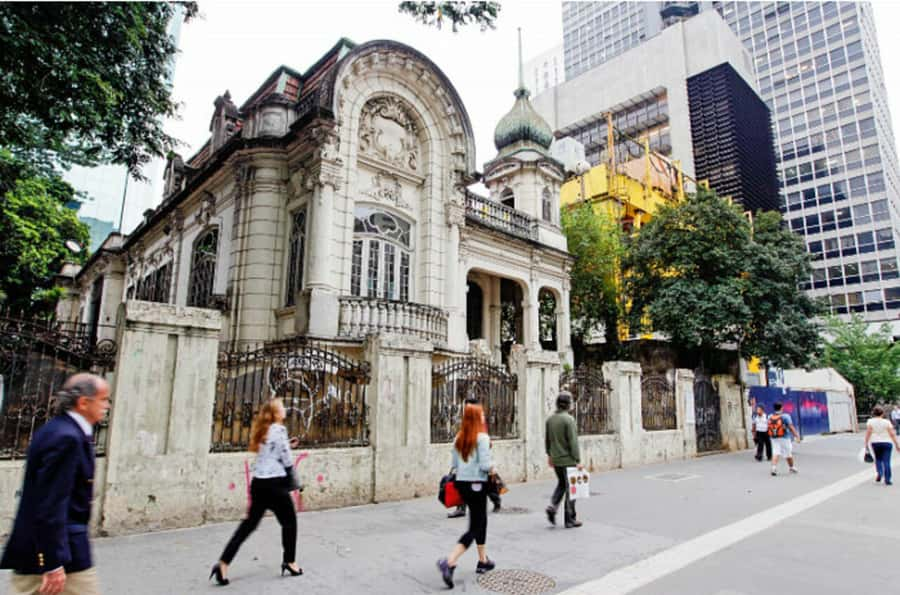
Now the route shifts into the “you came to see these” phase. This is where FIESP Building and São Paulo Museum of Art (MASP) enter the picture. Paulista Avenue is famous for scale, and these spots help you understand why people treat the avenue like a centerpiece.
From MASP, you continue to Trianon Park. Parks are important on a walk like this because they give your eyes a reset. You can step away from facades and street geometry, and the guide can also frame what the park represents in the flow of the avenue.
Then you go up to the July 9 belvedere viewpoint. A viewpoint stop is useful even when you’re not planning to “do” anything there besides looking. You start to see how Paulista connects to the rest of the city, and you get a better sense of distance. It’s the kind of stop that makes later observations click when you recognize the same urban patterns again.
You’ll also see Gazeta Building and Alameda Ministro Rocha Azevedo after that. These are the kinds of landmarks that help you understand the avenue’s mix of media, civic life, and the formal streetscape layout that makes walking feel structured even when traffic is loud.
Augusta Street, Conjunto Nacional, and Livraria Cultura: the human side of Paulista
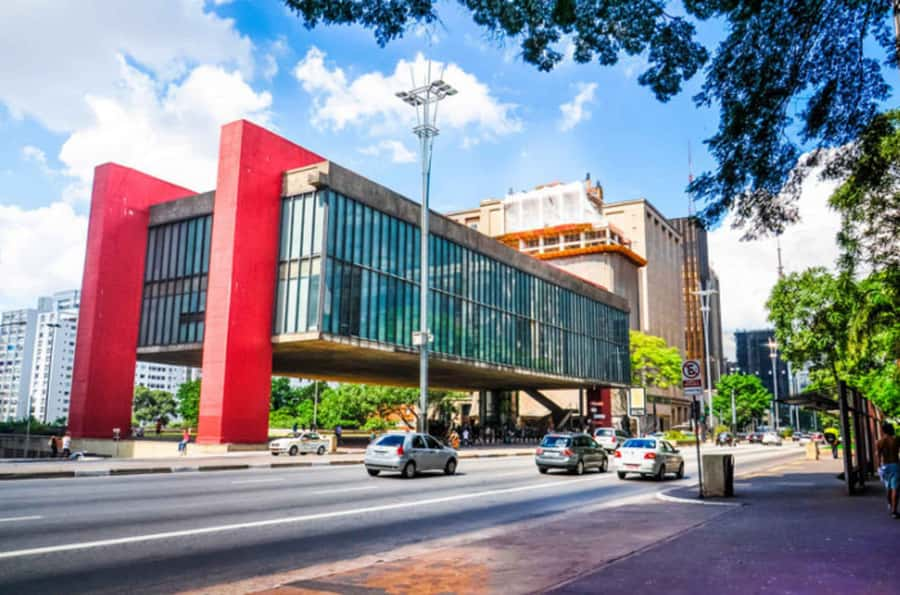
The later half of the tour leans into character. You’ll cover Residência Joaquim Franco de Melo, then head into Augusta Street. Augusta is the kind of name that immediately signals “this is where people go,” and the route placement works. After the big icons and institutional stops, you transition into the more street-level vibe of daily city life.
Next up is Conjunto Nacional and Livraria Cultura. This pairing is a practical win. If you love books, it’s a chance to see how Paulista isn’t only about offices and museums, it’s also about shopping and cultural browsing. Even if you don’t plan on buying anything, a bookstore stop breaks the monotony of facades and gives you a different kind of engagement with the area.
Finally, you finish with the Instituto Moreira Salles. That ending choice feels right because it keeps the tour focused on culture right up to the last stretch. You still get the “what this place means” thread, rather than ending with something unrelated.
Also, the entire route is set up at a smooth pace with several stops. That is a big deal over three hours, because Paulista Avenue can drain energy fast if you’re doing it on your own. On a guided walk, the time is used efficiently: you get context when it’s useful, and you get breaks when your legs and eyes need them.
Staying comfortable on a 3-hour Paulista walk
A 3-hour walking tour sounds simple, but comfort decides how much you enjoy it. You’ll want comfortable shoes since the tour is walking-heavy. Wear sunglasses and sunscreen because the route is outside, and it runs in all weather.
This tour also operates in all conditions, so plan for rain as well as sun. The guide keeps the flow, but you’re still outdoors. If you know you walk slowly, start with the mindset that you’ll be moving steadily and pausing for the planned stops.
The best part is the rhythm: multiple photo opportunities, short contemplative pauses, and time for exploring. There’s even a bit of snack time and time for light souvenir shopping. That makes the tour feel less like a long lecture with stops, and more like a guided stroll where the story lands because you have a moment to look.
You also get flexibility in how the tour is handled by the guide. In one case, Doris took a group to other parts of town when Japan House was closed due to construction. That kind of adjustment matters because it protects your day from avoidable delays.
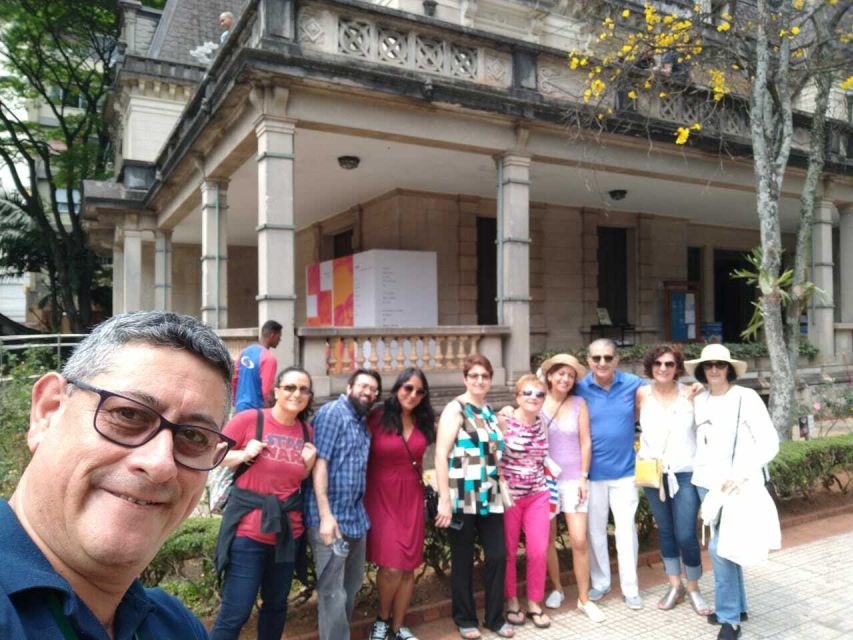
And since this is a private-group tour, the vibe tends to be easier to manage. You don’t feel like you’re in a rush of strangers. For many people, that improves the quality of the questions too, especially when you’re moving through busy areas.
Price and value: what $100 buys you on Paulista Avenue
At $100 per person for a 3-hour guided walk, the value comes from focus and time. You’re paying for a professional licensed guide plus an organized route that hits 18 stops without making you plan each turn.
What’s included is straightforward: a walking tour, a licensed guide, and taxes and handling charges. What’s not included is also important for planning: food and drinks and any entrance fees. Since the tour is not aimed at going into museums and sights that charge admission fees, you should treat this as a “see it and understand it” experience, not a “complete the museum inside” day.
To judge whether this price fits you, ask what you want from Paulista Avenue. If you want a quick, structured way to get oriented and learn the stories tied to major landmarks, this price makes sense. If you want only museums, long indoor visits, or tickets included, you’ll likely feel limited.
Gratuities are optional and not included, so plan a little extra if your guide’s explanations genuinely helped you enjoy the day. That is also where guides can make a measurable difference. Multiple guides have been praised for detailed explanations and for making the walk feel worth repeating later, because you start recognizing the avenue’s layout on your own.
Should you book the Paulista Avenue walking tour?
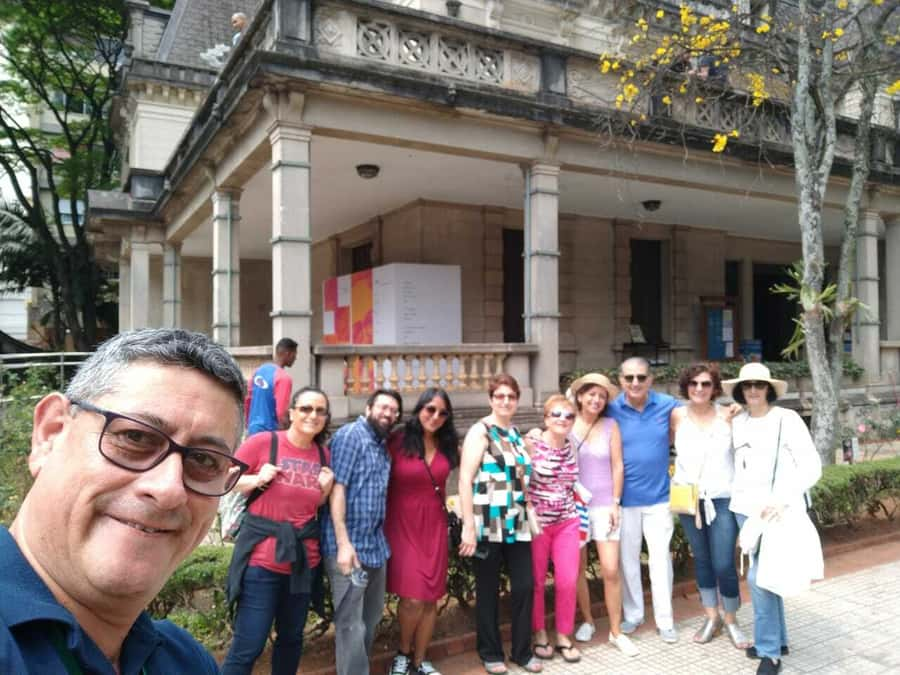
Book it if you want a calm, guided way to understand why Paulista Avenue matters. This is a strong choice for a first visit, for people who like walking with context, and for anyone who prefers seeing a lot without getting stuck in ticket lines.
Don’t book it as your only plan if you want heavy museum time inside ticketed spaces. This tour keeps things outside and organized, so you’ll still need to plan separate paid entries if that’s your goal.
If you’re traveling with limited time but lots of curiosity, this one is built for you. You’ll come away with 18 landmark connections, a clearer mental map, and a better sense of how São Paulo uses this avenue year-round to pull people in.
FAQ
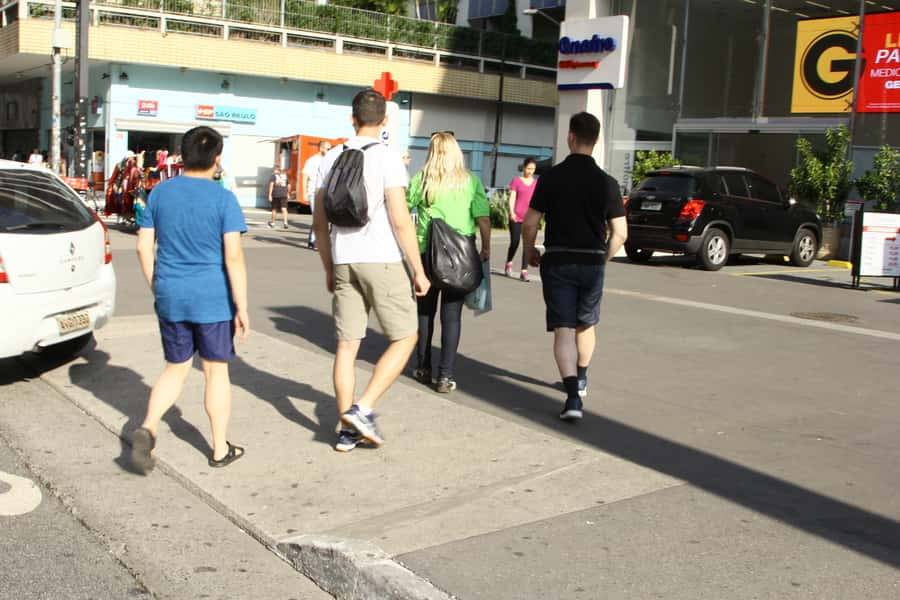
How long is the Paulista Avenue walking tour?
It runs for 3 hours.
Where do I meet the guide?
The meeting point is Japanese House on Paulista Avenue.
Is the tour wheelchair accessible?
Yes, it is wheelchair accessible.
What languages are offered for the live guide?
The live guide is available in English, Spanish, and Portuguese.
Does the tour include museum or attraction entrance fees?
No. The tour is not aimed at entering museums and other sights that charge admission, and entrance fees are not included.
Is food and drinks included?
No. Food and drinks are not included. The tour includes stops along the way for pictures and breaks, but you’ll need to handle meals separately.
Sao Paulo City Tours, compared.
 ★ 4.9Main City Sights in 7 Hours – Shared Group TourFrom $85587 reviews
 ★ 4.5City Highlights Guided TourFrom $66307 reviews
 ★ 4.8Private São Paulo City TourFrom $300264 reviews
 ★ 4.9Downtown Historical Bike TourFrom $85191 reviews
 ★ 4.7Santos, São Vicente & Guarujá Day TripFrom $110165 reviews
 ★ 4.5City Tour Meet São Paulo Half-DayFrom $67150 reviews
 ★ 4.9Bar and Street Art Crawl with Local GuideFrom $43102 reviews
 ★ 5.0São Paulo 5 Hour Private Tour With Fruit TastingFrom $16193 reviews
Browse the lists this tour appears in