
REVIEW · SAO PAULO CITY TOURS
8-Hour Private Tour São Paulo: Major Tourist Attractions–Optional Airport Pickup
São Paulo in one day can feel intense. This private 8-hour tour strings together the city’s biggest postcard sights, with an optional upgrade for Guarulhos Airport (GRU) pickup.
I especially like two things: the licensed guide quality (I saw praise for guides such as Laura, Bruno, Danilo, and Gilbran), and the way the route gives you a true sense of scale fast.
The main drawback is the pace. It is a busy day with short stops, so if you want long sits and slow wandering, this might feel a bit rushed, and entrance fees plus food are not included.
In This Review
- Key Highlights That Make This Tour Worth Your Time
- A Private 8-Hour Circuit That Actually Fits Real Schedules
- Ponte Octávio Frias: The X-Shape 138-Meter Postcard Bridge
- Ibirapuera Park: Lakes, Museums, and the Monument to Early Settlers
- MAC USP and the 360º View Over the City
- Liberdade to Sé Square: Japanese Flavor, Then Medieval-Style Awe
- Jesuits, Monastery Life, and Central São Paulo’s Big Buildings
- Estação da Luz and Mercado Municipal: Trains, Immigrants, and Brazil on a Plate
- Paulista Avenue, Jardins, and 25 de Março: One Walk, Several Versions of Modern São Paulo
- A Neo-Colonial Ceiling, Europa Ave Luxury, and Jardim Europa Mansions
- Batman Alley and Vila Madalena: Street Art That Keeps Moving
- Price, Value, and Who This Private Day Works Best For
- Should You Book This São Paulo Private Tour?
- FAQ
- How long is the private tour?
- Is this tour private?
- Are entrance fees included?
- What is included in the price?
- Can I add airport pickup from Guarulhos (GRU)?
- Is food included during the tour?
Key Highlights That Make This Tour Worth Your Time
- Ponte Octávio Frias de Oliveira: the 138-meter, X-shaped bridge with two independent curves
- Ibirapuera Park: lake, fountain, and top museums in one of São Paulo’s best-known parks
- MAC USP Ibirapuera: a 360º view facing the park
- Liberdade: Japanese neighborhood feel and a weekend art, craft, and culture fair
- Sé and central São Paulo: cathedral, Jesuit founding roots, monastery visits, and major cultural buildings
- Vila Madalena and Batman Alley: street art murals that change over time
Another angle on Sao Paulo
A Private 8-Hour Circuit That Actually Fits Real Schedules
This is designed for people who want to get their bearings quickly in São Paulo. You get a private guide and a fully equipped vehicle, so you are not spending half the day figuring out transit, chasing tickets, or guessing where the best photo spots are.
The tour also gives you choice in tour times to match your day, which matters in a city where traffic can mess with plans. There is also an optional airport pickup upgrade at Guarulhos (GRU), plus pickup and drop-off within the wider São Paulo area limits. If you are arriving from the airport or heading back soon, that convenience is a big part of the value.
One more practical detail I like: the day includes VAT, taxes, and parking during stops, plus an airport greet and meet service. That means fewer surprise add-ons that can pop up once you are already on the clock.
Ponte Octávio Frias: The X-Shape 138-Meter Postcard Bridge
The day starts with a stop at one of São Paulo’s signature sights: the suspended bridge in an X-format, measuring 138 meters. The standout trivia is that it is the only bridge in the world formed by two lanes in independent curves. That is not just a fact for brochures. It helps you notice what makes the structure different, even from a quick stop.
Because this kind of landmark is built for photos, you get a clean start point for understanding the city. It is also a good mental warm-up: once you see this bridge, other “must-see” buildings in the center and along major avenues start to make more sense.
What to watch for: the bridge stop is short. You will get the look, but you will not get an all-day photo shoot here. If you care a lot about angles, arrive with a clear idea of what you want to capture.
Ibirapuera Park: Lakes, Museums, and the Monument to Early Settlers
Ibirapuera Park is one of the biggest reasons people love São Paulo. This stop includes the lake and water fountain vibe, and it is also noted as elected by The Guardian magazine as the best park in the world. That is a bold claim, but the setting is undeniably iconic for anyone who wants to see how “green space” can still feel urban and cultural here.
You also have art built into the visit. The park is tied to several major art museums, including MAC, MAM, and the Afro-Brazil museum, and the tour highlights how the park’s art scene helped it win that recognition. Even if you do not plan to go inside every museum, knowing what exists there makes the park feel more than just pretty landscaping.
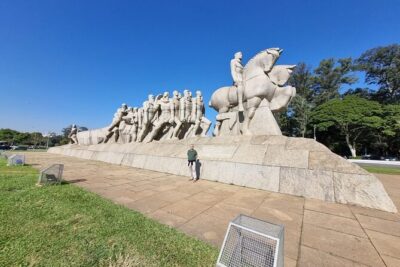
Then comes the Monument to the early settlers, one of the city’s famous postcard images. It is a quick hit, but it adds context to the story of where São Paulo came from and why central monuments matter here. Expect the time to be short, around 15 minutes for this kind of exterior-focused stop.
Just your group, other picks
- Private São Paulo City Tour
★ 4.8 · 264 reviews - São Paulo 5 Hour Private Tour With Fruit Tasting
★ 5.0 · 93 reviews - 8-Hour Private Tour São Paulo: Major Tourist Attractions–Optional Airport Pickup
★ 5.0 · 79 reviews - São Paulo City: 5-Hour Private Tour
★ 4.9 · 77 reviews - Half-Day City Private Tour of São Paulo from GRU airport or any hotel
★ 4.0 · 76 reviews
MAC USP and the 360º View Over the City
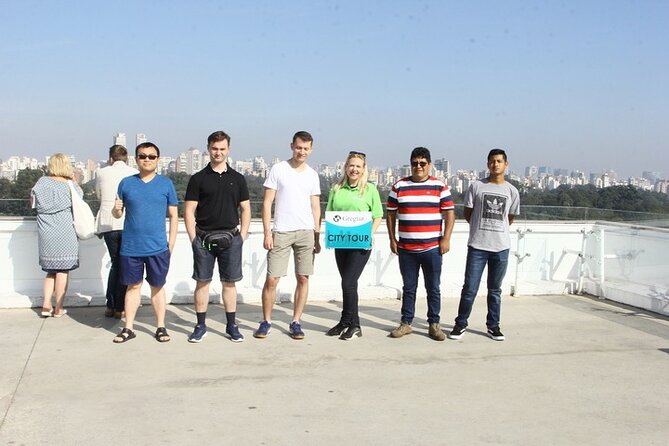
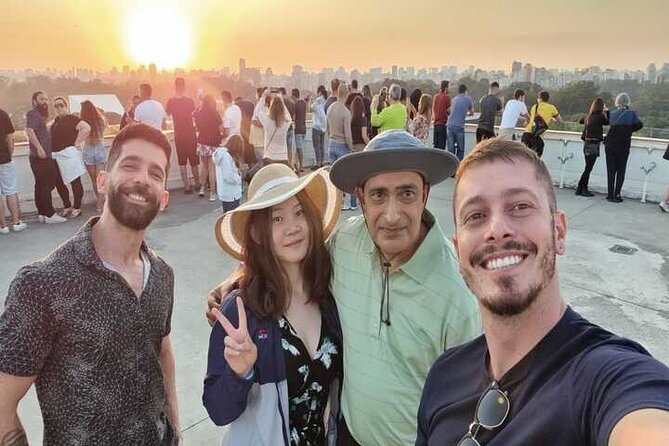
From Ibirapuera, the tour moves to the Museum of Contemporary Art at USP Ibirapuera, or MAC. The big reason to include it is the 360º view facing the park. It is exactly the kind of stop that helps you read the city from above, especially if you have never been here before.
The time set aside is about 30 minutes. That is enough to take in the skyline, locate landmarks visually, and get your “map brain” working for the rest of the day. If you like architecture and city planning, you will appreciate being in the same spot where the city looks like it has been planned in layers.
If the weather is not cooperating, you might want to shift your focus from long skyline gazing to the immediate angles and the park views. The value is still there, but your photo results may vary.
Liberdade to Sé Square: Japanese Flavor, Then Medieval-Style Awe
Liberdade is São Paulo’s Japanese neighborhood feel, and the tour gives you a clear reason to go beyond taking a street photo. It is where a weekend art, craft, and culture fair takes place, so you get that sense of lived culture rather than just a themed district.
There is also a visual detail I like: the lighting poles are described as characterizing the region with Japanese-style lamps. Those small touches are what make a neighborhood feel real, not staged.
Then you head toward the center and the historic core. Sé Cathedral is inspired by medieval European churches and marks the center of São Paulo at Sé Square, one of the busiest areas of the city. The contrast is interesting: Japanese neighborhood lighting and fair energy on one side, then a heavy, imposing church presence in a constant traffic hub on the other.
The practical thing to know is that central points are busy. You will likely spend more time moving and orienting than standing still. Bring a calm pace mindset.
Jesuits, Monastery Life, and Central São Paulo’s Big Buildings
One of the more meaningful stops in the day is the historic site and museum connected to São Paulo’s founding. The tour frames it around Jesuits building the first school with the intention to teach and catechize local people, and then notes that centuries later São Paulo became the largest city in the Southern hemisphere. Even if you do not read every plaque, the story adds weight to the physical location.
Next is the San Benedictine Monastery. This is one of those stops that can work even if you are not religious. The building is known for hosting Pope Benedict XVI during his visit to Brazil, and it is linked to Gregorian chants during masses. The tour also mentions a very tangible side of monastery life: breads, cakes, cookies, and jams made by the monks themselves, with recipes described as secular.
After that, you move through a cluster of major built landmarks. You have the stop for the world’s largest vertical garden along its walls, then a visit tied to the Matarazzo Industries headquarters. That building is described as inaugurated in 1939, designed by Marcello Piacentini, noted as the favorite architect of Benito Mussolini. You do not need to be an architecture buff to appreciate why this matters: it is a physical reminder that São Paulo has long pulled international influence into local power structures.
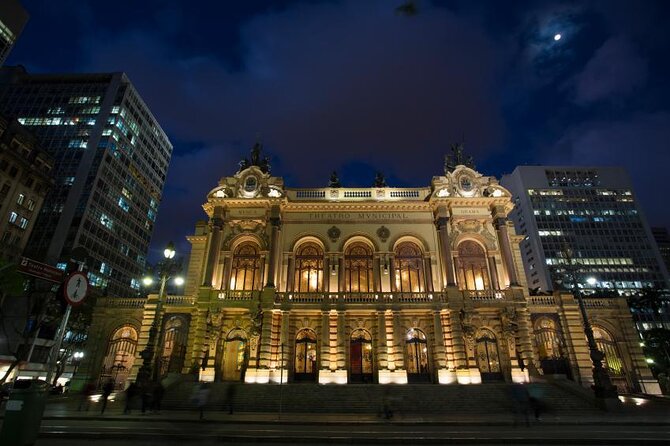
The tour also highlights the Municipal Theater as a major cultural landmark, tied to major events like the Week of Modern Art of 1922. Close by is Julio Prestes station, a historical train station that also works as a concert house for the São Paulo Symphonic Orchestra.
All of this is a lot to pack into one day, but it gives you a usable mental framework: São Paulo’s identity is built from culture, institutions, and public spaces.
Estação da Luz and Mercado Municipal: Trains, Immigrants, and Brazil on a Plate
The day includes Estação da Luz, a gateway shaped by Brazil’s immigration story. The tour explains that over the past century it became a transit point for millions of immigrants arriving by train after landing at Santos. That wave of people is described as helping upgrade a small town into the metropolis São Paulo became across the 20th century. It is history you can sense in how the building functions, even without reading every detail.
Then you move to Mercado Municipal de São Paulo. This is one of the stops that feels like sensory payoff. The market is presented as a must-see, and the description is basically a shopping and snacking map: fruits, nuts, wines, cheeses, beers, and more. The tour also frames it as a summary of Brazil, which is a good way to think about it. You are not just looking at food. You are seeing how local tastes and imports sit side-by-side.
The market time is about 40 minutes, so it is enough to browse, pick up a few things if you want, and still keep moving with the group. Just plan on skipping a long sit-down meal because food is not included in the tour price.
Paulista Avenue, Jardins, and 25 de Março: One Walk, Several Versions of Modern São Paulo
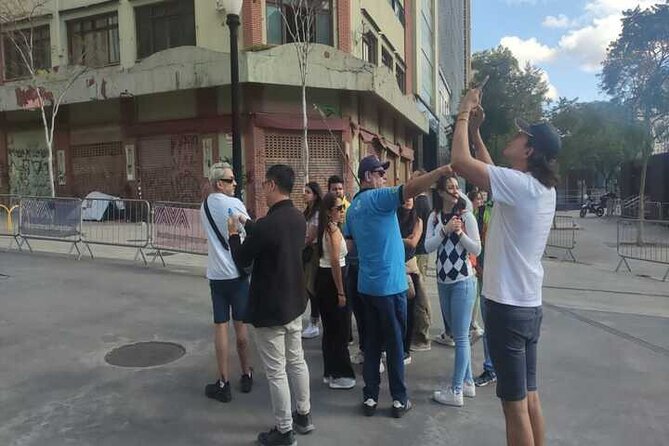
Next up is Paulista Avenue, one of the city’s defining corridors. The tour sets aside about 15 minutes, framed as a guided walk where the history can feel mind-blowing with an expert guide. Even though it is short, a guided walk helps you notice what you would otherwise overlook, like why these buildings and institutions matter.
Then comes Jardins, described as elegant and significant, with leisure, entertainment, culture, fancy shopping, restaurant options, and hotel chains. It is the polished side of São Paulo, and it pairs well with the Paulista Avenue energy because it feels like the same story told in a different font.
You also get 25 de Março Street, where shoppers go for good prices and a huge number of stores. The tour states it receives about 400 thousand people daily, and that it has 5,000 registered stores offering everything from tchotchkes to sewing supplies. If you like watching how a city trades and negotiates, this stop is a strong people-watching zone.
Practical tip: because so much is packed into the day, keep your purchases light unless you know exactly what you want. You will still be moving neighborhoods afterward.
A Neo-Colonial Ceiling, Europa Ave Luxury, and Jardim Europa Mansions
Paroquia Nossa Senhora do Brasil is another visually dramatic stop. The tour describes it as Sistine-chapel-like, with painted ceilings that are breathless, and inspired by Brazilian and Portuguese baroque temples. The architectural style is described as neo-colonial, popular in São Paulo architecture from the 1920s and 1930s. Even with a short visit, this kind of interior art stops you in your tracks.
Then the tour shifts tone toward Europa Ave, known for imported car dealerships like Ferrari, Lamborghini, Maserati, and Bentley. That is a very specific type of São Paulo, and it can feel worlds away from older neighborhoods you have already seen.
Jardim Europa is the next contrast. It is described as surrounded by luxurious mansions of bankers, politicians, industrialists, entrepreneurs, and football players. Again, this is about variety. You are not just chasing “old world” charm. You are seeing how wealth, influence, and status shape the city’s geography.
None of this is a deep linger day, but these stops help you understand why São Paulo feels like multiple cities stacked together.
Batman Alley and Vila Madalena: Street Art That Keeps Moving
Vila Madalena is where the tour turns artistic. It frames the neighborhood as a cultural hub for artists, private art galleries, and studios, plus street art hotspots. Then you get the headline street art stop: Batman Alley.
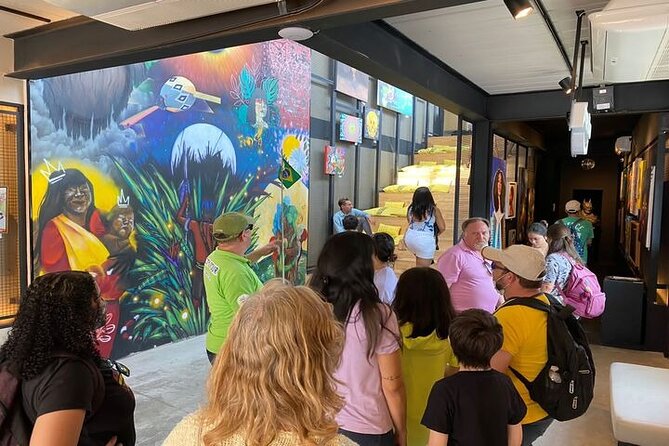
The alley is described as a stretch of high-walled residences in Vila Madalena where virtually no surface is left untouched. The murals are said to be some of the most impressive spray paint murals around, and the tour notes that because street art changes, you can see something striking even on a repeat visit.
This stop is about 30 minutes, which is enough time to scan walls for different styles and layers. It is also long enough to find your favorite mural without feeling pressured to rush. If you are the type who likes photography, street art, and walking more slowly for details, this is one of the most satisfying parts of the day.
Oscar Freire Street rounds it out with a shopping edge. The tour describes the area as known for luxury stores, and it also points out something useful: not everything is necessarily crazy expensive. Some status-focused positioning plus discounting on stranded products from larger chain stores can work in your favor. That is the kind of local note that makes a tour more helpful than a simple sightseeing checklist.
Price, Value, and Who This Private Day Works Best For
At $254 per person for about 8 hours, you are paying for three things: a licensed guide, private transportation, and the ability to move efficiently through major neighborhoods. The value lands best if you want to avoid coordination headaches and you care about interpretation, not just photos.
This is especially sensible for first-time visitors who want the city’s biggest anchors in one day, or for anyone with limited time. The route covers park life at Ibirapuera, central history around Sé, market culture at Mercado, and street art in Vila Madalena. That mix is hard to replicate on your own without spending extra time on logistics.
Where the value may feel less perfect is if you want slow, long visits. The tour is built for “see and understand,” with many stops designed as quick time windows. You will likely spend less time in each location than you would on a solo day.
Should You Book This São Paulo Private Tour?
I would book it if your priority is speed with context. You want to learn what you are seeing, and you want it arranged so you do not burn time figuring out how to stitch together São Paulo’s top neighborhoods.
Skip it or consider another format if your style is slow and unstructured. This day is packed with landmarks, from the X-shaped bridge to MAC’s 360º view and on to Batman Alley.
One final nudge: the strongest praise here is for guides who answer questions and bring the city to life. If you care about that kind of interaction, this tour’s track record for guide quality is a real reason to trust the experience.
FAQ
How long is the private tour?
It runs for about 8 hours.
Is this tour private?
Yes. It is a private tour, meaning only your group participates.
Are entrance fees included?
No. Entrance fees are not included. The tour is designed so it is not aimed only at paid attractions, and several stops are listed with free admission.
What is included in the price?
You get transport in a fully equipped vehicle, a professional licensed private tour guide, VAT and all taxes, parking fees during stops, and airport greet and meet service, along with hotels and airport pickup and drop-off within São Paulo and its greater area limits.
Can I add airport pickup from Guarulhos (GRU)?
Yes. Pickup at Guarulhos Airport (GRU) is offered as an optional upgrade.
Is food included during the tour?
No. Food and drinks are not included.
More Tour Reviews in Sao Paulo
Sao Paulo, Neighbourhood by Neighbourhood
More Tour Reviews in Sao Paulo
Latest from our Sao Paulo notebook
- Special tour 8 hour (walking tour + nightlife )★ 5.0 · 3 reviews
- São Paulo: Jewish History Downtown Private Walking Tour★ 3.7 · 3 reviews
- São Paulo Food Tour: The Flavors of Brazil★ 4.9 · 3 reviews
- São Paulo: Full-Day Guided City Tour from the Port of Santos★ 5.0 · 3 reviews
- Sao Paulo: City Highlights and LGBTQIA+ Scene Private Tour★ 5.0 · 3 reviews
- São Paulo Carnival Seating with Food, Drinks, & Transfer★ 5.0 · 3 reviews
Sao Paulo City Tours, compared.
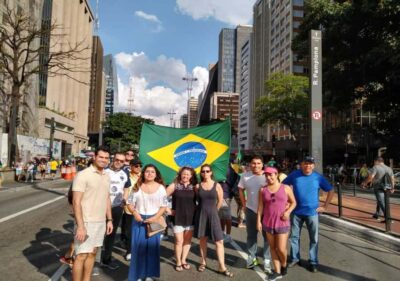 ★ 4.9Main City Sights in 7 Hours – Shared Group TourFrom $85587 reviews
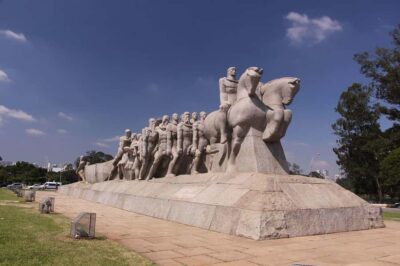 ★ 4.5City Highlights Guided TourFrom $66307 reviews
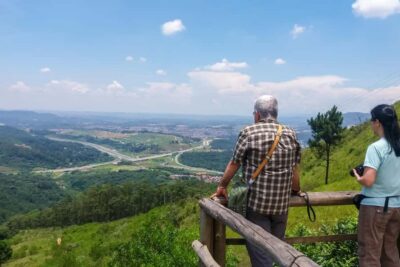 ★ 4.8Private São Paulo City TourFrom $300264 reviews
 ★ 4.9Downtown Historical Bike TourFrom $85191 reviews
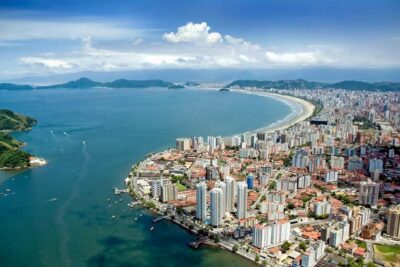 ★ 4.7Santos, São Vicente & Guarujá Day TripFrom $110165 reviews
 ★ 4.5City Tour Meet São Paulo Half-DayFrom $67150 reviews
 ★ 4.9Bar and Street Art Crawl with Local GuideFrom $43102 reviews
 ★ 5.0São Paulo 5 Hour Private Tour With Fruit TastingFrom $16193 reviews
Browse the lists this tour appears in