

REVIEW · SAMBA & CARNIVAL NIGHTS
Rio de Janeiro: Carnaval Backstage Tour and Samba Class
Carnaval in Rio is loud, but the work behind it is quieter. This tour gets you into a samba school to see how costumes are made, then helps you learn samba for real. I especially love the backstage focus on the craft, and the way the samba class makes beginners feel welcome. One thing to know up front, parade floats are not guaranteed depending on timing and what is set up at the school.
If you stay in Leblon, Ipanema, Copacabana, Leme, Botafogo, Flamengo, or Centro, the pickup can save you stress in peak season. Transfers run on a schedule, but in high season traffic and crowd levels can stretch the day a bit. I also like the multilingual live guide team, and one guide named Lucas stood out for mixing big-picture Carnaval context with hands-on moments.
In This Review
- Key Highlights You’ll Actually Care About
- Backstage at a Rio Samba School, Not Just Another Photo Stop
- Hotel Pickup and the 3-Hour Reality of Carnaval Timing
- The Costume Workshop Stop: Where Parade Looks Get Built
- Try-On Time and Photos That Don’t Feel Stiff
- Caipirinha Welcome: A Simple Treat With Cultural Weight
- Samba Class: Learning the Steps Without Feeling Out of Place
- Seeing Parade Floats: A Timing-Based Expectation Check
- Price and Value: Why $58 Can Work for the Right Traveler
- What to Wear and Bring for Samba, Photos, and Comfort
- Who This Tour Fits Best
- Book It or Pass: My Decision Checklist
- FAQ
- How long is the Rio de Janeiro Carnaval Backstage Tour and Samba Class?
- What is included in the price?
- Is any food included?
- Do you offer hotel pickup?
- What languages are the tours offered in?
- Is free cancellation available?
- Can I reserve now and pay later?
- Will the tour be longer during Carnaval high season?
- Is the tour wheelchair accessible?
- Where does the tour focus during the visit?
Key Highlights You’ll Actually Care About
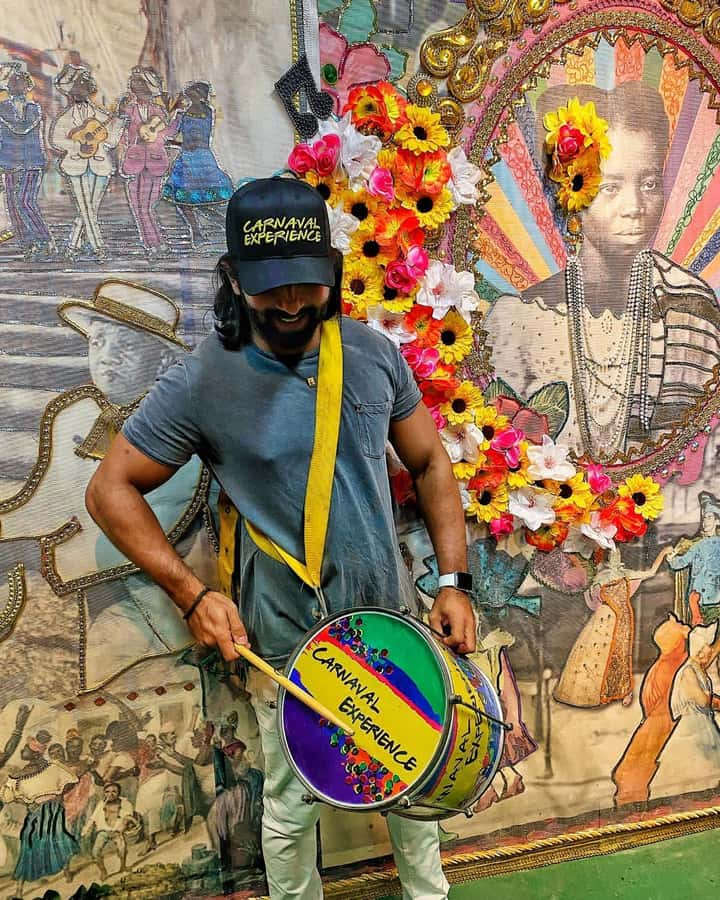
- Backstage workshop access to see how costume looks get created for the parade
- Try on carnival costumes and take photos that feel more than staged
- Welcome caipirinha to set the mood right away
- A guided samba class that works even if you have two left feet
- Reliable hotel transfers to and from many Rio neighborhoods
Nights that run long in Rio De Janeiro
Backstage at a Rio Samba School, Not Just Another Photo Stop
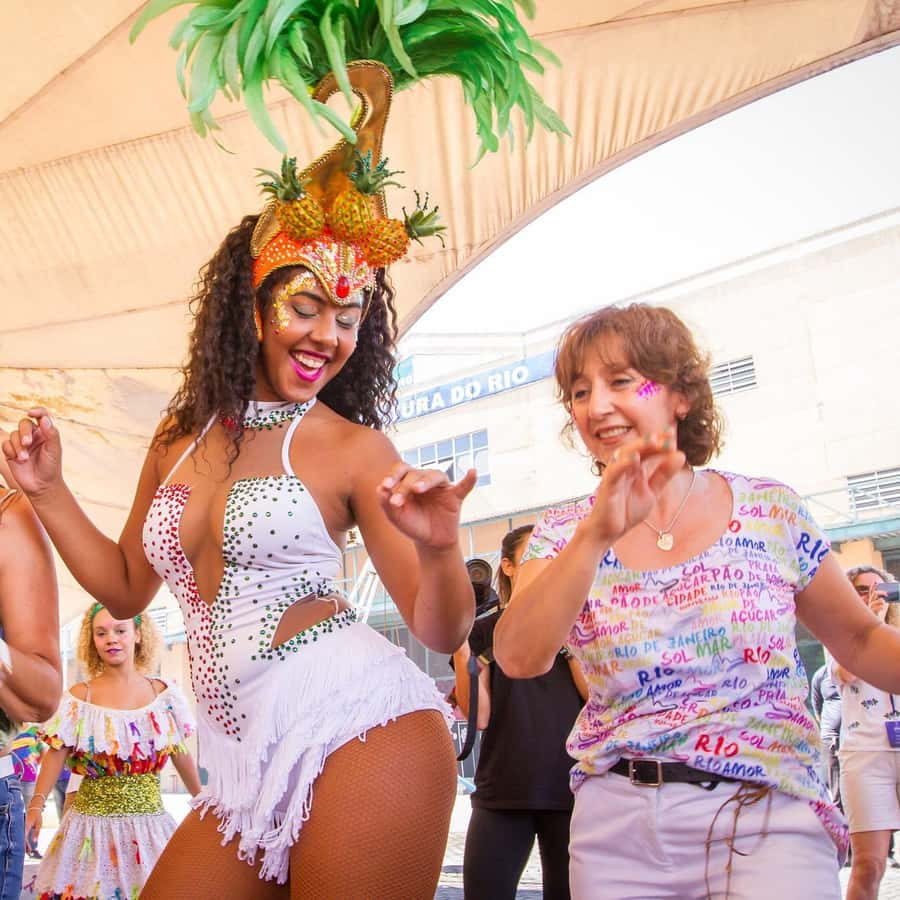
Carnaval in Rio looks effortless from the street. Up close, it’s engineering, sewing, and teamwork. This is why I like this experience: you’re not only watching the dream, you’re seeing the process that turns fabric, paint, and imagination into parade-ready costumes.
You’ll be taken to a major samba school in Samba City, described as one of Rio’s top schools. That matters. Big schools usually have more going on behind the scenes, from costume planning to the practical realities of getting thousands of details finished. You should come ready to look closely, ask questions, and accept that the “pretty costumes” are built through a lot of labor.
Hotel Pickup and the 3-Hour Reality of Carnaval Timing
The tour is about 3 hours long, but Rio doesn’t always cooperate. Your experience starts with hotel pickup and then a direct transfer to the samba school. This is a real value add because you avoid the most annoying part of Carnaval logistics, figuring out transport while streets are packed.
One practical detail: if you book during peak season, plan for the tour to run longer than the headline time. Traffic and crowds can slow vehicles and shift timing between stops. That doesn’t mean the tour is worse, it means you should keep your expectations flexible.
Pickup is available from most hotels in Leblon, Ipanema, Copacabana, Leme, Botafogo, Flamengo, and Centro. If you’re outside these areas, you’ll need to confirm options with the provider. If you use a wheelchair or have reduced mobility, notify them in advance. Access is described as subject to availability, so don’t leave that to chance.
The Costume Workshop Stop: Where Parade Looks Get Built
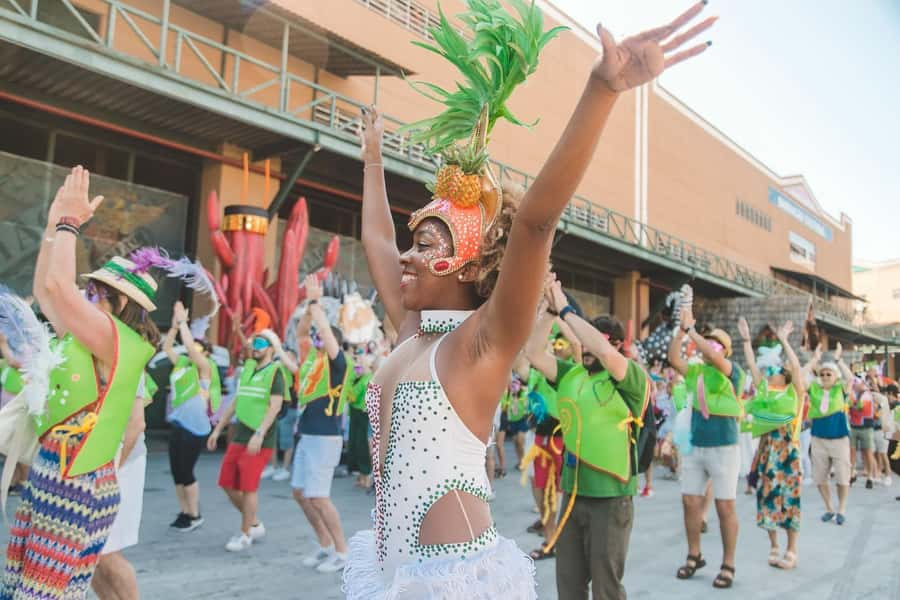
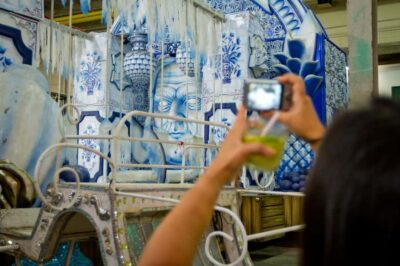
The heart of the visit is the workshop where costumes are created. This is where you’ll see the behind-the-scenes side of Carnaval that most people miss. Instead of just admiring costumes at a distance, you’ll watch the craftsmanship and learn what goes into the parade identity of each school.
You should pay attention to how costumes are assembled and styled, because that design logic shows up everywhere during Carnaval. Colors, shapes, materials, and the overall silhouette all matter. In other words, a costume isn’t just decoration. It’s the visual language of the school’s theme.
I also like that you get history and cultural context along the way, not as a lecture dump. A good guide ties what you see in the workshop back to why samba schools matter in Rio. One example from the experience: guide Lucas was praised for exactly that blend, history plus personal immersion.
Hands-on sessions around Rio De Janeiro
- Rio de Janeiro: Samba Class and Samba Night Tour
★ 4.6 · 115 reviews - Rio: Caipirinha Workshop and Samba Class
★ 4.8 · 113 reviews - Surf lessons with local instructors in Copacabana/ipanema!
★ 3.6 · 31 reviews - Rio Experience: Caipirinha Workshop (2 Caipis) + Funk Class
★ 4.8 · 22 reviews - Rio de Janeiro: Carnaval Backstage Tour and Samba Class
★ 4.1 · 14 reviews
Try-On Time and Photos That Don’t Feel Stiff
The tour includes a costume try-on. For me, this is one of the most fun parts because it turns the workshop experience into something you can physically connect to. You’re not just watching artisans work, you’re stepping into the look and feeling how the costume transforms your presence.
This is also where your camera skills matter. Don’t wait until the last minute. Try on the outfit, stand in a good light spot, and take a few photos from different angles. If you’re traveling as a pair, one person can pose while the other adjusts details and gets the timing right.
A small note to keep your expectations grounded: depending on when you go, the workshop flow might focus more on preparation than on full parade setpieces. Still, the try-on itself is a clear win and makes the visit feel memorable.
Caipirinha Welcome: A Simple Treat With Cultural Weight
You’ll get a welcome caipirinha, Brazil’s national drink. This isn’t a random add-on. It’s a quick way to pull you into the Carnaval mood right as the tour begins.
Caipirinha is also handy because it’s not a complicated food decision. You don’t have to wonder what to order or how it will fit with a busy 3-hour plan. Just enjoy it as part of the rhythm, then refocus on the workshop and class.
One more practical point: additional drinks are not included. So if you’re planning to buy more, set that budget aside before you arrive.
Samba Class: Learning the Steps Without Feeling Out of Place
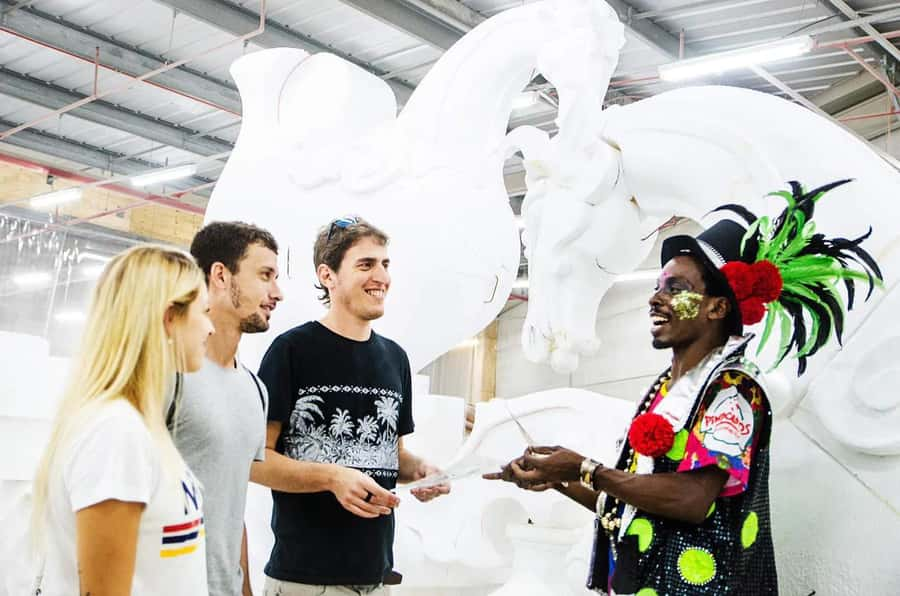
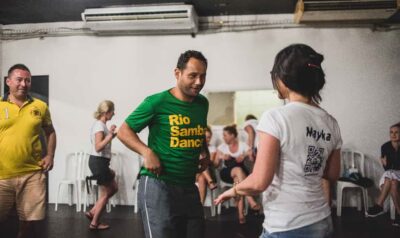
After the workshop, you move into a samba class. This is the second half that makes the tour more than sightseeing. The goal is simple: learn samba with expert instructors and leave with muscle memory, even if you started as a total beginner.
What I like about this structure is that you get contrast. First you see the craft side of Carnaval, then you try the performance side. Samba schools are both cultural institutions and dance academies, and this class helps you understand that connection.
The key is instructor-led guidance. You can focus on basic steps, posture, rhythm, and how your body fits into the movement. If you’ve never done samba, this is the kind of class that usually gives you a confidence boost. You’re not expected to be perfect, you’re expected to participate.
One consideration to keep in mind: samba time can feel brief in some setups. If your visit is scheduled when the school has other priorities, you might get less of the longer parade-style teaching than you hoped. Still, it’s the practical, guided learning moment the tour is built around.
Seeing Parade Floats: A Timing-Based Expectation Check
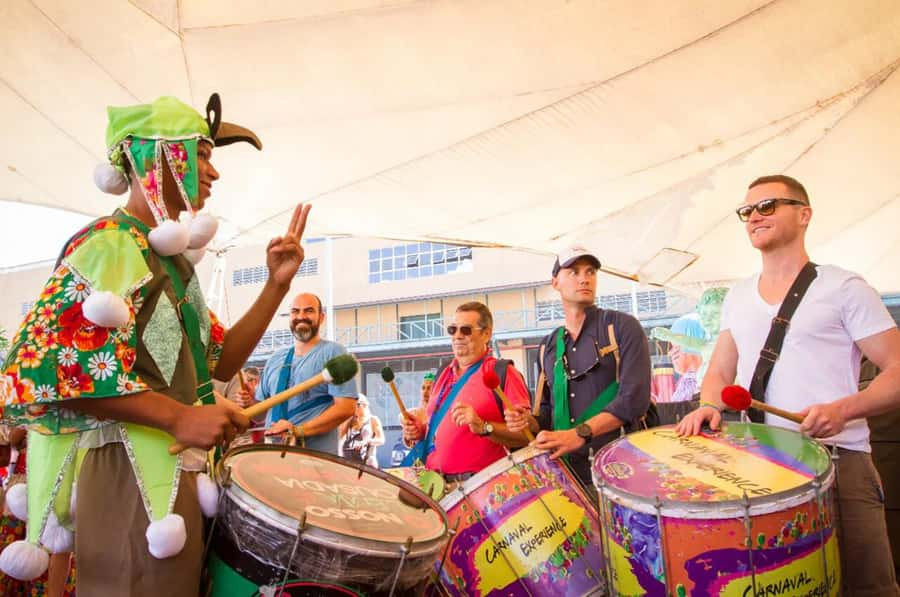
This is the one place you should manage expectations. Parade floats and large parade set elements are not guaranteed as part of the tour itself. In practice, your experience may be more “preparation and costumes” than “full parade spectacle,” especially if you’re not in the middle of the carnival schedule.
That said, timing can help. One experience shared that shortly after the previous season, many of the impressive parade elements could still be seen. So you might get lucky and catch extra visual highlights around the school. But don’t count on it as the main promise. Treat that as a possible bonus, not a core requirement.
Price and Value: Why $58 Can Work for the Right Traveler
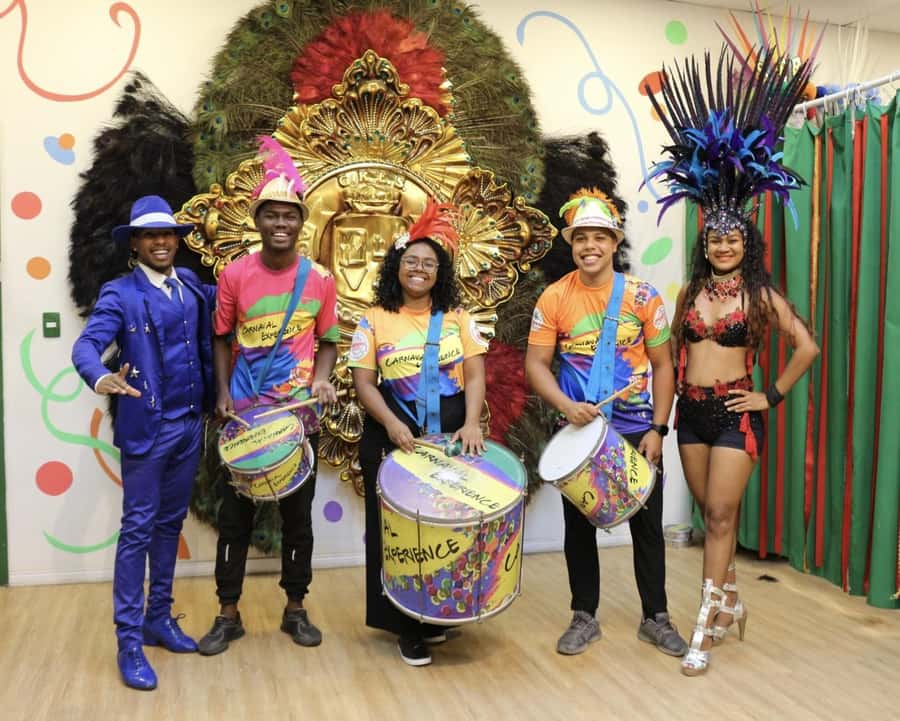
At $58 per person for about 3 hours, the question isn’t whether it’s cheap. It’s whether the package is a smart use of time and energy in Rio.
Here’s what you’re paying for, based on what’s included:
- hotel pickup and drop-off
- a live tour guide
- entrance ticket
- a welcome caipirinha
That’s a lot of “hidden costs” you’d otherwise handle yourself: transport time, finding the venue, entry logistics, and a guide to translate what you’re seeing. The entrance ticket and guided access are especially important in a place like a samba school, where understanding the process and context is half the value.
You do still have to plan for what’s not included: additional drinks, plus desserts and snacks. If you’re hungry after the tour, you’ll want to budget for a meal on your own.
When I think about value for this one, I look at two things: time saved and experience depth. If you want both backstage access and hands-on samba learning in one tidy block, this price looks fair. If you only want to watch a full parade show, you might want a different kind of tour.
What to Wear and Bring for Samba, Photos, and Comfort
This tour is active, even if it’s not extreme. You’ll be moving between areas in the school and then doing samba steps. Wear comfortable shoes that won’t sabotage your footing. Dress for heat and humidity, since Rio can feel heavy even in “not summer” months.
For photos, bring a phone or camera you’re comfortable using for close-up shots. Costume try-ons mean you’ll want to capture details, not just full-body pictures. Keep an eye on straps and bags so you’re not constantly adjusting in the workshop.
If you have mobility needs, you already have an action item: notify the provider in advance so they can confirm what access is available for your situation.
Who This Tour Fits Best
This works best for you if:
- you want Carnaval context beyond the street spectacle
- you enjoy hands-on cultural experiences, not just museum-style viewing
- you’re a beginner or casual dancer and want guidance
- you value a clear plan with hotel transfers that reduce stress
It may be less satisfying if you expect a full parade float viewing as the main event. This is a samba school access and samba learning tour, not a guarantee of parade setpieces.
If you’re traveling with someone who loves photos but you want more than selfies, the try-on moment plus the workshop visuals usually hit that balance.
Book It or Pass: My Decision Checklist
I’d book this tour if you want a smart, time-efficient way to connect three pieces of Carnaval: the craft behind costumes, the cultural meaning around samba schools, and the movement of samba itself. The included guide, entrance ticket, caipirinha, and hotel transfers make it a low-friction plan for Rio.
I’d pause and re-check expectations if you’re obsessed with seeing parade floats and you’re going at a time when the school might not have big setpieces on display. In that case, treat the backstage and workshop moments as the main payoff, not parade spectacle.
If you decide to go, do it with a simple mindset: watch closely, try on the costume, then let the class teach you the basics. That combination is what makes this a standout experience for many first-time Rio visitors.
FAQ
How long is the Rio de Janeiro Carnaval Backstage Tour and Samba Class?
It lasts 3 hours.
What is included in the price?
Hotel pickup and drop-off, a tour guide, an entrance ticket, and a welcome caipirinha are included.
Is any food included?
Desserts and snacks are not included. Additional drinks are also not included.
Do you offer hotel pickup?
Yes. Pickup is available from most hotels in Leblon, Ipanema, Copacabana, Leme, Botafogo, Flamengo, and Centro areas.
What languages are the tours offered in?
The live tour guide is available in English, Spanish, Portuguese, Italian, French, and German.
Is free cancellation available?
Yes, you can cancel up to 24 hours in advance for a full refund.
Can I reserve now and pay later?
Yes. Reserve now & pay later is offered.
Will the tour be longer during Carnaval high season?
It can take longer due to traffic and the large volume of people in the city.
Is the tour wheelchair accessible?
You should notify the provider in advance if you have reduced mobility or use a wheelchair, since access is subject to availability.
Where does the tour focus during the visit?
You’ll visit a samba school, see preparations and costume creation in the workshop, try on costumes, enjoy a welcome caipirinha, and take part in a samba class.
More Tour Reviews in Rio De Janeiro
The Long Nights of Rio De Janeiro
More Tour Reviews in Rio De Janeiro
Latest from our Rio De Janeiro notebook
- Unforgettable Boat Party★ 5.0 · 3 reviews
- Tijuca National Park and all its wonders!★ 5.0 · 3 reviews
- Rocinha Jeep Tour: A Journey into the Soul of the Favela!★ 3.8 · 3 reviews
- Rio: Favela Walking Tour of Rocinha with a Resident Guide★ 4.7 · 3 reviews
- Rio: Private, Custom express, Main Attractions!★ 5.0 · 3 reviews
- Rio: Museum of Tomorrow, Yup Star & Olympic Boulevard★ 3.7 · 3 reviews
Samba & Carnival Nights, compared.
 ★ 4.9Beginner Samba Lesson in IpanemaFrom $251,071 reviews
 ★ 4.7Pub Crawl in Lapa with Cachaça Tasting and Live SambaFrom $33881 reviews
 ★ 4.6Carnival Backstage Tour at Samba City with CocktailFrom $27520 reviews
 ★ 3.5Hop-ON Hop-OFF Sightseeing Bus in Rio de Janeiro – Rio Samba BusFrom $30457 reviews
 ★ 4.6Samba Class in CopacabanaFrom $25262 reviews
 ★ 4.7Ginga Tropical Samba and Folklore Show TicketFrom $61231 reviews
 ★ 4.5Ginga Tropical – Brazilian Samba and Folklore ShowFrom $65216 reviews
 ★ 4.4Pedra do Sal: Live Samba Night with Local Guide & DrinkFrom $41183 reviews
Browse the lists this tour appears in