
REVIEW · TIJUCA FOREST TOURS
Rio de Janeiro: Hiking and Rappelling at Tijuca Forest
Tijuca Forest turns the Rio heat into a workout. This full-day adventure combines a guided hike through the Mata Atlântica in Tijuca National Park with a summit rappel at Bico do Papagaio, plus a natural shower stop at Cachoeira das Almas. I like that you get a real expert-led route, not just a walk in the trees, and I also like the payoff view from the second-highest peak in the park. One thing to consider: it is not an easy stroll, with a steep climb and rocky bits, so you’ll want decent fitness and good shoes.
The Tijuca Forest is one of the largest urban forests in the world and it’s a UNESCO World Heritage Site, so you’re not only chasing thrills. You’ll also pause at the visitor center and the park museum, which makes the day feel grounded and meaningful, even when you’re sweating. If you want gentle, flat sightseeing, this probably won’t match your vibe.
The experience runs about eight hours, with optional hotel pickup in supported tourist zones. You’ll be in a small group or private setup, and you’ll get certified climbing equipment and accident insurance. Just note it’s not suitable for people with heart complaints, back problems, or mobility limits, and you can’t wear sandals or flip-flops.
In This Review
- Key Points That Make This Day Special
- Tijuca National Park, Up Close: The “Urban Forest” You Can Hike
- Getting There and Meeting Point Reality (Alto da Boa Vista)
- What Your Day Looks Like, Step by Step
- Trail Start at the Park Gate
- Mata Atlântica Forest Walking
- Visitor Center and Park Museum Stop
- Cachoeira das Almas Natural Shower
- Push Toward Bico do Papagaio and the Steeper Climb
- Summit Views Before the Rappel
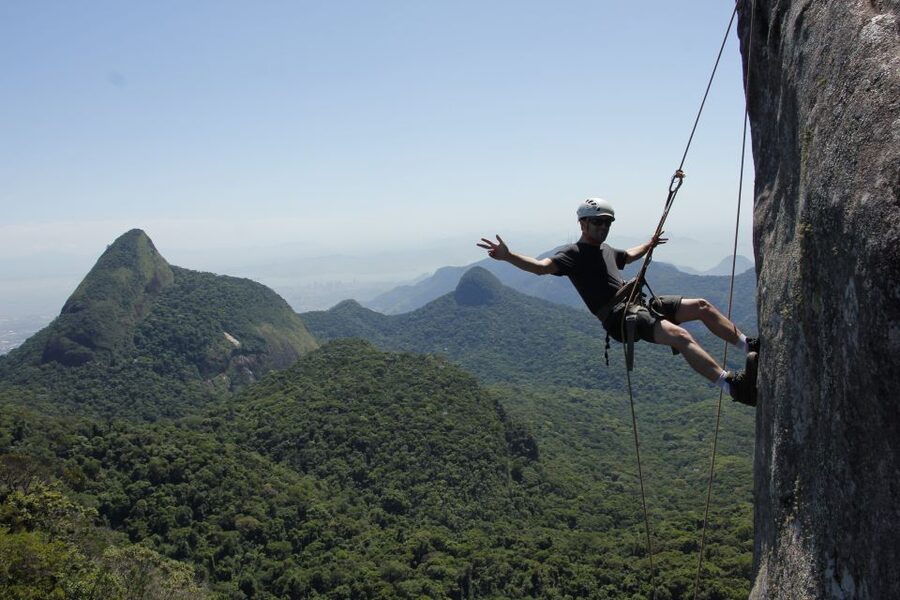
- The Rappel (Abseiling) at Bico do Papagaio
- The Guides Matter More Than You Think
- What’s Included, and Why It Changes the Value
- Fitness Check: Who Should Go, and Who Should Skip
- What to Bring (So You Don’t Hate Your Life on Day One)
- Weather and Trail Conditions: The Forest Is In Charge
- The Big Takeaway: What You’ll Remember After the Sweat
- Should You Book This Tijuca Hiking and Rappelling Tour?
- FAQ
- How long is the Rio de Janeiro hiking and rappelling experience?
- What is the main attraction of the tour?
- Where does the tour start and end?
- Does the price include equipment and safety coverage?
- Is hotel pickup available?
- What language is the guide?
- What should I bring, and what is not allowed?
Key Points That Make This Day Special
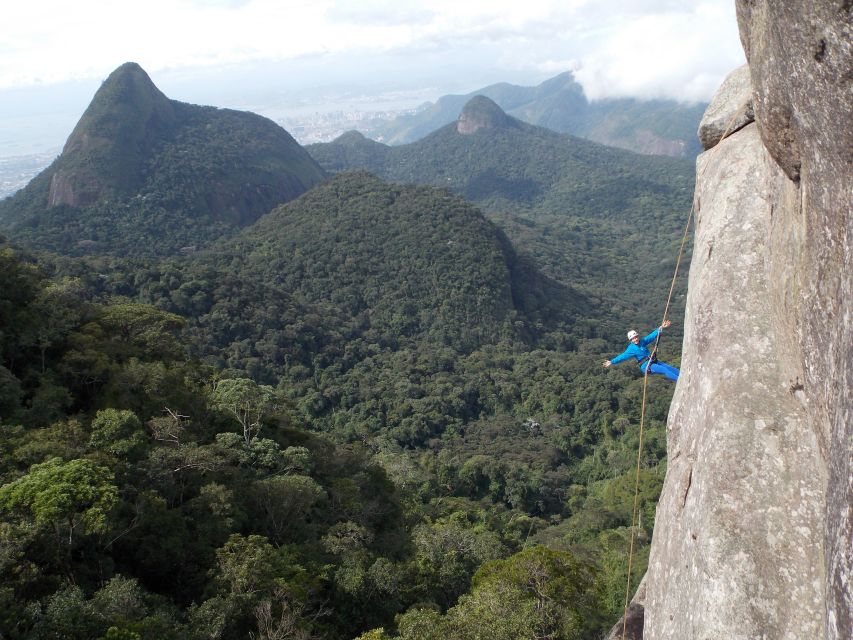
- Bico do Papagaio rappel at the summit gives you an actual adrenaline moment, not just a lookout.
- Guided hike through Tijuca National Park trails gets you to high points that are harder to reach on your own.
- Cachoeira das Almas natural shower is a fun reset, especially after uphill walking.
- Visitor center and park museum stop adds context so the forest feels more than scenery.
- Big-view horizon at the top includes peaks like Pedra da Gávea, Pedra Bonita, and a slice of Corcovado and Cristo Redentor.
Deeper into the Tijuca, trip by trip
Tijuca National Park, Up Close: The “Urban Forest” You Can Hike
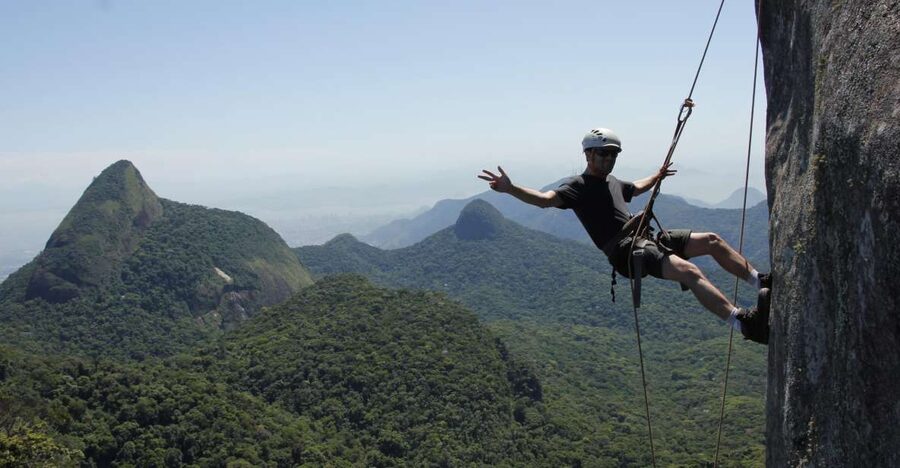
Rio’s view of itself often centers on beaches and viewpoints, but Tijuca Forest is different. This is a huge chunk of Mata Atlântica forest inside the Tijuca National Park boundaries, and it’s also a UNESCO World Heritage Site. The point of that matters for you: this hike is not just about fitness, it’s about spending real time in a habitat that stays surprisingly wild right next to the city.
I like how this tour treats that setting like the main character. You hike through forest trails under expert guidance, then you slow down enough to visit the visitor center and park museum. Even if you’re not a “museum person,” it helps you understand what you’re walking through: the park’s purpose, the kind of landscape you’re in, and why guides insist on respecting the route.
And yes, you still get the adventure piece. The day is built around reaching Bico do Papagaio and then doing the rappel from there. That mix, hiking plus technical descent, turns a forest day into something you’ll actually remember.
Getting There and Meeting Point Reality (Alto da Boa Vista)
The meeting point is Praça Afonso Viseu, 104, in Alto da Boa Vista (Rio). The tour ends back at the same meeting point, so you’re not left to figure out your own logistics after you’re tired.
You can choose hotel pickup, but it’s only for hotels in supported areas in Rio’s tourist zone. If your hotel is not in that zone, plan on making it to the meeting point yourself.
One practical tip based on what you should expect on a day like this: arrive ready. If you show up under-rested, you’ll feel it fast on the climb. Also note the tour length is about eight hours, and the actual order can shift due to weather and trail conditions, which is common in forest environments.
What Your Day Looks Like, Step by Step
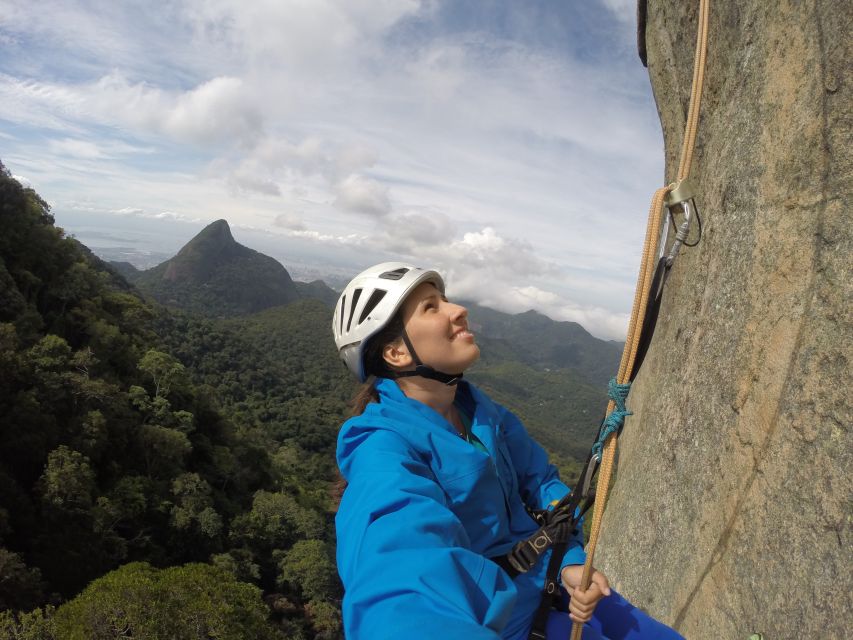
The itinerary is designed to move from “getting oriented” to “forest trekking” to “peak time” and then back down. Here’s how it typically flows.
Longer legs, bigger views
- Rio: Tijuca Forest Small Group Hike to Caves and Waterfalls
★ 4.9 · 536 reviews - Pedra do Telégrafo Hike and Beach Full-Day Tour
★ 4.5 · 417 reviews - Rio de Janeiro: Pedra da Gávea 7-Hour Hike
★ 4.7 · 183 reviews - Rio de Janeiro: Tijuca Forest Challenge Hike Full-Day Trip
★ 4.9 · 163 reviews - Rio de Janeiro: Vidigal Favela Tour and Two Brothers Hike
★ 4.5 · 121 reviews
Trail Start at the Park Gate
The trek begins at the entrance gate of Tijuca National Park. That first stretch is about settling into the route and getting your bearings. You’ll be walking forest paths that lead you toward the Bico do Papagaio area.
This is where you’ll feel the tour’s pacing. It’s not a casual stroll, and it’s not meant to be. You’re building toward the summit rappel, so the day naturally includes uphill climbing and moments where you’ll pay attention to your footing.
Mata Atlântica Forest Walking
After that start, you’ll move through the Mata Atlântica forest. This is the core experience: the air changes when you’re under canopy, and the ground feels different from open-city sidewalks.
This part is also where having a guide matters. A knowledgeable guide (and you want someone who can explain what you’re seeing) keeps you on track and helps you understand what you’re moving through. It also helps with safety when the trail gets uneven.
Visitor Center and Park Museum Stop
Next you’ll reach the visitor center and park museum. This is a real pause in the middle of a physical day.
I like this stop because it turns your “hike day” into a “learn something and then do something” day. The forest is UNESCO-listed, and the museum vibe helps connect the park’s protection to what you experience on foot. Even better, it’s a chance to cool down briefly and refuel mentally.
Cachoeira das Almas Natural Shower
Then comes the fun reset: Cachoeira das Almas. The tour highlights it as a natural shower, and that’s exactly how you should think about it. After sustained climbing, standing near flowing water can feel like a small miracle.
This is also a great moment for a practical move: take the chance to rinse off sweat, then get back on pace. Don’t overstay, though. You still have to reach the base and climb toward the rappel point.
Push Toward Bico do Papagaio and the Steeper Climb
The trek continues as far as the base of the mountain, where the terrain becomes more rugged. Expect a more rugged and steep climb as you work upward.
This is where fitness shows. Reviews and typical feedback for tours like this point to the same truth: the hike is hard, with lots of uphill. If you’re arriving from a laid-back vacation rhythm, plan to slow down your ambition and match the guide’s pace.
Good footwear with grip is not optional here. If your shoes slip on rocks, you’ll spend the day stressed instead of enjoying it.
Summit Views Before the Rappel
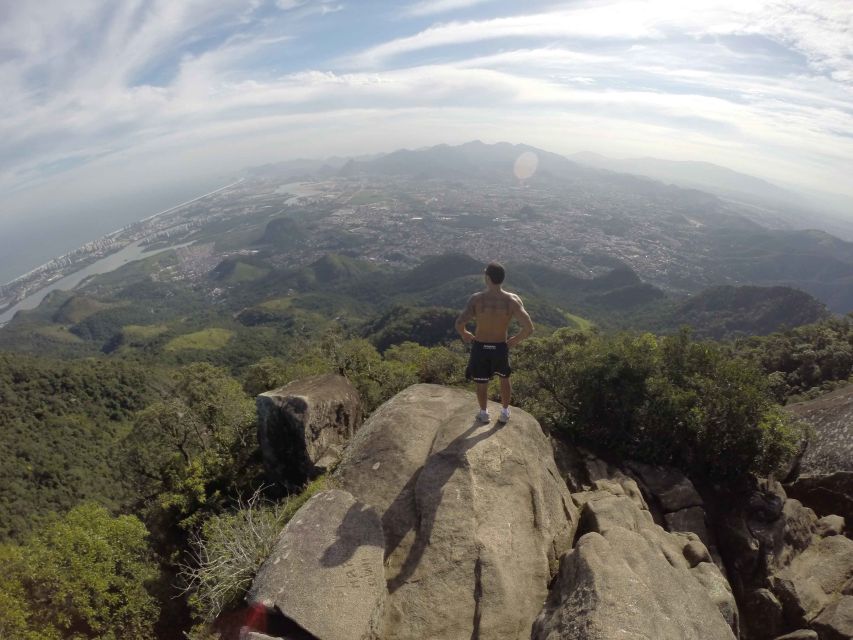
From the summit of Bico do Papagaio, you can take in major peaks in the Tijuca National Park area: Pico da Tijuca, Pedra do Conde, Cocanha, Pedra Bonita, and Pedra da Gávea. You can also see Sumaré and a small part of Corcovado and Cristo Redentor.
Even if you’re not a “huge panorama” person, this view is part of the reward system. You earned it through the climb, and the summit is where the park’s geography starts to make sense.
The Rappel (Abseiling) at Bico do Papagaio
The rappel is done at the summit. That means you’re not just hiking up to a photo spot and calling it done. You’ll use certified climbing equipment provided for local use, and the guides will run the activity as part of your overall route.
This is one of the most highly praised parts of the day, and I get why. You’re trading ordinary sightseeing for a controlled, physical thrill. And because it’s guided and gear is provided, you can focus on doing it safely rather than figuring out rigging on your own.
If it’s your first time with rappelling, take advantage of the guide’s explanations, then follow instructions closely. Your comfort level matters more than speed.
The Guides Matter More Than You Think
This tour includes a professional bilingual guide. Tour language options include Spanish, English, and Portuguese.
One guide name that comes up in feedback is GG. The consistent theme is clear: guides know how to pace people, explain what you’re seeing, and look after your well-being when the hike gets tough.
That matters because Tijuca Forest can be demanding. A strong guide helps you avoid the “I thought I’d be fine” mistake. They also adjust the pace based on your group and the conditions, especially when weather changes trail conditions.
What’s Included, and Why It Changes the Value
At $59 per person for a roughly eight-hour day, the value is less about “cheap thrill” and more about what’s bundled.
You get:
- A professional bilingual guide
- Guided hiking to Bico do Papagaio through several trails in the Tijuca Forest
- A guided visit to the park museum and visitor-center stops
- Natural shower at Cachoeira das Almas
- Certified climbing equipment for local use
- Personal accident insurance
- Optional hotel pickup and drop-off (supported hotels)
Two ways that increases value for you:
- Equipment and insurance reduce risk and reduce hassle. You’re not paying extra to rent gear or worrying you showed up underprepared.
- The day includes both learning moments (museum) and activity moments (rappel). If you’re only chasing views, you might get less satisfaction out of a generic walking tour.
This is also the kind of price where you can justify doing the full day without turning your trip budget upside down. It’s not a luxury splurge, but it’s not a bare-bones hike either.
Fitness Check: Who Should Go, and Who Should Skip
This tour is ideal if you want a real outdoor workout plus an adrenaline segment in one day.
You should consider it if:
- You can handle uphill climbing and rocky trail sections
- You’re comfortable with safety gear and following instructions
- You want an active day that still includes cultural and nature context
You should not plan on it if you have:
- Heart complaints or other serious medical conditions (it’s specifically not recommended)
- Back problems
- Pregnancy
- Mobility impairments or you use a wheelchair (it’s not suitable)
Even if you’re “generally okay,” be honest about your limits. The steep segments and uneven ground are part of the deal.
What to Bring (So You Don’t Hate Your Life on Day One)
Bring a daypack, water, and a light snack. The tour recommends 3 liters of water, which tells you a lot about how physical this day is.
Also pack:
- Sunscreen
- Comfortable footwear with good grip
What not to bring:
- Sandals or flip-flops
- Pets
- Luggage or large bags
You should also avoid the behaviors that can get you canceled. The tour explicitly says drug use and alcohol before or during activity, as well as possession of weapons of any kind, are not allowed.
Weather and Trail Conditions: The Forest Is In Charge
The itinerary order may change due to weather or adverse conditions inherent in the activity. That’s not a “gotcha.” Forest hikes shift all the time, and your guides are responsible for keeping things safe and realistic.
If rain is in the forecast, expect the ground to be slick and the timing to adjust. This is also why you should bring proper footwear and stay focused.
The Big Takeaway: What You’ll Remember After the Sweat
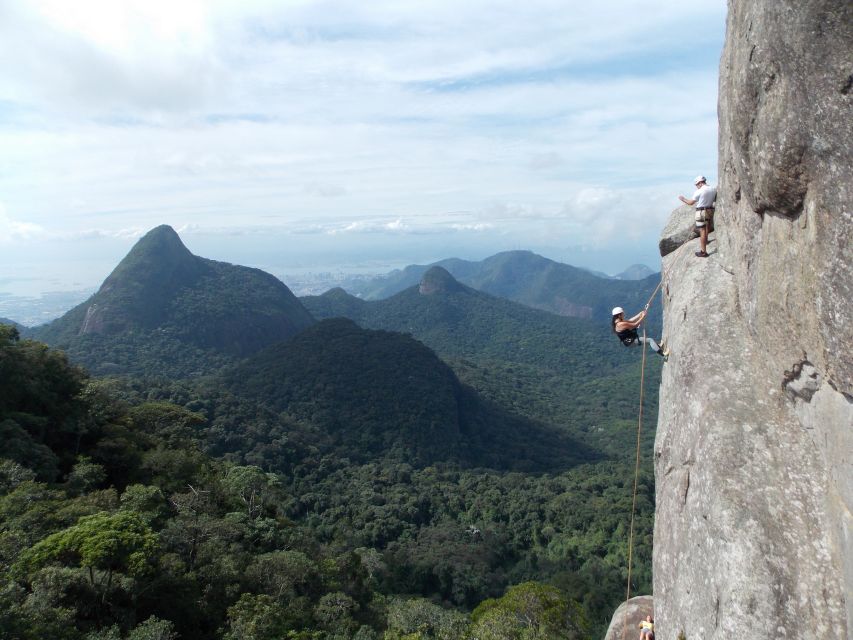
This is not a “stand and look” Tijuca day. You hike through the forest, visit the visitor center and museum, cool off near a waterfall, then rappel from the summit viewpoint.
The experience is praised for two core reasons:
- The rappel is genuinely fun, especially because it’s guided and done at a dramatic location.
- The hike is hard in the right way, with enough challenge to make the summit views feel earned.
If you’re trying to build a Rio itinerary that goes beyond typical city sightseeing, this fits nicely. It gives you nature time, a UNESCO setting, and an activity that feels real.
Should You Book This Tijuca Hiking and Rappelling Tour?
Book it if you want an active full-day in Rio that combines forest hiking, a waterfall pause, and a summit rappel, with gear and insurance included. At $59, it’s also one of those deals where you get more than one experience for your money.
Skip it if you want something easy, flat, or mostly seated. The hike is steep, the terrain can be rocky, and the tour has clear restrictions for people with heart, back, pregnancy, and mobility concerns.
If you’re between those extremes and you train a bit or you’re currently in decent shape, I’d lean toward booking. This is the kind of day that turns “I visited Rio” into “I did something in Rio that I’ll remember.”
FAQ
How long is the Rio de Janeiro hiking and rappelling experience?
It runs for about 8 hours. Starting times can vary, so you’ll want to check availability for the schedule.
What is the main attraction of the tour?
You hike to Bico do Papagaio in Tijuca National Park and then do a rappel at the summit. The tour also includes a stop at Cachoeira das Almas waterfall.
Where does the tour start and end?
It starts at Praça Afonso Viseu, 104 – Alto da Boa Vista, Rio de Janeiro – RJ, 20531-580, Brazil, and it ends back at the same meeting point.
Does the price include equipment and safety coverage?
Yes. The tour includes certified climbing equipment for local use and personal accident insurance.
Is hotel pickup available?
Hotel pickup is optional and available only for hotels located in Rio’s tourist zone that are listed as supported.
What language is the guide?
The live tour guide is available in Spanish, English, and Portuguese.
What should I bring, and what is not allowed?
Bring water and a daypack. The tour recommends a light snack and suggests 3 liters of water. Not allowed items include sandals or flip-flops, pets, and luggage or large bags. Alcohol and drug use before or during the activity are also not allowed.
More Tour Reviews in Rio De Janeiro
Still in the Tijuca? Keep Going
More Tour Reviews in Rio De Janeiro
Latest from our Rio De Janeiro notebook
- Unforgettable Boat Party★ 5.0 · 3 reviews
- Tijuca National Park and all its wonders!★ 5.0 · 3 reviews
- Rocinha Jeep Tour: A Journey into the Soul of the Favela!★ 3.8 · 3 reviews
- Rio: Favela Walking Tour of Rocinha with a Resident Guide★ 4.7 · 3 reviews
- Rio: Private, Custom express, Main Attractions!★ 5.0 · 3 reviews
- Rio: Museum of Tomorrow, Yup Star & Olympic Boulevard★ 3.7 · 3 reviews
Tijuca Forest Tours, compared.
 ★ 4.7Christ, Selaron Steps, and Tijuca Park TourFrom $68857 reviews
 ★ 4.3Guided Jeep Tour through Tijuca RainforestFrom $90740 reviews
 ★ 4.0Jeep Adventure: Guided Tour through Tijuca Rain ForestFrom $88554 reviews
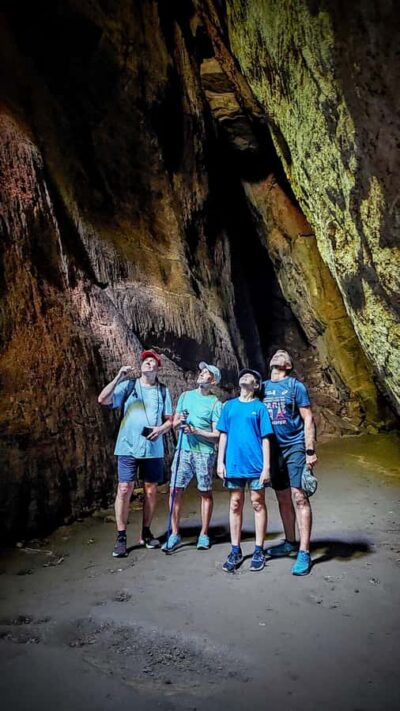 ★ 4.9Tijuca Forest Small Group Hike to Caves and WaterfallsFrom $69536 reviews
 ★ 4.5Half-Day Jeep Tour at Floresta da TijucaFrom $60353 reviews
 ★ 4.34-Hour Botanical Garden & Tijuca Forest TourFrom $51275 reviews
 ★ 4.5Rio de Janeiro Botanical Garden & Tijuca Forest TourFrom $55168 reviews
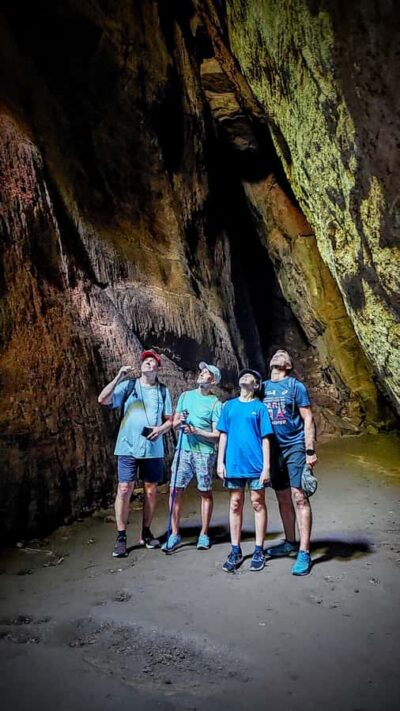 ★ 4.9Tijuca Forest Challenge Hike Full-Day TripFrom $86163 reviews
Browse the lists this tour appears in