
REVIEW · TIJUCA FOREST TOURS
Rio de Janeiro: Tijuca National Park Tour
Rainforest hikes start minutes from Rio traffic. I love the urban jungle contrast with the city, and I love the waterfall and cave stops, but you should wear proper hiking shoes because the walkways can be slick and uneven.
This tour runs about 270 minutes total, with pickup at 7:30 AM and a return around noon to early afternoon. You get hotel pickup, transportation all day, and a local guide working in English, Portuguese, Spanish, and French, plus photos and videos during the outing.
In This Review
- Key highlights to look forward to
- Entering the Tijuca National Park urban jungle
- Pickup and timing: how the half-day really works
- City viewpoints first: warm-up before the rainforest
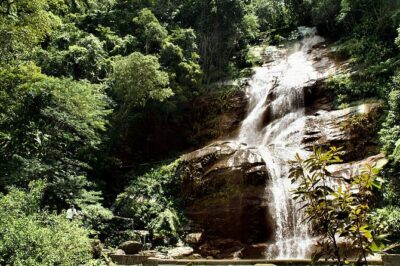
- Cascatinha Taunay and the first waterfall feel
- Center of Visitors and the A Floresta heritage stop
- Cachoeira das Almas: a second waterfall with different texture
- Gruta dos Morcegos cave stop: bats, cool air, and careful footing
- Wildlife moments: what guides help you notice
- The hike pace: easy enough for many, not flat
- Price and value: is $79 a fair deal?
- What to bring: your comfort checklist
- Who should book this Tijuca National Park tour
- Book it or skip it: my decision guide
- FAQ
- What is the duration of the Rio de Janeiro: Tijuca National Park Tour?
- Is hotel pickup included?
- What time does pickup start?
- What language options are available for the guide?
- What does the tour include and what is not included?
- What should I bring for the hike?
- Is this tour suitable for wheelchair users or visually impaired people?
Key highlights to look forward to
- Urban jungle close to Rio: Tijuca National Park is the big rainforest in a major city setting, so the scenery changes fast.
- Waterfalls in several moods: You hit a chain of falls, including Cascatinha Taunay and Cachoeira das Almas.
- Gruta dos Morcegos cave visit: You’ll go underground at the bat cave stop as part of the walk.
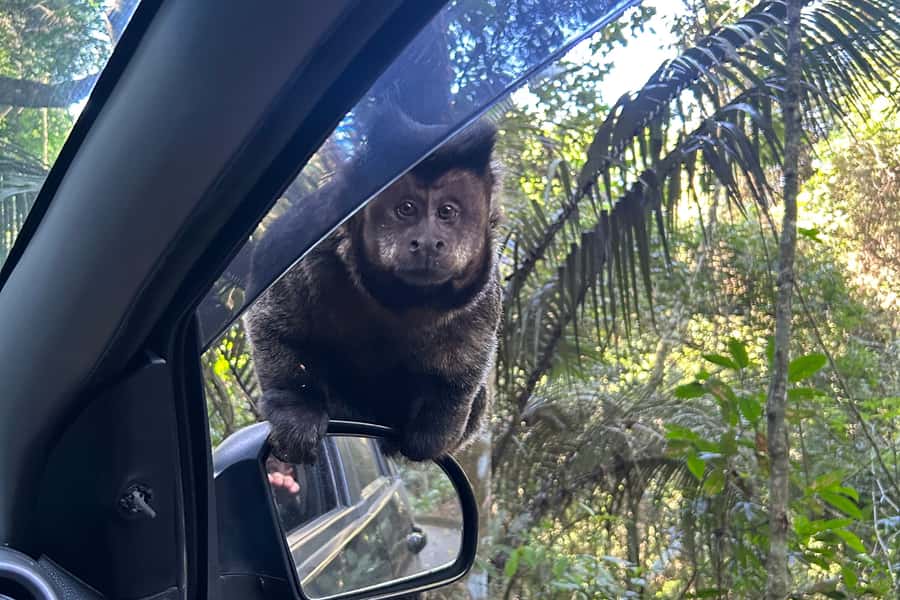
- Wildlife you can actually spot: Coatis, monkeys, birds, and even insects like blue morpho butterflies have shown up on this route.
- Viewpoints plus forest hiking: You get elevated views, then you trade the lookout for jungle paths.
- Guide-led learning with photo support: The best part is how guides like Thalles, Samuel, Dudu, Sylvio, and Alex translate the plants and animal behavior into something you can notice yourself.
Deeper into the Tijuca, trip by trip
Entering the Tijuca National Park urban jungle
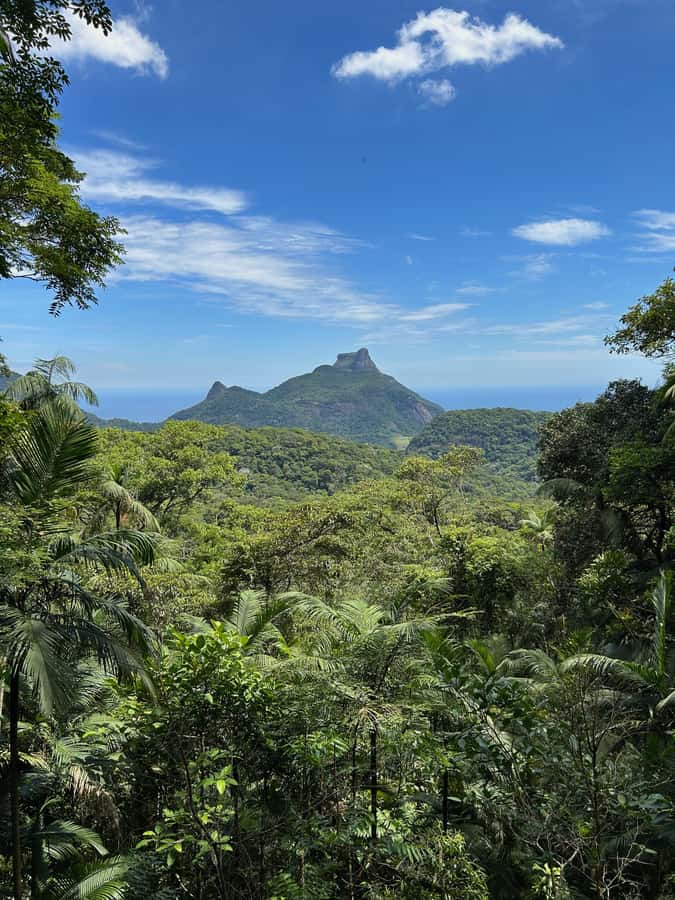
Tijuca National Park is special because it is a true rainforest experience right inside Rio’s reach. The idea here is simple: get you from city streets into a working slice of Atlantic Forest, then keep you moving on foot so you see what that forest looks like up close, not just from a distance.
I like that the day is built around multiple “nature windows.” You get viewpoints early, then you transition into the shaded, humid feel of the trees. Once you’re in the main area, the route mixes waterfalls, a heritage building stop, and a cave, so the walk stays interesting even if you’re not hunting wildlife like a pro.
One practical note: this is not a flat stroll. It’s described as a hike, and many of the best moments involve short climbs, uneven ground, and time outdoors. If you’re okay with that, you’ll get a much better experience.
Pickup and timing: how the half-day really works
The schedule is designed to beat the worst of the morning traffic and get you into the park while the day is still fresh. You’re picked up at 7:30 AM from a wide spread of Rio neighborhoods, including places like Copacabana, Ipanema, Flamengo, Lapa, and Barra da Tijuca. Drop-off options cover many of the same areas, so you’re not stuck crossing town afterward.
In the timing that matters, you spend roughly:
- 7:30 AM to about 8:15 AM on the ride with viewpoints stops along the way
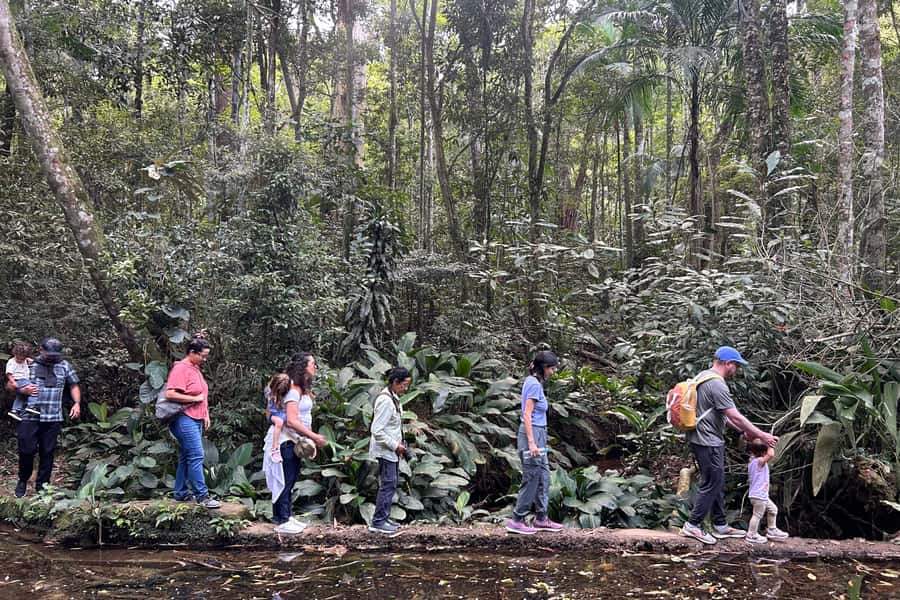
- 8:15 AM to 12:15 PM exploring the Tijuca forest sector on foot
- about 12:15 PM to 1:00 PM transferring back and getting dropped off
That “park time” is the key. Three hours of walking in a real rainforest is enough to feel like you did something meaningful, but not so long that you’re left completely cooked. If you’re trying to fit nature into a sightseeing-heavy Rio itinerary, this is one of the easier ways to do it without planning the route yourself.
City viewpoints first: warm-up before the rainforest
Right after pickup, you head from Rio up toward the park. The tour includes stops at viewpoints while you’re still traveling, which helps you understand where the jungle sits above the city.
This is a smart approach for two reasons. First, it makes the transition feel dramatic, like you’re really going somewhere. Second, you get photo-friendly moments before the forest canopy swallows the light, which is useful if you’re trying to capture the best angles without rushing.
If you’re sensitive to heights or you dislike standing at lookout points, tell your guide early. The route includes these viewpoint stops, and the pace depends on your group.
- Rio de Janeiro: 6-Stop Highlights of Rio with Lunch
★ 4.4 · 5,157 reviews - Christ the Redeemer Entry Ticket by Corcovado Train
★ 4.4 · 4,476 reviews - Rio de Janeiro: Rocinha Favela Walking Tour with Local Guide
★ 4.8 · 3,052 reviews - Rio: Christ the Redeemer, Sugarloaf, Selaron & BBQ Lunch
★ 4.5 · 2,428 reviews - Rio De Janeiro: Half-Day Rocinha Favela Walking Tour
★ 4.7 · 2,272 reviews
Cascatinha Taunay and the first waterfall feel
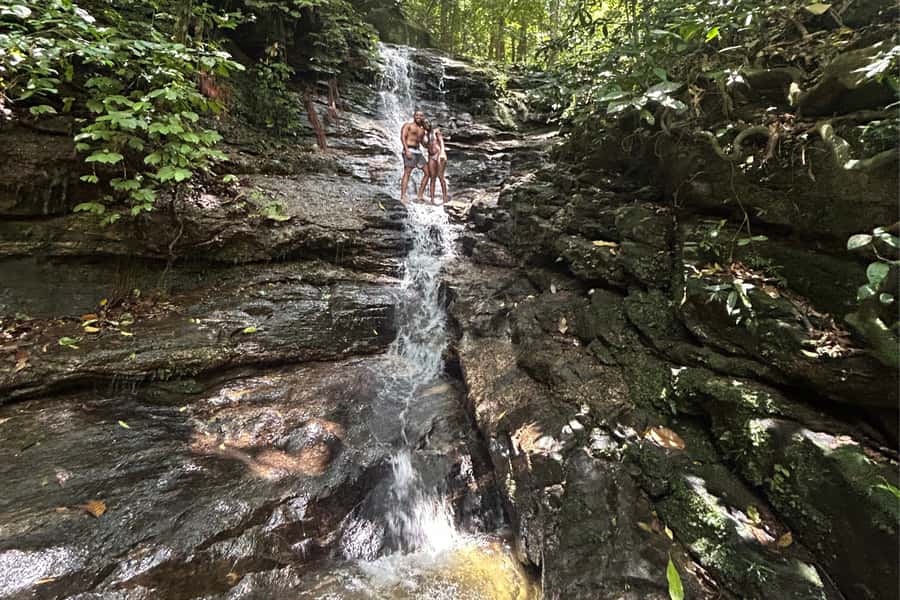
Once you’re in the park, you start with the Cascatinha Taunay waterfall area. This is one of the classic “morning waterfall” experiences, meaning you usually get a cooler, misty atmosphere and more vibrant jungle color than you would later in the day.
Why I like this stop is the way it sets expectations. Waterfalls in Tijuca are not just single scenic moments. They’re part of the rainforest system, tied to the paths, the rock formations, and the way the forest holds water. You’ll be walking after you see it, so the experience builds instead of ending the tour right away.
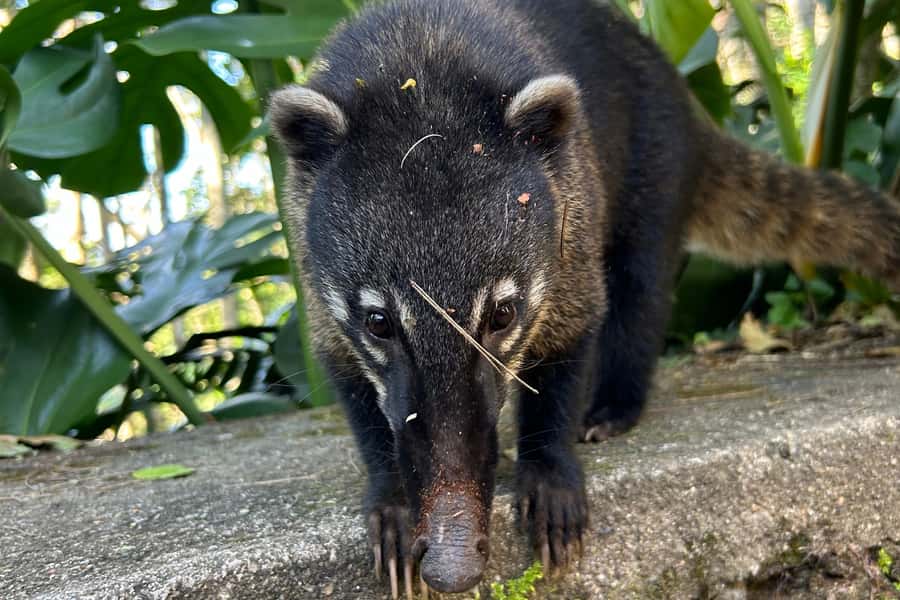
From the guides’ wildlife comments, the rainforest setting is active. People have reported seeing things like ants, birds, and coatis during the hike. Even when wildlife stays hidden, the soundscape tends to give the place an energy that feels more alive than a purely scenic viewpoint.
Center of Visitors and the A Floresta heritage stop
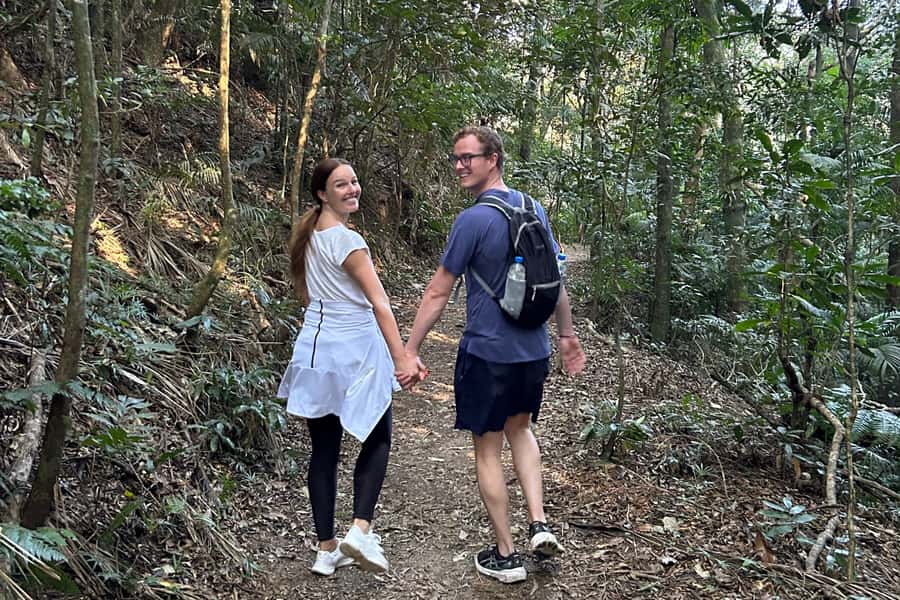
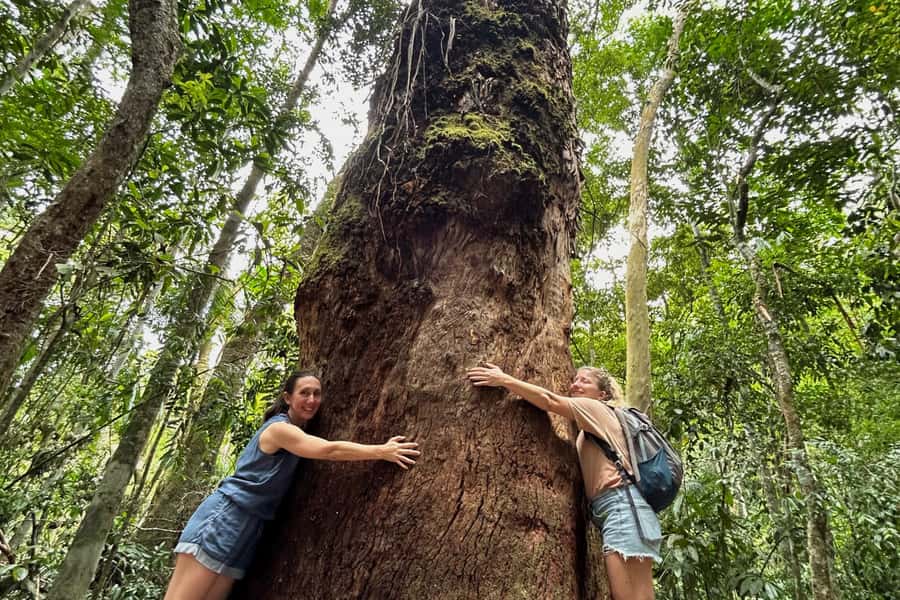
The Center of Visitors stop helps you shift from sightseeing mode to “I’m learning how this ecosystem works.” It’s the kind of break that makes your later moments feel more meaningful, because you start noticing plant structure and forest layers instead of just staring up at trees.
Then there’s the heritage building stop, A Floresta. This is one of those pauses that reminds you this park isn’t just a backdrop. It’s a managed forest area with a human story tied to it. For me, that kind of context makes the whole outing more than photos, because you understand why this protected jungle matters in a city environment.
You probably won’t spend long here, but it’s a useful checkpoint. It also gives you a moment to adjust your gear, check water levels, and pace yourself before the later walking segments.
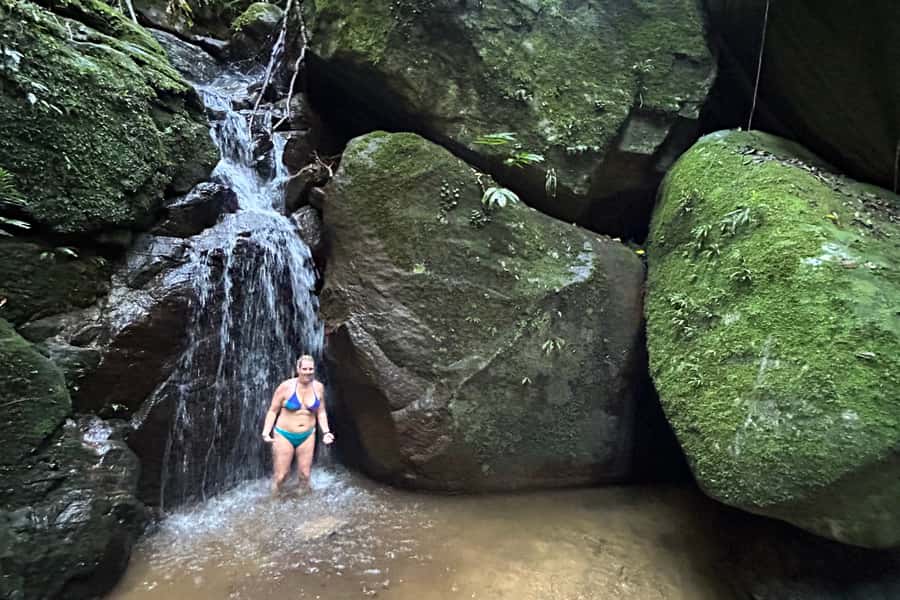
Cachoeira das Almas: a second waterfall with different texture
Next you visit Cachoeira das Almas waterfall. If Cascatinha Taunay is the classic opening act, this stop is the chance to see another waterfall angle and another mood in the same forest network.
One reason this matters: waterfalls in rainforest terrain behave differently based on the slope, the surrounding rock, and the path you take to reach them. Even if you’re not a geology nerd, you’ll feel the difference in how close the water gets you, how the trail changes around it, and how the canopy filters light.
Also, it’s a good spot for photos because it’s a change of pace from the cave and the forest paths. If you’re traveling in a group, this is often the best “everyone can agree this is cool” moment.
Gruta dos Morcegos cave stop: bats, cool air, and careful footing
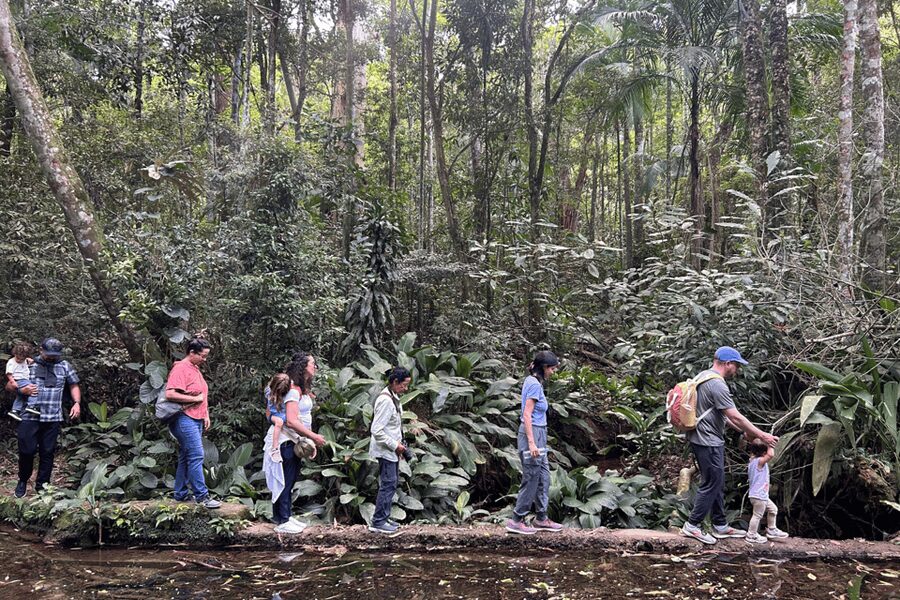
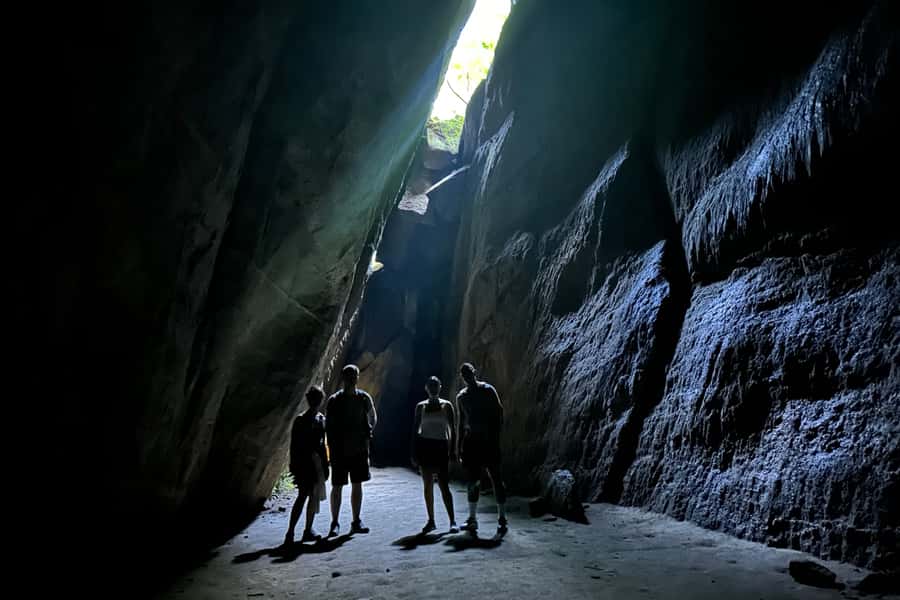
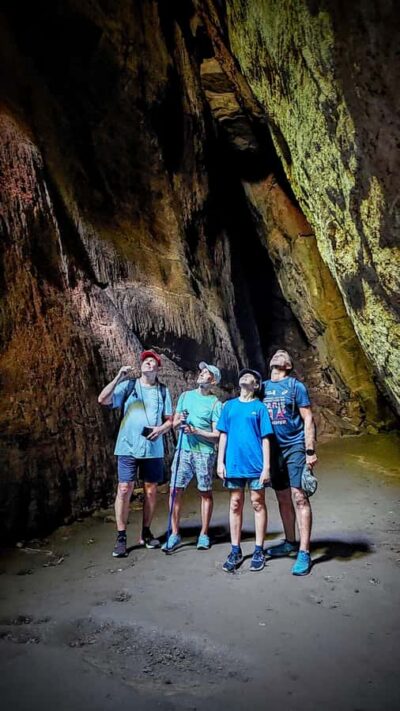
The Gruta dos Morcegos cave visit is one of the tour’s more memorable elements. You’re not just walking through scenery, you’re stepping into a different environment, with a cooler feel and a change in sounds and light.
I like that this isn’t treated as a gimmick. It’s part of the overall forest experience, which makes the cave stop feel connected to the rainforest system you’re learning about. The name suggests bats, and the cave setting itself tends to pull your attention to details you’d otherwise miss.
Practical reality: cave paths often mean uneven footing. Bring shoes with grip. If you get uncomfortable with narrow areas, uneven rock, or darkness, you should consider whether this stop will feel stressful. The tour does not list it as an optional segment, so best to plan your comfort level upfront.
Wildlife moments: what guides help you notice
Tijuca is famous for seeing animals, but wildlife viewing is never guaranteed in a jungle. What matters is that this tour is designed around walking routes where the forest is active and the guide can help you spot what’s there.
In the experiences people shared, you might encounter:
- Coatis near the trail
- Monkeys in the canopy or along the edges
- Birds and hummingbirds
- Butterflies, including blue morpho mentions
- A green vine snake sighting
What I love about this style of tour is that the guides pay attention to more than the “big” animals. Samuel’s focus on flora and fauna made the forest feel like a living classroom, and Dudu’s relaxed pace helped people stay quiet enough to actually notice movement.
If you want photos, bring your phone or camera and keep it ready. Also, remember that the guide takes photos and videos as part of the experience, so you don’t have to spend the entire hike framing shots. That’s a big stress reducer.
The hike pace: easy enough for many, not flat
The hike is described in a way that fits a wide range of travelers, but it is still a hike. People have called parts of it easy and other parts more intense, and one highlight was a “quick paced” stretch with stops along the way.
Here’s how I’d plan for it:
- Expect a steady walk for several hours in a humid environment
- Expect some uneven or slippery ground in shaded areas
- Expect that you’ll stop often, but you should still keep a steady rhythm
If you’re the type who needs constant breaks, tell the guide. Many guides adjust pace, and some keep it relaxed so you can hear insects and birds and get a better chance at seeing wildlife.
Price and value: is $79 a fair deal?
At $79 per person, this tour competes well with DIY costs once you factor in the things that are hard to organize on your own: hotel pickup from multiple neighborhoods, a guided route inside the park, and transportation back and forth.
What makes it feel like real value is that you’re not just buying access. You’re buying:
- A guided walk in a national park setting
- Multiple attractions packed into one morning-to-early-afternoon window
- Photos and videos captured during the outing
- Local context delivered in English, Portuguese, Spanish, and French
The main thing you still pay for yourself is lunch and drinks, since those are not included. So budget a bit extra for food and any personal costs, plus tips if you want to recognize great guiding.
If you’re short on time in Rio and you want the rainforest without the planning headache, this price makes sense.
What to bring: your comfort checklist
This is the part that determines whether the day feels fun or annoying. The essentials provided are:
- Hiking shoes or shoes with grip
- At least 2 liters of water per person
- Quick snacks such as sandwiches, protein bars, or nuts
- Weather-appropriate clothing
- Camera or smartphone
- Personal identification and any necessary travel documents
- Extra money for tips and lunch
Based on guide tips from people who’ve done the walk, I’d also add mosquito repellent. In a humid rainforest, that’s not a luxury, it’s sanity.
If you can, pack your snacks so you can eat without stopping your group for long. And don’t forget sun protection if the morning starts bright. Even with rainforest shade, there are viewpoint stops where you may feel the sun.
Who should book this Tijuca National Park tour
This tour is a strong fit if you:
- Want rainforest + waterfalls in one guided morning
- Like learning from a local guide while you walk
- Prefer being picked up and dropped off, especially if you’re staying near major neighborhoods
- Enjoy wildlife spotting, even if you accept that sightings depend on the day
Private group availability can also make sense if you want a more tailored pace, fewer photo waits, or a calmer vibe.
It’s not suitable for wheelchair users and it’s not meant for people who are visually impaired, based on the nature of the route.
Book it or skip it: my decision guide
Book this tour if you want a guided way to experience Rio’s biggest urban rainforest, with the practical bonus of transportation and your guide handling the route. The combination of viewpoints, waterfall stops like Cascatinha Taunay and Cachoeira das Almas, plus the Gruta dos Morcegos cave visit makes it feel like a full nature outing, not a one-stop photo break.
Skip it if you hate hiking or you know you have trouble with uneven terrain, cave conditions, or long outdoor walking in humidity. Also skip if you want a totally relaxed, sit-down nature experience. This is movement-led.
If you’re in that middle zone, this is one of the better-organized ways to get a real Tijuca day without turning your vacation into a logistics project.
FAQ
What is the duration of the Rio de Janeiro: Tijuca National Park Tour?
The tour duration is 270 minutes.
Is hotel pickup included?
Yes. The guide picks you up at your hotel or accommodation, with multiple pickup neighborhoods available.
What time does pickup start?
Pickup is scheduled for 7:30 AM.
What language options are available for the guide?
The live tour guide works in English, Portuguese, Spanish, and French.
What does the tour include and what is not included?
Included: expert local guide, transportation throughout the day, and photos and videos. Not included: lunch and drinks.
What should I bring for the hike?
Bring hiking shoes, at least 2 liters of water per person, quick snacks (like sandwiches, protein bars, or nuts), weather-appropriate clothing, and a camera or smartphone. You should also bring personal identification and extra money for tips and lunch.
Is this tour suitable for wheelchair users or visually impaired people?
No. It is not suitable for wheelchair users or visually impaired people.
More Tour Reviews in Rio De Janeiro
Still in the Tijuca? Keep Going
More Tour Reviews in Rio De Janeiro
Latest from our Rio De Janeiro notebook
- Unforgettable Boat Party★ 5.0 · 3 reviews
- Tijuca National Park and all its wonders!★ 5.0 · 3 reviews
- Rocinha Jeep Tour: A Journey into the Soul of the Favela!★ 3.8 · 3 reviews
- Rio: Favela Walking Tour of Rocinha with a Resident Guide★ 4.7 · 3 reviews
- Rio: Private, Custom express, Main Attractions!★ 5.0 · 3 reviews
- Rio: Museum of Tomorrow, Yup Star & Olympic Boulevard★ 3.7 · 3 reviews
Tijuca Forest Tours, compared.
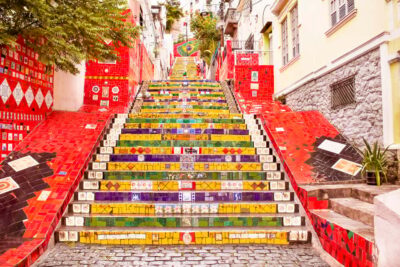 ★ 4.7Christ, Selaron Steps, and Tijuca Park TourFrom $68857 reviews
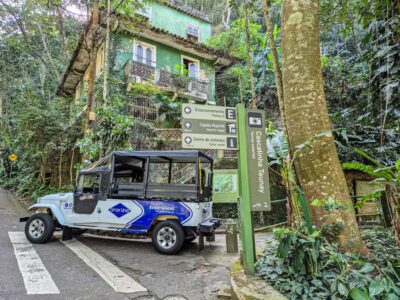 ★ 4.3Guided Jeep Tour through Tijuca RainforestFrom $90740 reviews
 ★ 4.0Jeep Adventure: Guided Tour through Tijuca Rain ForestFrom $88554 reviews
 ★ 4.9Tijuca Forest Small Group Hike to Caves and WaterfallsFrom $69536 reviews
 ★ 4.5Half-Day Jeep Tour at Floresta da TijucaFrom $60353 reviews
 ★ 4.34-Hour Botanical Garden & Tijuca Forest TourFrom $51275 reviews
 ★ 4.5Rio de Janeiro Botanical Garden & Tijuca Forest TourFrom $55168 reviews
 ★ 4.9Tijuca Forest Challenge Hike Full-Day TripFrom $86163 reviews
Browse the lists this tour appears in