
REVIEW · RIO FAVELA TOURS
Rio: Favela Tour Imersion in Babilônia and Chapéu Mangueira
Rio looks different when locals lead. This tour is built around one key ingredient, a guide born and raised in the favelas, telling you how daily life, routines, and community history actually work. You also get serious viewpoints over Rio while you walk, plus a real stop for food and drink at a famous local bar.
I especially like the way the route mixes storytelling with practical sightseeing. You’ll start near Ladeira Ary Barroso, then move into Babilônia’s trail for photo stops and a laid-back exploration that includes sights like deactivated bunkers and spots with birds and plants.
One drawback to plan for: this is still a neighborhood walk with some steep uphill sections, so it is not a fit for people with mobility impairments or anyone needing wheelchair access.
In This Review
- Key things to know before you go
- Rio favela life, guided by someone who grew up there
- Windsor Leme meeting point and the short jump up the hill
- What to do to make the start easier
- Ladeira Ary Barroso: views, orientation, and how the story starts
- Morro da Babilônia: photo stops, street food, and deactivated bunkers
- A practical note on comfort
- The Trilha do Morro da Babilônia: easy steps, big payoff
- Who will like the trail most
- Chapéu Mangueira: a quick stop with real context
- Bar do David in Chapéu Mangueira: the meal break that turns into a highlight
- What to expect at the bar
- Price, value, and what you truly pay for at $47
- Logistics that can make or break the experience
- What to bring
- What not to do
- Who should reconsider
- The kind of guide that improves everything
- Should you book this favela tour in Babilônia and Chapéu Mangueira?
- FAQ
- Where is the meeting point for this tour?
- How long is the Rio favela tour?
- What does the tour price include?
- Is transport included to reach the favela areas?
- Is food or drinks included?
- What language is the guide available in?
- Is this tour private?
- Are drones allowed?
- Is this tour suitable for wheelchair users or limited mobility?
Key things to know before you go
- Local guide with real community connections, often well known in the area and comfortable in both English and Portuguese
- Breathtaking city viewpoints while you walk through Babilônia and nearby Chapéu Mangueira
- Babilônia trail time includes photo stops, guided walking, and nature details like birds and plants
- Street food and local culture moments, plus a neighborhood bar stop for a meal break
- Bar do David in Chapéu Mangueira is a major highlight, known for prizes and top-rated food and drinks
- Transport to the slope may cost extra, since getting up from Windsor Hotel can involve local moto-taxi or van
Rio favela life, guided by someone who grew up there
Rio is full of tours that show you pretty angles. This one adds the part most visitors miss, the human scale of the place. The walk starts with a guide who understands the community from the inside, not from a script. You learn about favela history, local culture, and what daily life can feel like in Babilônia and Chapéu Mangueira, including how routines shape the neighborhood.
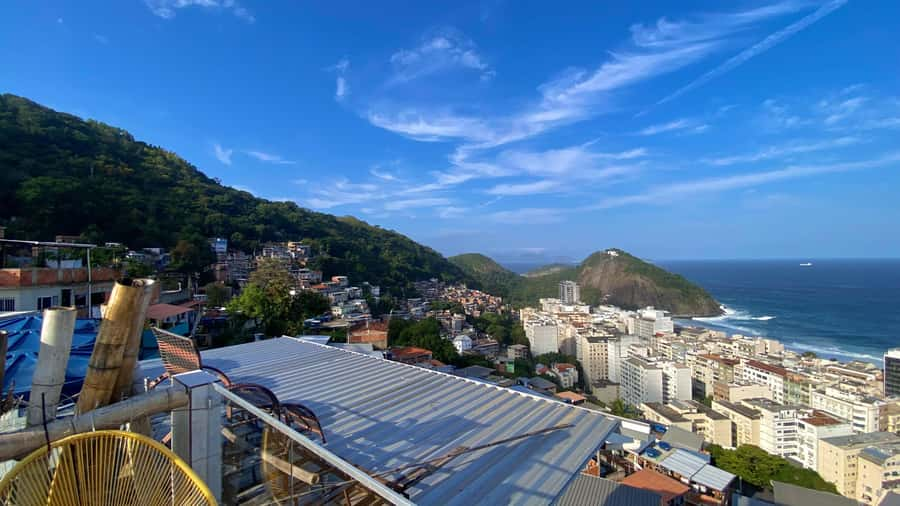
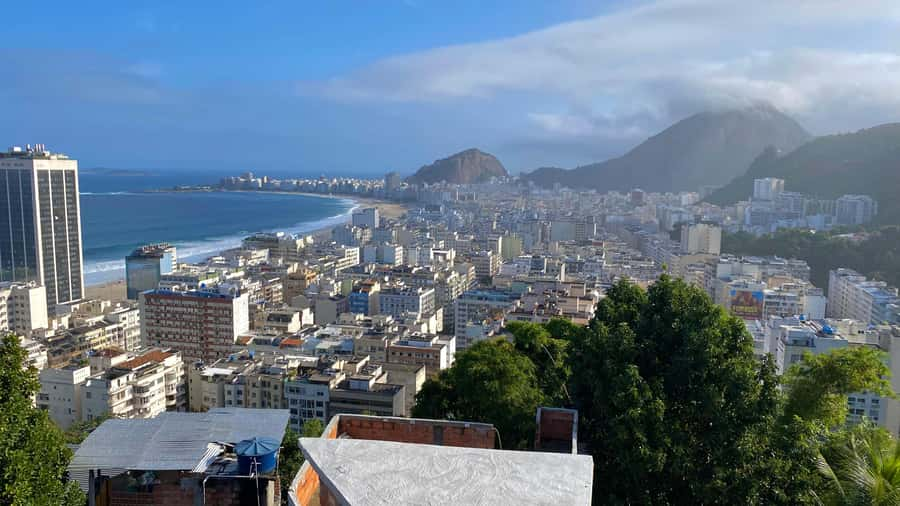
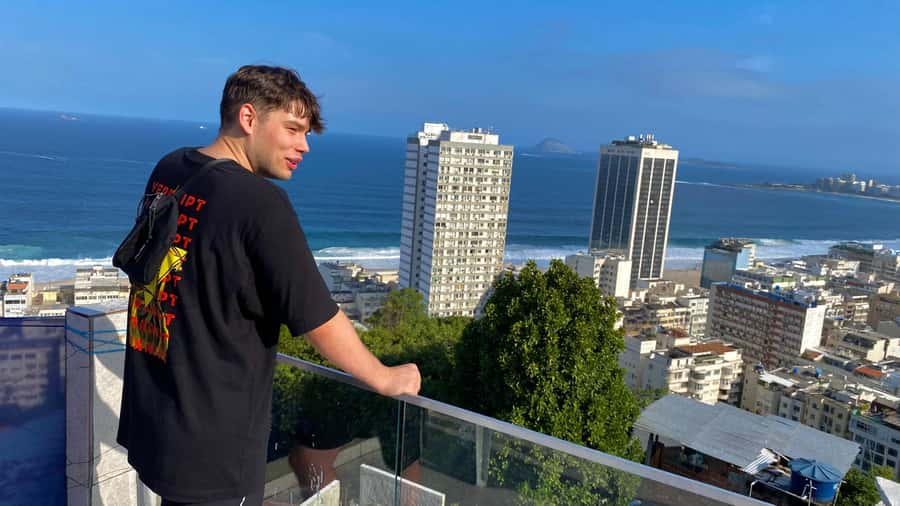
And yes, the views matter. From the higher parts of the route you look out toward a lot of the city’s geometry, the kind of panorama you normally only see from official overlooks. The difference here is that you’re looking at Rio while standing inside the community, with context instead of just scenery.
Finally, the tour is structured to keep it manageable. It’s not a long day of hard hiking. The Babilônia trail is described as easy, and there are no age restrictions for that portion. Still, the starting climb and the general walking mean you should take comfortable shoes seriously.
Windsor Leme meeting point and the short jump up the hill
You meet right by the water at the Windsor Hotel area, in front of the hotel near Posto 1 on Praia do Leme. It’s a practical meeting spot because you can orient yourself quickly if you’re staying anywhere in the Leme area.
From there, expect a short transfer before the walking really begins. The tour can involve a quick ride to help you reach the bottom of Ladeira Ary Barroso, and options can include local transport such as motorcycle or van. The important detail is cost: transport is not included, so budget a bit for that first hop if you don’t want to do all of it on foot.
Once you’re up, you’ll spend time on the slope with a guided walk that blends movement with early sightseeing. This is where you start to feel the neighborhood as a living place, not just a destination. You’re also warming up for the longer segments that come next.
What to do to make the start easier
- Wear comfortable shoes with grip, even if you think you’ll only be “walking a bit”
- Bring sunscreen and sunglasses, because this is still outdoors in Rio
- Have your camera ready for quick photo windows, especially on the slope
Ladeira Ary Barroso: views, orientation, and how the story starts
The walk along Ladeira Ary Barroso is your first guided step into the area. You get about 15 minutes of guided sightseeing and pass-by moments, with the guide helping you understand what you’re seeing as you go.
What I like about this part is that it sets your mental map. Without context, a steep neighborhood route can feel chaotic. With the guide’s framing, it starts to feel organized, because you learn what’s happening where and why people move the way they do.
You’re also getting a preview of the best theme of the whole tour, the contrast between Rio’s massive city look and the intimate street-level reality of life below and around you.
Morro da Babilônia: photo stops, street food, and deactivated bunkers
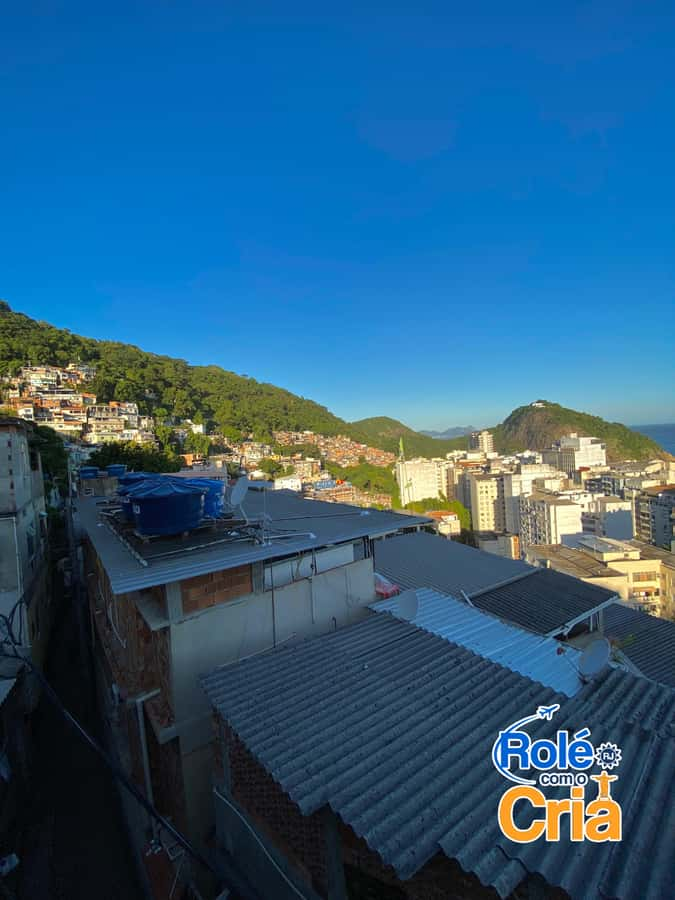
This is the heart of the tour. You’ll spend around one hour at Morro da Babilônia, with time for photo stops, a guided walk, and a stop for street food.
The street food piece matters more than it sounds. It’s one thing to learn a story. It’s another to taste how people eat in the neighborhood. Even if you don’t go crazy and try everything, the point is that you’re experiencing daily culture in a normal way, not only watching from the sidewalk.
During this area of the tour, you’re also pointed toward specific sights that help you understand the space. The Babilônia trail is described as having deactivated bunkers, and the nature side is real too. You might notice birds and plant species along the route, which adds a sense that this is not just concrete. It’s an ecosystem shaped by people and place over time.
A practical note on comfort
One hour sounds simple, but the terrain can be uneven. Take it slow. The guide pacing here is part of what keeps it comfortable, especially for people who are not used to steep walking.
The Trilha do Morro da Babilônia: easy steps, big payoff
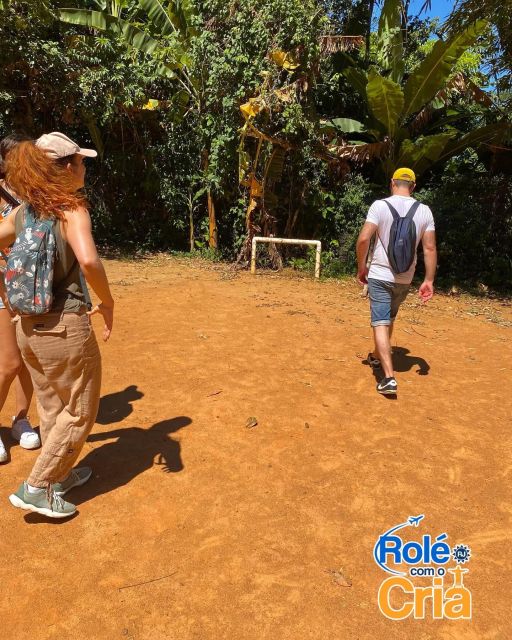
After the first Morro da Babilônia stop, you continue along the Trilha do Morro da Babilônia. Plan for around 1.5 hours, again with photo stops, guided sightseeing, and steady walking.
This portion is where the best Rio panoramas tend to show up. You get repeated chances to look out and frame shots in a way that makes sense, because the guide is walking you through what each view means. It’s not just, look there. It’s, this is how the community relates to the city around it.
You also spend time moving through an area where the tour description points out the presence of birds and plants and the story layer around older structures like bunkers that are now deactivated. That combination is a big reason this tour feels different from the typical “one viewpoint, one photo, next.”
Who will like the trail most
If you enjoy walking tours that feel like you’re moving with a local, this section hits the sweet spot. It’s described as easy, and there are no age restrictions for the trail itself. That said, you still need general mobility and stamina, because you are walking uphill and downhill.
Chapéu Mangueira: a quick stop with real context
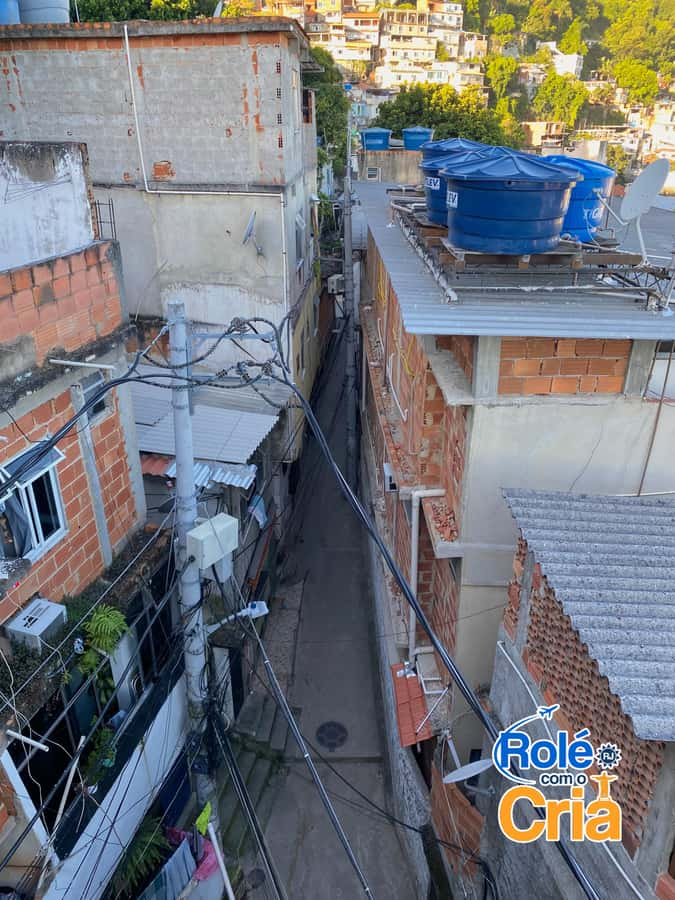
Then the tour shifts toward Chapéu Mangueira for about 30 minutes of photo stops and guided sightseeing.
This is a shorter segment, but it’s not filler. It helps connect the dots between neighborhoods and shows you that this area of Rio is shaped by different communities with distinct identities. The guide’s role is important here, because Chapéu Mangueira’s relevance comes through in how the guide explains culture and community life.
You’re also setting up the final highlight, which is where you take a break and eat.
Bar do David in Chapéu Mangueira: the meal break that turns into a highlight
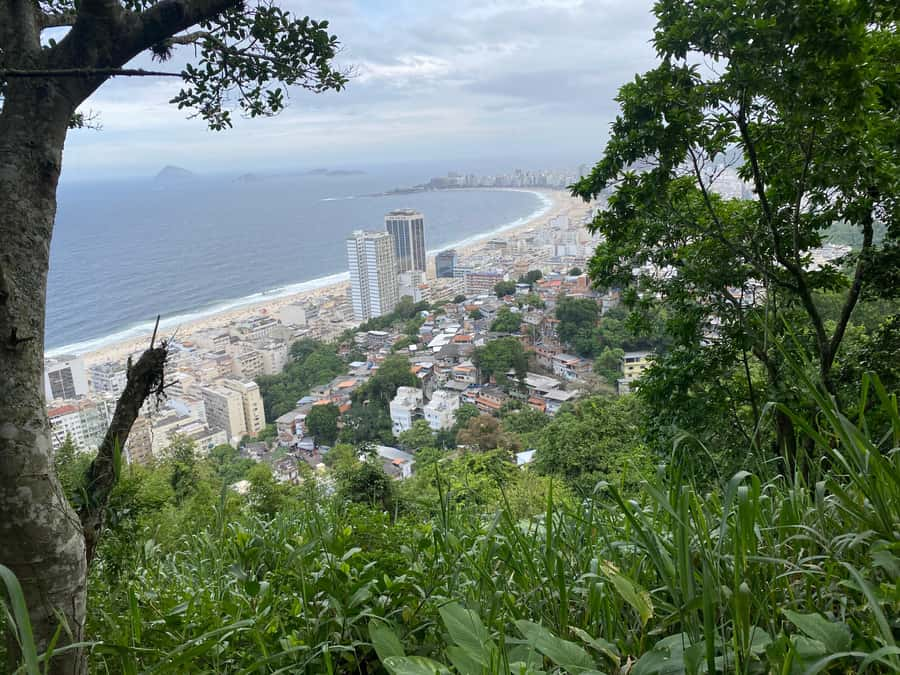
The last part of the tour brings you to Bar do David, a famous pub in Chapéu Mangueira. Expect about one hour here, including a break, guided visit, shopping time, and time to enjoy regional food and beer.
This bar is known for more than just hunger relief. The tour info says it has a history of major awards and was elected the best pub from Brazil once. In practical terms, that means the place has a reputation people travel for, not only locals drop in.
In at least one standout experience with guide Eric, the group ended up with a very warm welcome and the day went beyond the expected pacing. That same experience also included an extra local activity, a chance to play football with locals. It’s not listed as a guarantee for every departure, but it’s the kind of detail that tells you why this stop works. The guide doesn’t treat Bar do David like a final bus stop. It’s a real local moment with chances to connect.
What to expect at the bar
- You’ll be able to order regional food and drinks, including beer
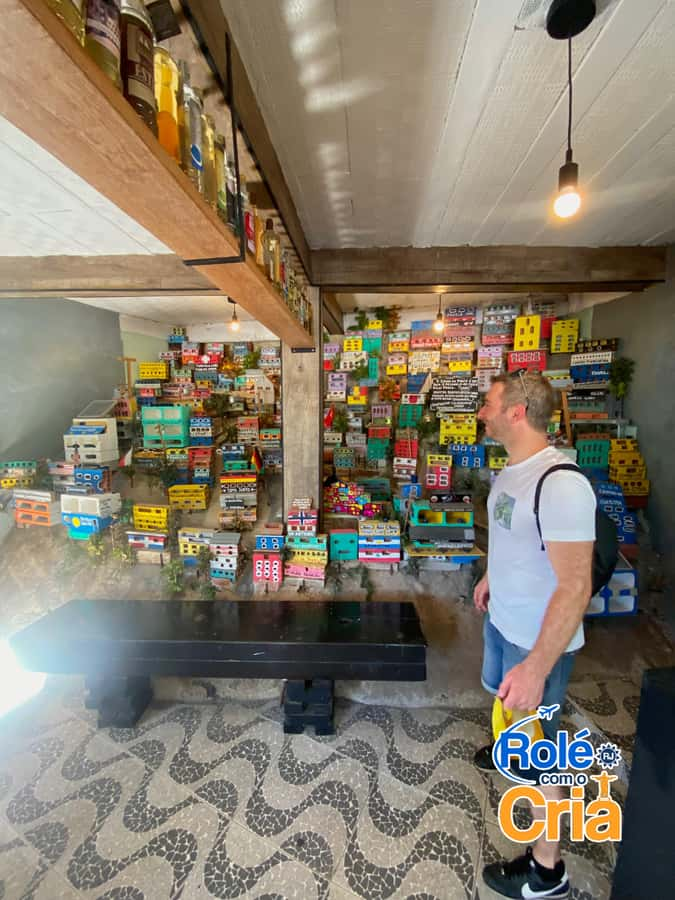
- You’ll have time for photos and a casual guided explanation of what makes the place special
- There’s time to browse local items for shopping, if you want souvenirs that feel more local than mass-produced
Because food and drinks are not included in the tour price, treat this as your planned spending point. If you like, use the bar stop to try a few things instead of going full menu mode.
Price, value, and what you truly pay for at $47
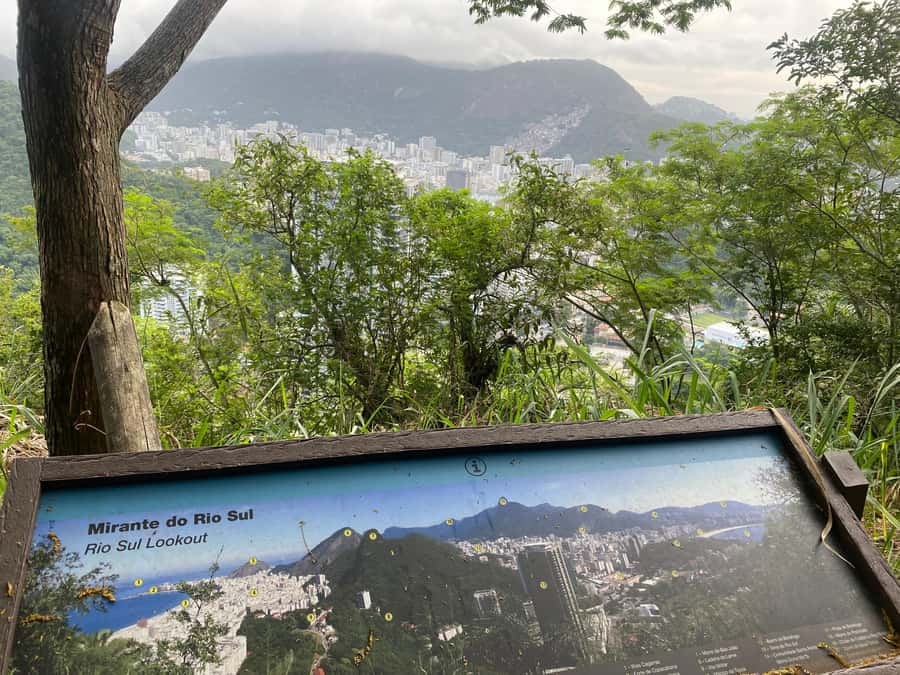
At about $47 per person for a 3-hour tour, the headline question is: what’s actually included?
You’re paying for a local guide and the walking structure that connects the community story with the stops. That matters in a place where the value is not a museum ticket. It’s access, context, and confidence. Multiple experiences highlight that the guides feel comfortable in the neighborhood, know the area well, and help you feel at ease while walking with a group.
The other side of the value equation is what’s not included. You will likely pay extra for transport to get up to the slope and you will pay for food and drinks at the bar. So think of your total budget as $47 plus a small local transport amount and your meal.
I still think it’s good value because the tour includes multiple guided segments, not just one long walk with no stops. You get time in Babilônia with street food, time along the trail, and then a proper dinner-like break at a top local bar.
Logistics that can make or break the experience
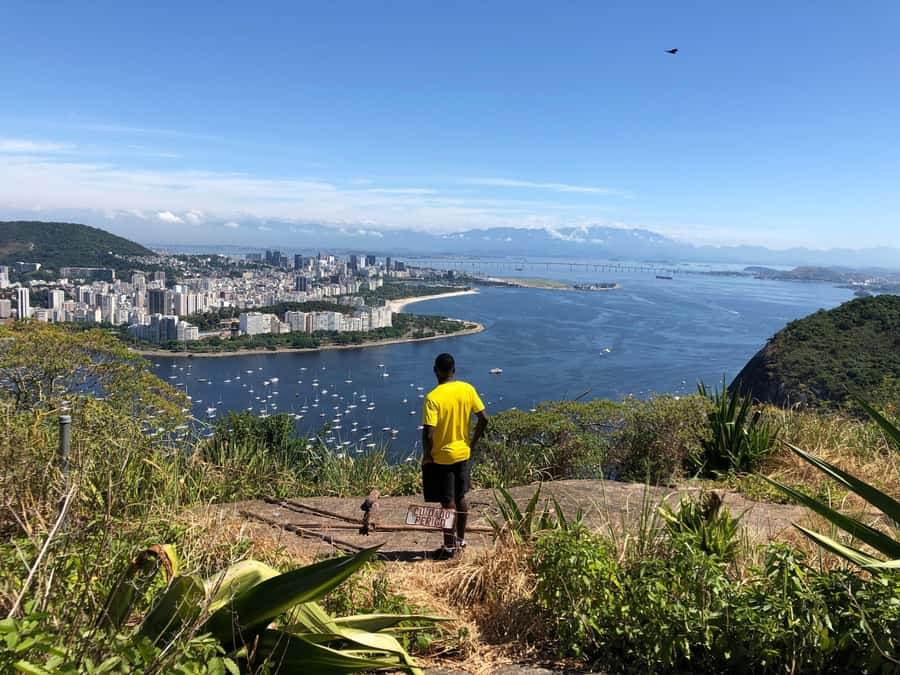
This tour is straightforward, but a few practical points help you enjoy it instead of rushing it.
What to bring
- Comfortable shoes (non-negotiable)
- Camera for repeated photo opportunities
- Sunscreen and sunglasses
- Water if you tend to get thirsty on walks, even though water isn’t listed as included
What not to do
- No drones
- No smoking
- No unaccompanied minors (so minors need to be with an adult)
Who should reconsider
- The tour is not suitable for pregnant women
- It is not suitable for people with mobility impairments or wheelchair users
- If you’re recovering from an injury, ask yourself honestly if you can handle steep walking
Also, keep in mind the tour includes a bit of uphill movement. Even if one segment is described as easy, the full route still involves physical effort.
The kind of guide that improves everything
One of the most praised aspects in the available feedback is the quality of the guide. Eric comes up repeatedly for strong communication and community knowledge, including English that is described as exceptional. People also noted that he makes the group feel welcome and safe, and that he knows people in the area.
That last detail is not fluff. In a neighborhood tour, knowing people and knowing how to behave on the street changes the entire tone. You spend less time worrying and more time paying attention.
If you’re traveling with kids, one experience specifically notes the tour worked well with children, with the guide making space for them. And if you want a day that feels flexible, another standout mention is how the guide took extra time and even helped the group get back to their taxi after the bar.
Should you book this favela tour in Babilônia and Chapéu Mangueira?
Book it if you want a walk with real local context, not a fast photo grab. You’ll likely enjoy it if you like guided storytelling, scenic viewpoints, and a structured meal break at Bar do David. The street food and the trail time also make it feel like you actually spent a few hours experiencing the place, not just passing through.
Skip or pick something else if you need step-free access or have limited mobility. Also reconsider if you don’t like walking uphill, even if parts are described as easy.
If you do book, go in with the right mindset: you’re visiting a working community. Dress for the walk, keep your day respectful, and treat the bar stop as a chance to eat and relax, not just check off a landmark.
FAQ
Where is the meeting point for this tour?
It meets in front of the Hotel Windsor Leme, near Posto 1 on Praia do Leme.
How long is the Rio favela tour?
The duration is 3 hours.
What does the tour price include?
It includes a local guide and a walking tour.
Is transport included to reach the favela areas?
No. Transport and local transport (like moto-taxi or van) are not included, so you may need to pay extra to reach the slope areas.
Is food or drinks included?
No. Food and drinks are not included, but the tour includes a stop at Bar do David where you can buy regional food and drinks.
What language is the guide available in?
The live guide is available in Portuguese and English.
Is this tour private?
Yes, it is listed as a private group experience.
Are drones allowed?
No, drones are not allowed.
Is this tour suitable for wheelchair users or limited mobility?
No. It is not suitable for wheelchair users or people with mobility impairments.
Rio Favela Tours, compared.
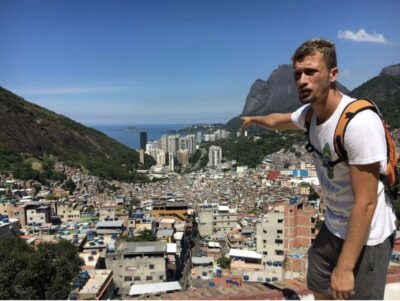 ★ 4.8Rocinha Favela Walking Tour with Local GuideFrom $363,052 reviews
 ★ 4.7Half-Day Rocinha Favela Walking TourFrom $352,272 reviews
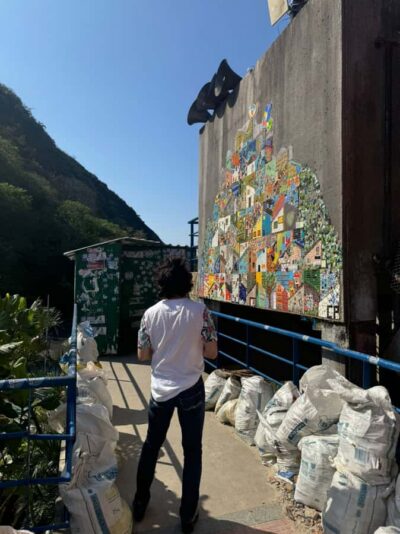 ★ 4.9Favela Santa Marta Top Tour with Local GuideFrom $28488 reviews
 ★ 4.6Favela Santa Marta Tour with Resident GuideFrom $27220 reviews
 ★ 4.7Favela Rocinha Tour with Local Guide & Secret SpotsFrom $43218 reviews
 ★ 4.5Vidigal Favela Tour and Two Brothers HikeFrom $88121 reviews
 ★ 4.5Favela Tour The Original, Rocinha & Vila Canoas since 1992From $33113 reviews
 ★ 5.02h30 circuit in the Vidigal FavelaFrom $5088 reviews
Browse the lists this tour appears in