
REVIEW · AMAZON RAINFOREST TOURS
8day expedition of scenic beauty and Amazon traditional culture on Tapajós River
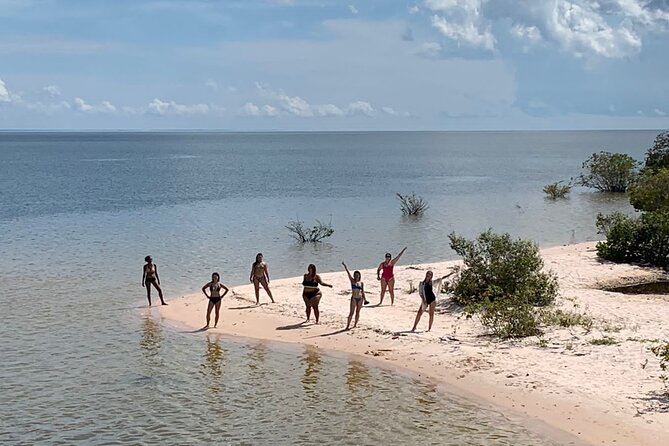
Tapajós beaches and rainforest trails in one week. This 8-day expedition links the Tapajós River with cultural time in Maguari and Jamaraquá, where you live close to the water and share local food. I also love the community-led workshops that turn stories into hands-on learning, from carimbó steps to medicinal herbs.
I also like the pacing, with boat days plus beach time at sunset, so the trip doesn’t feel like nonstop motion. One possible drawback is that this is not a resort-style experience, you will spend plenty of hours outdoors and walking, and river conditions and schedules set the rhythm.
In This Review
- Key highlights worth planning around
- Santarém to Tapajós: why this trip feels different
- Day 1 at Ocazum Pousada: start slow, get oriented fast
- Day 2 on the Tapajós River: Alter do Chão and a real sunset reset
- Day 3 into Floresta Nacional de Tapajós: from beaches to Maguari basecamp
- Day 4 in Maguari: Vovó Samaúma and a slower, deeper morning
- Day 5 in Maguari: carimbó practice, craft time, and village beach freedom
- Day 6 to Jamaraquá: rubber tree lessons and medicinal herb workshops
- Day 7: igarapés in Jamaraquá and a final goodbye in Maguari
- Day 8: Santarém airport, a quick handicrafts stop, and time to catch your flight
- Price and value: what $1,095.72 buys (and what you need to budget)
- Getting your expectations right: comfort on water, walking time, and sun
- Food and culture: where the meals and workshops do the real work
- Who this expedition is best for (and who might rethink it)
- Should you book this 8-day Tapajós expedition?
- FAQ
- What’s the duration of the Tapajós River expedition?
- Where does the trip start and end?
- Is breakfast, lunch, and dinner included?
- What is not included in the price?
- How does timing work with flights?
- Is this tour private?
- What kind of activities are included?
- Is travel insurance included?
- Can most travelers participate?
- What’s the cancellation deadline for a full refund?
Key highlights worth planning around
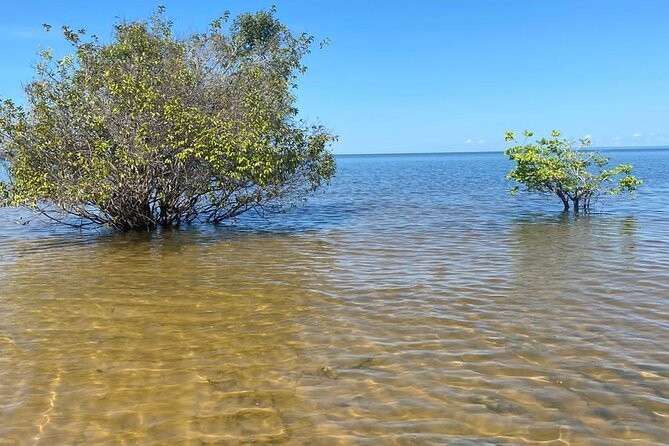
- Alter do Chão freshwater beaches and sunset time after your boat journey
- Piracaia beach dinner in Maguari at the end of the first full day in the forest area
- Trail to Vovó Samaúma, a milenary tree with a real sense of scale
- Carimbó crafts and dance in Maguari, including a night performance
- Jamaraquá learning blocks on rubber trees, rubber-making, and medicinal herbs
- Igarapés walk in Jamaraquá, plus free afternoons to enjoy the villages
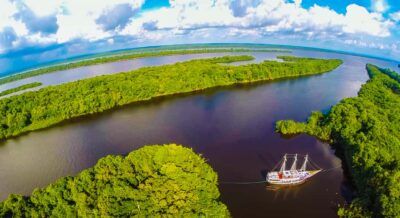
Further up the river from Santarem
Santarém to Tapajós: why this trip feels different
This is a Tapajós River expedition that takes the region seriously. Not just as scenery, but as a living place where people have knowledge tied to the forest, the river, and the seasons. You start in Santarém, then you move through water routes and communities that shape the day.
What makes it stand out for me is the mix of easy, beautiful river life with actual learning moments. One day you’re on the water watching how the route changes with time of year and river level. Another day you’re walking trails, sitting with community members, and learning skills like traditional dancing or medicinal-herb uses. It’s also built around community-based tourism, which matters because your time is directly tied to local economies rather than disappearing into a distant, generic “tour program.”
And yes, the beaches are a big deal here. Alter do Chão’s freshwater beaches are considered among the world’s most beautiful by The Guardian. In other words, you’re not just visiting the Amazon, you’re also getting that rare “river beach” feeling.
Day 1 at Ocazum Pousada: start slow, get oriented fast
You’ll stay at Ocazum Pousada near Santarém Airport, and that’s a quiet win if your flight timing isn’t perfect. Check-in is available after 2pm, and you can arrive at any time. That flexibility helps you avoid the stress of rushing immediately after landing.
Once you’re there, you can use the afternoon to settle in and get your bearings. The place is described as having natural beauty and local culture, plus delicious regional food. Even if your first day is mostly about rest, the key is that you’re already in the Tapajós orbit, not halfway across town.
This is also when you can mentally switch from city mode to river mode. Expect everything to be more time-based than clock-based once you’re moving with the group.
Day 2 on the Tapajós River: Alter do Chão and a real sunset reset
After breakfast, you sail on the Tapajós River. The route and the scenery vary depending on the time of year and river level, so you’re not repeating the same postcard view every time. That seasonal variability is part of the appeal. It’s nature doing what nature does, and you get to watch it from the river.
Your day includes a stop at Alter do Chão. The plan is to return just in time to watch the sunset from the beach, then dinner and the rest of the evening are at leisure. This is a good structure for most people: you get the big “wow” moment (freshwater beaches and sunset) and then you’re free to do your own slow wandering without feeling rushed.
Practical tip: keep a small day bag ready for boat time and beach time. You’ll be glad you didn’t wait until the last minute to find sunscreen, a hat, and dry clothes.
- Regional Cruise in the Amazon
★ 5.0 · 31 reviews - 8day expedition of scenic beauty and Amazon traditional culture on Tapajós River
★ 5.0 · 30 reviews
Day 3 into Floresta Nacional de Tapajós: from beaches to Maguari basecamp
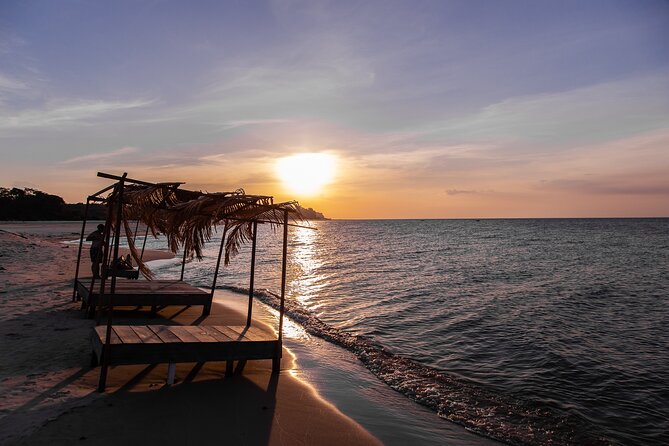
Day 3 moves you from Alter do Chão to Floresta Nacional de Tapajós. After breakfast, you check out and set off by boat, with a focus on the paradisiacal beaches of the Tapajós. Lunch is included.
The important shift happens at the end of the day. You land in the community of Maguari, inside the Tapajós National Forest. This becomes your base for the next few days. That change from “day-trip beach energy” to “forest-community living” is where the trip starts to feel like an expedition instead of a series of attractions.
At night, there’s a special dinner on the beach with piracaia, a memorable Amazon-style fish meal. It’s the kind of dinner that makes you notice how food changes when you’re closer to where it’s sourced and prepared.
Day 4 in Maguari: Vovó Samaúma and a slower, deeper morning
In Maguari, you start with breakfast and then head out on a trail to Vovó Samaúma, a milenary tree. A thousand-year tree isn’t just a fun fact. It changes your sense of time. You’re walking through the forest with a living landmark that makes the Amazon feel bigger than your own travel calendar.
On the way back, lunch is waiting at Dona Maria’s house. That matters because it’s not just “eat and go.” It’s a community meal stop built into the day, so the food feels like part of the day’s story.
In the late afternoon, you end with sunset at Maguari beach before dinner. That evening rhythm, walk and learn by day, beach light at the end, is one of the reasons people leave this kind of trip feeling changed.
Day 5 in Maguari: carimbó practice, craft time, and village beach freedom
Day 5 gives you a lighter start. You’ll have the morning off to enjoy Maguari’s village beaches. This is not wasted time. You need it. The expedition includes active hours on trails and on the water, so having a block where you can simply relax helps the rest of the program land well.
After lunch, you join a handcrafts workshop. Then you try to learn how to dance carimbó. The point here isn’t perfection, it’s participation. When you learn a traditional dance in the place where it belongs, it shifts from entertainment to culture.
At night, after dinner, there’s a performance of typical Amazon dance: carimbó. This is a strong cultural day because you’re doing it, not only watching it. If you like activities that keep your hands and feet busy, this is one of the best matches on the itinerary.
Day 6 to Jamaraquá: rubber tree lessons and medicinal herb workshops
On Day 6, you head to the neighboring community of Jamaraquá with a walk. The focus is on rubber trees and the rubber-making process. This is practical knowledge tied to local materials, and it’s the kind of learning that feels real because it’s rooted in everyday land and labor.
After that, you return to Maguari for homemade lunch at D. Maria do Socorro. Then the day shifts again with a traditional medicinal herbs workshop. That combination is powerful because you see two knowledge systems side by side: one linked to resource use (rubber) and one linked to health and plant understanding (medicinal herbs).
The late afternoon is for the beach. This pacing keeps the day from turning into nonstop instruction. You get learning time and then recovery time.
Day 7: igarapés in Jamaraquá and a final goodbye in Maguari
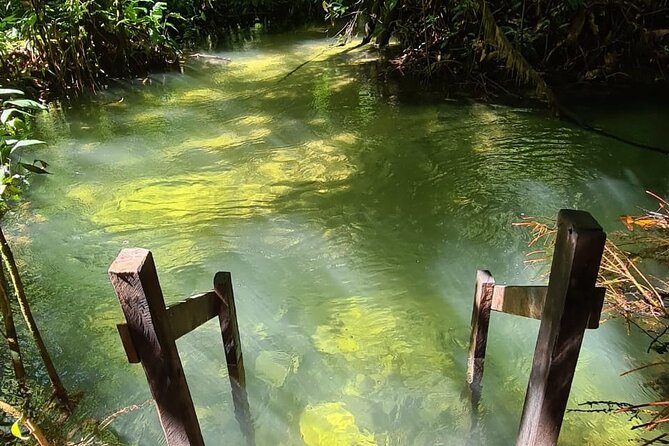
Day 7 includes another return to Jamaraquá for a special walk. You visit local streams, called Igarapés. This part of the expedition is about slowing down and getting a closer look at the waterways that connect the larger river system to day-to-day life.
You also get additional time to enjoy Jamaraquá’s natural setting, then you move back for the rest of the day in Maguari. That afternoon is yours for leisure, walking around, enjoying the area, and saying goodbye to both Jamaraquá and Maguari. For many people, this is the emotional landing pad of the trip. You’ve done the learning blocks already, and now you have time to absorb the atmosphere without “getting through” another scheduled activity.
Day 8: Santarém airport, a quick handicrafts stop, and time to catch your flight
After breakfast, the group has a quick visit to the handicraft shop. Then you return to Santarém by exclusive van at 10am, heading toward Santarém International Airport, Maestro Wilson Fonseca.
This is the day where you need to think about logistics. Arrival is scheduled for midday earlier in the trip, and the guidance is to book your return flight departing from 2pm. With that plan, you keep your buffer for airport time without feeling rushed.
One small detail I appreciate: the program has a morning exit. It gives you a clean transition back to travel mode instead of forcing you to pack late at night.
Price and value: what $1,095.72 buys (and what you need to budget)
At $1,095.72 per person for roughly 8 days, the value comes from how much is actually included and how the money flows. You’re paying for a full expedition style package: travel insurance for the whole itinerary, plus breakfast for 7 days, lunch for 6 days, and dinner for 6 days. You’re also paying for the boat-based movement, the community-based activities, and the workshops that connect culture to hands-on learning.
What is not included is drinks. That’s the main extra cost you should plan for. Because it’s the Amazon, even a small amount can add up, so budgeting for water and sodas (or whatever you prefer) is smart.
If you’re comparing this to more generic tours, the big difference is that a lot of the value is tied to community access and guided participation. You’re not just paying for transport and tickets, you’re paying for a structure that supports locals and preserves knowledge and biodiversity through community-based tourism.
Also: it’s a private tour activity, only your group participates. That often means less noise, more flexibility in how the group moves, and fewer “everyone gets the exact same moment” bottlenecks.
Getting your expectations right: comfort on water, walking time, and sun
This trip includes daily motion. Some days are set around shorter blocks, like a 4-hour day plan, and some are closer to 6 hours of activity. You should assume there will be walking, trail time, and outdoor hours.
The good news is that the program states most travelers can participate. Still, the reality is that the Amazon demands sensible clothing and a realistic energy level. Wear shoes made for trails, bring a hat, and keep sunscreen in your day bag. You’ll also want a dry layer for boat time and a way to keep electronics protected.
One encouraging note is that shipping time feels intentionally managed. There’s a strong theme in the feedback about boats feeling safe and comfortable, including for solo women. That doesn’t mean the river is tame, but it does suggest the organizers take water comfort seriously, not as an afterthought.
Food and culture: where the meals and workshops do the real work
Food is handled as part of the day, not an optional extra. Breakfast is included every day except the arrival day after check-in, then lunch and dinner rotate across the itinerary. By the time you hit Maguari and Jamaraquá, the meals become more than “included.” They are tied to places like Dona Maria’s house and D. Maria do Socorro, and that makes a difference.
A standout is the piracaia dinner on the Maguari beach. You get the Amazon flavor profile in a setting that feels appropriate, not staged.
Cultural experiences are similarly structured. Carimbó shows up as both a workshop (learning steps) and a night performance (watching it). Rubber-making and medicinal herbs show up as workshops that explain knowledge connected to plants and resources. Crafts workshop time in Maguari adds another channel besides music and walking, so you can engage even on days when your legs need a break.
When community-based tourism is done well, it doesn’t feel like “pay to see a culture.” It feels like “learn how people live, and let that knowledge change the way you look at the world.”
Who this expedition is best for (and who might rethink it)
Book this if you want a true Amazon river trip that mixes nature with real cultural exchange. It’s a strong fit for people who like active mornings, enjoy walking trails, and still want beach time that feels like a reward.
It’s also a good match if you care about supporting community-based tourism. Your included meals and participation in workshops help put your travel spending into local hands.
Think twice if you need constant comfort, very predictable schedules, or a low-outdoor-time plan. This is outdoor travel with boats, sun, and walking as part of the deal. If that sounds stressful, you might prefer a more hotel-forward style of vacation.
Should you book this 8-day Tapajós expedition?
My take: this is a smart booking for travelers who want more than photos of the Amazon. If you like the idea of freshwater beaches at Alter do Chão, then switching gears into forest community time at Maguari and Jamaraquá, this itinerary has the right balance.
Book it if you:
- want hands-on culture, like carimbó and workshop learning
- enjoy being outdoors and comfortable with trail walks
- care about community-based tourism and supporting local economies
Skip it if you:
- want a purely comfortable, low-effort vacation
- dislike boat travel and outdoor schedules
- only want one type of experience (all beach or all forest)
If you can handle a mix of water time, walking, and learning, this expedition is the kind of trip that can genuinely stick with you.
FAQ
What’s the duration of the Tapajós River expedition?
It runs about 8 days and 7 nights.
Where does the trip start and end?
It starts at Ocazum Pousada near Santarém Airport and ends at Santarém International Airport, Maestro Wilson Fonseca.
Is breakfast, lunch, and dinner included?
Yes. Breakfast is included for 7 days, lunch for 6 days, and dinner for 6 days.
What is not included in the price?
Drinks are not included.
How does timing work with flights?
Arrival is scheduled for midday at Santarém airport, and you should book your return flight for departure from 2pm.
Is this tour private?
Yes. It’s private, and only your group participates.
What kind of activities are included?
You’ll sail on the Tapajós River, visit Alter do Chão beaches, walk trails including a visit to Vovó Samaúma, do craft and carimbó activities, learn about rubber trees and rubber-making in Jamaraquá, join a medicinal herbs workshop, and walk local streams (Igarapés).
Is travel insurance included?
Yes, travel insurance is included for the whole itinerary.
Can most travelers participate?
The program says most travelers can participate.
What’s the cancellation deadline for a full refund?
You can cancel up to 6 days in advance for a full refund, and you must cancel at least 6 full days before the experience start time.
More Tour Reviews in Santarem
Further Up the Amazon
More Tour Reviews in Santarem
Latest from our Santarem notebook
- 8day expedition of scenic beauty and Amazon traditional culture on Tapajós River★ 5.0 · 30 reviews
- Regional Cruise in the Amazon★ 5.0 · 31 reviews
- Alter do Chão FLONA Jamaraquá Tour★ 5.0 · 50 reviews
Amazon Rainforest Tours, compared.
 ★ 4.3Guided Jeep Tour through Tijuca RainforestFrom $90740 reviews
 ★ 4.7Jungle Waterfalls and Cachaça Distillery Jeep TourFrom $37491 reviews
 ★ 4.8One-Day Amazon Jungle ExperienceFrom $100408 reviews
 ★ 4.2Full-Day Tour on the Amazon RiverFrom $55362 reviews
 ★ 4.3Presidente Figueiredo Waterfalls DaytripFrom $90149 reviews
 ★ 4.0Half-Day City TourFrom $5494 reviews
 ★ 4.5Piranha Fishing and Alligator Watch Evening TourFrom $9057 reviews
 ★ 3.9Manaus to Santarém: 36-Hour Ferry on the AmazonFrom $14055 reviews
Browse the lists this tour appears in