
REVIEW · AMAZON RAINFOREST TOURS
Regional Cruise in the Amazon
The Amazon gets real, fast, on the water. This 4-day regional cruise from Santarém is a practical intro that mixes river time on the Arapiuns and Tapajós with hands-on stops in local communities, plus guide help when you hit the language barrier. Two things I really like: the all-in included meals (lunch, snacks, water, and beer) and the way you actually visit community projects like forest management and extractivism, not just pass by on a bus. One consideration, though: this is a cruise-style rhythm, so if you want lots of long jungle hikes every day, you may find the pacing more about rivers and focused experiences than nonstop trail time.
In This Review
- The vibe: easy logistics, local contact, real food
- Language barrier? The guides handle the hard part
- Key highlights to know before you go
- Santarém to the Amazon, without the usual stress
- Getting from town to the boat (and back) the easy way
- Arapiuns River and Tapajós River: why this route feels special
- Anã community stop: extractivism and forest management, not just a lecture
- Ilha do Amor: the kind of stop that resets your day
- Food as a main event: included regional meals and top-quality juices
- Rio Arapiuns time: beaches, riverain life, and learning through context
- Floresta Nacional dos Tapajós: protected forest, practical meaning
- Comfort details that actually matter on the water
- Price and value: what $1,862.28 buys you here
- Who should book, and who might want a different Amazon style
- Should you book Tapajó Experiences from Santarém?
- FAQ
- How long is the Amazon cruise from Santarém?
- What is the price per person?
- Where does the tour start and end?
- What meals and drinks are included?
- Is there a restroom on board?
- How many travelers are on the tour?
- Is handcraft shopping included?
- Can I cancel for a full refund?
The vibe: easy logistics, local contact, real food
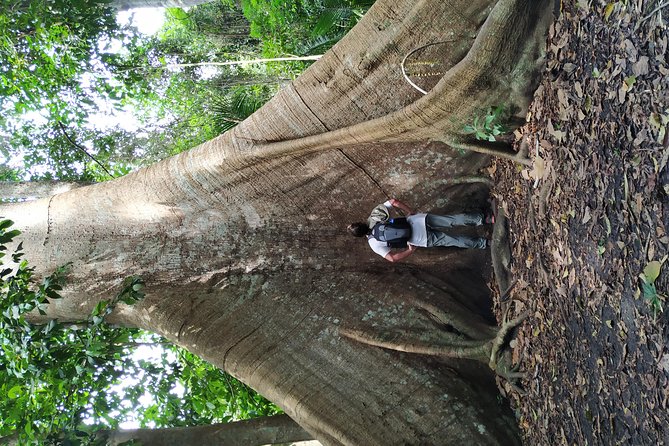
I like that you do not have to play meeting-point detective. With hotel pickup and drop-off, plus restroom access on board and air-conditioned transport, the trip keeps you comfortable while you slide into Amazon life. And yes, the best “tour moment” here is also food, with regional dishes and high-quality juices built into the day, so you are not stuck hunting for something tasty after a long boat stretch.
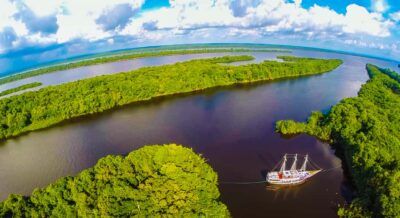
Further up the river from Santarem
Language barrier? The guides handle the hard part
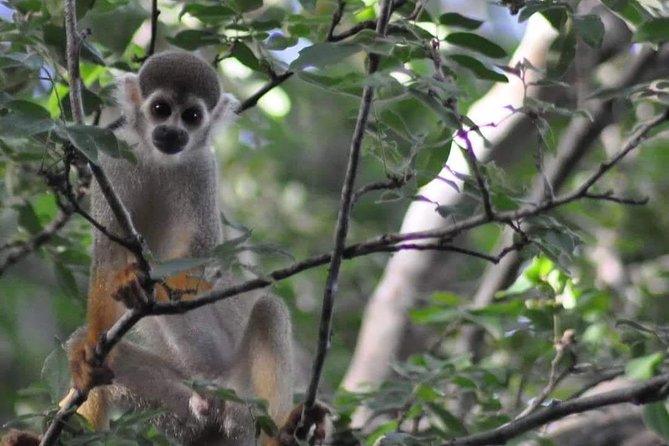
One of the underrated wins is that you go into indigenous communities with community guides. That changes how the whole trip feels because questions and conversations do not stay stuck on mute. Also, a name that comes up again and again in this region is guide Vinicius Villare for strong English and clear explanations, so if you get someone of that caliber, you’ll feel the difference right away.
Key highlights to know before you go
- Community visits beyond the photo stop in places like Anã, focused on extractivism and forest management
- All-inclusive food and drinks, including regional meals, snacks, water, and beer
- Arapiuns and Tapajós river time, where you also see beaches and riverain communities
- Ilha do Amor as a dedicated stop that breaks up the cruise with more time on the water
- Community guides to bridge language gaps, so you can actually understand what you’re seeing
- Small group size (max 30), which usually means less crowding at stops and on board
Santarém to the Amazon, without the usual stress
Santarém is the kind of launch point that helps you get into the Amazon feeling sooner. You are not starting from faraway jungle lodges or complicated multi-transfer chains. Instead, you work from a single base and spend most of your effort on the thing you came for, the rivers.
I especially appreciate that the trip is built as a “first-time friendly” introduction. You still get real Amazon context, but the logistics are smoothed out with pickup and drop-off, air-conditioned transport, and a clear meeting point for anyone joining there.
Why that matters: when your day starts to feel like a scavenger hunt, you miss small details. Here, you have enough mental space to notice how river life works, how communities organize around land and resources, and why the Arapiuns-Tapajós route feels different from straight-open river cruising.
- Regional Cruise in the Amazon
★ 5.0 · 31 reviews - 8day expedition of scenic beauty and Amazon traditional culture on Tapajós River
★ 5.0 · 30 reviews
Getting from town to the boat (and back) the easy way
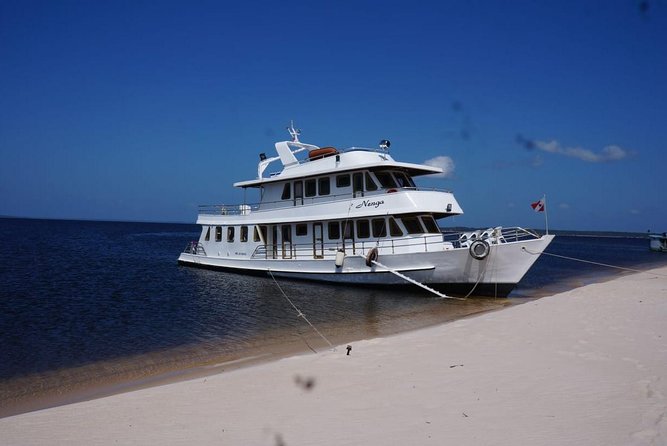
The tour includes hotel pickup and drop-off, which is a big deal in the Amazon region, where “getting there” can otherwise turn into wasted time and confusion. If you are staying near public transportation or prefer to meet at the terminal yourself, the start point is the Terminal Fluvial Turístico de Santarém, Av. Tapajós, 80 – Salé, Santarém – PA, 68040-720, Brazil.
The end is back at the same meeting point. That makes planning cleaner, especially if you want dinner plans later without guessing how long “last transfer” might take.
Practical tip: even with pickup, keep your essentials in a small day bag. You’ll likely have moments where the boat and shore are in play, plus you do not want to be stuck carrying heavy stuff when you’re meant to move around comfortably.
Arapiuns River and Tapajós River: why this route feels special
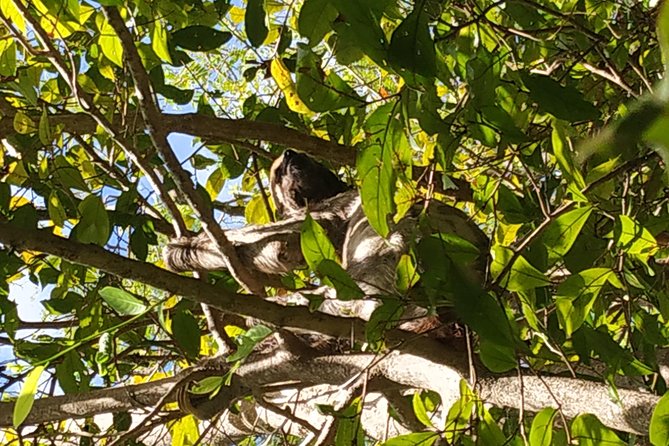
This is not just “ride down the river and hope for wildlife.” The cruise follows the Arapiuns River, which is described as an arm of the Tapajós River. That framing matters because it hints at what you’ll likely notice: beaches, riverain communities, and a more varied rhythm than a single straight channel.
In plain terms, you’re getting a mix of water scenes. Some stretches feel like open river cruising. Other moments feel like you’re moving through lived-in shoreline areas where daily life sits right next to the water.
Also, the Tapajós system is where the trip’s conservation angle gets practical. Later in the experience you’ll step into a protected forest setting, and that gives you a better read on why community management and sustainable use come up again and again.
Anã community stop: extractivism and forest management, not just a lecture
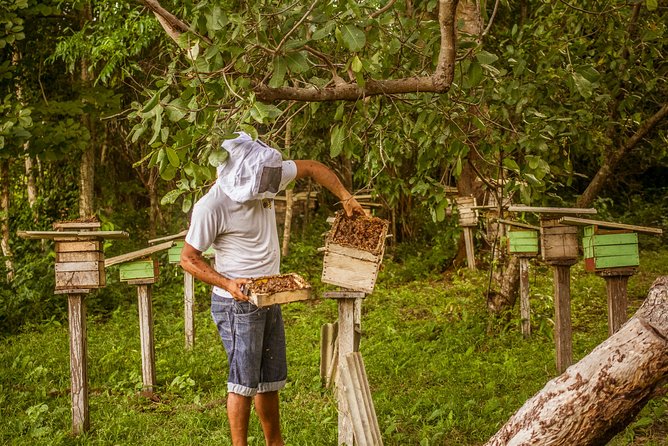
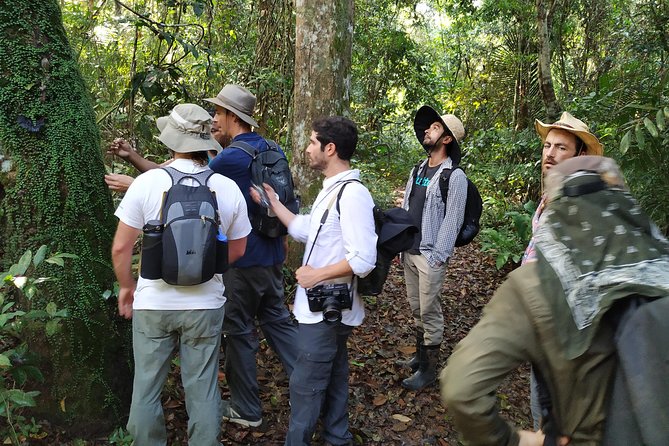
One of the strongest parts of this trip is the community visit in Anã. The focus is on how people practice extractivism, manage forests, and live with the land instead of treating it like something to conquer.
You’ll likely learn in conversation and through community guides, not through a scripted speech. That’s important for two reasons. First, it helps you understand daily choices, like what resources are used and how. Second, it makes the story feel connected to real people, not a history card.
What to expect here:
- You’re in a community space, so respect and flexibility matter more than rushing to “tick off” a location.
- You’ll probably need the help of your guides to keep things clear, especially if your Portuguese is basic. The tour is designed around that reality.
Possible drawback: if you’re expecting a standard sightseeing stop with lots of built infrastructure and quick photo moments, this kind of learning-focused stop may feel slower. But for many people, that’s the point. It turns the river cruise into an exchange, not a drive-by.
Ilha do Amor: the kind of stop that resets your day
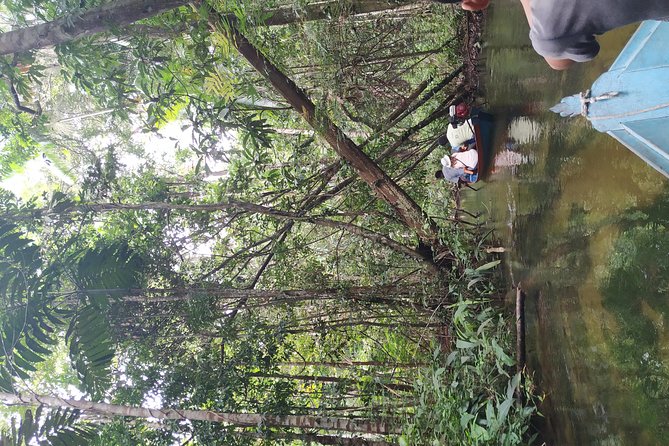
Then comes Ilha do Amor, listed as a stop on the route. Even without getting overly poetic, island stops in the Amazon usually do two things well: they give you a breather from cruising time and they put you closer to water movement up close.
This is the sort of stop where you’ll want to stay present. Put your phone away for a few minutes. Notice how the shoreline looks, how the air feels when the boat slows, and how quickly the scene changes once you’re walking rather than floating.
The upside for you: it’s a built-in moment to stretch your legs and enjoy a more personal connection to the water. The downside: if you’re the type who hates short stops and prefers long continuous activities, you might feel like you’re always switching modes. On the other hand, that rhythm is also what keeps the cruise from feeling monotonous.
Food as a main event: included regional meals and top-quality juices
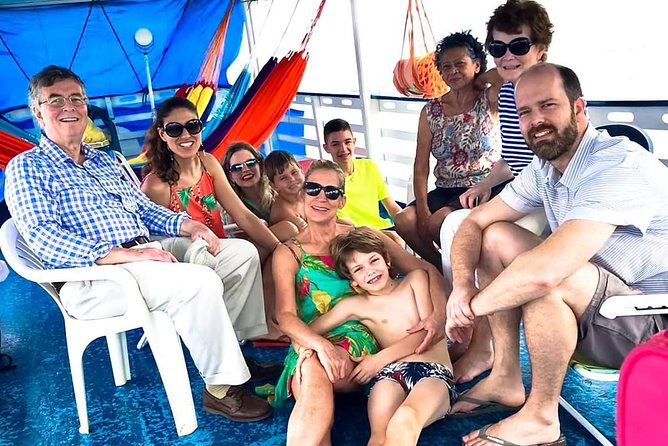
Here’s a rare thing: the trip calls out food as one of the best experiences, and the inclusions match that promise. The cruise provides lunch, snacks, water, and beer, and you get regional food plus juices described as top quality.
So instead of spending your day thinking about where to find lunch, you can just enjoy the day. On hot river days, that matters. You’ll likely be hungry, and you’ll want something that tastes local instead of generic.
What I like about this setup:
- It helps you keep pace with the day’s activities without stress.
- Regional food is a chance to understand Amazon culture through everyday tastes.
- The juices are a good practical choice when you want refreshment without having to hunt.
Pro tip: bring a light layer even if it looks sunny, because boats can shift temperatures quickly. And if you’re sensitive to alcohol, note that beer is included but you’re not forced to take it.
Rio Arapiuns time: beaches, riverain life, and learning through context
The Rio Arapiuns portion is where you get the cruising that people picture when they think Amazon. You’ll move through river space that connects beaches and riverside communities.
This is where the tour’s design really shines for first-timers. You’re not only seeing nature. You’re seeing how people live alongside it.
What you’ll likely enjoy:
- The sense of “place,” where the river feels like a highway and a source of livelihood at the same time.
- The variety of views as shorelines switch from beach-like areas to community-adjacent stretches.
- The chance to connect what you learned earlier about forest management with what you see now along the river edge.
Watch-outs:
- River travel can come with heat and humidity. Plan for it. Drink water, use the snacks, and take shade when you can.
- The tour is structured, so you may not always have long free time to wander far from guided areas. That’s normal for a region where local context matters.
Floresta Nacional dos Tapajós: protected forest, practical meaning
The itinerary includes Floresta Nacional dos Tapajós. A “national forest” stop adds a conservation lens that makes the earlier community learning feel less abstract. Instead of hearing about forest management in a community setting only, you connect it to a protected area where rules and stewardship are part of the landscape.
Even if you keep your expectations realistic, this type of stop tends to give you one big takeaway: the rainforest is not just scenery. It’s a living system shaped by people, policies, and daily stewardship.
What I would focus on during this part:
- Ask your guide questions about what you see and how people manage resources.
- Watch for the difference between what’s preserved and what’s impacted around the edges.
If you’re hoping for a heavy-duty hiking day, know that your time here may be more about guided exposure and understanding than a long grind through the jungle. Still, it’s a meaningful balance with the boat days.
Comfort details that actually matter on the water
Some inclusions feel like small perks until you’re sweaty, tired, and wet.
This tour includes:
- Restroom on board, which keeps the experience smoother
- Air-conditioned vehicle, for transfers when the sun is doing its best impression of a heat lamp
- Shower clothes, which suggests you can reset after water activities without improvising a wet-sweat situation
- Communities tax, service and attending, community guides, and a small souvenir
You might want to bring your own personal touch items, like sunscreen, bug spray, and a reusable water bottle just to be safe, even though water is included. Also, quick-dry footwear helps. If you bring sandals, pick ones that won’t feel like they’re trying to leave your feet the first time you step down uneven surfaces.
One consideration: this is a river cruise with group logistics. You’ll likely be asked to follow along and stay with your group at key moments. That’s not a problem, just plan your pace accordingly.
Price and value: what $1,862.28 buys you here
At $1,862.28 per person, you’re paying for more than transportation. You’re paying for a guided, structured Amazon experience with real community contact and full meal coverage.
So ask yourself what you’d otherwise pay for if you tried to DIY this:
- A multi-day plan with consistent river access
- Local guides who can bridge language gaps in indigenous community settings
- Meals and drinks across a long day on the water
- Entry-like costs tied to communities
- On-board comfort basics like a restroom
This tour wraps those pieces into one ticket. That is the value angle. You also get the benefit of a smaller group size (max 30), which tends to keep shore moments less chaotic.
A fair warning: the “not included” list still matters. Lodging in Alter do Chão or Santarém is not included, and tips are not included. Handcrafts of the communities are not included either. If you want to buy souvenirs, plan extra cash.
In other words, this trip is expensive compared with a simple day tour. It’s also priced like a curated regional Amazon experience, and the all-inclusive meals plus community stops are the reasons the math works.
Who should book, and who might want a different Amazon style
This is a great fit if you want:
- A hassle-free Amazon introduction from Santarém
- A mix of rivers, beaches, and guided community learning
- Meals handled, so you can focus on the day
- Help with the language barrier through community guides
This might be less ideal if you:
- Want lots of long independent exploration time without guidance
- Expect a heavy hiking day as the main event every day
- Need very flexible pacing, since it’s structured for a small group
Also, if you’re the type who enjoys good organization and strong explanation, keep your ears open for guides with excellent English. In this region, the name Vinicius Villare comes up often in positive feedback for connecting people to what they’re seeing. Your exact guide may vary, but the tour is set up to prioritize explanation, not just movement.
Should you book Tapajó Experiences from Santarém?
If you’re choosing between a standard river cruise and something with more human context, I’d lean toward booking this. The community stop in Anã, the protected forest component at Floresta Nacional dos Tapajós, and the all-inclusive food setup make it feel like a complete package, not a boat ride with extras.
Book it if you value guided access and meals handled. Consider another option if you want a very rugged, hike-first Amazon itinerary or you dislike structured group pacing.
Either way, I’d treat this as a “learn the Amazon through the river” trip. That’s the real promise here, and when you match your expectations to that, it’s the kind of 4-day experience you remember long after the water calms down.
FAQ
How long is the Amazon cruise from Santarém?
It lasts about 4 days.
What is the price per person?
The price is $1,862.28 per person.
Where does the tour start and end?
It starts at Terminal Fluvial Turístico de Santarém, Av. Tapajós, 80 – Salé, Santarém – PA, 68040-720, Brazil, and ends back at the same meeting point.
What meals and drinks are included?
All meals are included, described as lunch plus snacks, along with water and beer.
Is there a restroom on board?
Yes, there is a restroom on board.
How many travelers are on the tour?
The tour has a maximum of 30 travelers.
Is handcraft shopping included?
No. Handcrafts of the communities are not included.
Can I cancel for a full refund?
Yes, free cancellation is available. You can cancel up to 24 hours in advance for a full refund.
More Tour Reviews in Santarem
Further Up the Amazon
More Tour Reviews in Santarem
Latest from our Santarem notebook
- 8day expedition of scenic beauty and Amazon traditional culture on Tapajós River★ 5.0 · 30 reviews
- Regional Cruise in the Amazon★ 5.0 · 31 reviews
- Alter do Chão FLONA Jamaraquá Tour★ 5.0 · 50 reviews
Amazon Rainforest Tours, compared.
 ★ 4.3Guided Jeep Tour through Tijuca RainforestFrom $90740 reviews
 ★ 4.7Jungle Waterfalls and Cachaça Distillery Jeep TourFrom $37491 reviews
 ★ 4.8One-Day Amazon Jungle ExperienceFrom $100408 reviews
 ★ 4.2Full-Day Tour on the Amazon RiverFrom $55362 reviews
 ★ 4.3Presidente Figueiredo Waterfalls DaytripFrom $90149 reviews
 ★ 4.0Half-Day City TourFrom $5494 reviews
 ★ 4.5Piranha Fishing and Alligator Watch Evening TourFrom $9057 reviews
 ★ 3.9Manaus to Santarém: 36-Hour Ferry on the AmazonFrom $14055 reviews
Browse the lists this tour appears in