
REVIEW · AMAZON RAINFOREST TOURS
Manaus: City Tour
Manaus packs colonial clues in three hours. This city tour strings together Portuguese and Spanish colonization, colonial buildings, and the rubber-era story, explained by local hosts. You also get context about the Amazon ecosystem and how it relates to life in the city.
I love the practical local food recommendations, including where to eat after the walk. I also like the focus on rubber history and architecture, because it turns pretty streets and buildings into a clear story.
One possible drawback is timing. In one recent booking, the tour started about an hour later, and a German guide was not available even though German is listed among the languages.
In This Review
- Key highlights you will actually use
- Meeting Rua 10 de Julho, 679, then following a tight 3-hour story
- Teatro start: Portuguese life during colonization, put into everyday terms
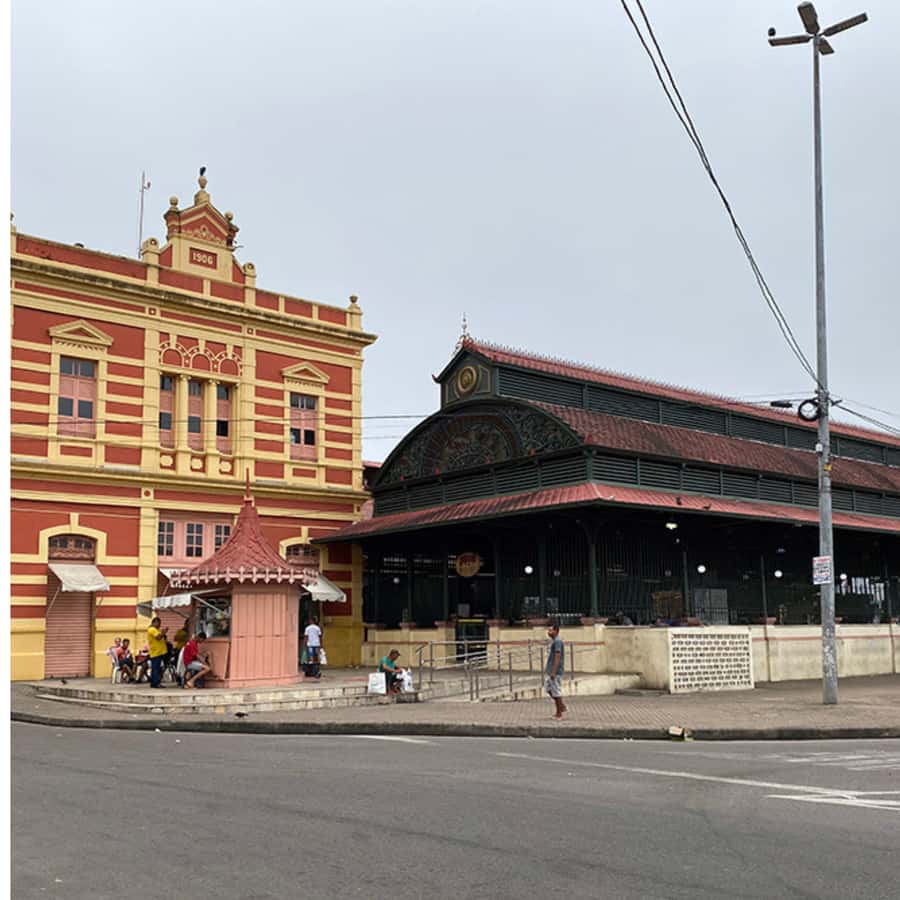
- Municipal Market and colonial buildings: learning by walking the route
- Rubber history and architecture: the city’s growth explained through design
- Local food recommendations: where to eat after the walk
- Amazon ecosystem talk from local hosts, plus crafts and curious places
- Night-out recommendations and lodge ideas for your jungle plans
- Price and value at $80 per person for a guided half-day
- Languages and what to expect if your preferred one is unavailable
- Who this Manaus tour suits best
- Should you book this Manaus city tour?
- FAQ
- FAQ
- How long is the Manaus City Tour?
- How much does the tour cost?
- Where does the tour start?
- Where does the tour finish?
- What is included in the price?
- What languages are offered by the guide?
- Is there free cancellation?
- Can I reserve and pay later?
Key highlights you will actually use
- Colonization context, explained around real buildings you can see, not just facts on a page
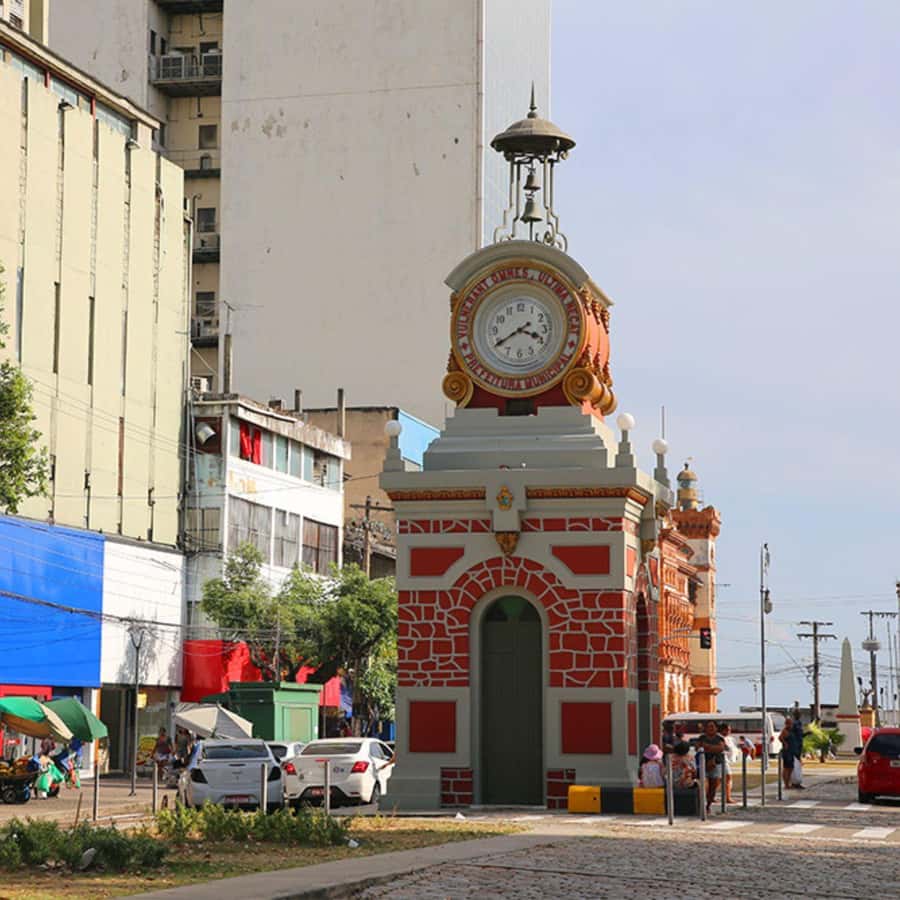
- Municipal Market stop, plus a route that brings you past colonial architecture
- Rubber history through the city’s design, with attention to architecture and why it matters
- Local food pointers, including where to find what the area eats
- Amazon ecosystem talk with local hosts, tied back to why Manaus developed the way it did
- Night-out and lodge recommendations, useful if your days are still open
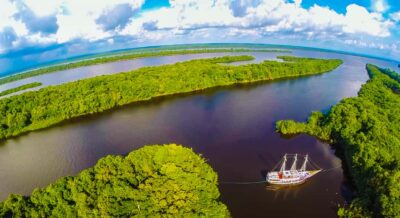
Further up the river from Manaus
Meeting Rua 10 de Julho, 679, then following a tight 3-hour story
You start at Rua 10 de Julho, 679, and the tour moves at a walkable pace. The official duration is 3 hours, which is long enough to cover several key stops, but short enough to keep the rest of your day flexible.
Your guide keeps things structured, beginning with background tied to the theatre area and then moving toward the city’s core. You will spend meaningful time on explanations, not just photo stops, which is exactly what you want when you only have a half-day.
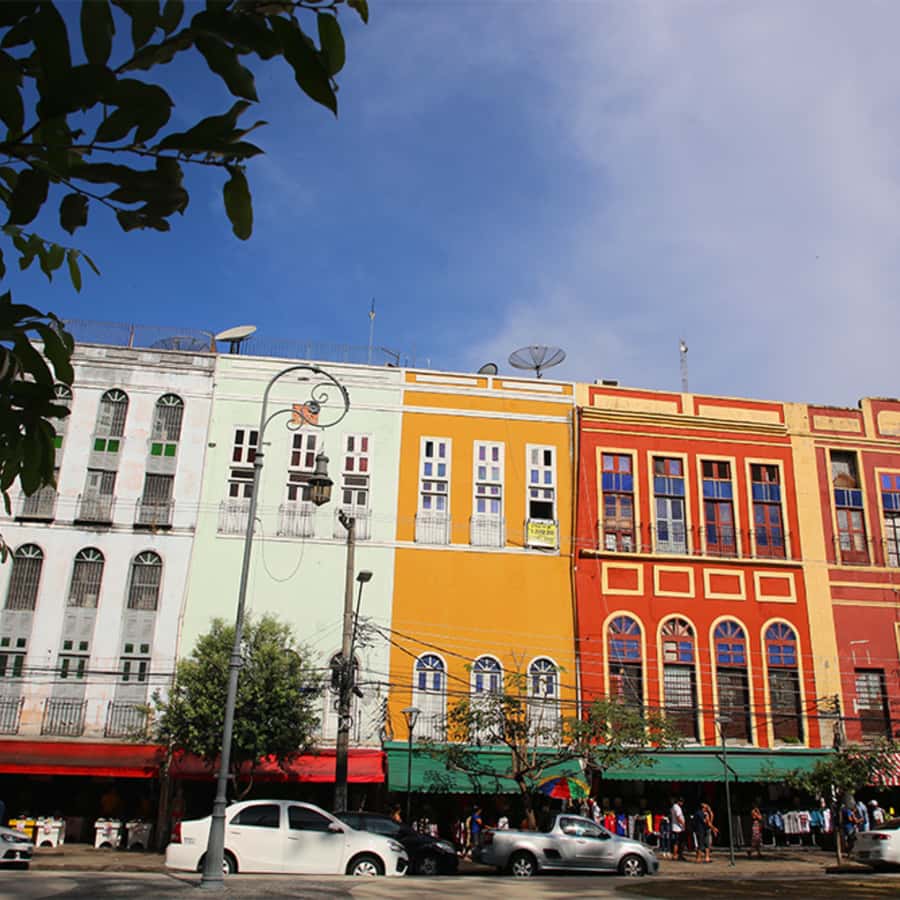
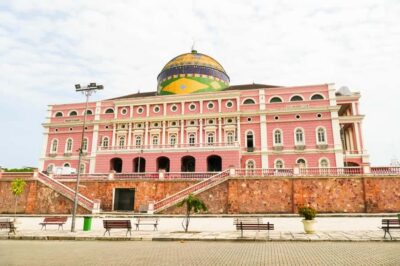
Because the tour ends at Teatro Amazonas, the day has a natural visual finish. That helps you remember what you learned while the buildings are still fresh in your mind.
Teatro start: Portuguese life during colonization, put into everyday terms
The tour kicks off in the theatre area, where you learn how the Portuguese used to live during colonization. This is not presented like a school lecture. You get the background first so the later buildings and street patterns make sense.
What I like about this kind of start is that it gives you a filter. When you see colonial architecture later, you are not just thinking, Pretty building. You are asking, Why did this look the way it did, and what did people need to live their daily lives?
You also get the Spanish and Portuguese angle in the broader story. That matters in Manaus because colonization influences show up in more than one place, including how the city grew and what kinds of structures became important.
Municipal Market and colonial buildings: learning by walking the route
Next, you head to the municipal Market. Markets are one of the best places to understand a city, because locals use them for real errands and real conversations. Even without getting too specific, you can feel the difference between a tourist stroll and the local rhythm once you arrive.
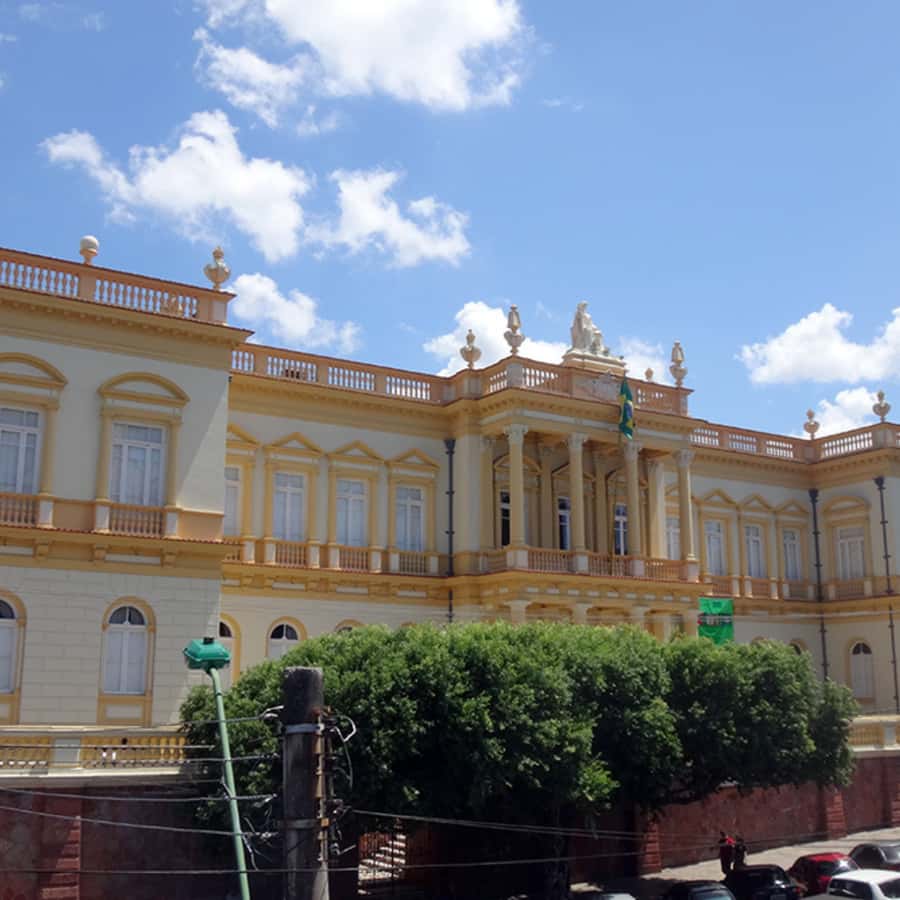
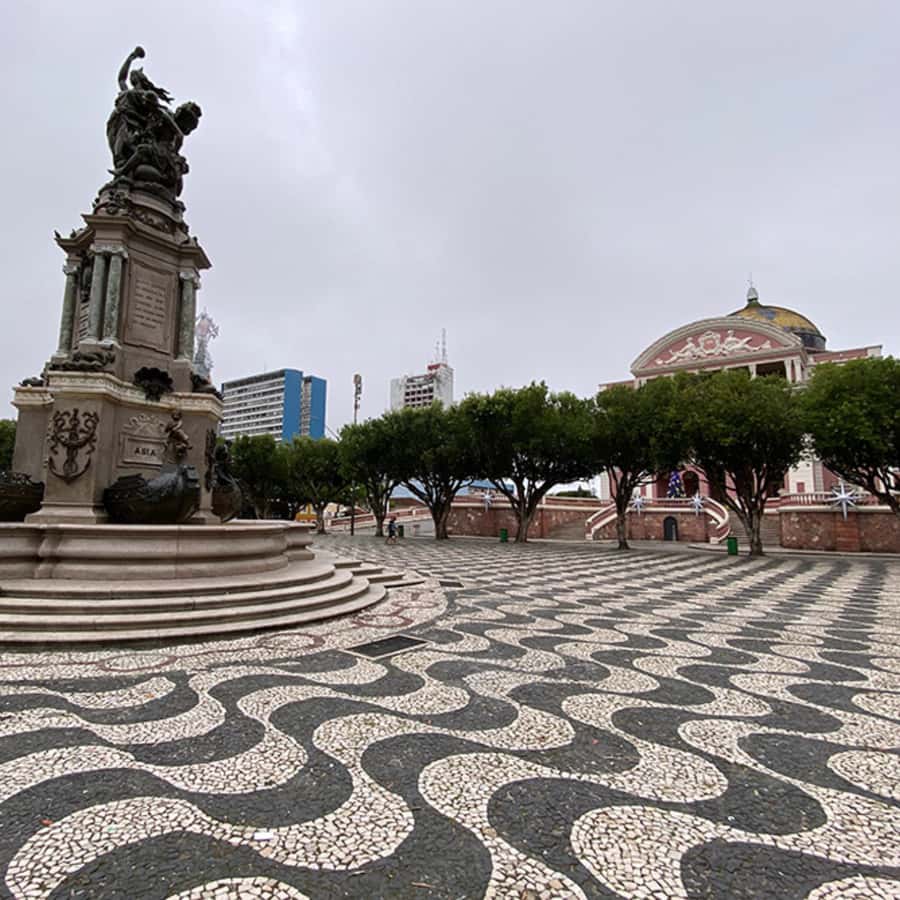
From there, the route includes colonial buildings you pass along the way. This is where the tour does good work for your brain. It links history to visible details like architecture, building layout, and the way the city reads as a constructed environment rather than random development.
You also hear how different colonizations helped shape Manaus as a city inside the jungle. That idea is the core of the experience. The tour is essentially answering one question: How do you build a city in a place that is defined by the Amazon?
If you enjoy history that is grounded in streets, you will like this section. If you only want scenic walking with minimal talking, you may find you are listening more than taking photos.
City loops we timed around Manaus
- Historic City Tour Manaus by car with 3 stops.
★ 4.9 · 18 reviews
Rubber history and architecture: the city’s growth explained through design
A major part of the tour is the history of the rubber era, and how it connects to architecture. The guide ties the rubber story into what you see in town, so the buildings become evidence instead of decoration.
Here is why that approach is valuable. Manaus can look like any other Brazilian city if you just pass through. But if you understand why money and people surged during the rubber boom, you start noticing how design and construction reflect that moment in time.
You will also get a clearer understanding of the term city within the jungle. It is not just a dramatic phrase. The rubber era and colonization pressures helped drive construction and urban planning, even though the surrounding environment is the Amazon, not a typical European-style setting.
Practical tip: keep your expectations realistic for a short tour. You are not going to memorize every date or architectural style. Instead, you should come away with a story you can repeat to yourself while you keep exploring Manaus on your own.
Local food recommendations: where to eat after the walk
One of the most praised elements in the experience description is local food recommendations, including where to eat. This is where a good guide quietly adds value, because it saves you from guessing.
Even with no specific dishes listed, you can still use the advice. Ask your guide what to try based on your tastes. If you like street food, ask for quick stops. If you prefer sit-down meals, ask where locals would choose that.
I also like that the tour does not treat food as a random add-on. It is part of understanding daily life in Manaus, alongside the market and the colonial story. If you use the guide’s suggestions the same day, everything you learn feels more real.
From a planning standpoint, this means you can end the tour and already have a solid food plan. That is a real quality-of-life win in a place where you do not want to waste time searching while you are hungry.
Amazon ecosystem talk from local hosts, plus crafts and curious places
The tour includes a segment where you learn about the Amazon ecosystem from your local hosts. The key word here is from your hosts, because it is presented as lived knowledge, tied back to the city experience.
You are not being asked to pretend you are in deep wilderness. Instead, you are building understanding of why the environment matters to the people who live here, and why the city is shaped the way it is in the Amazon context.
You also get time for crafts and curious places. Since no specific craft shops or stops are listed in the provided details, treat this as a guided browse and orientation. You will be pointed toward places that make sense to stop at, rather than being thrown into a random maze of stalls.
This is also where the tone of the tour comes through. The experience highlights that you should feel at home with your hosts, like family. That kind of welcome can matter a lot, especially if this is your first time in Manaus.
Night-out recommendations and lodge ideas for your jungle plans
Toward the end, you receive where to go out at night tips, plus recommendations for lodges if you have not reserved an immersion experience in the jungle yet.
Night-out guidance can be genuinely helpful in Manaus because it reduces the guesswork. You get the logic of where people go, how to think about your evening, and what kind of vibe matches what you want after a daytime history-focused walk.
For the jungle side, the tour is acting like a connector. If you are still deciding on where to stay, the guide points you toward lodges for a personalized stay. Even if you do not book on the spot, the recommendations can help you start narrowing choices immediately.
One caution: because the itinerary summary does not list lodge names or specific night venues, you should ask for details before you leave. If you want a booking or an address, ask while you still have the guide with you.
Price and value at $80 per person for a guided half-day
The price is $80 per person for a 3-hour guided experience, with the guide included. Whether it feels like a good deal depends on what you want from Manaus.
If you want a quick history and city orientation, you might think, Why pay for a walk? The tour’s value is that it combines several things into one guide-led thread:
- colonization background tied to architecture
- rubber history explained as part of the city story
- market and colonial building context
- food recommendations and where to eat
- ecosystem context from local hosts
- night-out and lodge suggestions
That is a lot for one half-day. Also, the tour is not only facts. The guide aims to make you feel like family, and one of the reviews mentioned that service was good.
From the data you provided, the only hard inclusion is the guide. So if you are expecting transport, museum tickets, or entry fees, that is not stated here. Plan on your own movement during the walking route unless your guide confirms specifics on the day.
Languages and what to expect if your preferred one is unavailable
The tour lists a live guide available in Spanish, Italian, German, Portuguese, and English. That is a strong selection, and it helps you join even if you do not speak local Portuguese.
But one review gave a useful reality check. A booking was later than planned, and a German guide was not available for that group, even though German is listed among the options. The guide who did lead spoke excellent English and was friendly, and the tour still delivered an interesting overview of Manaus.
So here is how I would handle language expectations. Choose the language you prefer when booking, but keep a backup in mind. If your language is not available, English or another listed language should still keep the tour useful since the guide’s job is storytelling and orientation.
Also, timing can matter. If you have dinner reservations or a tight schedule, build in a buffer. One recent booking started about an hour later due to a forgotten booking.
Who this Manaus tour suits best
This tour fits you if you want:
- a guided city story that connects architecture, colonization, and rubber history
- a market stop plus practical food pointers
- explanation from local hosts, including Amazon ecosystem context
- a friendly, host-led approach that makes you feel welcome
It might not be the best match if you want a quiet, self-guided stroll. The experience includes history and discussion as key parts of the flow.
Should you book this Manaus city tour?
If you want a short, structured way to understand Manaus beyond surface sightseeing, I think it is a smart booking. The strongest value comes from the combination of colonial architecture plus rubber history, then practical next steps like where to eat, where to go at night, and what lodges to consider.
I would book it if you are comfortable with a live guide approach and you like learning while walking. I would think twice if your schedule is tight, because one recent experience had a delayed start, and language availability can vary day to day.
FAQ
FAQ
How long is the Manaus City Tour?
The tour lasts 3 hours.
How much does the tour cost?
It costs $80 per person.
Where does the tour start?
The meeting point is Rua 10 de Julho, 679.
Where does the tour finish?
The tour finishes at Teatro Amazonas.
What is included in the price?
The guide is included.
What languages are offered by the guide?
The live tour guide can offer Spanish, Italian, German, Portuguese, and English.
Is there free cancellation?
Yes. You can cancel up to 24 hours in advance for a full refund.
Can I reserve and pay later?
Yes. You can reserve now and pay later.
More Tour Reviews in Manaus
Further Up the Amazon
More Tour Reviews in Manaus
Latest from our Manaus notebook
- Manaus: Folklore Amazonian Dinner Show★ 3.3 · 3 reviews
- Manaus : Visit to MUSA (Amazon Museum)★ 3.0 · 4 reviews
- Manaus: City Tour★ 3.5 · 4 reviews
- Manaus : A day of fishing on the Rio Negro★ 4.5 · 4 reviews
- Manaus: Amazon Rainforest Panoramic Airplane Flight★ 4.4 · 5 reviews
- Amazon Jungle 3-Hour Tree Climbing Activity★ 4.6 · 6 reviews
Amazon Rainforest Tours, compared.
 ★ 4.3Guided Jeep Tour through Tijuca RainforestFrom $90740 reviews
 ★ 4.7Jungle Waterfalls and Cachaça Distillery Jeep TourFrom $37491 reviews
 ★ 4.8One-Day Amazon Jungle ExperienceFrom $100408 reviews
 ★ 4.2Full-Day Tour on the Amazon RiverFrom $55362 reviews
 ★ 4.3Presidente Figueiredo Waterfalls DaytripFrom $90149 reviews
 ★ 4.0Half-Day City TourFrom $5494 reviews
 ★ 4.5Piranha Fishing and Alligator Watch Evening TourFrom $9057 reviews
 ★ 3.9Manaus to Santarém: 36-Hour Ferry on the AmazonFrom $14055 reviews
Browse the lists this tour appears in