
REVIEW · AMAZON RAINFOREST TOURS
Manaus : Visit to MUSA (Amazon Museum)
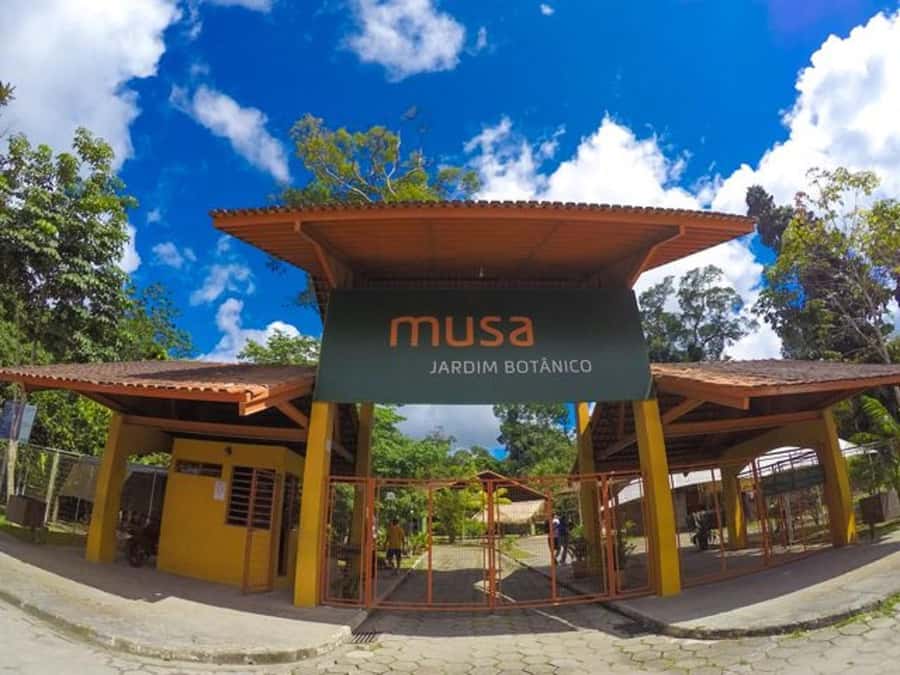
Manaus has a rare perk, a museum inside preserved forest. This half-day style visit at MUSA mixes Amazon museum exhibits with real walks in the Adolpho Ducke Forest Reserve, so you feel like you’re learning and seeing at the same time. I especially love the way the visit connects biology and daily Amazon life, not just species facts.
My second big win is the timing, the day ends with a climb to an observation tower for sunset views from inside the forest. One thing to keep in mind, the price can feel sensitive if you end up paying separately for things you expected to be included, or if you want access to special trails beyond the main route.
In This Review
- Key highlights you should know before you go
- MUSA and Adolpho Ducke, a forest museum that actually feels like Amazon
- Price and logistics for this 6-hour tour in Manaus
- Step one: Exhibitions that connect Amazon people, plants, and animals
- Step two: Nurseries for close looks at Amazon wildlife
- Step three: Adolpho Ducke trails, birds, insects, smells, and light
- Step four: The observation tower and the Amazon sunset
- Food, tickets, and the extra costs that can surprise you
- Guides and languages, who you’ll want to listen to
- Who should book this MUSA Amazon Museum visit
- Should you book this tour to visit MUSA in Manaus?
- FAQ
- How long is the MUSA Amazon Museum tour?
- How much does the tour cost?
- What is included in the price?
- What is not included?
- Do I need to bring anything?
- What languages is the live guide available in?
- Is this tour a group experience?
- Are there any rules about what I can bring or do?
- Is the tour wheelchair accessible?
- Is the tour cancellable?
Key highlights you should know before you go
- MUSA sits in the middle of Manaus, using a preserved forest setting as part of the museum experience
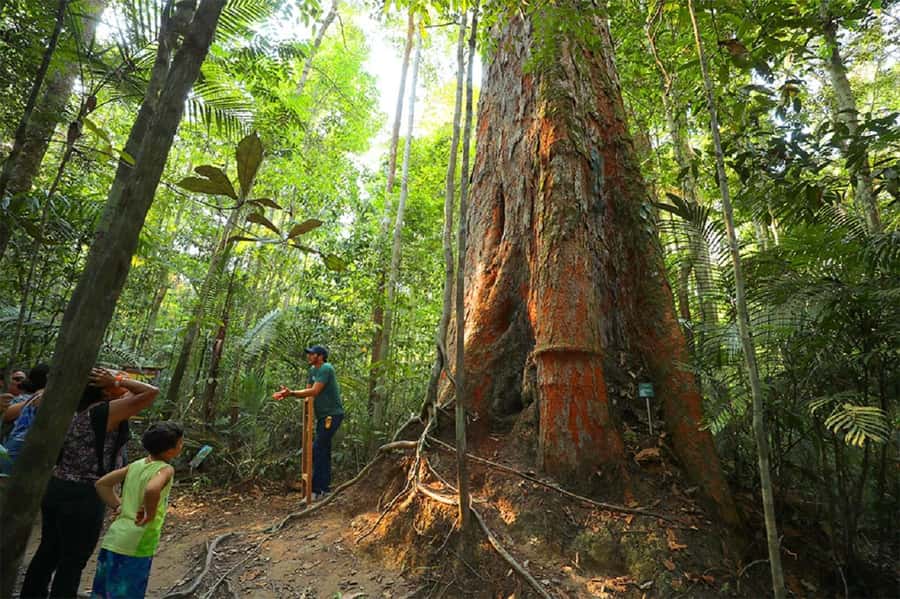
- The Adolpho Ducke trails let you walk through primary forest in an urban area, with birds, insects, and plant life close by
- Wildlife nurseries and contemplation spaces give you structured, close-up looks at snakes, fish, butterflies, arachnids, fungi, bromeliads, and more
- Sunset at the observation tower turns a normal museum visit into an ending with real atmosphere
- You skip the ticket line and go as part of a guided group with a live guide in multiple languages
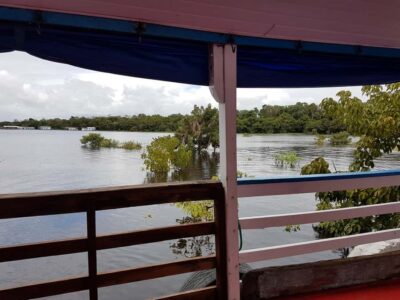
Further up the river from Manaus
MUSA and Adolpho Ducke, a forest museum that actually feels like Amazon
If you’ve ever done a museum where you leave feeling like you learned stuff but didn’t really connect with the place, MUSA is built to do the opposite. Here, the setting matters. You’re not just reading panels in a building. You’re moving through forest trails that are part of the overall experience, so the “museum” is really a guided route through Amazon environments.
The biggest reason I like this approach is simple: it helps you understand the Amazon as a system. The exhibitions set the stage with themes about Amazon socio-cultural and biological diversity, then you continue outdoors with trails where you can start noticing patterns, like how leaves collect light, how vines reach, and how forest sounds change as you move deeper between trees. Even when you stay on the standard route, you’ll come away with a stronger mental map of the place.
It’s also a good reminder that “Amazon” is not only distant wilderness. In and around Manaus, there are protected forest pockets that let you experience real ecology without waiting for a multi-day expedition.
Price and logistics for this 6-hour tour in Manaus
Let’s talk value, because MUSA is not a casual add-on. The tour is listed at $80 per person and runs about 6 hours, with transportation included and a licensed guide on the tour. You’re also told you can reserve now and pay later, and you can cancel up to 24 hours in advance for a full refund.
Transportation is handled by a car, van, or bus with professional drivers. The tour company also specifies that they use a car licensed by the tourism office, and you go collectively as part of a group. That matters because it affects your experience pace. You’re not roaming freely at your own speed, and you’re not going off-script into random corners. The upside is you get a guided flow that helps you understand what you’re seeing.
Now the honest part: one review called out that the tour price can feel misleading if you assume entry fees are already covered. The tour information you were given clearly says tickets to the MUSA Botanical Garden are not included, and it also says “skip the ticket line” and you’ll have guided support. But if you’re budgeting tightly, it’s smart to confirm whether the main MUSA entry and any other site tickets are fully bundled in your booking or paid separately.
If you want the best value, show up with two questions ready:
- What is included in the tour price versus what is paid on-site?
- If there are optional or additional routes, which ones are covered by your guide time?
That one step helps you avoid the most frustrating scenario, paying for transport and a guide, then realizing you still needed to buy add-ons to do what you thought was part of the standard experience.
Step one: Exhibitions that connect Amazon people, plants, and animals
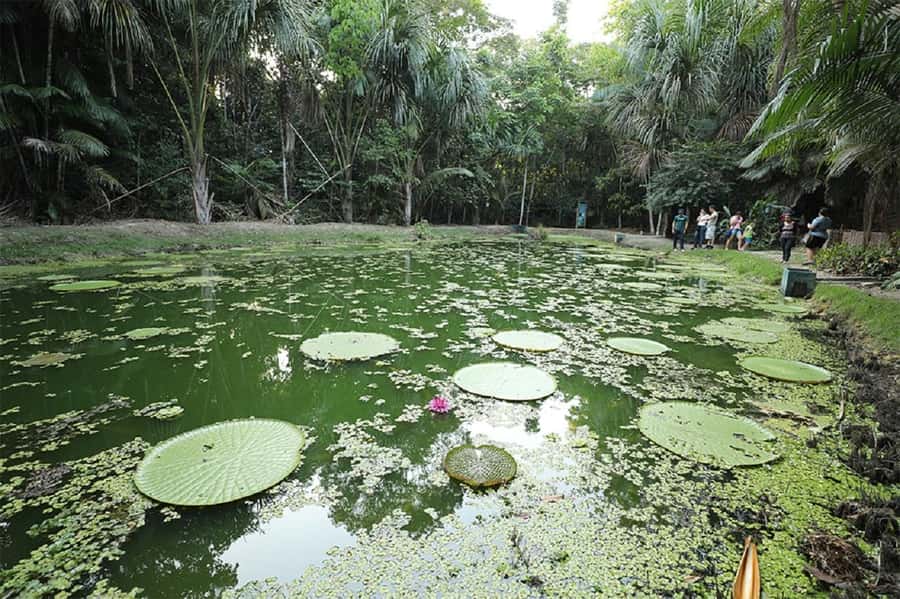
The day starts with themed exhibitions designed to show Amazon diversity in more than one way. You’ll move through content that mixes socio-cultural themes with biological ones, and the exhibits are paired with forest trails. That pairing matters because it prevents the usual “read and forget” museum trap.
In the exhibition space, you get help understanding different environments and habitats, plus how species interact. The way it’s described to you includes traditional flavors and the idea of interactions between species, not just a list of animals. That’s useful because it encourages you to look for relationships while you’re outside.
What I’d watch for on your side is how quickly you start noticing details in the forest after you’ve been primed inside. For example, if you’re told about particular habitat types, you can mentally translate that into how light falls between trees, what kinds of plants cling to trunks, and what you can hear. Even if you don’t know names, you’ll start building categories: open pockets, shaded corridors, areas with more humidity, and zones that feel different in sound.
A downside? Exhibitions can feel like a warm-up, not everyone’s favorite part. If you tend to rush through indoor content, give yourself permission to slow down here at least enough to pick up the core themes. Those themes become your “map” for the rest of the walk.
Indoor days when the rain lands
- Manaus: MUSA and INPA Museums with Observation Tower Tour
★ 3.4 · 26 reviews
Step two: Nurseries for close looks at Amazon wildlife
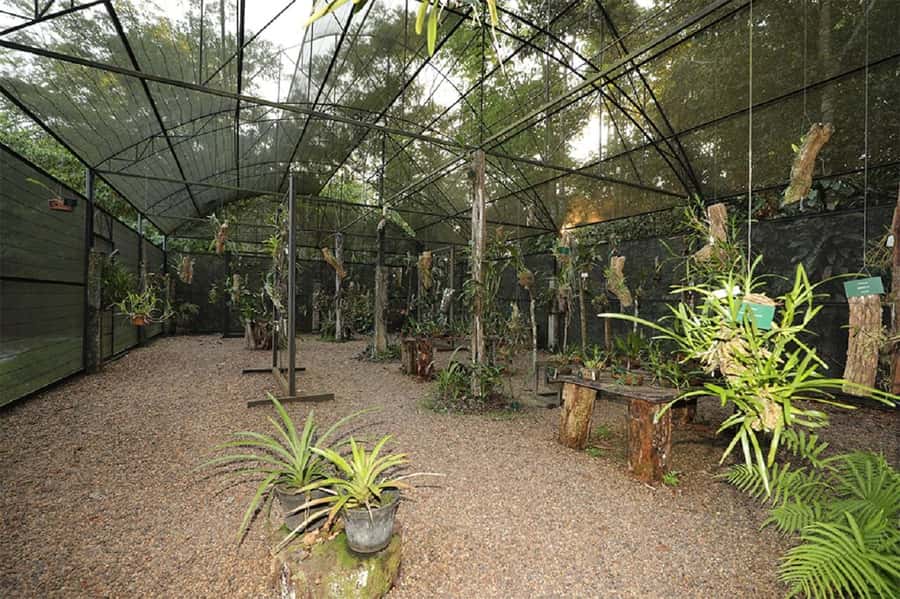
After the exhibitions, you move into nurseries and contemplation spaces that are more hands-on in the sense that they structure your attention. The information you’re given calls out specific groups you’ll be able to look closely at, including snakes, fish, butterflies, arachnids, fungi, bromeliads, and Amazon-related plants described in the itinerary.
Here’s why this stage is so practical. In a forest walk, you often see movement first and identify it later, if you identify it at all. Nurseries flip that around. You get a guided chance to observe shapes, colors, and sizes, so your brain starts to recognize patterns. Then, when you’re outside on the trails, you’re more likely to notice what those animals and plants “look like” in the real setting.
It can also help with fear and myths. When you see a snake or an arachnid up close in a controlled, explained setting, you get context. You also learn how the forest supports fungi and bromeliads, and how even small plant forms are part of a bigger ecological story. The contemplation spaces suggest you’re not just touring for speed. You’re meant to pause.
If you’re the kind of person who likes quiet observation, this is the segment that rewards you most. If you’re with kids, it’s also likely to hold attention because it’s more visual and specific.
Step three: Adolpho Ducke trails, birds, insects, smells, and light
Now you get to the part that turns the whole experience into a memory. The trails are inside the Adolpho Ducke Forest Reserve, and the tour description emphasizes that it is one of the few primary forest areas in an urban setting in the world. That’s a big deal. Walking primary forest in a city context means you can see layers of growth and a forest feel that you don’t get in smaller landscaped parks.
You’ll be walking along forest trails that focus on close observation of birds and insects, plus leaves and vines as you look for sun. This is where the guide you get matters. Some guides highlight what you can hear, some point out how to watch plant shapes, and some push you to notice smell cues too.
The itinerary specifically notes that you’ll perceive perfumes and smell resins, compound, and decomposed wood, plus shifts in light and shadow. That sensory detail is not a throwaway line. It changes how you experience the walk. When you pay attention to smells and changes in light, you stop treating the forest as a photo backdrop and start treating it as a living system.
Wear the right footwear. The tour asks for closed-toe shoes, and it also says bare feet are not allowed. That isn’t just bureaucratic language. Forest trails can involve uneven ground, damp patches, and vegetation that doesn’t care about your sandals.
A practical tip: if you care about birds, keep your expectations realistic. You might spot birds clearly, but you might also hear more than you see. Follow the guide’s cues. Birds often announce themselves first.
Another tip: don’t rush. The point is slow scanning, because the guide is guiding your attention to what a fast walker will miss.
Step four: The observation tower and the Amazon sunset
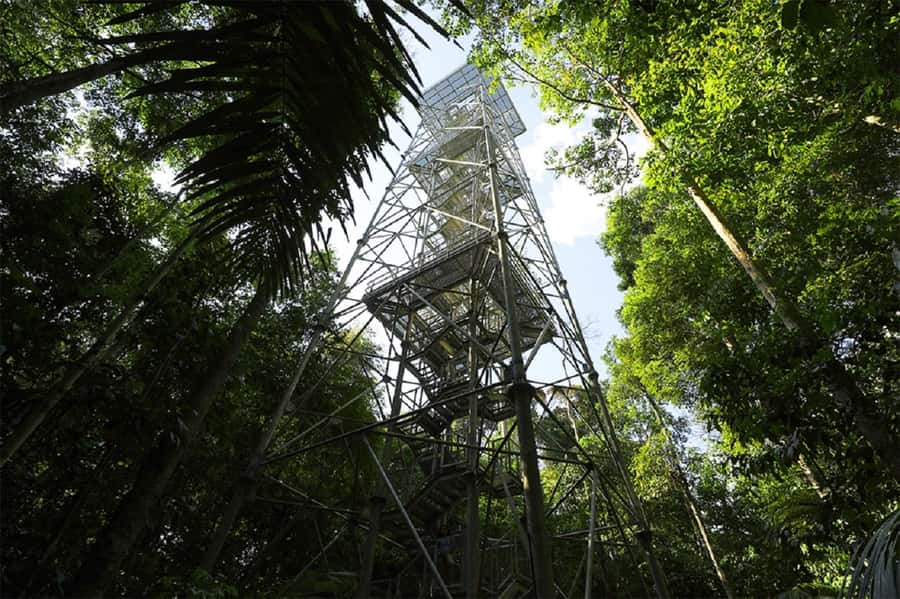
To end the afternoon, you climb an observation tower located inside the forest reserve. The tour description frames this as a unique moment: you contemplate Amazon fauna and flora from above and then watch the Amazonian sunset from a unique perspective.
Tower sunsets are tricky, because you can’t control weather. Still, the idea here is solid. Higher viewpoints compress distance and reduce clutter. You start seeing canopy structure and movement in a more “systems” way, not just tree by tree. And because you’re already in the forest for hours, you notice more when the light changes, like how shadows carve the space and how canopy texture changes color.
If you’re traveling in hotter months, bring water thinking into your plan even if food and drinks aren’t included. You want to avoid feeling thirsty in the last segment, because you don’t want that to cut your attention short at the exact moment the tour is trying to give you its best payoff.
Food, tickets, and the extra costs that can surprise you
Here’s the most practical budgeting section. Food and drinks are not included. So you either need to eat before you go or plan for a meal during whatever breaks fit your tour timing. Because the tour is about 6 hours, you’ll want a plan, especially if you’re traveling with children or if you know you get hungry fast.
Tickets to the MUSA Botanical Garden are also not included. If you want that extra botanical stop, you may need separate tickets or a different add-on plan.
Now, about the thing that can sting value. One review said the museum itself was worth the visit, but the tour price did not feel justified due to what was and was not included, plus confusion about guide coverage and special trails requiring extra payment. I can’t confirm your specific tour path from the information you were given, but I can tell you how to protect yourself:
- Before you pay, ask what “trails” means for your exact departure. Is it only the main route, or do optional routes exist?
- Ask if the guide walks with the whole group on any extended or special trails, or if some areas are self-guided.
- Confirm whether any additional entry fees apply beyond what you expect.
This isn’t about being skeptical. It’s about making sure you’re buying the day you thought you were buying.
Guides and languages, who you’ll want to listen to
This tour is run with a live guide and offers Spanish, English, French, and German. That’s a big plus in a place like Manaus where knowing even a bit of local context can change how you understand the forest.
Two guide names stand out from real experiences tied to this kind of tour. Nathan got praised as excellent, and Lorenzo was noted for speaking French. If you see those names listed for your departure, I’d consider it a friendly bonus. If you don’t, the key is still the same: pick a guide role that fits your learning style.
What I recommend, regardless of guide name, is to show up ready to ask short questions. Not long lectures. Just ask things like:
- What should I focus on right now, birds or plants?
- What smell or texture cue should I notice?
- What does the guide want me to notice at the tower?
Good guides love focused questions, because it tells them you’re paying attention.
Who should book this MUSA Amazon Museum visit
This is a strong fit if you want a single day in Manaus that blends learning and nature without needing a multi-day jungle expedition. The structure also works well if you like variety: indoor exhibits, nurseries, outdoor trails, then a sunset viewpoint.
It’s especially suitable for:
- First-timers to the Amazon region who want a “starter course” feel
- Families who benefit from structured stops and visual animal and plant displays
- Travelers who like guided walks but still want time to look, pause, and notice sensory details like light and smell
It may feel less ideal if:
- You’re the type who wants full freedom to roam on your own schedule, because this runs as a collective group tour
- You’re extremely budget-focused and dislike any chance of extra on-site fees, since some costs can appear if certain tickets are separate or if you want optional routes
Should you book this tour to visit MUSA in Manaus?
My take: book it if you want a well-timed, guided forest museum day, and you’re okay following a structured route for about 6 hours. The biggest strength is the combo of exhibits plus actual primary-forest walking in the Adolpho Ducke reserve, then the sunset finish from an observation tower. That’s a lot of content for one outing.
But before you lock it in, do two quick checks:
- Confirm exactly what’s included in the price versus any on-site entry fees or separate botanical tickets.
- Clarify whether special or extended trails exist and whether your standard guide coverage includes them.
If those boxes are clear for your departure, you’ll likely feel like you got your money’s worth, because the day has real variety and an ending that’s hard to replicate on your own. If those boxes are vague, you might end up paying more than you planned for the specific experience you wanted.
FAQ
How long is the MUSA Amazon Museum tour?
It lasts about 6 hours. You can also check starting times based on availability.
How much does the tour cost?
The price is listed as $80 per person.
What is included in the price?
Transportation is included in a car licensed by the tourism office, and you go with an accompanied licensed guide. The tour also includes skipping the ticket line.
What is not included?
Food and drinks are not included. Tickets to the MUSA Botanical Garden are also not included.
Do I need to bring anything?
You should bring closed-toe shoes.
What languages is the live guide available in?
The live tour guide is available in Spanish, English, French, and German.
Is this tour a group experience?
Yes. The tour is carried out collectively, as a group.
Are there any rules about what I can bring or do?
Smoking is not allowed. Alcohol and drugs are not allowed. Firework and bare feet are also not allowed.
Is the tour wheelchair accessible?
Yes, it is listed as wheelchair accessible.
Is the tour cancellable?
You can cancel up to 24 hours in advance for a full refund.
If you tell me your travel dates and whether you want only the main route or you’re interested in any extra trail options, I can help you sanity-check the value before you book.
More Tour Reviews in Manaus
Further Up the Amazon
More Tour Reviews in Manaus
Latest from our Manaus notebook
- Manaus: Folklore Amazonian Dinner Show★ 3.3 · 3 reviews
- Manaus : Visit to MUSA (Amazon Museum)★ 3.0 · 4 reviews
- Manaus: City Tour★ 3.5 · 4 reviews
- Manaus : A day of fishing on the Rio Negro★ 4.5 · 4 reviews
- Manaus: Amazon Rainforest Panoramic Airplane Flight★ 4.4 · 5 reviews
- Amazon Jungle 3-Hour Tree Climbing Activity★ 4.6 · 6 reviews
Amazon Rainforest Tours, compared.
 ★ 4.3Guided Jeep Tour through Tijuca RainforestFrom $90740 reviews
 ★ 4.7Jungle Waterfalls and Cachaça Distillery Jeep TourFrom $37491 reviews
 ★ 4.8One-Day Amazon Jungle ExperienceFrom $100408 reviews
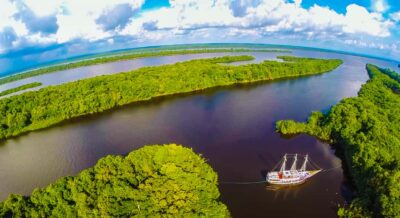 ★ 4.2Full-Day Tour on the Amazon RiverFrom $55362 reviews
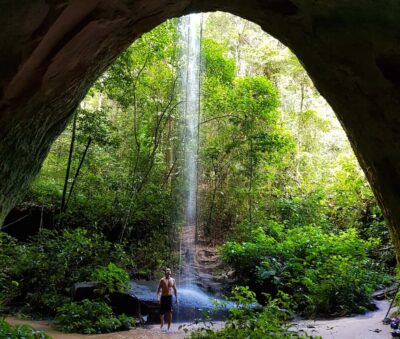 ★ 4.3Presidente Figueiredo Waterfalls DaytripFrom $90149 reviews
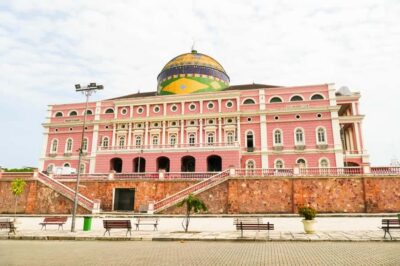 ★ 4.0Half-Day City TourFrom $5494 reviews
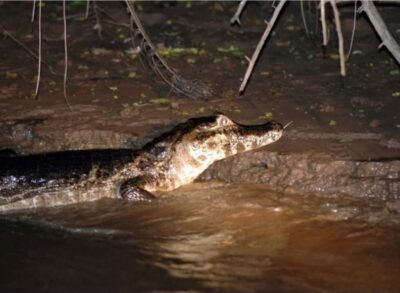 ★ 4.5Piranha Fishing and Alligator Watch Evening TourFrom $9057 reviews
 ★ 3.9Manaus to Santarém: 36-Hour Ferry on the AmazonFrom $14055 reviews
Browse the lists this tour appears in