
REVIEW · WALKING TOURS
3-Hour Urban Arts Walking Tour
Street art in Rio has receipts.
This 3-hour urban arts walk is built around a 6-year project, so you are not just sightseeing, you are learning how Rio’s artists turn walls into public storytelling. You start in Cinelandia, ride the VLT toward the Olympic area, and finish at Museu do Amanhã with a better sense of how the city’s neighborhoods speak through color.
I especially like two things. First, the focus on big mural moments, including the world-scale wall called The Ethnicities. Second, the tour’s guide work, with Edmundo often praised for explaining styles and backgrounds and for knowing artists well enough to connect what you see to who made it.
One consideration: pacing can feel more intense in hot weather, and parts of the walk can include non-street-art stops along the way, so wear good walking shoes and plan to pause when you need water.
In This Review
- Key highlights you will feel on the ground
- Start in Cinelandia, then get oriented fast
- Taking the VLT, Rio style, not just another bus ride
- The 6-year art project, and why your guide’s focus matters
- Olympic Boulevard: where murals go huge
- Beyond the murals, you will learn how to read the city
- Culture lessons, not just photo stops
- Finishing at Museu do Amanhã, then heading back smart
- Price and whether $45 feels fair for 3 hours
- Who should book this street art walk
- A few practical tips so you enjoy every stop
- Should you book this Rio urban arts walking tour?
- FAQ
- Where does the tour meet?
- Where does the tour end?
- What is included in the price?
- What should I bring?
- Is food and drinks included?
- How long is the tour?
- What languages is the tour offered in?
- Is this tour suitable for everyone?
- Do I need to confirm anything in advance?
Key highlights you will feel on the ground
- Cinelandia start, real city context: You begin at the Municipal Theatre area and spot street art as you head to the tram.
- VLT ride through the Olympic corridor: You take the modern tram and step off at Olympic Boulevard for the mural stretch.
- A guide who ties art to people: The tour is centered on artists, styles, and cultural references, not just pretty walls.
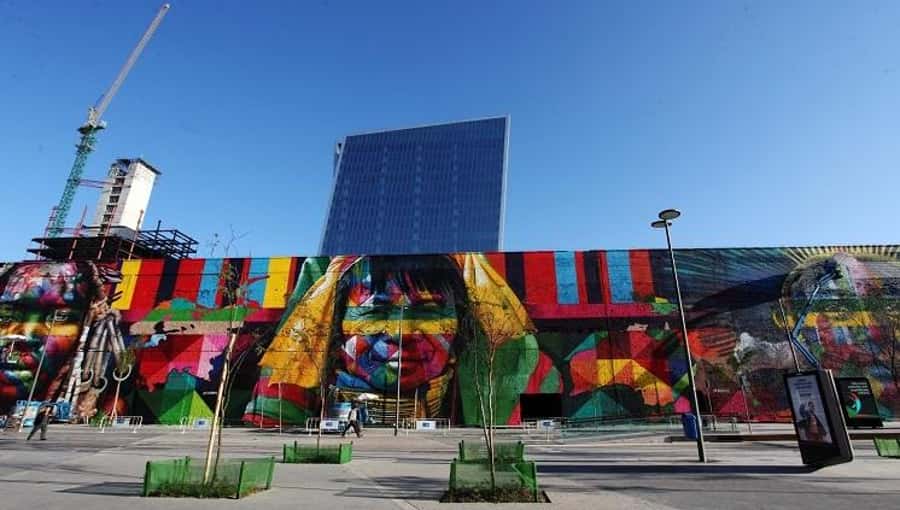
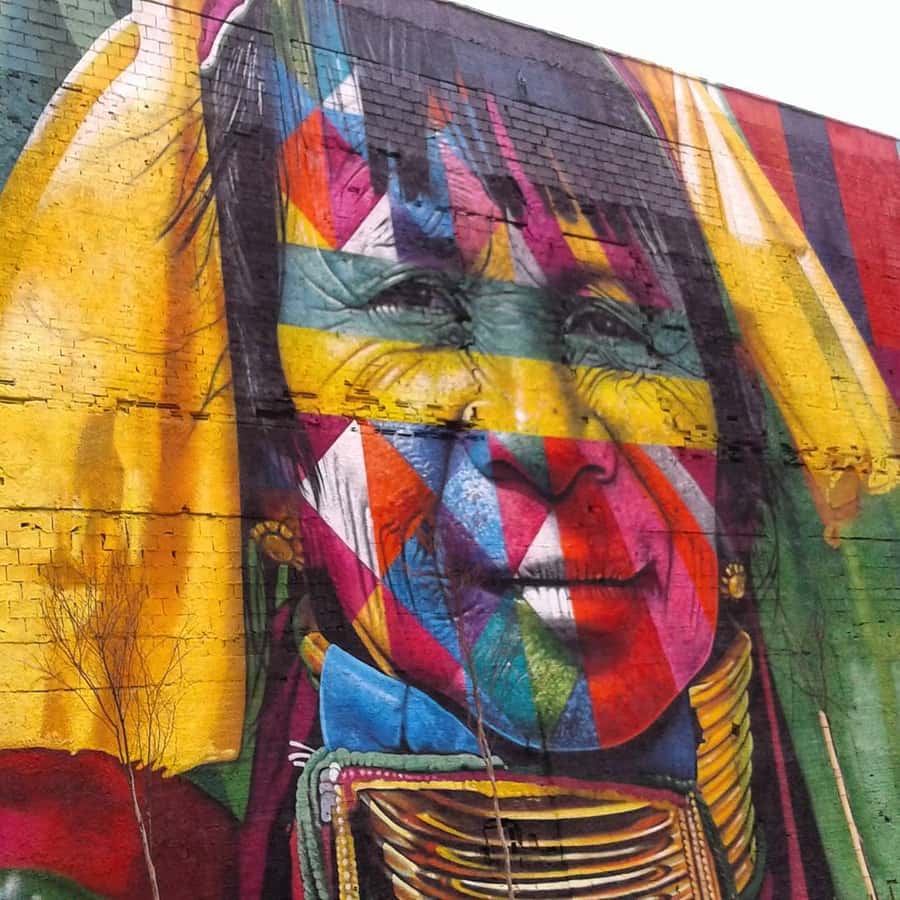
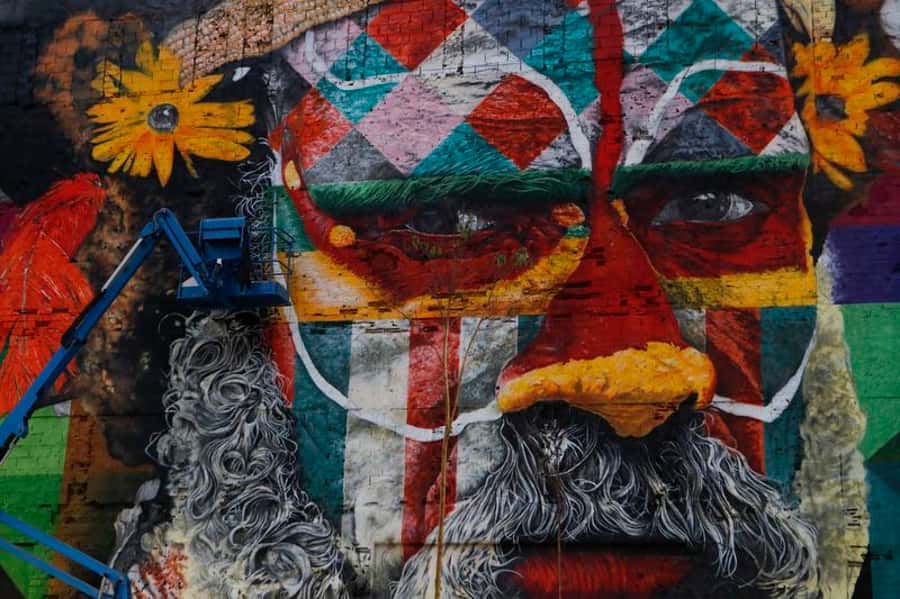
- The Ethnicities mural moment: You get a clear, explained look at a mural described as the largest street mural in the world.
- Old Rio meets new Rio: The route is designed to show how different parts of the city layer onto each other.
- Finish at Museu do Amanhã: You end at a major landmark and get directions back to your place.
Kept it on foot? So did these
Start in Cinelandia, then get oriented fast
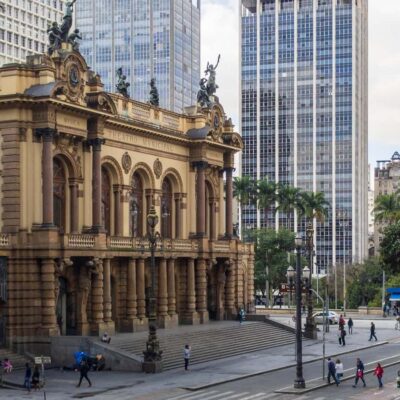
Your tour starts at 13:30 in front of the Municipal Theatre in Cinelandia, in downtown Rio. The address is Praça Floriano, S/N, Centro, Rio de Janeiro, RJ 20031-050, Brazil. Before you go, send a WhatsApp message the day before to confirm the meeting point, since that’s how the operator keeps the group synced.
This first part matters because Rio is big and street art changes block by block. A quick briefing at the start helps you know what you are about to look for, how to read what you see, and how the guide will connect murals to culture and current events.
From there, you move toward the nearest VLT station. Even before the main mural stop, you start noticing how the street art world sits alongside normal city life, from building facades to small walls near storefronts.
Taking the VLT, Rio style, not just another bus ride
You will ride the VLT tramway to the Olympic Boulevard stop. The tour uses a modern tram line that was inaugurated for the 2016 Olympic Games, which gives you a practical, comfortable way to move through the area without fighting traffic.
I like this approach because it changes the feel of the walk. Instead of only doing sidewalk miles, you get a short transit segment that sets you up for the mural zone. It also means you can keep your energy for the stops where you will actually be able to look closely and take photos.
Bring your water early. Rio heat can make the easiest walking feel like a job. If you are the type who likes to stop and look, you will thank yourself for staying hydrated right away.
The 6-year art project, and why your guide’s focus matters
The tour is organized around the result of a 6-year project, so the guide is not treating street art like random decoration. You will learn how it connects to Brazilian culture and to artists from around the world who have left their marks in Rio.
What that looks like in practice is the guide paying attention to patterns you might otherwise miss. You will hear about the meaning behind colors and lettering, and how artists choose images that speak to identity, place, and social issues.
This is also where the guide’s style really shows. Edmundo, for example, is often praised for explaining the background of images and for sharing solid context on the styles you are seeing. That human connection, including how guides know artists personally, turns street art from a wall into a conversation.
- Rio de Janeiro: 6-Stop Highlights of Rio with Lunch
★ 4.4 · 5,157 reviews - Christ the Redeemer Entry Ticket by Corcovado Train
★ 4.4 · 4,476 reviews - Rio de Janeiro: Rocinha Favela Walking Tour with Local Guide
★ 4.8 · 3,052 reviews - Rio: Christ the Redeemer, Sugarloaf, Selaron & BBQ Lunch
★ 4.5 · 2,428 reviews - Rio De Janeiro: Half-Day Rocinha Favela Walking Tour
★ 4.7 · 2,272 reviews
Olympic Boulevard: where murals go huge
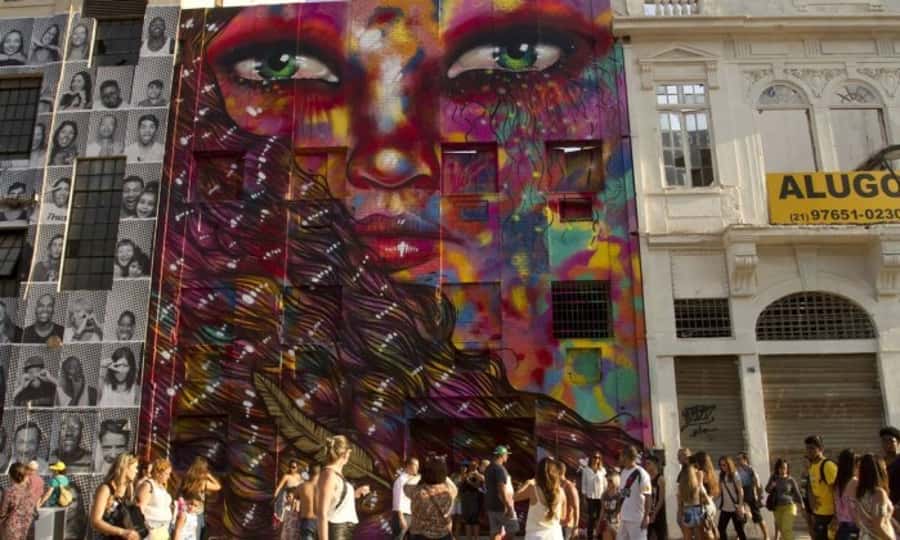
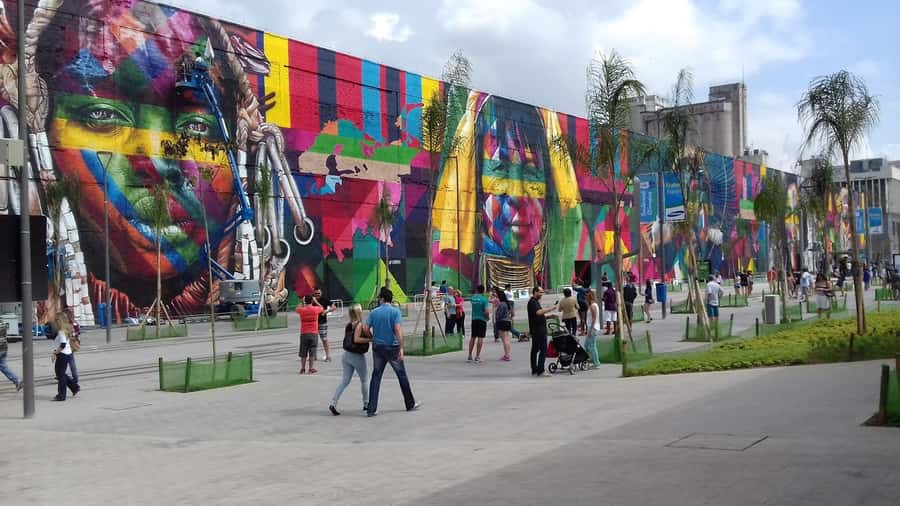
Once you step off at Olympic Boulevard, you shift from smaller neighborhood pieces to the big-wall energy Rio is famous for. This is the area where the tour spotlights older and newer Rio side by side, so you can compare how different eras leave different kinds of marks.
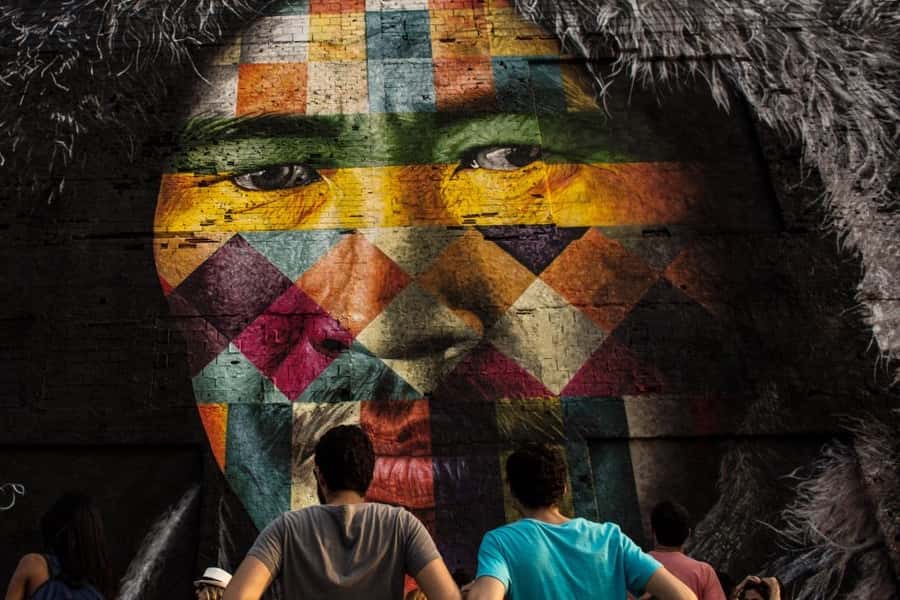
The headline moment is The Ethnicities, described as the world’s largest street mural. The guide’s job here is important, because scale alone can overwhelm you. When you get a clear explanation, you can start noticing the parts, the themes, and the way the mural is designed to be read at walking speed.
Expect to see graffiti and paintings across multiple surfaces. The tour frames it as dozens of different works, including pieces by Brazilian artists and foreigners. That matters because Rio’s street art scene is not just one style or one neighborhood. It is a mix of influences, and this stretch helps you see that mix rather than flattening it into one generic idea.
Beyond the murals, you will learn how to read the city
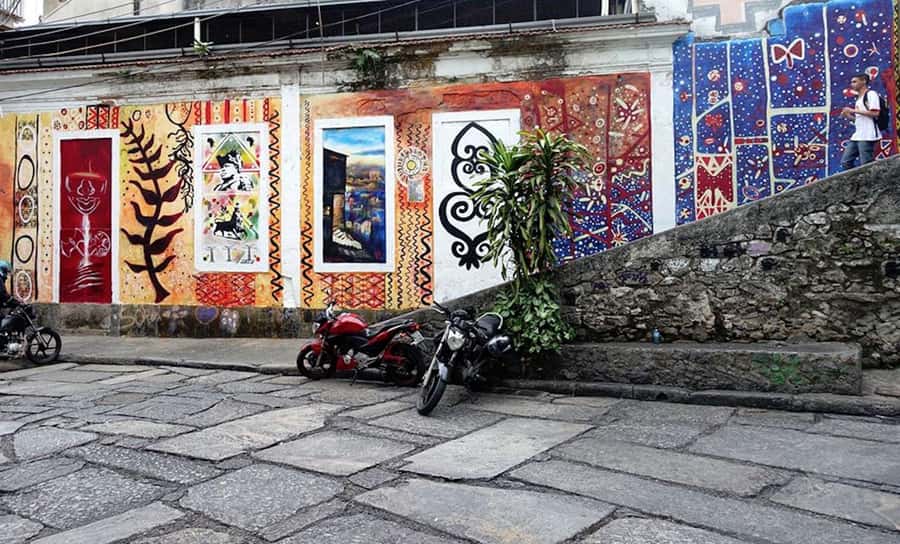
Not every stop is only about a mural. Part of the value is how the guide helps you interpret what you are seeing as you move. That includes learning to notice how street art can act like a local bulletin board, a protest sign, a tribute, or a personal signature.
On this kind of walk, you also start to understand why street art travels with the city’s story. Neighborhoods shift. People move. New walls appear, old ones fade, and artists respond to what is happening around them. The guide’s explanations make those connections clearer, even if you are not a street art specialist before you arrive.
You may also catch some interesting non-street-art sights along the route, like decorative works you pass by while walking between the main viewing points. One practical tip: if you prefer only murals, keep your focus on the guide-led mural stops, and treat side sights as quick extras rather than the main event.
Culture lessons, not just photo stops
The tour is designed to connect what you see to Brazilian culture and to the global influences visible in the city’s art. That means the guide links motifs you notice on walls to bigger ideas, like how identity gets represented and how public art reflects the issues people care about.
A benefit here is that you do not need prior knowledge. If you can look closely and ask yourself what an artwork is trying to say, the guide gives you enough context to make the meaning click.
And yes, photography is part of the fun. One reason this tour tends to score well is the picture quality you can get when you are standing in the right spots with explanations that tell you what to frame. The mural scale at Olympic Boulevard especially helps, since you can capture wide scenes and then zoom in for details.
Finishing at Museu do Amanhã, then heading back smart
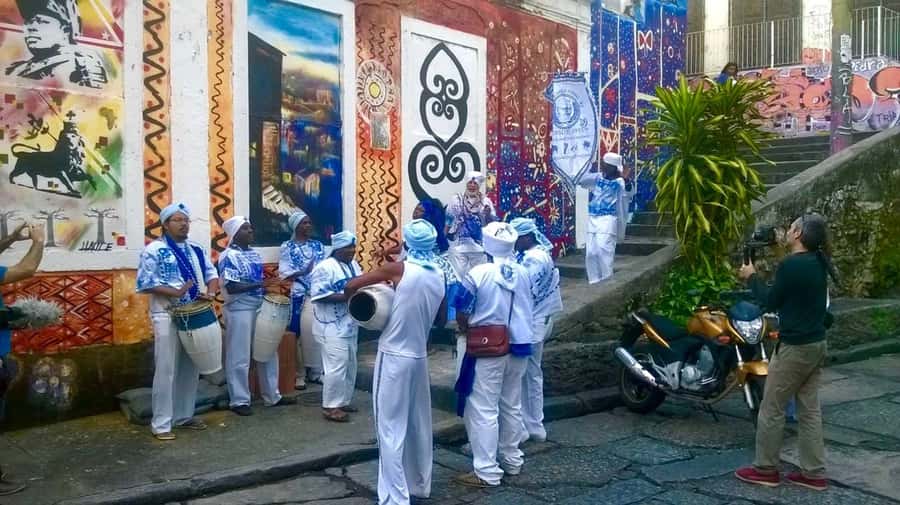
Your tour ends at the Museum of Tomorrow. The operator directs you on how to get back to your accommodation, which is a simple but useful service when you are finishing in a large, well-known area.
I like that finish point because it gives you options. If you still have energy, you are near a major landmark where it is easier to orient yourself. If you are cooked from walking, you have a clear exit and directions already handled.
Take a moment before you leave to check your phone for the final directions. If you are not used to Rio neighborhoods, it is better to be slightly cautious than to guess your route after three hours in the sun.
Price and whether $45 feels fair for 3 hours
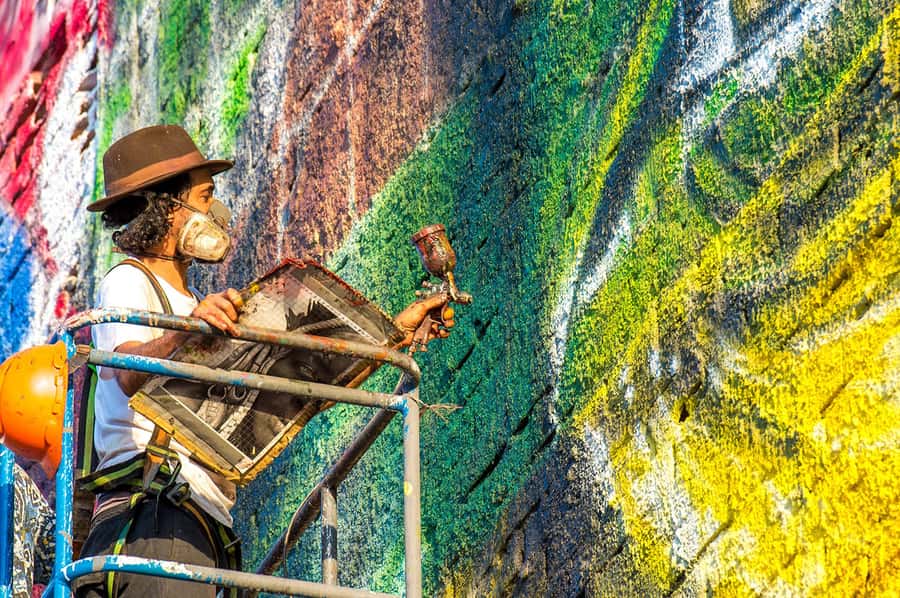
At $45 per person for 3 hours, this tour is priced like a proper guided experience, not a casual stroll. You are paying for an urban arts specialist guide and tram tickets, which matters because transportation and interpretation both cost time and effort.
The value also comes from what you get beyond “look at mural, take photo.” The tour is built around learning, including the 6-year project framing and the guide’s focus on artists and cultural connections. If street art is on your Rio must-do list, the guide component is often what makes the difference between a fun walk and an experience you remember.
One more value note: because the tour is shorter than a full half-day, it works well when you want street art without losing an entire day. It also pairs nicely with other downtown plans, since you start and finish in central, memorable places.
Who should book this street art walk
I think this is a strong fit if you want street art with explanations, and if you like connecting art to people and place. It is also a good choice if you do not want to organize transit yourself between downtown and the Olympic corridor.
It is likely less suitable if you need very easy walking or very slow pacing. The tour is listed as not suitable for children under 10, people with heart problems or respiratory issues, and wheelchair users, and it also lists older travelers over 70 as not suitable. Also keep in mind that it is a daytime walking tour, and Rio heat can be real.
If you are traveling with young kids, or if you have mobility limits, you will probably do better choosing a shorter, more accessible option. If you are healthy, steady on your feet, and ready to walk for three hours, this one makes sense.
A few practical tips so you enjoy every stop
- Bring water. Do not treat it like optional.
- Wear comfortable clothes and walking shoes. Street art hours do not pause for blisters.
- If you care about photos, plan to linger when the guide explains key details, not only when you see the biggest wall.
- Message by WhatsApp the day before so you do not start the day chasing the meeting point.
Should you book this Rio urban arts walking tour?
Book it if you want street art with real context, especially if murals like The Ethnicities are on your radar. The biggest advantage is the guide approach, with Edmundo frequently praised for tying what you see to the people behind it and the styles behind the images.
Skip it or think twice if you only want short, shaded walks or if you are sensitive to intense pacing and hot conditions. Also, if you strongly prefer strictly street art and nothing else, you should be aware that the route can include a few side sights.
For most people who are street-art-curious, this is a smart value: you get a specialist guide, tram transport to the mural zone, and a clean end point at Museu do Amanhã.
FAQ
Where does the tour meet?
The meeting point is at 13:30 in front of the Municipal Theatre of Rio de Janeiro (Praça Floriano, S/N – Centro, Rio de Janeiro – RJ, 20031-050, Brazil).
Where does the tour end?
The tour finishes at the Museum of Tomorrow, and you will be directed on how to get back to your accommodation.
What is included in the price?
The price includes an urban arts specialist tour guide and tram tickets.
What should I bring?
Bring water and comfortable clothes.
Is food and drinks included?
No. Foods and beverages are not included.
How long is the tour?
The duration is 3 hours.
What languages is the tour offered in?
The live tour guide is available in English, Portuguese, and Spanish.
Is this tour suitable for everyone?
It is not suitable for wheelchair users and it is also listed as not suitable for people with heart problems or respiratory issues, and for certain age groups including children under 10.
Do I need to confirm anything in advance?
Yes. You are asked to send a WhatsApp message the day before to confirm your presence and the meeting point details.
Everything Else We Rated in Rio De Janeiro
More Tour Reviews in Rio De Janeiro
More Tour Reviews in Rio De Janeiro
Latest from our Rio De Janeiro notebook
- Unforgettable Boat Party★ 5.0 · 3 reviews
- Tijuca National Park and all its wonders!★ 5.0 · 3 reviews
- Rocinha Jeep Tour: A Journey into the Soul of the Favela!★ 3.8 · 3 reviews
- Rio: Favela Walking Tour of Rocinha with a Resident Guide★ 4.7 · 3 reviews
- Rio: Private, Custom express, Main Attractions!★ 5.0 · 3 reviews
- Rio: Museum of Tomorrow, Yup Star & Olympic Boulevard★ 3.7 · 3 reviews
Walking Tours, compared.
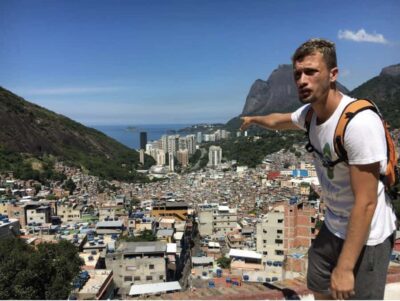 ★ 4.8Rocinha Favela Walking Tour with Local GuideFrom $363,052 reviews
 ★ 4.7Half-Day Rocinha Favela Walking TourFrom $352,272 reviews
 ★ 5.0Sunrise and Sunrise Walk Two Brothers with Local GuideFrom $64193 reviews
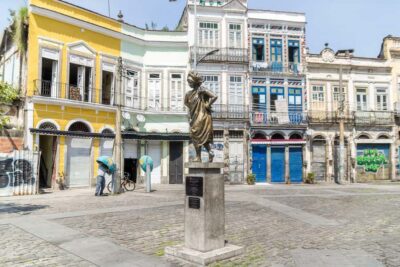 ★ 4.9Little Africa Heritage Walking TourFrom $40177 reviews
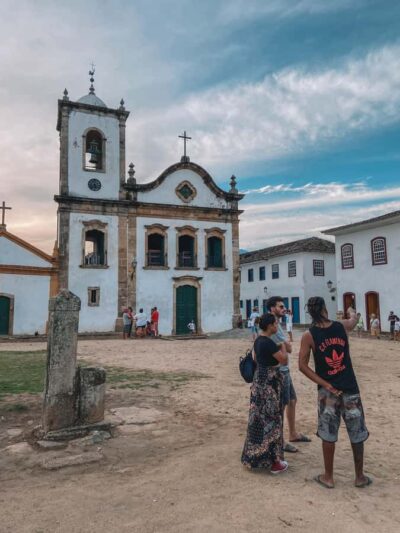 ★ 4.8Historic Centre Walking Tour & Cachaça TastingFrom $1996 reviews
 ★ 5.0Downtown-Center History Walking Tour – in EnglishFrom $3191 reviews
 ★ 4.9Downtown-Center Walking Tour | 2 Hours – EnglishFrom $3784 reviews
 ★ 5.0Learn the History of Rio with an Unforgettable City Center Walking TourFrom $4982 reviews
Browse the lists this tour appears in