
REVIEW · HISTORICAL TOURS
Rio de Janeiro: Little Africa Heritage Walking Tour
Samba has a street address. This 150-minute walk through Rio’s Little Africa traces African ancestry through colonial port life, then lands on the monuments tied to samba and Afro-Brazilian dance. I love how the guide starts with the big-picture colonial context so the streets click right away.
Best part for me is the rooftop moment at the Rio Art Museum, with Mauá Square and Guanabara Bay laid out below you, then the route keeps pointing you at the people behind the symbols. I also like how the stops focus on culture in real places, like Pedra do Sal and the Mercedes Baptista tribute.
The tradeoff is simple: you’re outside most of the time, rain or shine, so you’ll want comfortable shoes and water ready, and the tour is not suitable for children under 5.
In This Review
- Key highlights you should not miss
- Where the Little Africa walk starts at Museu de Arte do Rio
- The colonial intro that makes the street stops hit harder
- Morro da Conceição, the walk that sets the tone
- Rooftop pause at the Rio Art Museum, Mauá Square and Guanabara Bay
- Largo da São Francisco da Prainha, African influence on Brazilian food
- Mercedes Baptista statue, Afro dance history in public art
- Pedra do Sal, the birthplace of samba stop
- Jardim Suspenso do Valongo, ending at Valongo
- Price, pacing, and what $40 buys you in 150 minutes
- Who this walk is best for, and who should skip it
- Practical tips to make the most of your Little Africa heritage walk
- Should you book this Little Africa Heritage Walking Tour?
- FAQ
- How long is the Rio de Janeiro Little Africa Heritage Walking Tour?
- Where do I meet the guide?
- Is the tour available in English?
- Is the tour outdoors and does it run in bad weather?
- What should I bring?
- Is it suitable for children?
Key highlights you should not miss
- Rooftop views from Museu de Arte do Rio over Mauá Square and Guanabara Bay
- Colonial-period context first, so the rest of the walk makes emotional and historical sense
- African influence on Brazilian gastronomy at Largo da Prainha
- Mercedes Baptista’s statue honoring Afro dance roots in Brazil
- Pedra do Sal as the place samba was born in Rio
- Jardim Suspenso do Valongo and Cais do Valongo to close at Valongo
Kept it on foot? So did these


Where the Little Africa walk starts at Museu de Arte do Rio
You begin in front of Museu de Arte do Rio. It’s a smart starting point because the museum location anchors the walk in Rio’s port region, where the movement of people, goods, and ideas shaped the city. Plan to arrive about 5 minutes early, because if you’re late, the guide can only wait 15 minutes.
You’ll start with a short warm-up that feels more like orientation than trivia. The guide sets the stage with Brazil’s colonial history, and that matters, because the rest of the tour is built on cause and effect, not isolated sightseeing. Even if you already know a few things about Rio, this opening helps you read what you’ll see next.
The colonial intro that makes the street stops hit harder
Before you start covering ground, the guide introduces the colonial period. You’ll connect the economic engine of the era to the people who were forcibly brought to Brazil, and to the ways cultural expression survived, adapted, and grew.
This part is not about guilt or doom for its own sake. It’s about clarity. When you understand why “Little Africa” became a port district identity at the turn of the 20th century, you’re better prepared to understand what the later landmarks represent.
You also get an early sense of how sensitive, direct the tour can be. The best guides balance respect with realism, and that balance comes through in the way they lead questions during the walk. If you like tours where you’re not just watching, this pacing tends to work well.
Morro da Conceição, the walk that sets the tone
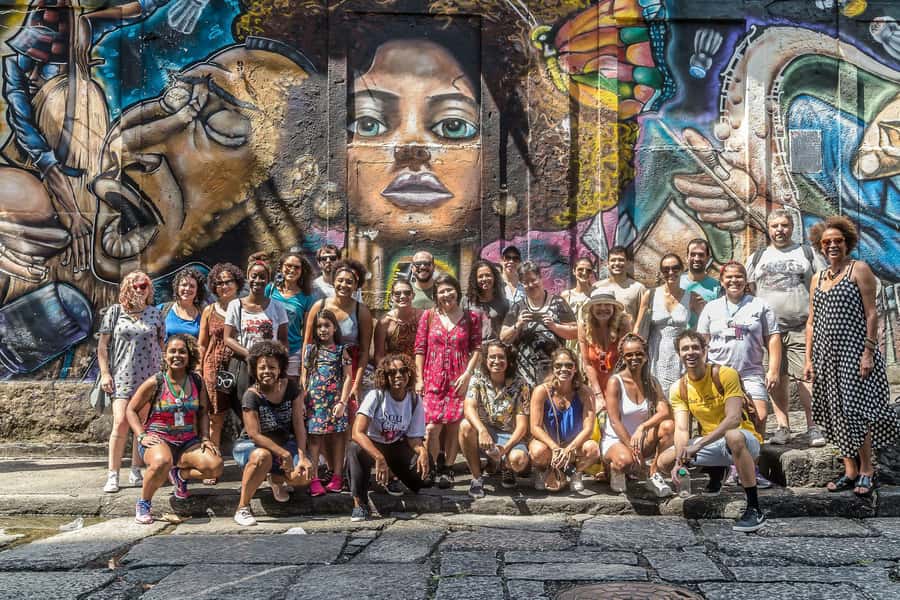
From the museum area, you head toward Morro da Conceição. This leg is described as a guided tour and a walk, and it works like a transition between “learning mode” and “street-level observation.”
What I like about this stop is how it sets expectations for the rest of the route. You’re not treating the port region like a backdrop. You’re learning to see it as a living patchwork of communities, history, and everyday life.
Wear shoes that can handle uneven streets and steady walking. The tour is built around movement, and the emotional weight of the story is reinforced by the physical pace.
Older stories from Rio De Janeiro
- Rio de Janeiro: Little Africa Heritage Walking Tour
★ 4.9 · 177 reviews - Explore Little Africa : Unveiling Afro Heritage in Rio de Janeiro
★ 5.0 · 97 reviews - Learn the History of Rio with an Unforgettable City Center Walking Tour
★ 5.0 · 82 reviews - Rio’s city walking tour: a glimpse of history and olympic legacy
★ 4.5 · 78 reviews - Olympic Boulevard, Museum of Tomorrow & Historical Rio
★ 4.5 · 66 reviews
Rooftop pause at the Rio Art Museum, Mauá Square and Guanabara Bay
A standout moment is the brief explanation and viewpoints from the rooftop of Museu de Arte do Rio. On a good clear view (or even on a moody day), you can take in Mauá Square and Guanabara Bay.
This rooftop stop does two things. First, it helps you place the port region geographically, so later stops feel less random. Second, it gives you a breather before you move back into the denser, more detailed parts of the walk.
You’re likely to want a phone for photos, but don’t let the camera swallow the moment. Look up, then look outward. That helps you understand why the area became a hub after the slave trade became illegal in Brazil, when freed people still worked in the region.
Largo da São Francisco da Prainha, African influence on Brazilian food
Next you visit Largo de São Francisco da Prainha (often referred to as Prainha in the area’s history). This stop is where the tour connects African heritage to Brazilian gastronomy. That’s a refreshing shift, because too many history tours only talk about music and politics.
Food is a smart entry point. It’s practical, it’s repeatable, and it lives in everyday routines. When you hear how African influence shaped what people cooked and how communities shared meals, the story feels more human and less abstract.
You’ll also spend time walking and listening here, not just stopping for a photo. If you’re the type who likes your history tied to daily life, this is a great anchor.
Mercedes Baptista statue, Afro dance history in public art
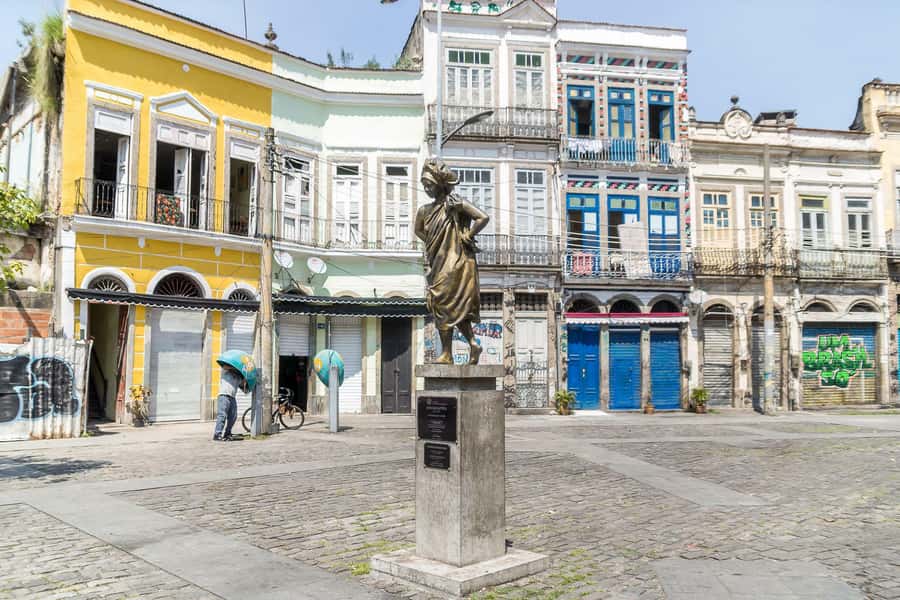
From there, the route includes a stop at a statue erected in honor of Mercedes Baptista. She’s described as the forerunner of Afro dance in Brazil and the first black dancer at the Municipal Theater in Rio de Janeiro.
This is an important kind of landmark. A museum might explain the past, but a statue in a public space shows what a city chooses to remember. The tour’s framing helps you see the difference between “something that happened” and “something the city honors.”
Also, because Afro dance is physical, it’s a good bridge to the next big stop about samba. Even if you’re not a dancer, the story helps you hear rhythm in the route, not only in the background of Rio.
Pedra do Sal, the birthplace of samba stop
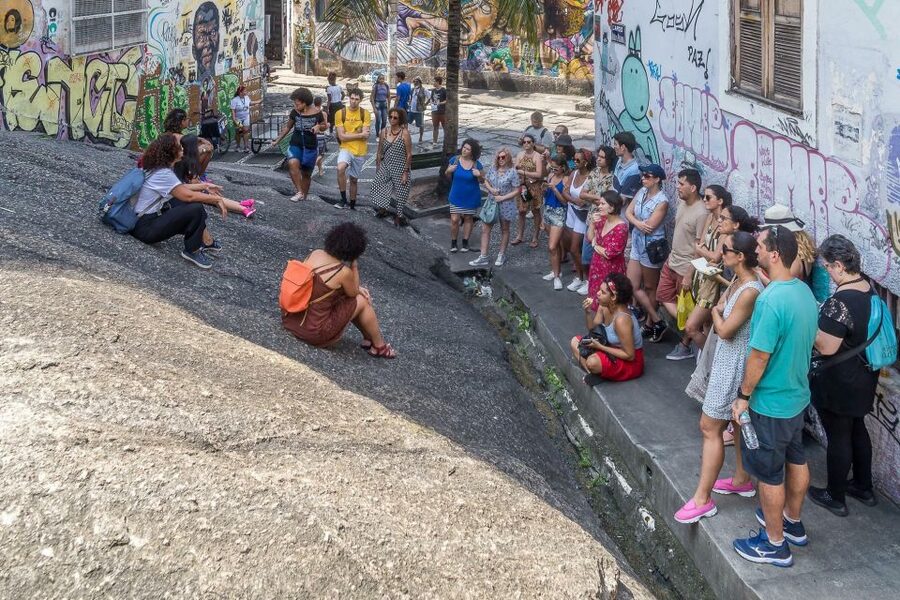
The tour then pauses at Pedra do Sal, considered the place where samba was born. You’ll also learn that this area is the oldest continuously-inhabited black neighborhood in Brazil.
That is a heavy label, and it’s worth treating it with seriousness. What makes this stop especially powerful on a walking tour is that you’re not reading it like a plaque. You’re standing in the neighborhood that carries the meaning.
From a practical angle, this is one of those places where you should slow down. Look around. Take in what you can without forcing the moment into a photo pose. You’re absorbing cultural history in real time, right down to how the neighborhood feels today.
If you want to understand why samba matters far beyond music, this stop is the turning point. The tour doesn’t treat samba like a party fact. It treats it like a survival strategy that became art.
Jardim Suspenso do Valongo, ending at Valongo
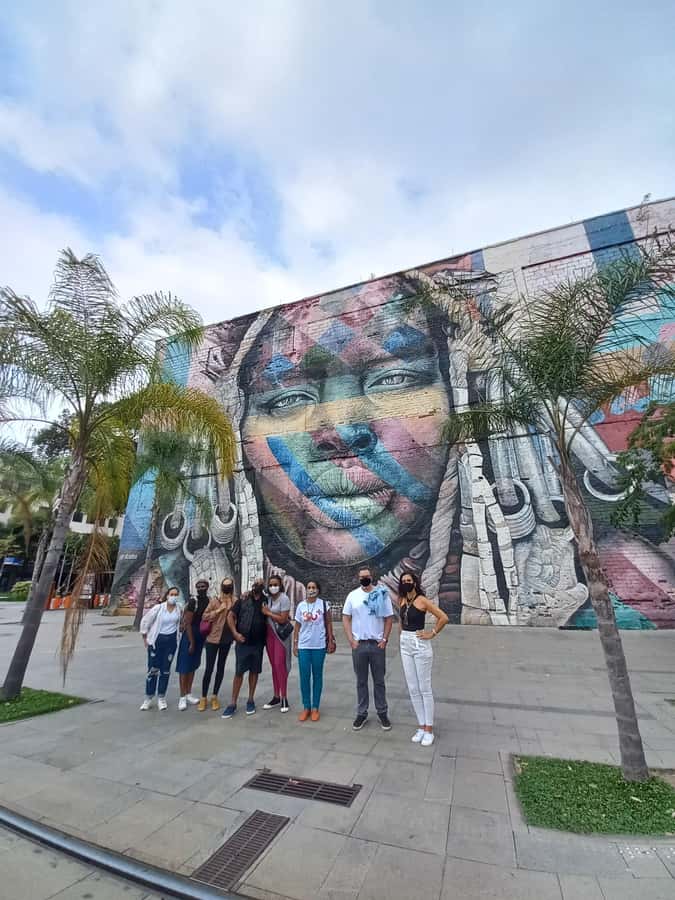
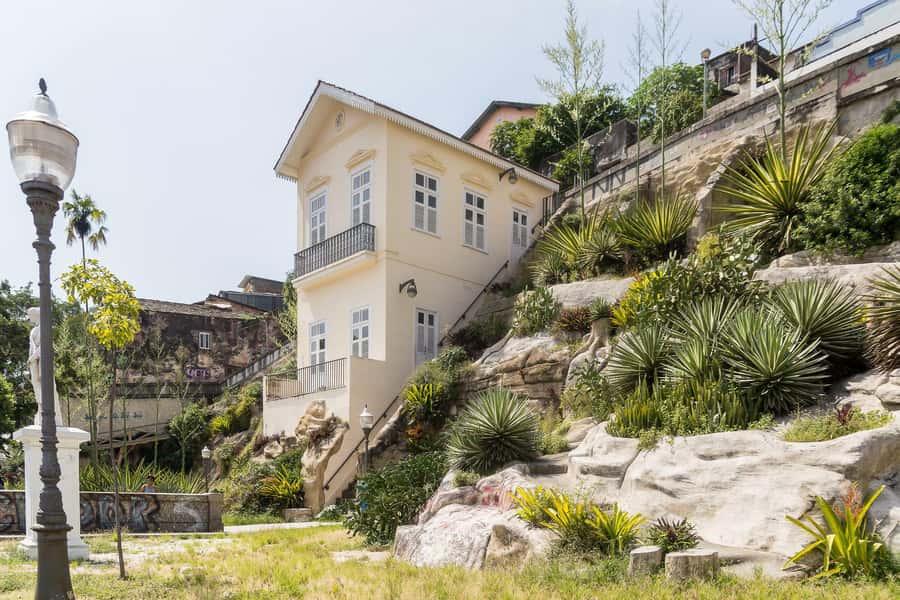
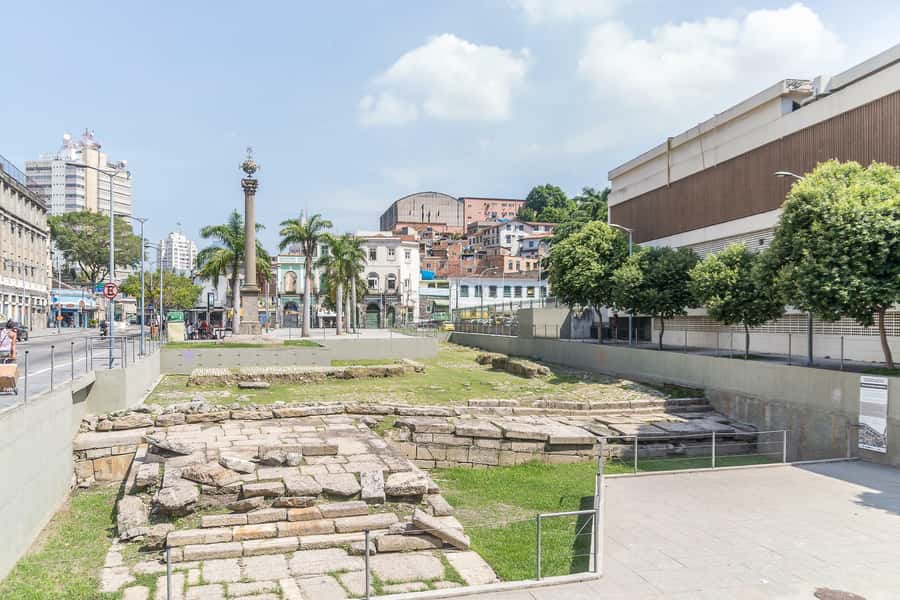
The final phase brings you to Jardim Suspenso do Valongo (Hanging Garden of Valongo), and then to Cais do Valongo. The tour ends back at Museu de Arte do Rio after these visits.
Valongo is one of those names you’ll hear when people talk about the port’s role in Brazilian history. The Hanging Garden stop is described as part of the route, and it helps you shift from culture back to the port’s deeper historical layers.
I like this ending because it doesn’t leave you with only the “celebration” version of Afro-Brazilian heritage. It closes with the places connected to the port system itself, so you leave understanding that culture developed inside harsh realities.
The route structure also helps your brain. By the time you reach Valongo, you’ve already seen how African influence spread into food, dance, and music, and now you’re connecting that cultural growth to the city’s physical history.
Price, pacing, and what $40 buys you in 150 minutes
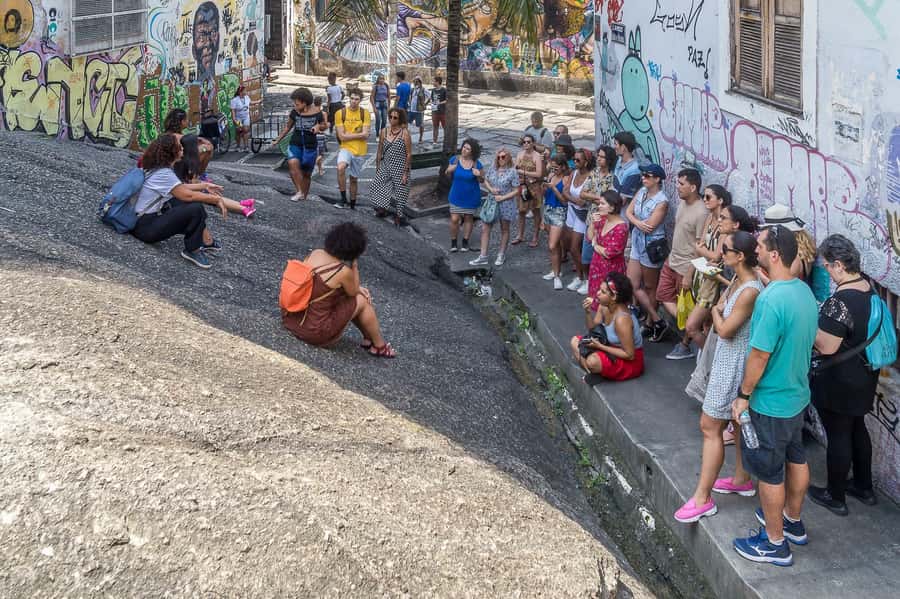
At $40 per person for about 150 minutes, you’re paying for a focused, guided route through multiple landmark areas in Rio’s port region. You’re not just getting a walking companion. You’re getting a historical narrative built around specific places.
This is good value if you want context, not only sights. A self-guided stroll through downtown Rio can be interesting, but it usually turns into “I saw things” rather than “I understand why these things matter.” Here, the guide’s story linking colonial context to samba and Afro dance is the value engine.
The pacing is also part of the deal. There’s a short 10-minute break at the museum. But the rest is steady movement, including rooftop viewing and multiple guided stops that take around 20 minutes each.
If you’re sensitive to walking in the heat, take the physical side seriously. This isn’t a long tram ride day. It’s a walking story, rain or shine.
Who this walk is best for, and who should skip it
This tour fits best if you want to understand Afro-Brazilian heritage in Rio through actual landmarks, not general facts. If you like guides who ask questions and connect history to the present, you’ll likely appreciate the way the story is delivered.
It’s also a strong pick if you care about cultural origins, like where samba is said to have started and how Afro dance developed public recognition. The route’s emphasis on people, not just places, makes it meaningful.
Skip it if your group needs a very slow pace, or if you’re traveling with children under 5, since it’s explicitly not suitable for them. And if you hate walking outdoors, you might want a different kind of Rio tour on your schedule.
Practical tips to make the most of your Little Africa heritage walk
- Bring comfortable shoes you trust on streets with uneven pavement.
- Pack water, sunscreen, and light layers, since it runs rain or shine.
- Keep your pace flexible. The guide’s best moments are usually during short explanations, not only at the stops.
- If your guide offers suggestions for food or a nearby café break, take them seriously. Food is a major theme on this route.
Finally, set your expectations. This is not a tour that pretends slavery and racial inequality were distant events. It’s framed to help you understand the history behind the neighborhood names and cultural expressions you see in Rio.
Should you book this Little Africa Heritage Walking Tour?
If you want a Rio tour that goes beyond postcards and gives you a street-level understanding of African heritage, I’d book this. The combination of rooftop views, samba origins at Pedra do Sal, and the Valongo closing stops creates a complete story arc in about 2.5 hours.
If you only want light entertainment or you’re skipping walking days, you might feel the hours more than you’d like. But for most people who want to understand Rio’s real cultural roots, this is a high-impact, good-value choice.
And because it’s offered with free cancellation up to 24 hours in advance, you can book now without feeling locked in.
FAQ
How long is the Rio de Janeiro Little Africa Heritage Walking Tour?
It lasts about 150 minutes, so plan for roughly 2.5 hours of guided walking and stops.
Where do I meet the guide?
Meet the guide in front of Museu de Arte do Rio. Arrive about 5 minutes early, and the guide can wait up to 15 minutes if you’re delayed.
Is the tour available in English?
Yes. The tour is offered in English, with a live tour guide.
Is the tour outdoors and does it run in bad weather?
Yes, it takes place rain or shine. Wear comfortable clothes and plan for time outside.
What should I bring?
Bring comfortable shoes, sunscreen, water, and comfortable clothes.
Is it suitable for children?
No. The tour is not suitable for children under 5 years old.
Everything Else We Rated in Rio De Janeiro
More Tour Reviews in Rio De Janeiro
More Tour Reviews in Rio De Janeiro
Latest from our Rio De Janeiro notebook
- Unforgettable Boat Party★ 5.0 · 3 reviews
- Tijuca National Park and all its wonders!★ 5.0 · 3 reviews
- Rocinha Jeep Tour: A Journey into the Soul of the Favela!★ 3.8 · 3 reviews
- Rio: Favela Walking Tour of Rocinha with a Resident Guide★ 4.7 · 3 reviews
- Rio: Private, Custom express, Main Attractions!★ 5.0 · 3 reviews
- Rio: Museum of Tomorrow, Yup Star & Olympic Boulevard★ 3.7 · 3 reviews
Historical Tours, compared.
 ★ 4.4Historic Rio and Santa Teresa Half-Day TourFrom $47228 reviews
 ★ 4.9Downtown Historical Bike TourFrom $85191 reviews
 ★ 4.0Scenic Train ride to historical cities of Morretes and AntoninaFrom $128188 reviews
 ★ 4.4From Foz do Iguazu: Triple Frontier Landmark TicketFrom $24136 reviews
 ★ 5.0Explore Little Africa : Unveiling Afro Heritage in Rio de JaneiroFrom $8297 reviews
 ★ 4.8Historic Centre Walking Tour & Cachaça TastingFrom $1996 reviews
 ★ 5.0Downtown-Center History Walking Tour – in EnglishFrom $3191 reviews
 ★ 5.0Learn the History of Rio with an Unforgettable City Center Walking TourFrom $4982 reviews
Browse the lists this tour appears in