
REVIEW · WALKING TOURS
Little Africa – Walking tour from the passed to the future
Rio tells its African story in alleys. This 3-hour walk through Little Africa follows the area’s role as a gateway into Rio for people arriving from the African continent, and it helps you notice what still remains in the streets. It is history you see, not history you just read.
What I like most is how Black heritage gets explained through real places, from the former slave open market vibe to stores, homes, and graveyards that shaped everyday life. I also like that the guide ties the past to the present, using art and culture as the bridge to the future. One thing to consider, especially if you book in English, is that guide English clarity can vary, and you might run into at least one museum stop that has extra entry costs not always baked into the plan.
In This Review
- Key highlights to look for
- Little Africa in Rio, why this 3-hour walk hits differently
- What you actually see: remnants of the African arrival zone
- The past-to-future angle, where art and culture come in
- Guide quality and language: English can work, but confirm
- Price and what feels like value in the real world
- Timing, meeting point, and how to prepare
- Who this tour is best for, and who should choose another plan
- Should you book Little Africa from past to future?
- FAQ
- Where does the Little Africa walking tour meet?
- How long is the tour?
- How much does the tour cost?
- Is food or transportation included?
- What languages are available?
- Are there discounts for children?
- Can I cancel for a refund?
- Is there a minimum number of participants?
- How do I pay?
Key highlights to look for
- A former African arrival gateway: You walk through an area described as the entrance point for men, women, and children coming from Africa.
- Physical remnants in the street pattern: The tour focuses on noticing what is left, along with the stories behind it.
- Black history plus art and culture: The tour is not only about tragedy, it also points toward creativity and what continues today.
- Past to future framing: The ending themes connect heritage to where Brazilian culture is heading.
- Guides can make or break comprehension: Language quality matters, and it is worth checking before you go.
- Expect some heavy moments: Many people get emotional, so keep the mood respectful and calm.
Kept it on foot? So did these
Little Africa in Rio, why this 3-hour walk hits differently
Little Africa is the kind of place where the past is not far away. You do not tour a textbook. You move through alleys where you are asked to pay attention to remarks that make the area make sense. The tour’s theme, past to future, works because it pushes you to connect history to the culture you can still feel in Rio today.
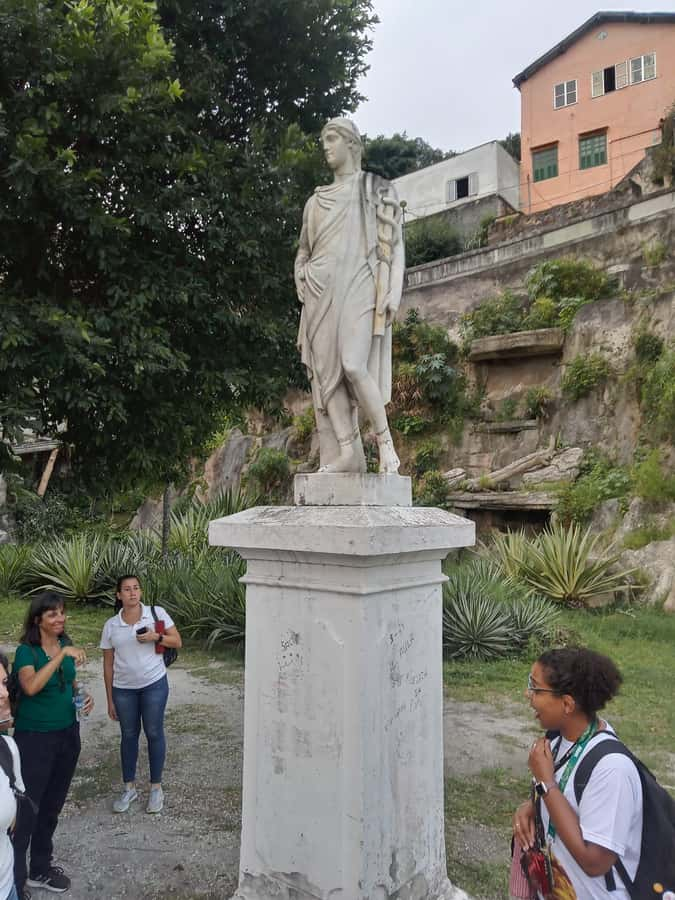
If you are drawn to learning how migration, slavery, and resilience shaped Brazil, this is a focused way to start. The guide keeps pointing out how the neighborhood served as an important entry zone for African newcomers, and the tour description makes it clear you are walking through an area that used to include an open slave market, stores, houses, and graveyards. That is a lot of weight for a 3-hour stroll, but it is handled as an educational walking route.
The best part is that you are not stuck with names and dates. You are learning through place. You get prompts to look at the details, then the guide translates those details into story. That is why people often get emotional here. It is not just what happened, it is the way the space keeps the memory.
What you actually see: remnants of the African arrival zone
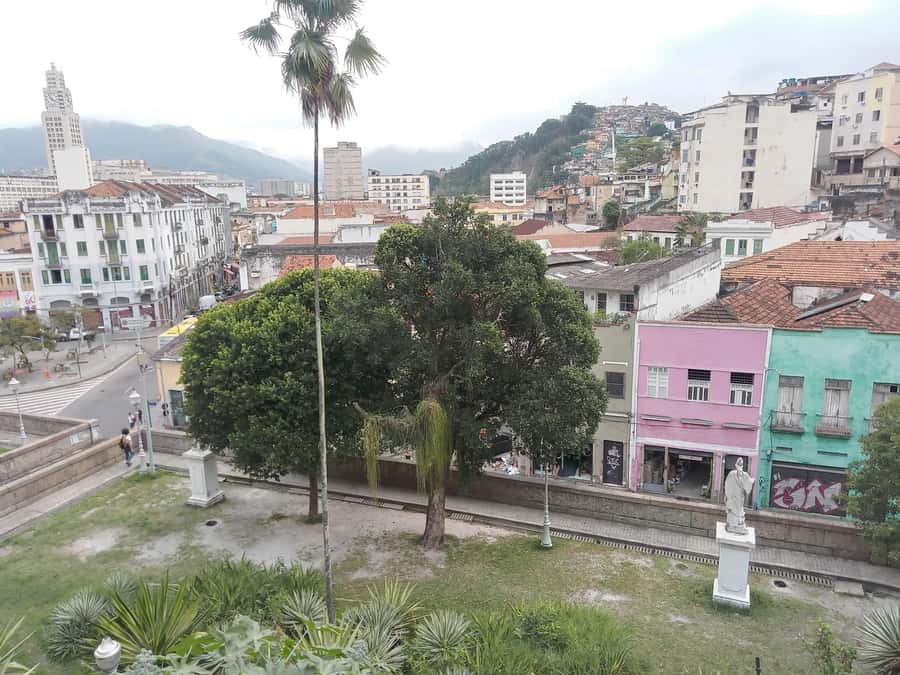
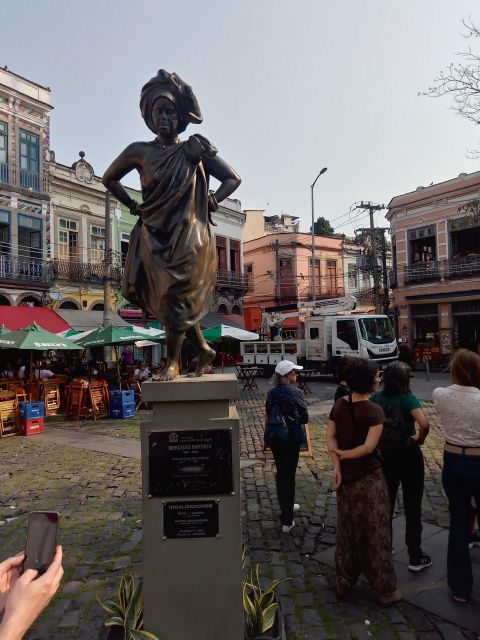
The tour centers on an area known as Little Africa, described as the entrance point in Rio for people arriving from the African continent. That framing matters. It tells you this was not a distant event. It was a lived reality that involved families, not only single travelers.
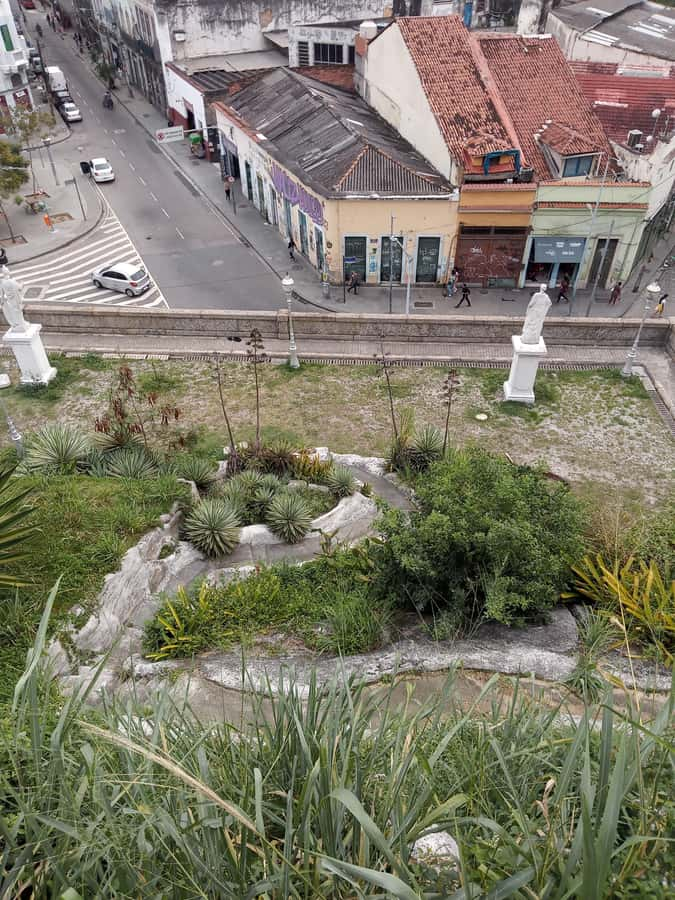
As you walk, you are guided to notice what the neighborhood used to include. The tour description highlights:
- an open market linked to slavery
- stores and everyday commercial life
- houses where people lived and interacted
- graveyards connected to the harsh realities people faced
Even when the remains are subtle, the guide’s job is to help you read them. Think of it like learning a map by using the landmarks that are still there. You are not asked to guess. You are asked to pay attention as the guide explains why a place matters.
One caution: this is history with emotional content. If you are traveling with children, the tour can still work, but you’ll want to keep expectations realistic. The tour itself is respectful and reflective by design, and the pace is meant to allow the story to land.
The past-to-future angle, where art and culture come in

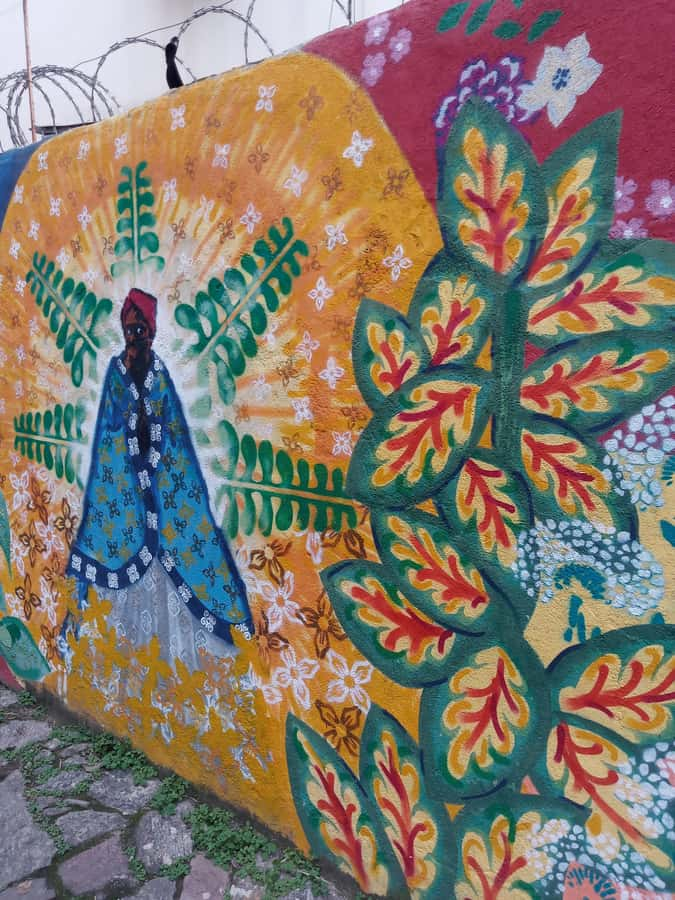
The highlights list includes art, culture, and the future. That is not just marketing fluff. The way this kind of tour usually works is that the guide starts in the historical reality, then uses culture as the connector.
Here’s what that means for you on the ground:
- You learn the historical role of the area, then the guide connects it to heritage and identity.
- You are shown how cultural expression in Brazil did not appear out of nowhere. It grew out of survival, adaptation, and community life.
- You end with a sense that history is not a closed chapter. It shapes modern culture, especially through art and social memory.
This is also where the guide’s storytelling style becomes important. In one booking scenario, a guide named Gabriela is described as both knowledgeable and personable, with a storytelling approach that builds a foundation for really experiencing Brazil’s history and culture. Another guide named Larissa is praised for passion and for telling the story in a way that helps you visualize the scene. When that storytelling clicks, the past-to-future theme stops feeling abstract.
If storytelling does not land because of language clarity, the connection can be weaker. That is why the language point below matters.
- Rio de Janeiro: 6-Stop Highlights of Rio with Lunch
★ 4.4 · 5,157 reviews - Christ the Redeemer Entry Ticket by Corcovado Train
★ 4.4 · 4,476 reviews - Rio de Janeiro: Rocinha Favela Walking Tour with Local Guide
★ 4.8 · 3,052 reviews - Rio: Christ the Redeemer, Sugarloaf, Selaron & BBQ Lunch
★ 4.5 · 2,428 reviews - Rio De Janeiro: Half-Day Rocinha Favela Walking Tour
★ 4.7 · 2,272 reviews
Guide quality and language: English can work, but confirm
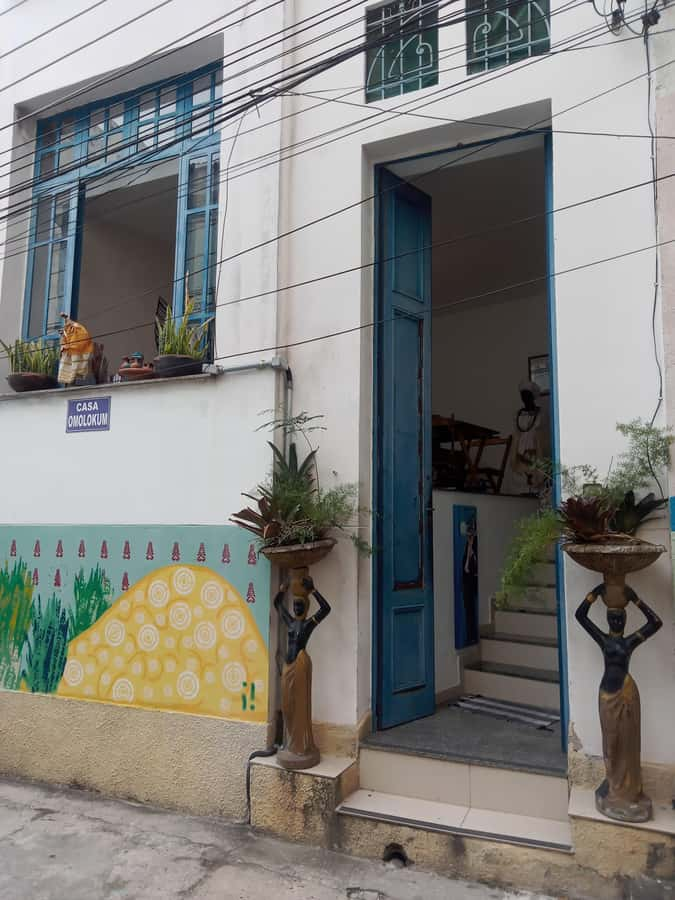
You get a live tour guide and the languages offered are English, Portuguese, and Spanish. That is great. But the lived experience can depend on which guide you get.
In the provided booking experiences, there are both strong and weaker outcomes:
- Larissa is described as having amazing passion and enthusiasm, and for explaining in a way that makes you feel present.
- Gabriela is praised as knowledgeable and personable.
- Luana is described as informative, with thoughtfulness and kindness.
- Rafael is praised as great, and the company also accommodated a delayed flight by squeezing in another day.
- Danielo has a note tied to English articulation, where the group had trouble understanding him.
So here is the practical takeaway for you: if you are booking in English and you care about understanding every nuance, message ahead to confirm your language needs. If Portuguese is an option for you, it may give you a smoother experience. If Spanish is your stronger language, choose that route too.
Also remember the nature of the topic. When history gets technical or emotional, small language gaps can feel bigger. You will want the guide to be crystal clear, not just understandable at a basic level.
Price and what feels like value in the real world
The pricing is split, and that is important for your planning.
Online reservation price on Get Your Guide is listed as $32 per person. Then there is an additional amount paid directly to the tour guide of R$160.00 per person. The information also states a total payment of R$310.00 each passenger.
So what are you really buying here? You are paying for:
- a 3-hour guided walking experience through a historically significant area
- tour guide service included in the price you pay
- an education-focused route with culture and art themes
- meeting at downtown Rio, so the guide manages the story and flow
What is not included is also part of the value equation. Food and beverage are not included, and transportation is not included, so you will likely need to plan how you will get to the meeting point and what you will do before or after. Souvenirs are not included either.
There is also a detail you should not ignore: payment by credit or debit card includes 5% of taxes. That means your final cost can move slightly depending on how you pay.
Is it a good deal? For a walking tour that costs less than a full day of guided touring, the value is strongest if:
- you can follow the language your guide uses
- you care about Black history and how it connects to art and culture
- you want an organized way to understand Little Africa without piecing together multiple stops on your own
The main way value drops is if you end up surprised by extra costs for a museum entry or if the language clarity is tough for your group. One booking notes that a museum entry cost was not expected and that an exhibit at an art museum was not part of that tour plan. So I suggest you budget for small extras and ask whether any museum stops require separate tickets.
Timing, meeting point, and how to prepare
The tour duration is 3 hours, and it runs as a walking tour. The meeting point is Downtown of Rio de Janeiro. Specific streets are not provided here, so treat the meeting point as something you confirm in your booking details or with the provider.
Because it is an alley-focused history walk, preparation is about comfort and focus:
- Wear shoes you can walk in comfortably.
- Bring water if you think you’ll need it, since food and beverage are not included.
- Keep your phone charged for navigation and photos, because you’ll want to remember what you see.
The tour also has a minimum of customers: 2. If you are traveling solo, there is a note to contact the team before booking, which signals they may need to confirm whether they can run the tour for you.
Group dynamics matter too. This topic can be intense, and the description notes that many people get emotional. If you want a calm experience, plan for that mood and be respectful. This is not a party tour. It is a walking lesson.
Who this tour is best for, and who should choose another plan
This is best for you if:
- you want a guided introduction to African heritage in Brazil in a way that feels grounded in real places
- you like your history explained through context, not only facts
- you enjoy walking tours and you do not mind that some moments may feel heavy
- your group is open to thoughtful conversation about slavery, memory, and cultural identity
It may not be the best fit if:
- you need flawless English comprehension and you cannot switch languages
- you dislike any possibility of extra museum fees
- you are looking for a light, purely scenic tour with minimal emotional content
It also fits families with kids. Children ages 5 to 10 get a 50% discount, and children 0 to 4 are free on the parent’s lap. The key is that you should be comfortable explaining or supporting questions during emotional historical topics.
Should you book Little Africa from past to future?

I think you should book it if you want a structured, story-first introduction to Little Africa and its role as an African arrival gateway into Rio. The strongest reason is that the tour connects place to history, then uses art and culture to carry that story forward into the future. When the guide is a strong match, it is the kind of experience that gives you a framework you can use to understand Rio long after the walk ends.
Book with extra caution if your group is highly dependent on English clarity. The language options exist, so do not hesitate to choose the language you’ll understand best, or message ahead to confirm what you need. Also plan for the possibility of extra museum entry costs, since at least one booking described an unexpected fee.
If you want a meaningful walking tour in Rio that moves beyond surface sightseeing, this one earns a serious spot on your list.
FAQ
Where does the Little Africa walking tour meet?
The meeting point is in Downtown of Rio de Janeiro.
How long is the tour?
The tour duration is 3 hours.
How much does the tour cost?
You pay $32 per person as the online reservation price, then there is an additional payment directly to the tour guide of R$160.00 per person. The total payment is also stated as R$310.00 each passenger.
Is food or transportation included?
No. Food and beverage and transportation are not included.
What languages are available?
The live tour guide is offered in English, Portuguese, and Spanish.
Are there discounts for children?
Yes. Children 5 to 10 years old get a 50% discount, and children 0 to 4 years old are free on the parent’s lap.
Can I cancel for a refund?
Yes. You can cancel up to 24 hours in advance for a full refund.
Is there a minimum number of participants?
Yes. The minimum is 2 customers. If you are booking alone, the information says to contact the team before reserving.
How do I pay?
The online reservation payment is made on Get Your Guide, and payment is described as by credit or debit card, with 5% of taxes. The additional part of the payment is made directly with the tour guide.
Everything Else We Rated in Rio De Janeiro
More Tour Reviews in Rio De Janeiro
More Tour Reviews in Rio De Janeiro
Latest from our Rio De Janeiro notebook
- Unforgettable Boat Party★ 5.0 · 3 reviews
- Tijuca National Park and all its wonders!★ 5.0 · 3 reviews
- Rocinha Jeep Tour: A Journey into the Soul of the Favela!★ 3.8 · 3 reviews
- Rio: Favela Walking Tour of Rocinha with a Resident Guide★ 4.7 · 3 reviews
- Rio: Private, Custom express, Main Attractions!★ 5.0 · 3 reviews
- Rio: Museum of Tomorrow, Yup Star & Olympic Boulevard★ 3.7 · 3 reviews
Walking Tours, compared.
 ★ 4.8Rocinha Favela Walking Tour with Local GuideFrom $363,052 reviews
 ★ 4.7Half-Day Rocinha Favela Walking TourFrom $352,272 reviews
 ★ 5.0Sunrise and Sunrise Walk Two Brothers with Local GuideFrom $64193 reviews
 ★ 4.9Little Africa Heritage Walking TourFrom $40177 reviews
 ★ 4.8Historic Centre Walking Tour & Cachaça TastingFrom $1996 reviews
 ★ 5.0Downtown-Center History Walking Tour – in EnglishFrom $3191 reviews
 ★ 4.9Downtown-Center Walking Tour | 2 Hours – EnglishFrom $3784 reviews
 ★ 5.0Learn the History of Rio with an Unforgettable City Center Walking TourFrom $4982 reviews
Browse the lists this tour appears in