
REVIEW · AMAZON RAINFOREST TOURS
Manaus: Multi-Day Amazon Trip at Tapiri Floating Lodge
Amazon nights feel personal fast. From Manaus, you ride speedboats to the meeting of the waters and then spend days with a small team in canoes and the jungle, guided by locals such as Tony, Kennedy, and Emilson. I really like how the trip blends big animal drama with quiet learning time, plus the chance to sleep out in a hammock during the longer options.
What I like most, beyond the setting, is the hands-on rhythm: paddle out at first light for sunrise, fish and spot wildlife after dark, then come back to a lodge that feels surprisingly comfortable after a day in the humidity. You’ll also get to visit an Arapaima fish farm on the travel day, which adds context to what you are hoping to see later. One consideration: wildlife sightings can never be guaranteed, and one review noted fewer animals than expected, especially on a calmer house-visit morning.
In This Review
- Key Points Before You Go
- Speedboat to the Meeting of Waters, plus the Arapaima stop
- Day 1 afternoon: canoe wildlife time, piranha fishing, and a true sunset shift
- Day 2 at first light: sunrise canoeing and a jungle trek with medicinal plant lessons
- Day 3: local family forest life, plus channel cruising and remote camping (on longer options)
- Day 4 survival techniques and jungle navigation by canoe (and a night in the woods for 5 days)
- Tapiri Floating Lodge comfort: AC rooms, clean spaces, and meals that actually impress
- Wildlife and fishing reality check: caiman nights, dolphins, and the piranha story
- Rainy season canoeing (April-August) versus dry-season foot walks (Aug-March)
- What to pack for Tapiri: light luggage, strong shoes, and insect control
- Price and value: what $1,100 covers, and where it may feel steep
- Who this Manaus to Tapiri trip fits best
- Should you book Tapiri Floating Lodge with Joshuas Amazon Expeditions?
- FAQ
- What are the available trip lengths?
- How small is the group?
- What is included in the price?
- Is Manaus hotel lodging included?
- What should I bring for comfort and safety?
- What is the luggage limit?
- Are alcohol or soft drinks included?
Key Points Before You Go
- Small group (max 12) means more time with your guide and less waiting around.
- Arapaima fish farm stop breaks up your transfer day with a real local angle on Amazon fish.
- Sunrise + sunset timing is built into the schedule, so you spend real Amazon time on the water.
- Caiman spotting at night is a core activity, not a rare bonus.
- Rainy season canoeing (April-August) can shift how the forest feels, while drier months mean more on-foot walking.
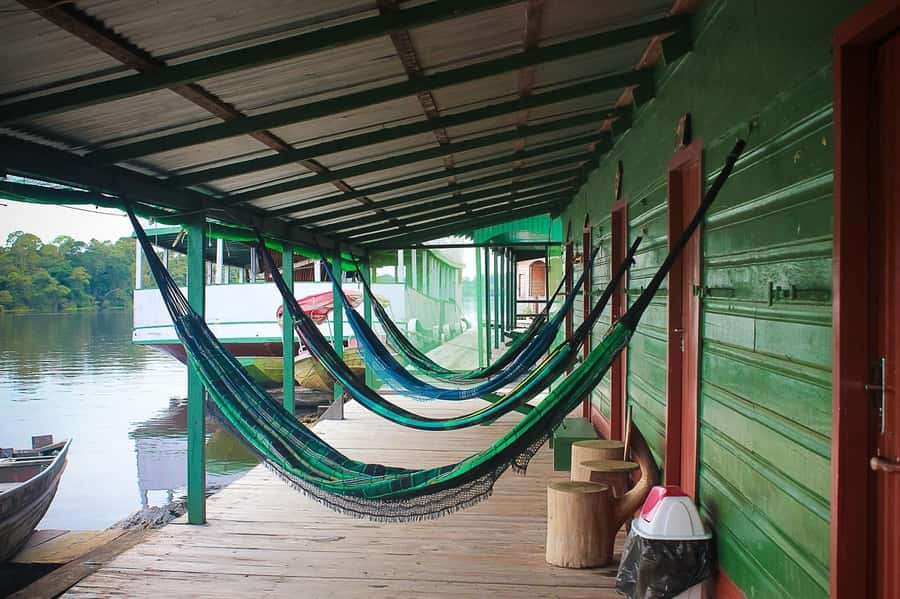
- Sleep setup includes hammocks and mosquito nets on the longer 4- and 5-day versions, plus AC and netting in the main accommodation.
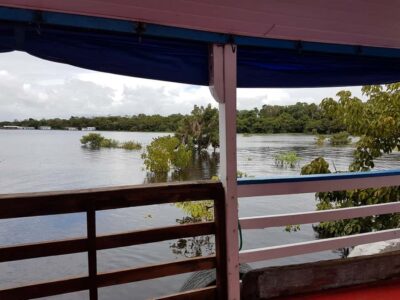
Further up the river from Manaus
Speedboat to the Meeting of Waters, plus the Arapaima stop
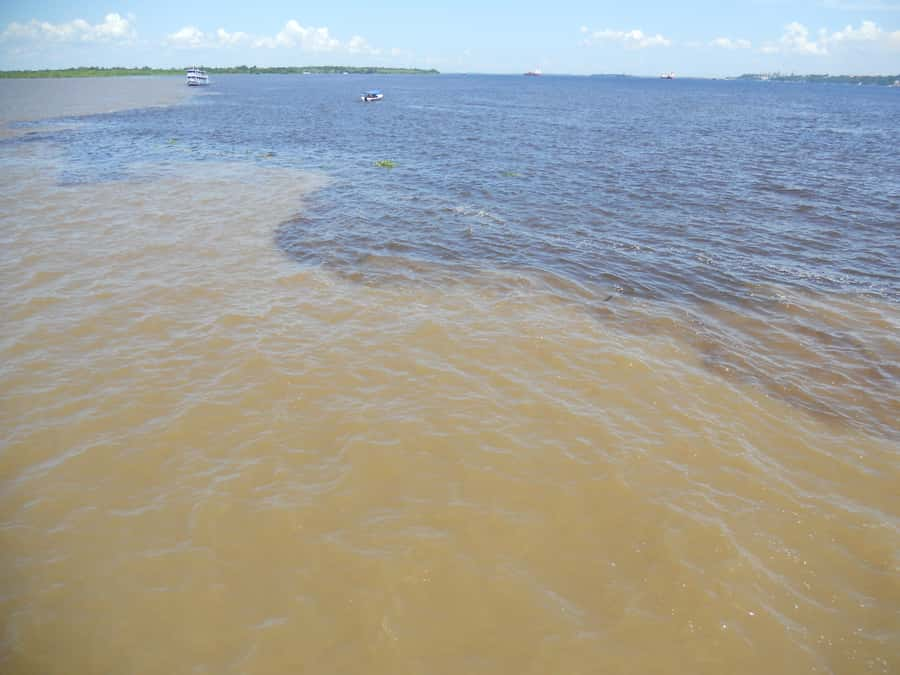
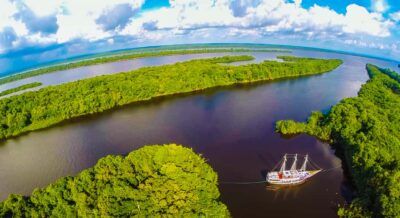
Your day starts early. At 7:00 AM you get transferred from your Manaus hotel to the CEASA port, then board a speedboat. The goal is the meeting of the Rio Negro and Solimões Rivers, a dramatic confluence where the water character changes and the scenery feels instantly more alive.
On the way, you stop at the Arapaima fish farm (pirarucu). Even if you are not a fish person, this is useful. It helps you understand what you are hoping to see in the wider river system, and it gives the trip a practical grounding before you go chasing wildlife in the forest and night creeks.
You then cross to the Careiro Village on the other side of the Solimões River, and travel by van for about an hour toward the Mamori River. A final speedboat ride brings you to Tapiri Floating Lodge at around 11:30 AM. That late-morning arrival matters, because it gives you time to settle before the activities shift into afternoon mode.
Day 1 afternoon: canoe wildlife time, piranha fishing, and a true sunset shift
After lunch and a little decompression time, the adventure starts around 3:00 PM. You head out by canoe for wildlife watching, with a focus on dolphins and birds. You are not just sitting on the water. Your guide points out what to look for and explains what you are likely seeing.
Piranha fishing also happens in this first afternoon block. The trip description says spear fishing at night for piranhas, and the schedule you provided places piranha fishing on day 1, with spearfishing more explicitly tied to later overnight camping. Either way, expect an active experience that is as much about learning the local routine as it is about the catch.
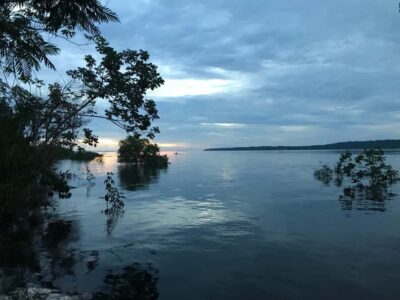
Then comes the part you will remember later: sunset. Around 6:30 PM you watch a spectacular sunset, and then return to the lodge for dinner.
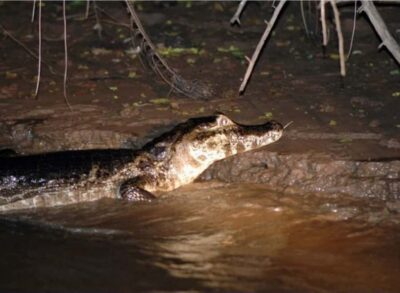
At night, you go again for caiman spotting. This is one of the most praised elements in the reviews, and it makes sense. The Amazon is loud by day, but at night it becomes tactical. Your guide’s job is to read the water and the edges, where caimans move and where your eyes need to adjust to darkness. One review specifically calls out surviving a night in the jungle, but even on the first night at the lodge, the night spotting is a major highlight.
Day 2 at first light: sunrise canoeing and a jungle trek with medicinal plant lessons
Day 2 starts early again, but in a different way. At 5:30 AM you take a canoe ride to watch sunrise over the Amazon rainforest. This is not a quick drive-by. You are out on the water while the light changes, and you get the slow, sensory feel that makes the Amazon special.
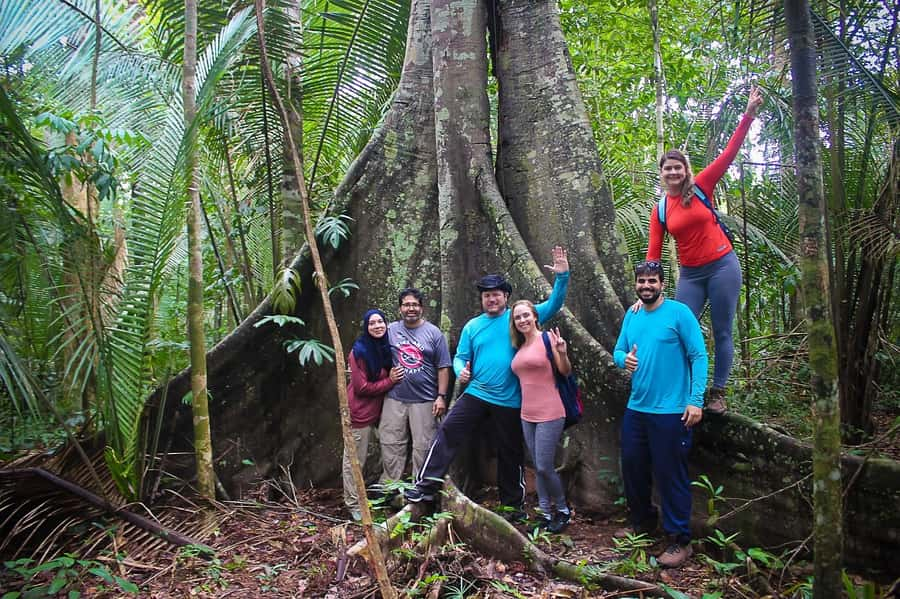
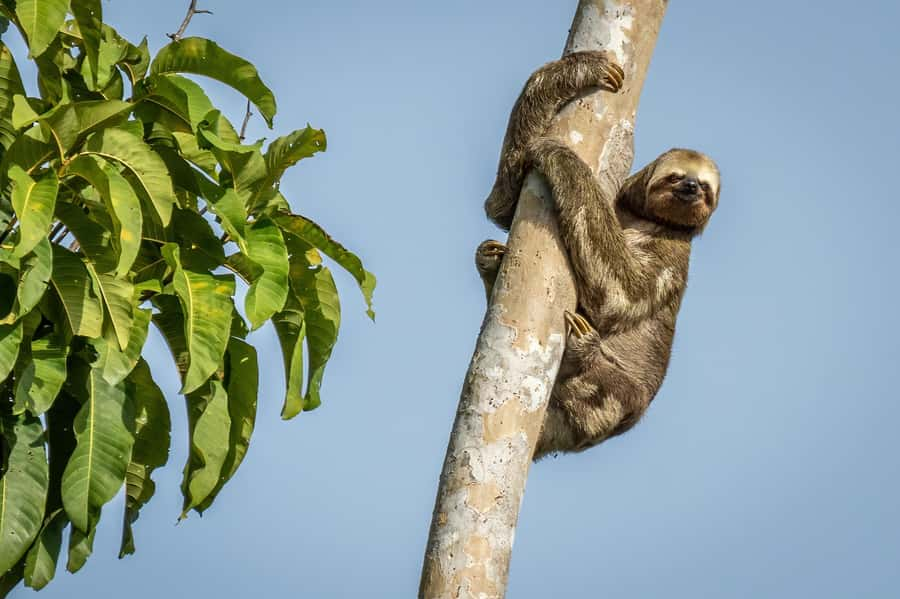
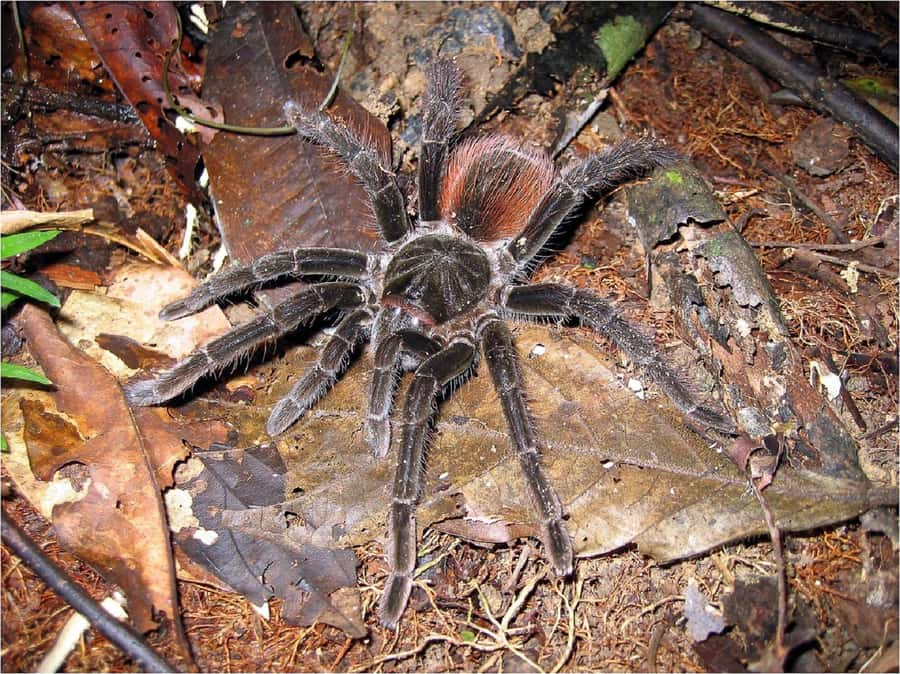
You return around 7:00 AM for breakfast. Shortly after, you do a jungle trek that lasts the rest of the morning. This walk is where you learn more than you can from photos. Your guide explains medicinal plants, trees, and insects, including spiders. There is also a chance to see monkeys, and several reviews mention monkey sightings along with sloths, iguanas, tarantulas, and many birds.
If you booked a longer option, the schedule shifts in the afternoon. For 3-, 4-, or 5-day versions, the afternoon activity starts around 3:00 PM and is focused on moving through the jungle more quietly, by canoe if water conditions allow. The guide explains flora and fauna as you pass. In the dry season, this portion is done on foot because there is no water from August to March. In other months, you may get more canoe time in creeks and forest channels.
Either way, the rhythm is intentional. The early trek gives you context. The afternoon gives you slower observation time so the jungle stops feeling like a blur.
- From Manuas: Full-Day River Tour
★ 4.8 · 102 reviews - Manaus to Santarém: 36-Hour Ferry on the Amazon
★ 3.9 · 55 reviews - Manaus: 2-Day River Tour With Overnight Stay
★ 4.7 · 53 reviews - Manaus to Belem 5-Day Local Boat Trip
★ 3.4 · 46 reviews - Manaus: Multi-Day Amazon Trip at Tapiri Floating Lodge
★ 4.7 · 38 reviews
Day 3: local family forest life, plus channel cruising and remote camping (on longer options)
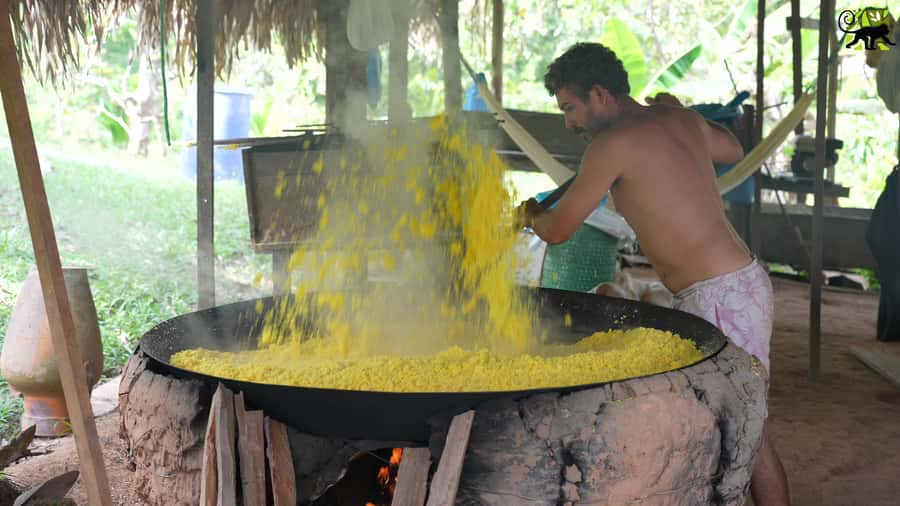
Day 3 begins with a home visit to a local family from 8:00 AM to 11:00 AM. This is a very different experience from the wildlife-heavy moments. You learn about their simple way of life in the forest, which gives you a clearer picture of how people live with the same ecosystems you are visiting.
Back at the lodge, you have lunch if you are on the 3-day option. Then you depart for Manaus around 1:30 PM, arriving around 4:30 PM.
If you booked 4 or 5 days, the afternoon changes. You explore small channels and look for birds, monkeys, caimans, and dolphins. This is often where the trip feels like it expands beyond the main river and into the tighter maze of waterways.
At 3:00 PM you leave the lodge to sleep out in the Amazon. Your guide provides hammocks and mosquito nets to camp, then helps you prepare dinner in a remote area. After dinner, you get the chance to do spearfishing. One review notes piranha fishing and the thrill of staying out in the forest overnight, and this is where that intensity comes from.
This is also the day that teaches you how to adapt. You are trading comfort for closeness to the environment, and it is worth it if you like being off the main route.
Day 4 survival techniques and jungle navigation by canoe (and a night in the woods for 5 days)
On day 4, you get more skills. Learn survival techniques and lots of facts about the forest. You also have time for a trek and canoe travel, then you return to the lodge for lunch.
If you are on the 4-day option, you leave for Manaus after lunch and arrive around 4:30 PM. If you are on the 5-day option, you camp out again in the woods and spend the night escorted by a professional guide.
That pro-guide element matters. Reviews repeatedly praise the quality and professionalism of the guidance, with names like Kennedy, Emilson, and others showing up across trip accounts. Even so, don’t expect this to feel like a luxury retreat. The Amazon is still the Amazon: insects, damp air, and changing light are part of the package.
Tapiri Floating Lodge comfort: AC rooms, clean spaces, and meals that actually impress
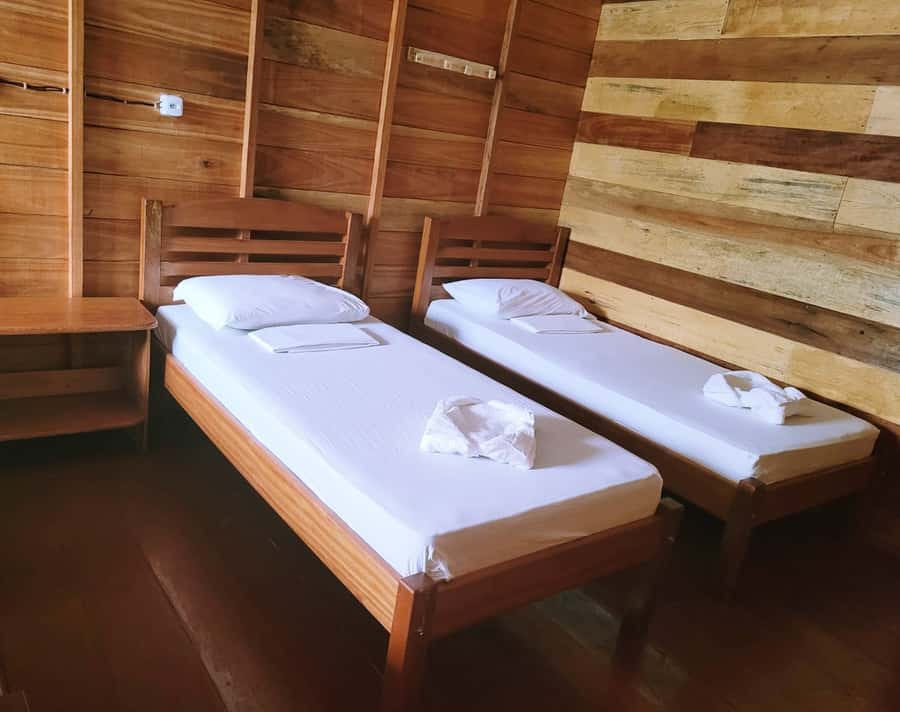
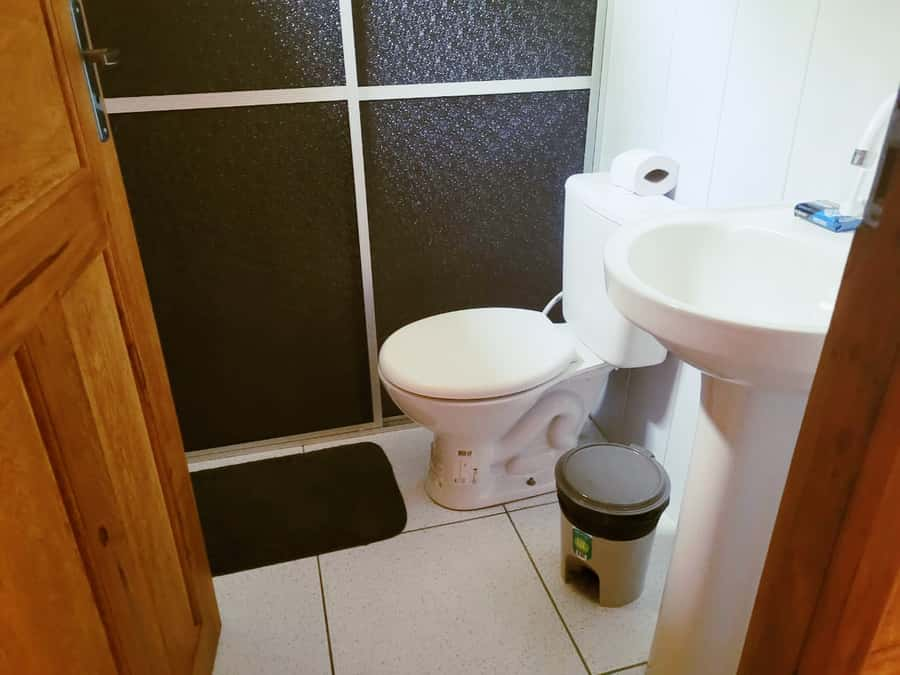
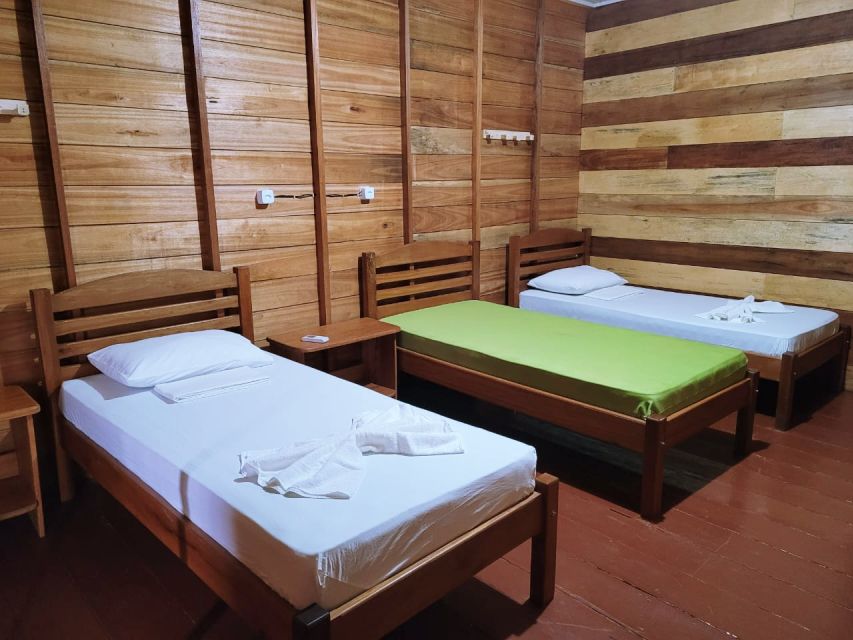
The lodge side of this trip is not an afterthought. Reviews highlight clean rooms, a comfortable and clean floating setup, and food that is better than you might expect for a remote lodge.
Your accommodation includes private apartment lodging with air-conditioning and netting provided on beds. That detail helps you sleep better, especially after night spotting and early morning canoe rides.
Meal service is full-board: breakfast, lunch, and dinner are included, and you get mineral water during meals. One review also mentions drinking water available around the clock. Alcohol and soft drinks are not included, so if you like a specific drink with meals, plan around that.
This comfort layer is what makes the harder parts feel doable. You hike, you fish, you spot wildlife, then you come back to a real room, not just a basic shelter.
Wildlife and fishing reality check: caiman nights, dolphins, and the piranha story
Let’s talk expectation setting. This is an Amazon trip, not a zoo visit. You might see a lot, or you might have quieter stretches. One review even notes fewer animal sightings than expected, plus that some routes can feel repetitive. That risk is real, because animals move, weather shifts, and the forest decides what it shows you.
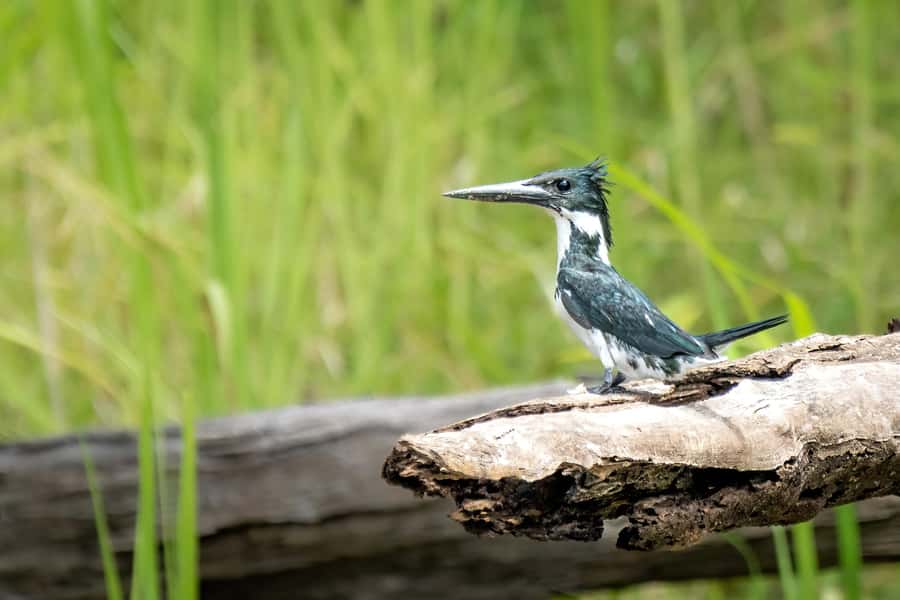
Still, the core wildlife elements are consistent in the schedule and in the praise. Caiman spotting at night is repeatedly mentioned as thrilling. You also have chances for dolphins, birds, monkeys, and other creatures, with reviews citing sloths, iguanas, tarantulas, and lots of birdlife.
Fishing adds its own energy. Piranha fishing and spearfishing are part of the experience. The fun here is the method and the night setting, plus the way a guide can help you understand what you are watching. And if you are hoping for an action story, this trip gives it to you: one review specifically mentions piranhas and a guide capturing a small alligator and explaining it.
If you want adrenaline every hour, consider the longer option and the survival-style day blocks. If you want a balanced nature trip with time to breathe, the shorter 3-day option may feel more relaxed because you return to Manaus earlier.
Rainy season canoeing (April-August) versus dry-season foot walks (Aug-March)
Timing affects how the forest feels and how you move through it. During the rainy season, from April to August, you can expect canoeing in the forest or creeks during parts of the day. When the schedule calls for canoe passage, it can feel more like gliding through connected waterways.
During the dry season, from August to March, there is no water for certain routes, and the canoe portion becomes on-foot walking instead. That changes the experience. You go from wet, airy movement on water to more walking time, more boots and mud, and a different pace for seeing insects and small wildlife.
You should also pack based on your travel month. The trip data strongly emphasizes rain gear and insect protection. Even if the forecast looks decent, the Amazon can shift quickly, and you do not want soggy feet or mosquito bites to cut your enjoyment.
What to pack for Tapiri: light luggage, strong shoes, and insect control
You want to travel light. Maximum luggage is 25 pounds, 12 kg per person. Oversize luggage is not allowed, and any excess luggage needs to stay at a partner’s office or at your Manaus hotel. This is not the place for a big suitcase plus souvenirs.
Comfort gear matters more than you think. Bring:
- Comfortable shoes (you will trek)
- A rain jacket and rain gear
- Sunglasses and a sun hat
- Insect repellant and sun cream
- Binoculars if you like spotting birds and movement at a distance
- A change of clothes plus sandals
- Camera or smartphone for photos
Cash is also mentioned. The trip notes advise you to avoid giving money to community children. Small gifts like toys or comic books are welcomed and encouraged. If you plan to bring gifts, pack them early, keep them simple, and don’t turn the interaction into a money exchange.
Finally, review one concern from a past trip: one person wished for tools like boots, raincoats, telescopes, and light sources either provided or available to rent. You should assume you need your own rain and shoe setup, and binoculars are helpful only if you bring them.
Price and value: what $1,100 covers, and where it may feel steep
At $1,100 per person for 3-5 days, this is not a budget Amazon add-on. But value here comes from the full package, not from one highlight.
You get:
- Transfers in and out of Manaus
- All meals (breakfast, lunch, dinner), plus mineral water during meals
- A small group capped at 12
- Portuguese or English-speaking guides
- Accommodation with air-conditioning and bed netting during lodge nights
- Multiple guided tours, including night caiman spotting and jungle walks
- For longer options, hammock camping and spearfishing opportunities
That combo is what drives the price. In practice, you are paying for transport on multiple modes (port access, van segment, speedboat segments), guide time across early mornings and nights, and the logistical work of running a lodge-based trip out in the Amazon system.
If you are sensitive to cost, the key decision point is duration. The 3-day version is shorter and may feel like a concentrated hit. The 4- and 5-day options add camping and more remote time, which can better justify the spend if you genuinely want deeper jungle nights and extra activities.
Who this Manaus to Tapiri trip fits best
This trip fits best if you want a real Amazon rhythm: early canoe light, trekking with a guide, and night spotting as part of the core plan.
It also helps if you are comfortable with insects and changeable weather. You will be in the jungle, and even with netting and lodge comfort, the environment is part of the experience.
It is not suitable for wheelchair users, and it is not recommended for pregnant women, based on the trip’s guidance.
You’ll likely love it if you:
- Care about wildlife observation and guided interpretation
- Like fishing as an activity, not just watching from shore
- Want a small-group trip with real local guidance
- Want the balance of AC comfort plus hammock camping on longer days
Should you book Tapiri Floating Lodge with Joshuas Amazon Expeditions?
If your goal is an Amazon trip that feels guided, active, and grounded in real local knowledge, this is a strong pick. The reviews repeatedly praise the guide experience and the lodge setup, including clean spaces and great meals. The best part is the mix: daytime trekking and plant explanations, plus night caiman spotting that turns the rainforest into a nighttime world.
I’d think twice if your priority is guaranteed wildlife volume or if you hate waking up early and doing night activities. Wildlife can be quiet some days, and one review noted the possibility of fewer sightings and repeated routes. Also, because piranha fishing and spearfishing are part of the experience, it helps if you are comfortable with that tone.
FAQ
What are the available trip lengths?
This experience runs for 3-5 days. The itinerary shifts depending on the number of days you book, with longer options adding remote camping nights and extra channel or canoe activities.
How small is the group?
The tour is a small group limited to 12 participants.
What is included in the price?
Transfers in and out are included, along with meals (breakfast, lunch, dinner), mineral water during meals, the lodge accommodation style described (private apartment with air-conditioning and netting), and all tours in the program. Guides speak Portuguese or English.
Is Manaus hotel lodging included?
No. The tour includes lodge accommodation, but it does not include a hotel in Manaus.
What should I bring for comfort and safety?
Bring passport or ID, comfortable shoes, sunglasses, a sun hat, change of clothes, sandals, rain gear, cash, and binoculars. Insect repellant, sun cream, a rain jacket, and a small water bottle are also recommended.
What is the luggage limit?
Maximum luggage is 25 pounds, 12 kg per person. Oversize luggage is not allowed, and any excess luggage must be left at a partner’s office or your Manaus hotel.
Are alcohol or soft drinks included?
No. Soft drinks and alcoholic drinks are not included. Mineral water during meals is included.
More Tour Reviews in Manaus
Further Up the Amazon
More Tour Reviews in Manaus
Latest from our Manaus notebook
- Manaus: Folklore Amazonian Dinner Show★ 3.3 · 3 reviews
- Manaus : Visit to MUSA (Amazon Museum)★ 3.0 · 4 reviews
- Manaus: City Tour★ 3.5 · 4 reviews
- Manaus : A day of fishing on the Rio Negro★ 4.5 · 4 reviews
- Manaus: Amazon Rainforest Panoramic Airplane Flight★ 4.4 · 5 reviews
- Amazon Jungle 3-Hour Tree Climbing Activity★ 4.6 · 6 reviews
Amazon Rainforest Tours, compared.
 ★ 4.3Guided Jeep Tour through Tijuca RainforestFrom $90740 reviews
 ★ 4.7Jungle Waterfalls and Cachaça Distillery Jeep TourFrom $37491 reviews
 ★ 4.8One-Day Amazon Jungle ExperienceFrom $100408 reviews
 ★ 4.2Full-Day Tour on the Amazon RiverFrom $55362 reviews
 ★ 4.3Presidente Figueiredo Waterfalls DaytripFrom $90149 reviews
 ★ 4.0Half-Day City TourFrom $5494 reviews
 ★ 4.5Piranha Fishing and Alligator Watch Evening TourFrom $9057 reviews
 ★ 3.9Manaus to Santarém: 36-Hour Ferry on the AmazonFrom $14055 reviews
Browse the lists this tour appears in