
REVIEW · WALKING TOURS
Rio: African Culture Walking Tour
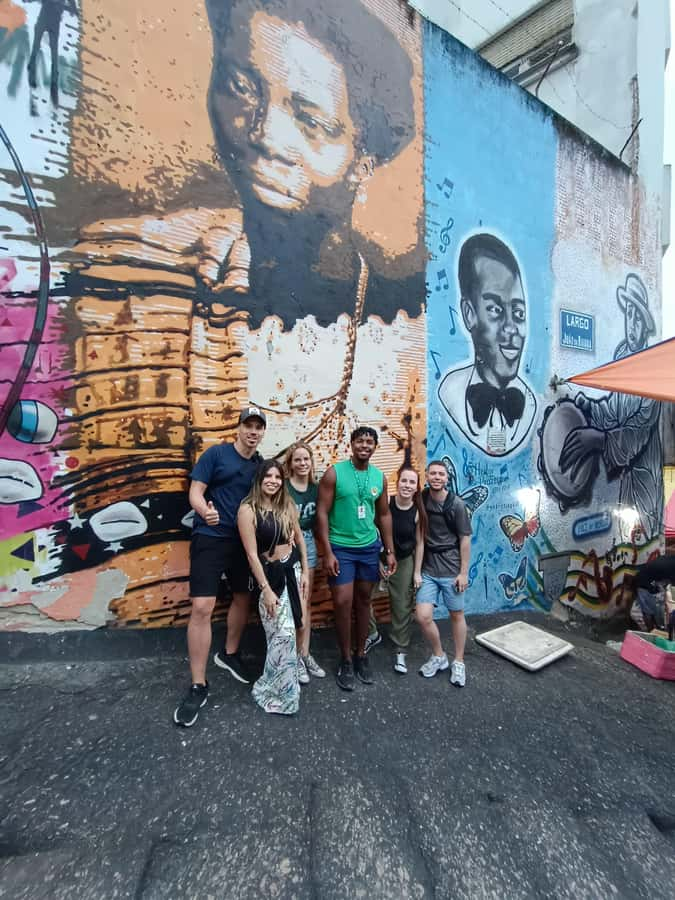
Rio has more than beaches and samba. This tour turns that dial toward African-Brazilian culture and the history of black resistance you usually miss in a quick pass through Rio. You walk in Little Africa and the Pedra do Sal region with a live guide who explains what happened, why it mattered, and what is still visible today.
Two things I especially like: you get a clear, guided story about the struggle for the abolition of slavery in Brazil, and then you land at Cidade do Samba for a behind-the-scenes look at how Carnaval energy is built. One possible drawback to keep in mind is that the City of Samba warehouse portion can feel a bit less authentic than the street-level neighborhood time, and food or drinks are not included.
In This Review
- Key things to know before you book
- Why Little Africa and Pedra do Sal changes how you see Rio
- The 3-hour route: black resistance stories, paced for real people
- Little Africa segment
- Pedra do Sal region
- The walk leading you toward Carnaval context
- How the guide makes slavery history understandable (and discussion-friendly)
- Cidade do Samba: seeing Carnaval as a production, not just a party
- 1) Where samba school culture comes from
- 2) How the work happens
- 3) What to notice when you look around
- Price and value: what $100 for 3 hours gets you
- What to do before and after the tour
- Who should book this Rio African Culture Walking Tour
- Should you book this tour or not?
- FAQ
- How long is the Rio African Culture Walking Tour?
- Where does the tour end?
- Is the entrance to Cidade do Samba included?
- How big is the group?
- What languages are offered for the live guide?
- Is food and drinks included?
- Is the tour wheelchair accessible?
- What is the cancellation policy?
- Do I need to share contact information like WhatsApp?
Key things to know before you book
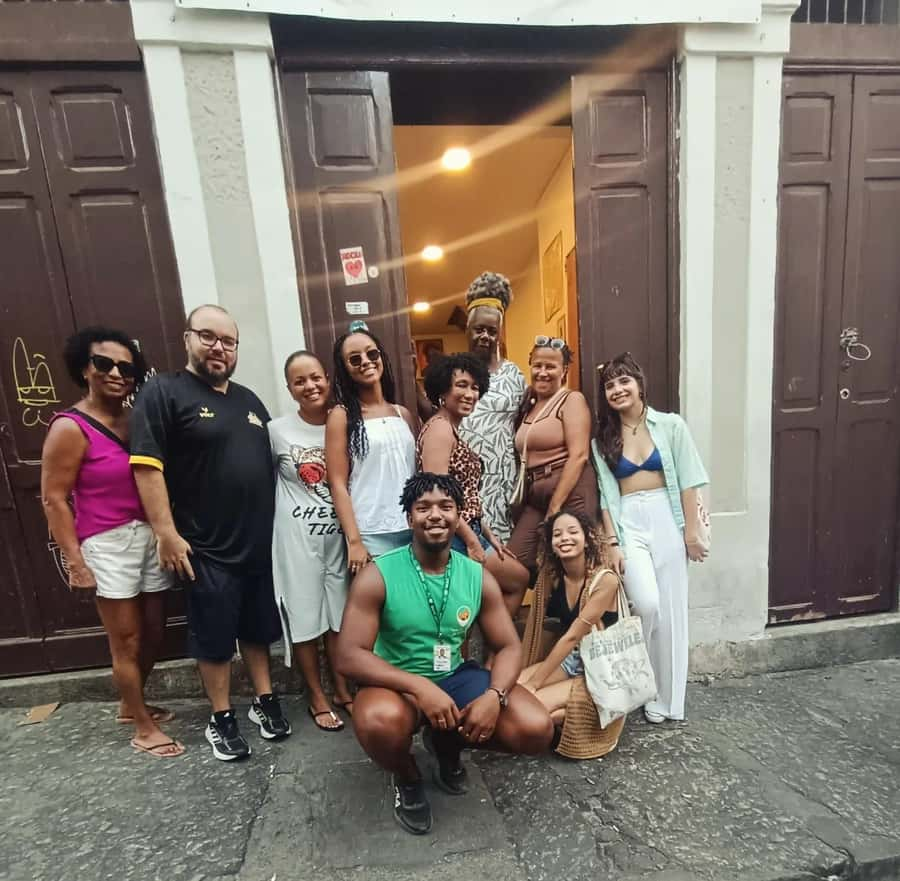
- Small group size (max 15) means the guide can actually answer questions instead of racing past them.
- Little Africa and Pedra do Sal focus on black resistance and Afro-Brazilian culture, not just postcard Rio.
- Cidade do Samba entrance included so you are not guessing how to reach the right places.
- Carnaval behind-the-scenes access connects today’s samba schools to their origins.
- Multiple languages are available (English, Spanish, Portuguese).
- No food or drinks included means you’ll want to plan a snack or drink before you start.
Kept it on foot? So did these
Why Little Africa and Pedra do Sal changes how you see Rio
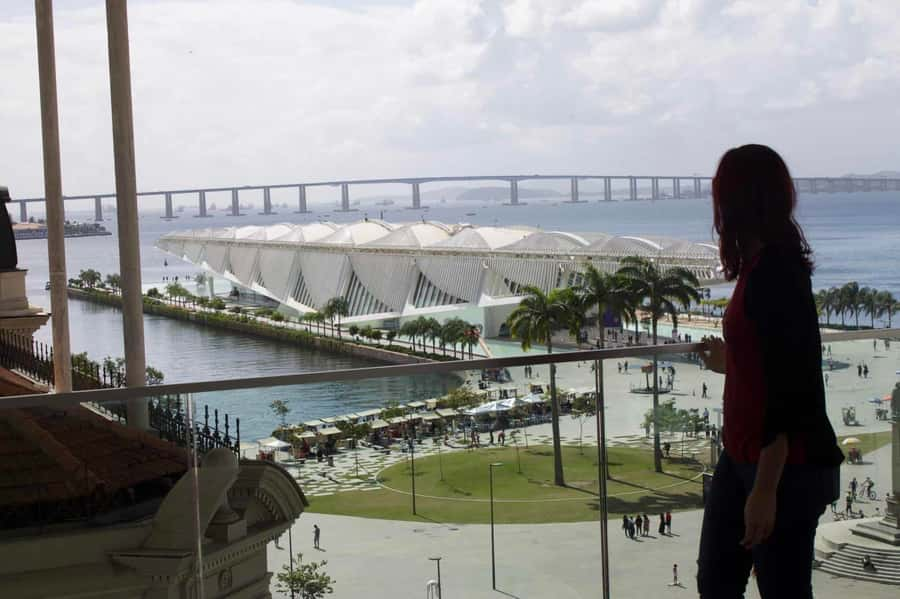
If you only come to Rio for the obvious hits, you can end up with a top-layer view. This tour does the opposite in a good way. It starts where Rio’s African heritage is part of the everyday story, not an optional museum topic. The walk through Little Africa and the Pedra do Sal area puts names, events, and survival strategies into context, so you can connect the city you see now with the people who fought to keep culture alive.
You’ll hear how Afro-Brazilian identity shaped music, community life, and public space. And you’ll also get the darker half, the system of slavery and the long push toward abolition in Brazil. The tour’s value is that it doesn’t treat history like a lecture. It links the past to what you can still notice in Rio’s culture and social patterns.
The 3-hour route: black resistance stories, paced for real people
This is a 3-hour walking tour, and it is designed so you don’t feel like you’re doing a punishment march. One guest specifically noted that you do not have to walk too much. That matters because the point is learning, not clocking steps.
Here is what the walk is built around:
Little Africa segment
You’ll spend the early part of the tour walking through key areas tied to black resistance. The guide’s job is to make those places make sense. Instead of just pointing at buildings, you’ll get explanations of why these areas mattered and how community organization and cultural expression helped people endure under brutal conditions.
- Rio de Janeiro: 6-Stop Highlights of Rio with Lunch
★ 4.4 · 5,157 reviews - Christ the Redeemer Entry Ticket by Corcovado Train
★ 4.4 · 4,476 reviews - Rio de Janeiro: Rocinha Favela Walking Tour with Local Guide
★ 4.8 · 3,052 reviews - Rio: Christ the Redeemer, Sugarloaf, Selaron & BBQ Lunch
★ 4.5 · 2,428 reviews - Rio De Janeiro: Half-Day Rocinha Favela Walking Tour
★ 4.7 · 2,272 reviews
Pedra do Sal region
Pedra do Sal is the kind of place that makes you slow down. The guide uses it to teach how Afro-Brazilian culture took shape and how public life connected with music and community. It is also where the abolition story becomes more than dates on a timeline, because you start to see resistance as something people did daily, in relationships, in gatherings, and in cultural memory.
The walk leading you toward Carnaval context
Near the end, the theme shifts. You go from the long arc of oppression and survival into the living expression of Carnaval. You’ll learn about the origins of samba school parades, and how today’s spectacle links back to traditions and community bonds formed over generations.
Practical tip: bring comfortable shoes. Even if the walking is not extreme, you are still covering a neighborhood on foot for a solid chunk of time.
How the guide makes slavery history understandable (and discussion-friendly)
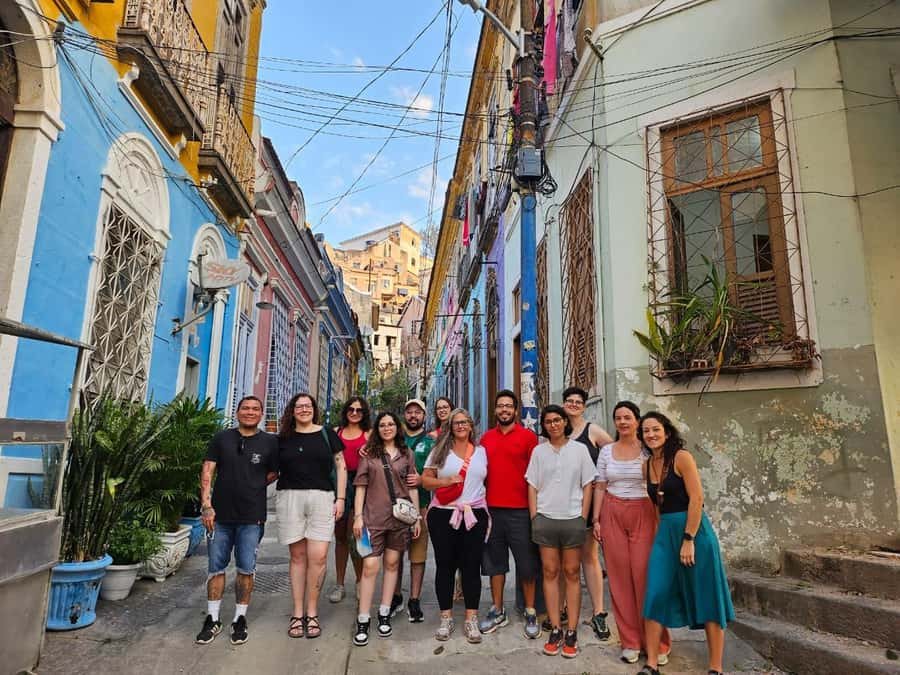
This is where the tour earns its praise. The guide is not just a reciter of facts. The tone is friendly and practical, and the best guides also create space for questions.
One guide named Rafael was described as very attentive, with guests saying they enjoyed learning about Pequena África and also appreciated the stop connected to a samba school space. Another review praised the guide for explaining Afro-Brazilians in a clear and didactic way, and for being flexible with recommendations after the tour.
What you should take from that, as a traveler: if you have questions, you are likely to get real answers, not a quick shut-down. One guest also pointed out how the guide helped draw parallels between systems of racial oppression in the United States and the Brazilian experience, while still highlighting differences. That kind of explanation helps you stay grounded, so you don’t just leave with facts. You leave with understanding.
If you want to get the most out of the walk, ask about two things:
- What specific parts of the story are still visible in Rio today?
- How did samba schools and Carnaval grow from community roots?
Even if you are not a history buff, these questions turn the walk into something you can actually carry home.
Cidade do Samba: seeing Carnaval as a production, not just a party
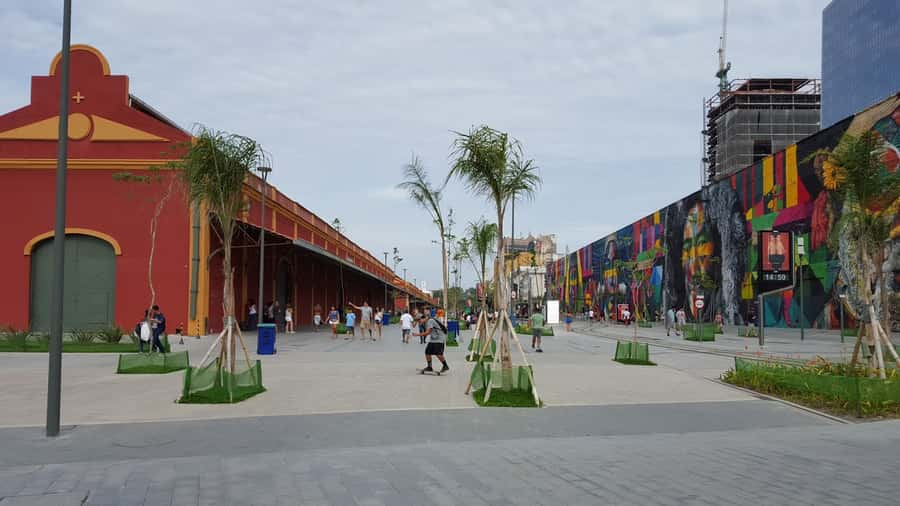
The tour culminates at Cidade do Samba with a Carnaval behind-the-scenes visit. This is not a generic photo stop. You get entrance included, and you also get a look at how samba schools prepare, where parts of the magic are built, and why the parade tradition has the structure it does.
Expect the tour to connect three dots:
1) Where samba school culture comes from
You’ll learn about the origins of samba school parades and how the tradition functions. The guide’s explanations help you understand that Carnaval is not only costumes and rhythm, it is also community organizing and cultural transmission.
2) How the work happens
The visit includes a look behind the curtains of how Carnaval gets made. That can mean seeing areas where elements are produced and how the whole operation fits together.
3) What to notice when you look around
When you walk through a production space, you can easily miss the significance of what you’re seeing. The guide helps you read the place: what it represents, how it relates to community identity, and why people invest so much time and energy into the cycle.
A balanced note from a review: the warehouse part had a bit less authenticity than the neighborhood street experience. That doesn’t mean it is bad, it just means the emotional weight may hit harder in Little Africa and Pedra do Sal than in a working production setting. I still think it’s a smart end to the tour because you finish with context for what you’ll see during Carnaval.
Price and value: what $100 for 3 hours gets you
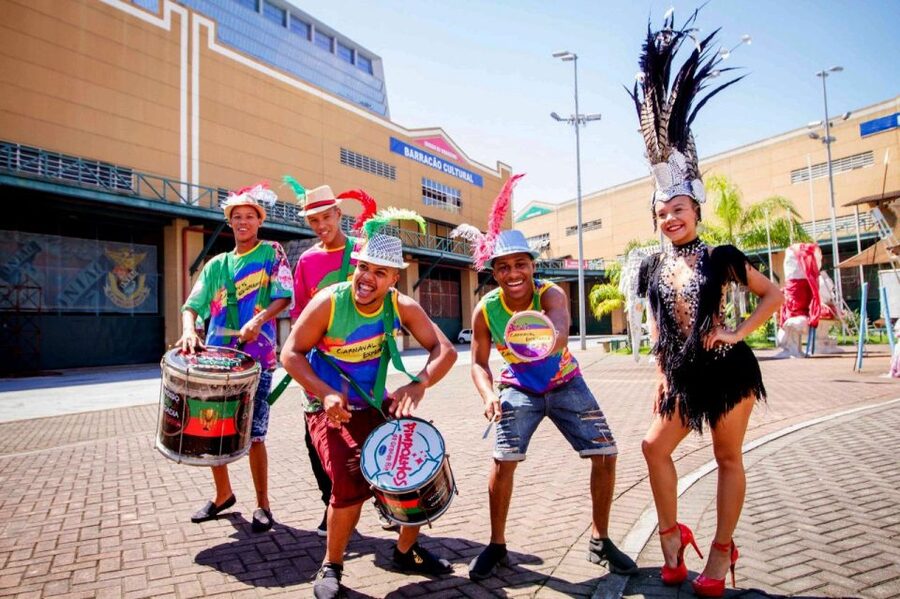
The price is $100 per person for a 3-hour experience. On paper, that can sound steep for a walking tour. In practice, the value comes from what is included.
You are getting:
- a guided walking route through Little Africa and Pedra do Sal
- a behind-the-scenes Carnaval visit at Cidade do Samba
- entrance included for the Cidade do Samba stop
- taxes, fees, and handling charges included in the listed price
So you are not paying for a guide only. You are paying for access, interpretation, and a specific cultural focus that most self-guided trips won’t reproduce well. If your Rio plan is already packed with paid attractions, this tour can actually simplify your choices because it bundles history and Carnaval context into one package.
What is not included is food and drinks, so plan your timing accordingly. If you start hungry, you’ll feel it. If you start with a light snack and water, the pacing feels easier.
What to do before and after the tour
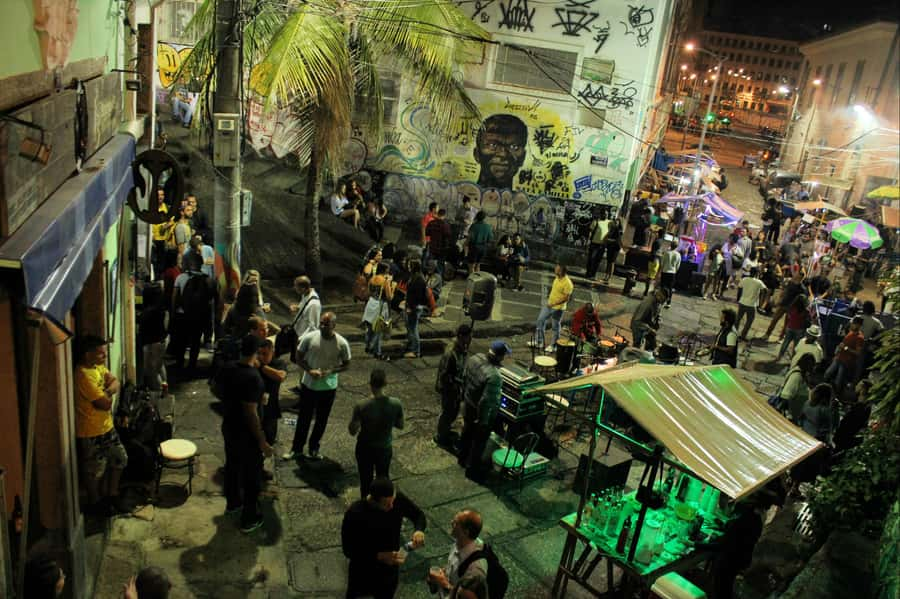
A tour like this rewards good timing. Since it ends at Cidade do Samba, think about what you want to do next while the neighborhood context is fresh in your mind.
A helpful detail from a review: one guest said the guide was able to arrange an extra stop connected to graffiti during their ride back, and it helped the guest with an Uber back to the hotel. That suggests the guide is paying attention to what you need, not just guiding in a straight line.
Before the tour:
- Wear shoes you can walk in comfortably.
- If you tend to ask questions, jot a few down on your phone so you don’t forget them when you’re listening.
After the tour:
- Plan a meal nearby or set up something simple. Food is not included, and you’ll be more engaged if you are not thinking about a snack 30 minutes into the walk.
Who should book this Rio African Culture Walking Tour
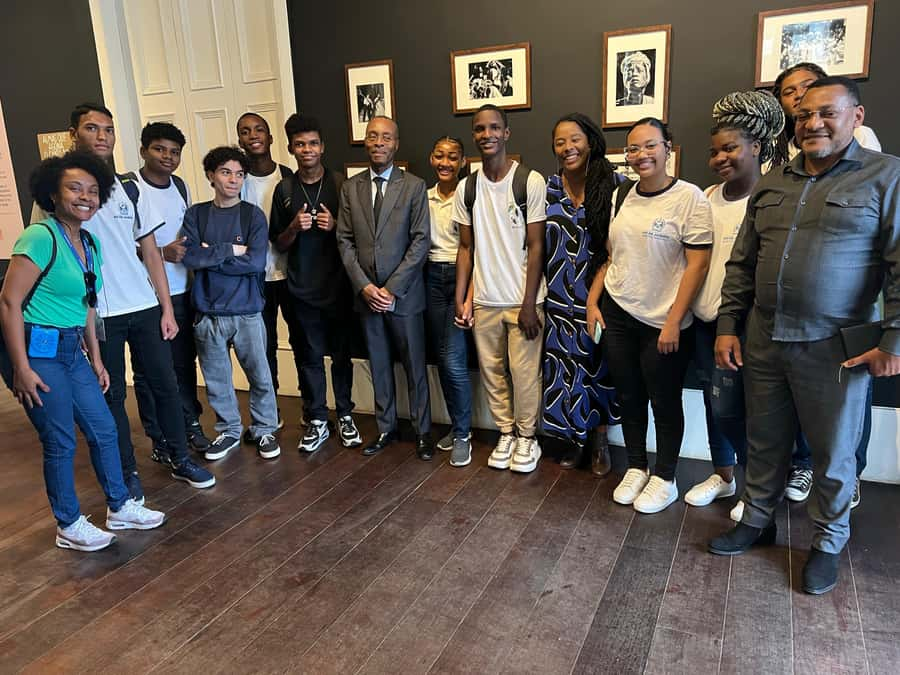
This tour is a great match if you want more than beach views and quick Carnaval photos. You’ll probably enjoy it if you care about:
- Afro-Brazilian culture and traditions
- the struggle for abolition of slavery in Brazil
- how history shows up in modern Rio
- Carnaval from the production side, not just the parade side
It is also a good fit for people who like small groups. The group is kept to a maximum of 15, and it is described as a private group setup. That typically means the guide can adjust to your interests and pace.
If you are coming to Rio with a very tight schedule and only want the most famous landmarks, you might feel like this tour goes off the beaten track. But if you want your Rio story to include black resistance and the cultural engines behind Carnaval, this is one of the better ways to get there in a short time.
Should you book this tour or not?

I think you should book this tour if your ideal Rio includes meaning, not just movement. The combination of Little Africa and Pedra do Sal with a Cidade do Samba behind-the-scenes visit is a smart use of 3 hours. The guide-driven explanations are a major part of the value, and the small-group size helps keep it personal.
Skip it or choose something else if you are mainly seeking classic tourist highlights, or if you strongly prefer hands-on experiences where authenticity is consistent all the way through. One guest noted the warehouse portion may feel less authentic than the street segments, so if that kind of difference matters to you, consider pairing this tour with other neighborhood time.
Bottom line: if you want to understand Rio’s cultural roots and see how Carnaval is built, this is a solid pick, especially at a $100 price point that includes the Cidade do Samba entrance.
FAQ
How long is the Rio African Culture Walking Tour?
The tour lasts 3 hours.
Where does the tour end?
The tour concludes at Cidade do Samba.
Is the entrance to Cidade do Samba included?
Yes. Entrance to Cidade do Samba is included.
How big is the group?
It is a small-group tour with a maximum of 15 people. It is also listed as a private group.
What languages are offered for the live guide?
The live tour guide is available in English, Spanish, and Portuguese.
Is food and drinks included?
No. Food and drinks are not included.
Is the tour wheelchair accessible?
Yes, the tour is wheelchair accessible.
What is the cancellation policy?
You can cancel up to 24 hours in advance for a full refund.
Do I need to share contact information like WhatsApp?
You are asked to send your WhatsApp contact.
Everything Else We Rated in Rio De Janeiro
More Tour Reviews in Rio De Janeiro
More Tour Reviews in Rio De Janeiro
Latest from our Rio De Janeiro notebook
- Unforgettable Boat Party★ 5.0 · 3 reviews
- Tijuca National Park and all its wonders!★ 5.0 · 3 reviews
- Rocinha Jeep Tour: A Journey into the Soul of the Favela!★ 3.8 · 3 reviews
- Rio: Favela Walking Tour of Rocinha with a Resident Guide★ 4.7 · 3 reviews
- Rio: Private, Custom express, Main Attractions!★ 5.0 · 3 reviews
- Rio: Museum of Tomorrow, Yup Star & Olympic Boulevard★ 3.7 · 3 reviews
Walking Tours, compared.
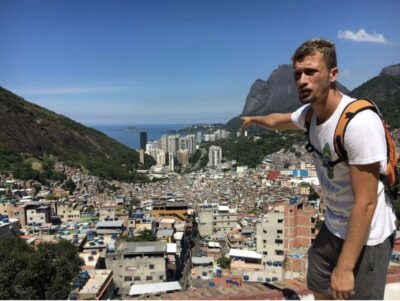 ★ 4.8Rocinha Favela Walking Tour with Local GuideFrom $363,052 reviews
 ★ 4.7Half-Day Rocinha Favela Walking TourFrom $352,272 reviews
 ★ 5.0Sunrise and Sunrise Walk Two Brothers with Local GuideFrom $64193 reviews
 ★ 4.9Little Africa Heritage Walking TourFrom $40177 reviews
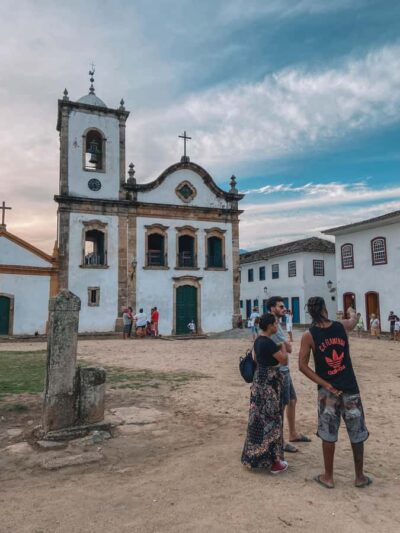 ★ 4.8Historic Centre Walking Tour & Cachaça TastingFrom $1996 reviews
 ★ 5.0Downtown-Center History Walking Tour – in EnglishFrom $3191 reviews
 ★ 4.9Downtown-Center Walking Tour | 2 Hours – EnglishFrom $3784 reviews
 ★ 5.0Learn the History of Rio with an Unforgettable City Center Walking TourFrom $4982 reviews
Browse the lists this tour appears in