
REVIEW · WORKSHOPS
Rio de Janeiro: Brazilian Cooking Class in Rio de Janeiro
Your spoon becomes your Brazil pass, and Copacabana turns it into a full dinner lesson. In about 3 hours (some descriptions call it up to 4), you’ll cook classic favorites with a native chef, then sit down with your instructor to taste what you made.
I love the small group size, with a max of 7 people, which keeps questions flowing and makes the class feel friendly. I also love that you’re not just tasting, you’re cooking a menu built around moqueca or feijoada, plus sides and dessert.
One consideration: it’s $220 per person, and transport is not included, so plan how you’ll get to the studio in Copacabana.
In This Review
- Key things that make this class worth your time
- Cooking in Copacabana With Chef Simone
- Moqueca or Feijoada, Depending on Your Day
- What You Actually Do in the Kitchen (Not Just Watch)
- The Menu: Five Courses, Two Drinks, and a Surprise Dessert
- Cassava, Drinks, and Why the Small Details Matter
- Languages, Group Feel, and Getting the Most Out of It
- Price and Logistics: Is $220 a Good Deal?
- When This Class Fits Best (And When It Doesn’t)
- What to Eat, What to Learn, What to Remember Later
- Should You Book This Rio Cooking Class?
- FAQ
- How long is the Brazilian cooking class in Rio?
- What recipes do I cook?
- Does the main dish change during the week?
- How many people are in a class?
- What languages are offered?
- Are drinks included?
- Is transportation included?
- FAQ
- Can I cancel for a full refund?
- Do I have to pay all at once when booking?
Key things that make this class worth your time
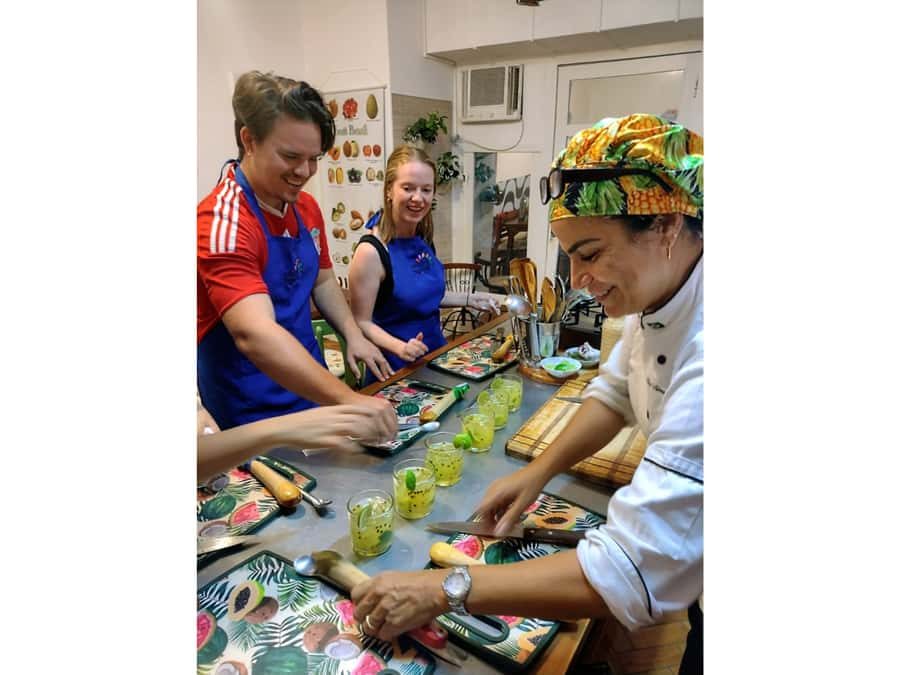
- Chef Simone leads the cooking and keeps the vibe relaxed, with her daughter sometimes assisting in the kitchen
- You cook the meal yourself, not a demo, with a full set of recipes and hands-on steps
- The main dish rotates by day: moqueca seafood on Mon, Wed, Fri, and feijoada on Sat
- You get 2 drinks with dinner, including caipirinhas and coconut-based batida de coco
- A small class means more attention, so even if you’re brand new to cooking, you can keep up
Close by in Rio De Janeiro, and rated
Cooking in Copacabana With Chef Simone
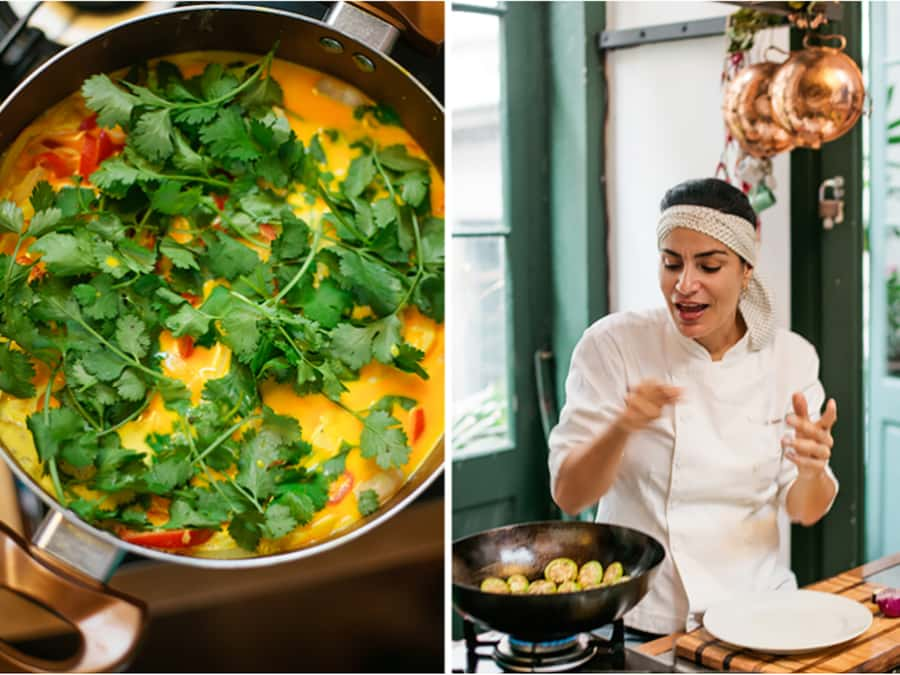
Rio can be loud, hot, and nonstop. This class offers a different pace: a working kitchen, real ingredients, and an instructor who explains as you go. It’s set in the Copacabana area, so it fits nicely into a trip where you want one grounded activity away from the beach crowds.
The star here is Chef Simone, a native Brazilian chef who runs the experience with energy and care. From the way the class is described, it’s also designed to feel safe and social, not stiff or intimidating. With a maximum of 7 participants, you’re more likely to have a real conversation than just watch from the sidelines.
Timing is worth a quick note. The booking information lists a 3-hour duration, while the class description talks about a 4-hour cooking class. Either way, you should expect a focused evening of cooking, eating, and chatting with your instructor about Brazilian food culture.
Moqueca or Feijoada, Depending on Your Day
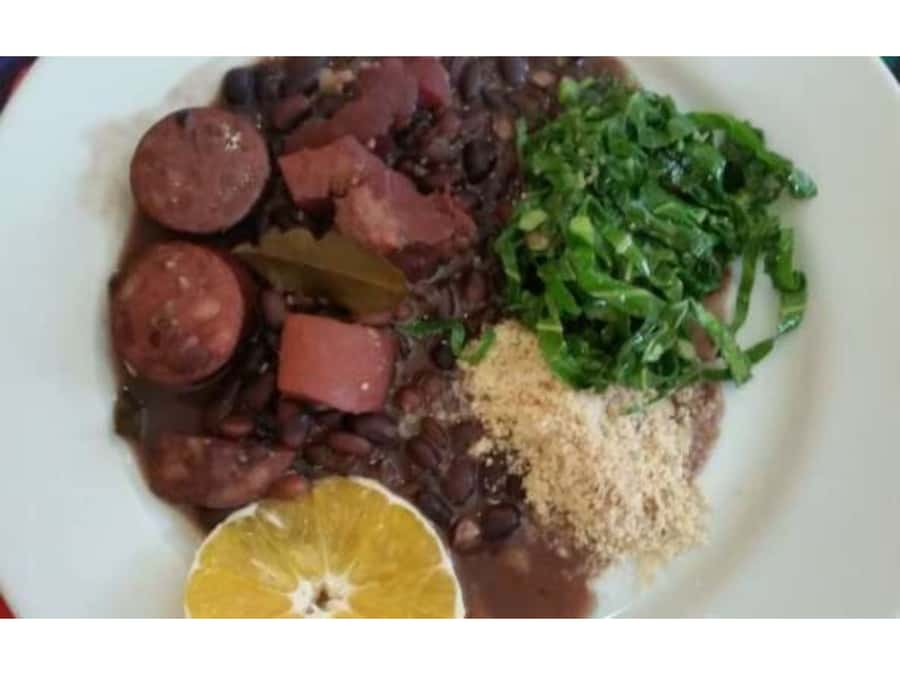
A big reason this class works is that the menu follows a clear rhythm. On Mondays, Wednesdays, and Fridays, the main dish is moqueca, a Brazilian seafood stew. On Saturdays, it switches to feijoada, centered on black beans and pork.
Why this matters for you: you can pick the day that matches your appetite. If you’re in a seafood mood, moqueca is the move. If you want something hearty, feijoada is classic comfort food in Brazilian style. Either way, you’re learning techniques that travel well to your own kitchen.
Also, the main dish isn’t the only lesson. The menu includes fried cheese with spicy guava jam, sausage slivers cooked in a spiced style, and a side that shows how Brazilians build flavor beyond meat and beans. The result is a meal that feels like a true snapshot of the country’s everyday favorites.
One more practical point: the description also mentions a black bean feijoada on Saturdays. Another part of the menu notes pork and beans feijoada. In real life, those details often overlap in Brazilian cooking, so your best approach is to go with the day’s main dish and let the chef guide you through the exact version you’ll be making.
What You Actually Do in the Kitchen (Not Just Watch)
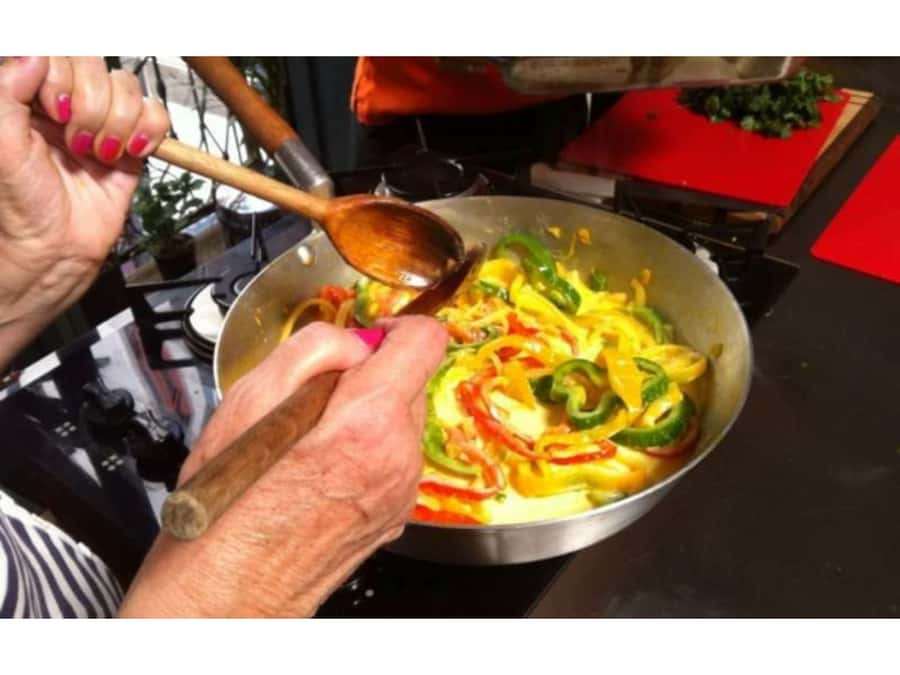
This isn’t a spectacle. You’ll cook. That’s the whole point, and it’s what makes the class feel like value rather than a pricey souvenir.
Expect to work through multiple stations and steps over the session. You’ll prep and cook the recipes included in the class, using the equipment and ingredients provided. Since the class says no experience is required, you’re not expected to know Brazilian basics before you arrive. You do, however, get more from it if you show up hungry, pay attention early, and ask questions as you go.
The small group size helps a lot. When there are only up to 7 people, the instructor can correct mistakes quickly and guide you through timing, heat, and seasoning choices. That matters because Brazilian cooking often depends on balance, like salt levels, acidity, and how herbs and spices layer into sauces and stews.
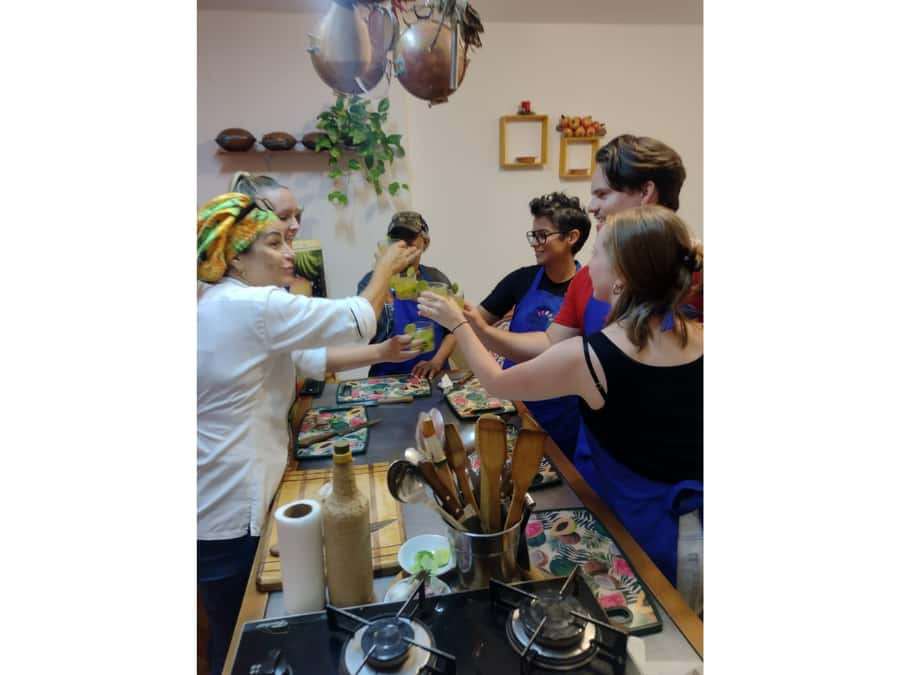
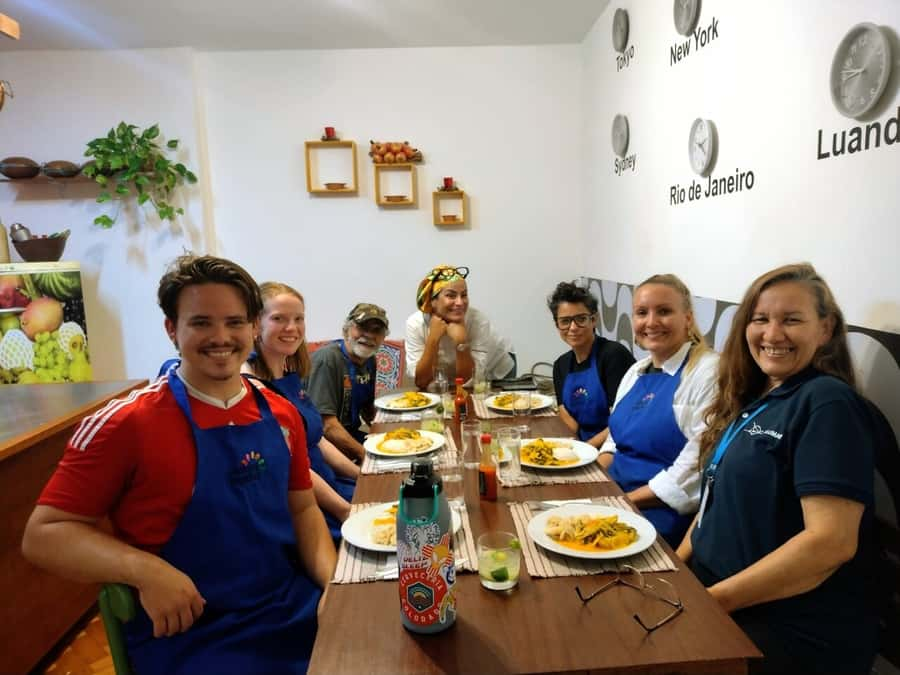
Another thing I like: after you cook, you don’t just line up to eat. You sit down with the instructor to toast your efforts and taste the fruits of your labor. That gives the class a satisfying ending, not just a meal, and it helps you connect what you did in the kitchen to how the food should taste.
Hands-on sessions around Rio De Janeiro
- Rio de Janeiro: Samba Class and Samba Night Tour
★ 4.6 · 115 reviews - Rio: Caipirinha Workshop and Samba Class
★ 4.8 · 113 reviews - Surf lessons with local instructors in Copacabana/ipanema!
★ 3.6 · 31 reviews - Rio Experience: Caipirinha Workshop (2 Caipis) + Funk Class
★ 4.8 · 22 reviews - Rio de Janeiro: Carnaval Backstage Tour and Samba Class
★ 4.1 · 14 reviews
The Menu: Five Courses, Two Drinks, and a Surprise Dessert
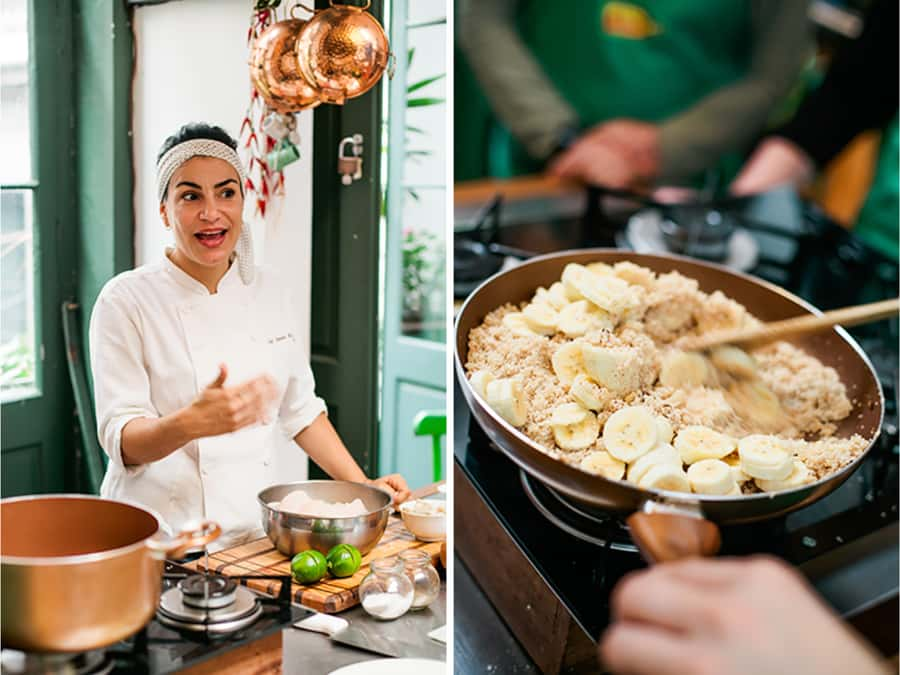
The menu is structured like a dinner that has a story. You start with snacky, sweet-savory bites, move into the main meal, then finish with sides and dessert.
Here’s what’s described as part of the experience:
- Fried cheese with spicy guava jam
This is a fun opener because it teaches a classic Brazilian flavor pairing, melty or crisp cheese with fruity heat. The guava jam brings sweetness with a spicy edge, so you learn how jam can work like a sauce, not just a topping.
- Sliced sausage in a spiced, fried style
This step helps you understand seasoning and browning, two skills that apply across cuisines. Even if you don’t remember every ingredient, you’ll remember the texture and the flavor shift from raw to cooked.
- Lime caipirinha
You’ll make this drink as part of the experience. Caipirinha is built around fresh lime, so you learn why Brazil leans on bright acidity to keep heavy dishes from feeling too dense.
- Batida de coco (coconut-based drink)
This is the “cooling” drink. It gives you a different texture and flavor direction than the caipirinha, and it pairs well with fried and savory foods.
- Pork and beans feijoada or seafood moqueca (based on the day)
This is the heart of the class. Feijoada teaches how beans become thick and flavorful, while moqueca focuses on seafood and stew-building. Either one is a full meal lesson, not a single small dish.
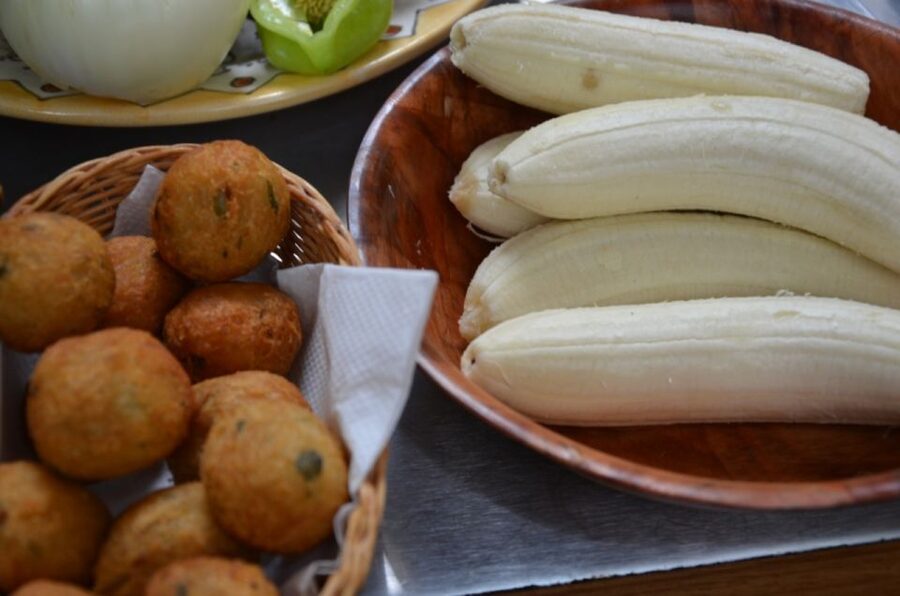
- Banana farofa with flavored rice
Farofa, a toasted cassava flour side, is one of those Brazilian staples you’ll be thinking about long after the class. It adds crunch and earthy flavor that helps balance the softness of stews and the richness of beans or seafood.
- Surprise dessert based on exotic fruit availability, possibly including brigadeiro or doce de leite
This is where you get a little flexibility. The dessert can vary depending on what fruit and sweets the chef has access to. You might see brigadeiro, the famous chocolate truffle-like candy, or doce de leite, caramel-like sweetness. Either way, it’s a proper finish, not an afterthought.
If you’re doing the math, the class is described as cooking and eating 5 dishes, plus making or receiving 2 drinks, with the main dish rotating by day. At the same time, the class highlights mention learning 7 Brazilian favorite recipes. That combination makes sense if you think of it as: you cook multiple items that add up to a full meal, and the side and dessert are part of the “favorites” set too.
Cassava, Drinks, and Why the Small Details Matter
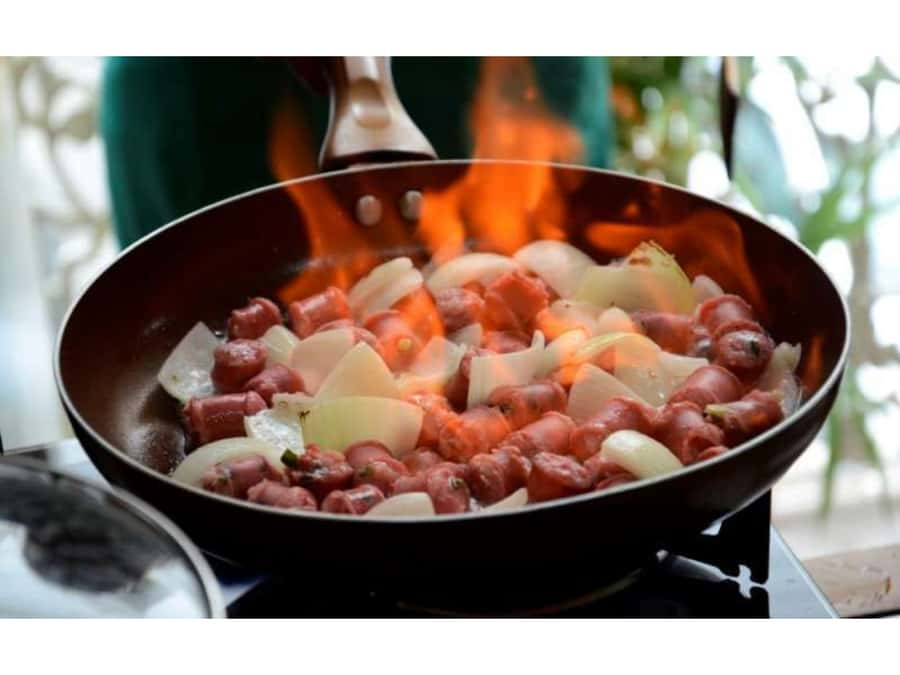
A lot of cooking classes stop at the main dish. This one adds the supporting cast that makes Brazilian food feel complete.
Cassava shows up in two ways in the description. The class includes cassava sticks as part of the meal experience. It also includes banana farofa, which is made with farofa that’s commonly tied to cassava or cassava flour in Brazilian cooking. That means even if you’re not a food science person, you’ll notice how Brazilian meals often use starch and crunch to create contrast.
The drinks are also strategic. The caipirinha brings acidity and lime snap, which helps with rich flavors like sausage and cheesy starters. The coconut drink adds creaminess and softness, which can cool the spice and round out the meal.
That’s the kind of practical lesson you can take home. When you cook later, you can remember that Brazilian meals often balance heft with freshness and texture, not just seasoning.
Languages, Group Feel, and Getting the Most Out of It
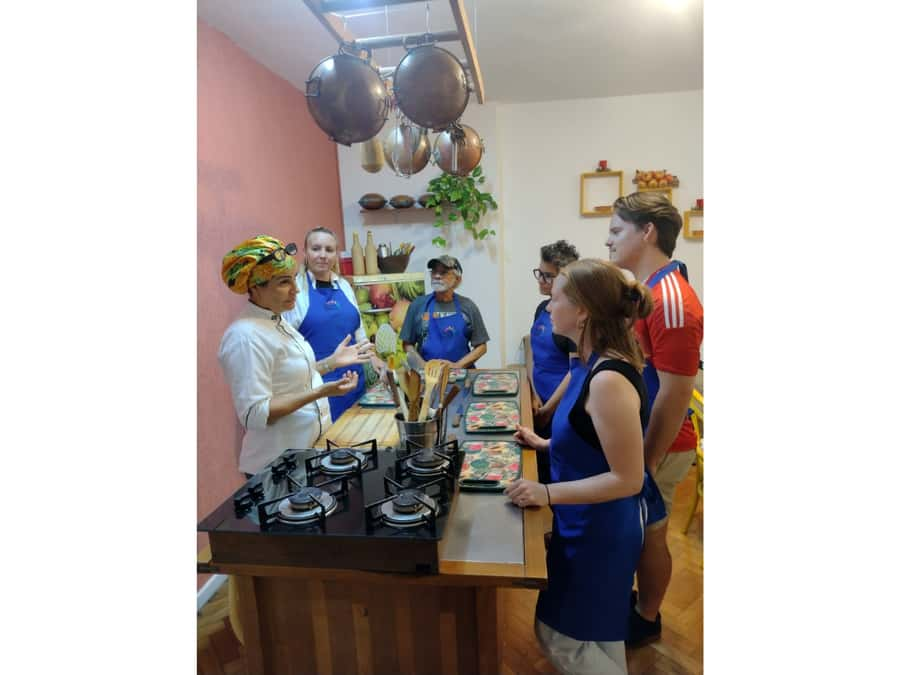
The class runs with instruction in Portuguese, English, and Spanish, so you should be able to follow along without stress. In a kitchen setting, small language gaps can create big confusion, so it’s a real plus that the instructor can switch to multiple languages.
The group atmosphere is part of the package. One thing that stands out is how safe and social the class is meant to feel, with time to talk during cooking and after the meal. If you like meeting other people while you travel, this hits the sweet spot. If you’d rather keep to yourself, small groups can still work well because you can stay focused and ask only what you need.
To get the most out of your 3-hour session, come in with two mental habits:
- pay attention to seasoning cues early, since those can be the difference between good and great
- ask how the dish should taste at each stage, not just what step comes next
The instructor’s approach is described as attentive, which usually translates to better results. When someone notices your sauce getting too thick or your pan running too hot, your meal improves fast.
Price and Logistics: Is $220 a Good Deal?
At $220 per person, this isn’t a budget activity. You’re paying for a full cooking session with ingredients and equipment included, plus drinks, plus an instructor-led meal experience in a small group.
Here’s how I’d judge the value for you. This class bundles several costly parts that would add up separately if you tried to recreate it:
- instruction from a chef, not a self-guided cookbook session
- hands-on cooking for multiple recipes
- all ingredients and equipment provided
- the meal itself, including 2 drinks
Also, it happens in a real studio kitchen in Copacabana. That location matters if you want something easy to fit into a typical Rio itinerary without extra planning.
The trade-off is logistics. Transportation is not included, and you’re responsible for getting to and from the studio. If you’re planning to stay far from Copacabana or you don’t want to navigate local transport, factor in that extra cost and time.
So is it worth it? For food lovers and hands-on travelers, it often is. If you’re only looking for casual entertainment or you already cook a lot and just want recipes, you might compare it to other classes or consider a lower-cost food tour. But if you want the full chef-led experience, this price starts to make sense.
When This Class Fits Best (And When It Doesn’t)
This class is ideal if you’re the kind of traveler who likes to bring something home besides photos. You’ll leave with a sense of how Brazilian flavors are built, how stews and sides come together, and how drinks fit naturally into the meal.
It also suits couples and small groups, since you can learn better with less crowding. The private group angle means you’re not getting stuck with random strangers who might distract the lesson.
You might not love it if you’re pressed for time and hate structured activities. Even though the duration is listed as 3 hours, cooking classes move at their own pace. If you want every hour to be spontaneous beach time, you’ll need to plan.
What to Eat, What to Learn, What to Remember Later
When you cook, you absorb things you’d never notice as a diner. You see what happens when the pan is hot enough. You learn which flavors are meant to pop first, and which flavors are supposed to sit back and thicken over time.
From the menu, you’ll get a practical toolkit:
- how lime-based drinks work with savory foods
- how fruit jam can act like a spicy-sweet sauce
- how farofa and rice create texture and balance
- how beans or seafood stews get built for a final, cohesive taste
If you want a simple takeaway, it’s this: Brazilian meals rely on contrast. Crunch with softness. Freshness with richness. And spice that feels intentional, not random.
Chef Simone’s teaching style also seems to matter. The class is described as safe and friendly, and that makes it easier to ask questions instead of staying silent. If you can relax and learn in the moment, you’ll remember more when you try again at home.
Should You Book This Rio Cooking Class?
I’d book it if you want a hands-on Rio experience tied to real Brazilian cooking, not just a meal you eat and forget. The small group size, the rotating moqueca or feijoada main dish, and the full dinner structure with caipirinhas and batida de coco make it feel like a complete evening.
I’d think twice if $220 per person feels steep or if you’re unwilling to handle transport to Copacabana on your own. Also, confirm the timing for your date since the experience is described as both 3 hours and up to 4 hours.
If you like cooking, culture, and food that you can actually recreate later, this is a smart use of time in Rio.
FAQ
How long is the Brazilian cooking class in Rio?
The experience is listed as 3 hours.
What recipes do I cook?
You’ll cook 5 dishes as part of the meal experience, including items like fried cheese with spicy guava jam, sausage slivers, either pork and beans feijoada or seafood moqueca (based on the day), banana farofa with flavored rice, and a surprise dessert.
Does the main dish change during the week?
Yes. Moqueca seafood is offered on Mondays, Wednesdays, and Fridays. Feijoada is offered on Saturdays.
How many people are in a class?
The class has a maximum of 7 participants.
What languages are offered?
The instructor can teach in Portuguese, English, and Spanish.
Are drinks included?
Yes. The class includes 2 drinks, including a lime caipirinha and a coconut-based batida de coco, along with the meal.
Is transportation included?
No. Pick-up and drop-off are not included.
FAQ
Can I cancel for a full refund?
You can cancel up to 24 hours in advance for a full refund.
Do I have to pay all at once when booking?
You can reserve now and pay later.
More Cooking Classes in Rio De Janeiro
More Tour Reviews in Rio De Janeiro
More Tour Reviews in Rio De Janeiro
Latest from our Rio De Janeiro notebook
- Unforgettable Boat Party★ 5.0 · 3 reviews
- Tijuca National Park and all its wonders!★ 5.0 · 3 reviews
- Rocinha Jeep Tour: A Journey into the Soul of the Favela!★ 3.8 · 3 reviews
- Rio: Favela Walking Tour of Rocinha with a Resident Guide★ 4.7 · 3 reviews
- Rio: Private, Custom express, Main Attractions!★ 5.0 · 3 reviews
- Rio: Museum of Tomorrow, Yup Star & Olympic Boulevard★ 3.7 · 3 reviews
Workshops, compared.
 ★ 4.9Beginner Samba Lesson in IpanemaFrom $251,071 reviews
 ★ 4.6Samba Class in CopacabanaFrom $25262 reviews
 ★ 4.6Samba Class and Samba Night TourFrom $63115 reviews
 ★ 4.8Caipirinha Workshop and Samba ClassFrom $12113 reviews
 ★ 4.5Samba Class in CopacabanaFrom $3552 reviews
 ★ 4.7Surf lessons: in Arpoador in Ipanema.From $3335 reviews
 ★ 4.9Capoeira Class at Mestre Bimba’s 1st Ever School.From $4334 reviews
 ★ 5.0Surf Lesson with Qualified Instructor in FlorianópolisFrom $3931 reviews
Browse the lists this tour appears in