
REVIEW · SALVADOR & BAHIA TOURS
Salvador: Capoeira Class at Mestre Bimba’s 1st Ever School.
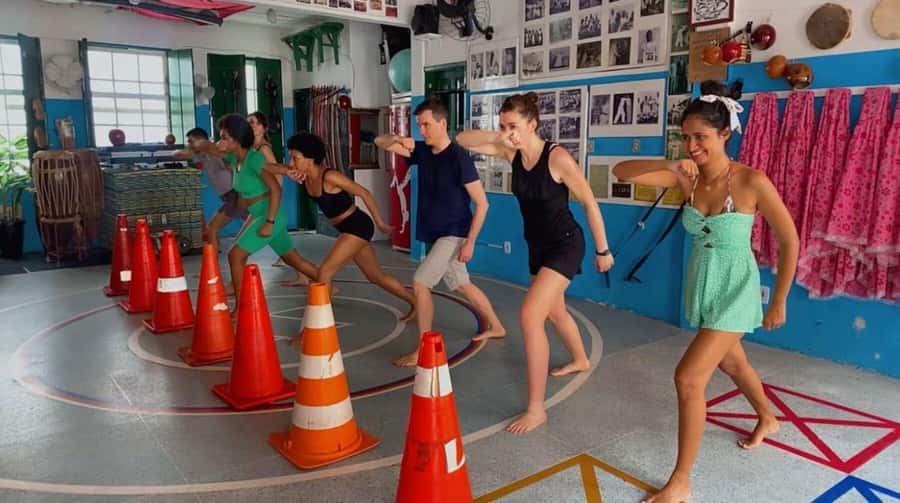
Capoeira moves fast, even when you are new. At Mestre Bimba’s 1st ever school in Salvador, you learn the basics of this Afro-Brazilian martial art with beginner-friendly instruction and a strong focus on culture and history. It is a one-hour class that mixes fitness, coordination, and story, so you leave understanding why capoeira matters in Salvador.
What I like most is the way the class is built for total first-timers. The instructor guidance is patient, supportive, and tuned to people who have never trained before, and the teaching includes the historical roots in plain language. Also, the vibe feels welcoming, including for people who show up as a mum and daughter pair or as solo travelers, and the English instruction comes from decades of teaching experience, not a last-minute translation effort. Many participants highlight instructor Yasmin for being especially demonstrative and encouraging.
One consideration: expect an intense workout. Even with beginner coaching, capoeira uses your legs hard, and you should plan for sweat, heavy breathing, and possibly sore muscles the next day.
In This Review
- Key things you will remember
- Capoeira at Mestre Bimba’s 1st-Ever School in Salvador
- What Happens in a 1-Hour Beginner Class
- Cultural Context That Actually Makes the Moves Meaningful
- Attacks, Defenses, and Flow: Learning Without Feeling Clumsy
- The Role of Music and Discipline in Capoeira
- Price and Value: Is $43 Worth It?
- Getting There Near Largo do Terreiro de Jesus
- Who This Class Suits Best
- Should You Book This Capoeira Class?
- FAQ
- What is the duration of the capoeira class?
- Is this class only for experienced capoeira students?
- Where do I meet for the class?
- What languages are available?
- What should I bring or wear?
- Does the class include anything besides instruction?
- What is the cancellation policy?
Key things you will remember
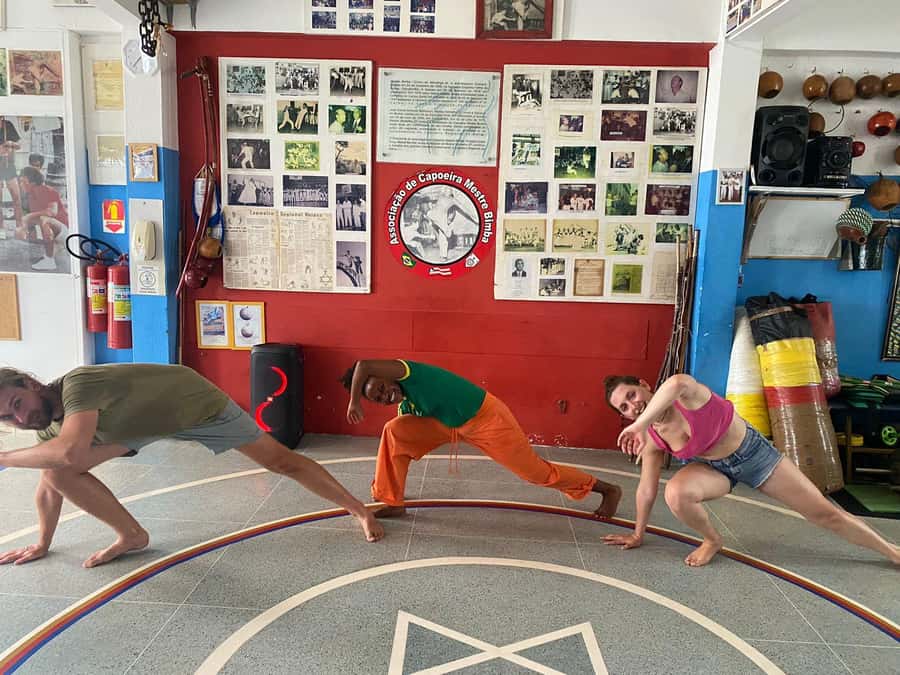
- First school in Brazil since 1937, founded by Mestre Bimba, so you learn in a place with real lineage
- Made for complete beginners, including people who have never trained capoeira
- English and Portuguese instruction, plus cultural and historical context alongside the physical moves
- A guided mix of attacks, defenses, and flow movements, so you learn how the parts connect
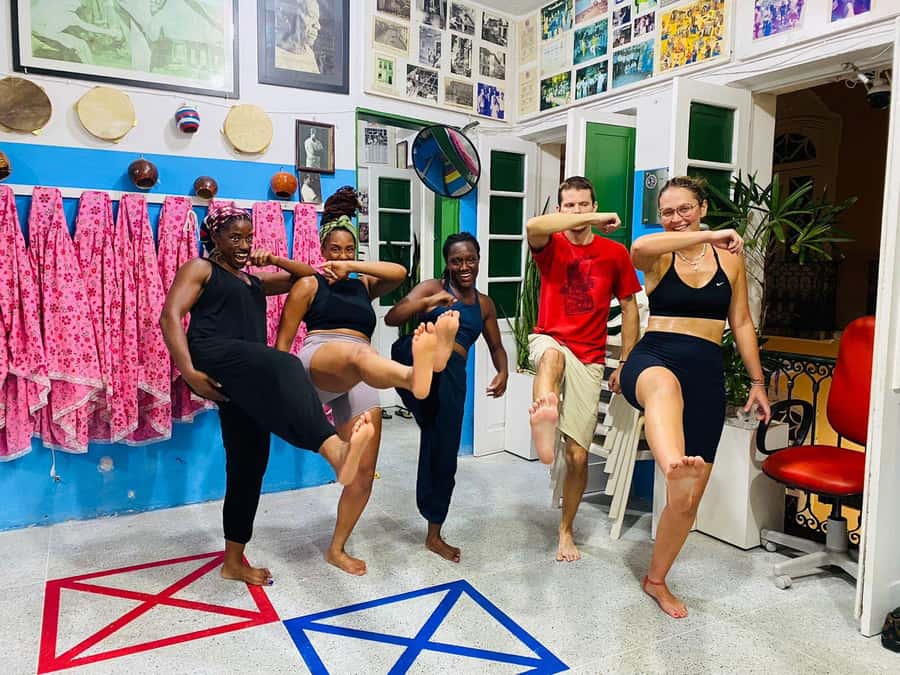
- You will sweat a lot, and it is still fun even when you feel clumsy at first
Bahia beyond the Pelourinho
Capoeira at Mestre Bimba’s 1st-Ever School in Salvador
Salvador is one of the best places in Brazil to meet capoeira in its natural habitat. This class happens at Associação de Capoeira Mestre Bimba, tied to Mestre Bimba, the founder of one of the earliest and most important capoeira schools. The highlights emphasize that it is the first capoeira school in Brazil since 1937, which matters because you are not just learning tricks. You are learning within a tradition that has been teaching for a long time.
Also, this setting helps you understand how capoeira works as more than self-defense. It is built around rhythm, discipline, movement, and community. In a beginner class like this, you get to experience that whole idea without needing prior training.
If you are the kind of traveler who likes your activities to feel real, this one is a strong pick. You are in the city where capoeira culture lives, not in a watered-down performance-only format. And since the class is aimed at first-timers, it is easier to focus on learning instead of feeling behind.
What Happens in a 1-Hour Beginner Class
Think of the class as a guided crash course in the capoeira basics, with the emphasis on doing it safely and confidently.
Here is the flow you can expect, based on how the class is described and how it is taught to beginners:
First, you show up at Associação de Capoeira Mestre Bimba and settle in for the session. The class begins by setting context. You learn what capoeira is, why it has both physical and cultural meaning, and how the session is going to work for people who have never trained.
Next comes the movement part. The instructor teaches attacks, defenses, and flow movements. That wording is important. You are not only memorizing one-off gestures. You learn how movements connect and how to move with the group, which is what makes capoeira feel like a conversation instead of a series of disconnected exercises.
Because you are a beginner, the coaching is focused on clear demonstrations and steady progression. Multiple experiences shared emphasize that the teacher checks that you have learned the basics before moving on. In other words, you get the chance to actually understand what you are doing, not just copy a sequence and hope for the best.
Finally, the session wraps up with you leaving with a practical foundation. Many participants describe leaving with the basics of capoeira. Even after a short class, you should have enough to recognize what you saw and to feel more confident if you spot capoeira again later in Salvador.
Cultural Context That Actually Makes the Moves Meaningful
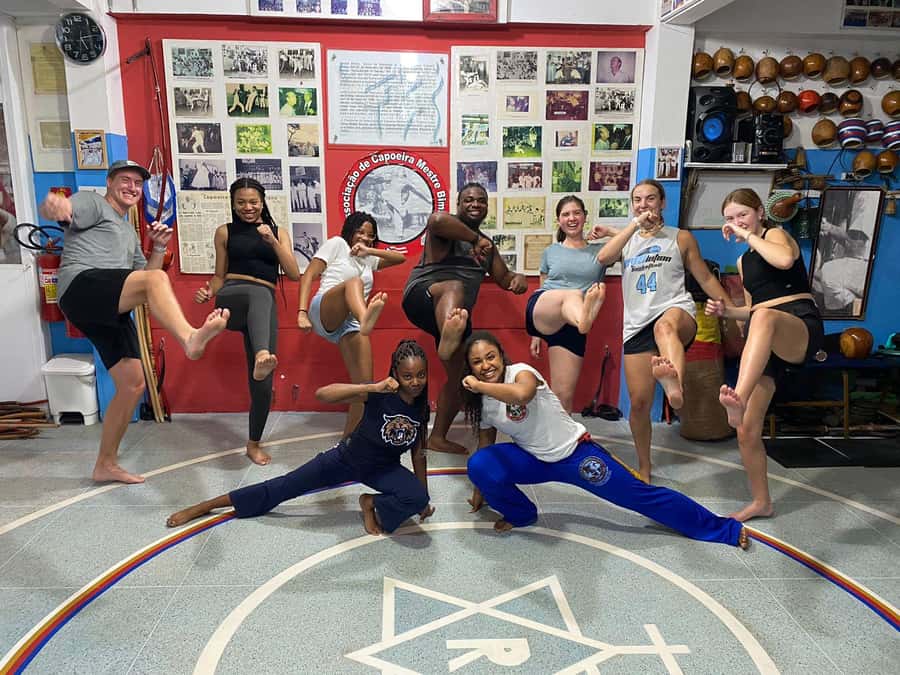
Capoeira is often described as a martial art, but it is also a cultural system. This class leans into that. The activity highlights call capoeira an Afro-Brazilian practice that combines fight, culture, dance, music, and acrobatics. Even as a beginner, you learn the physical side and the meaning behind it.
The best part here is the balance. You do not just get facts dumped on you. You get history and cultural importance taught in a way that matches the training. Participants specifically mention enjoying the historiography shared before or alongside the movements. That matters for travelers because it helps you connect the body mechanics to the bigger story.
You will also hear how capoeira is strongly tied to Afro-Brazilian ancestry. That connection is not just a slogan. It helps explain why capoeira has always been more than sport. It has been a way to express identity, build community, and keep culture alive through movement.
If you care about learning something you can carry forward, this is the difference between a workout class and a Salvador experience you can explain later. You will understand why people in Salvador practice capoeira, not only what to do with your feet.
Hands-on sessions around Salvador Brazil
- Salvador: Capoeira Class at Mestre Bimba’s 1st Ever School.
★ 4.9 · 34 reviews - Salvador: 3-Hour Percussion Class
★ 4.9 · 10 reviews - Salvador: Traditional Drumming and Percussion Workshop
★ 4.4 · 10 reviews - BOXE CLASS – EX BAHIAN CHAMPION (SALVADOR-BA)
★ 5.0 · 7 reviews
Attacks, Defenses, and Flow: Learning Without Feeling Clumsy
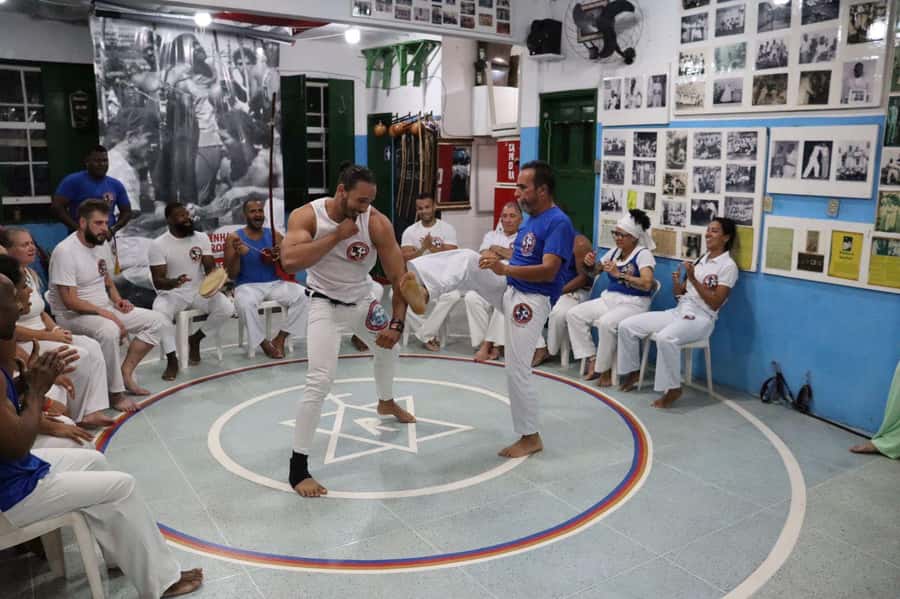
Capoeira can look intimidating from the outside. It often includes quick turns, sweeping kicks, and movement that looks like it belongs in a dance studio or a circus show.
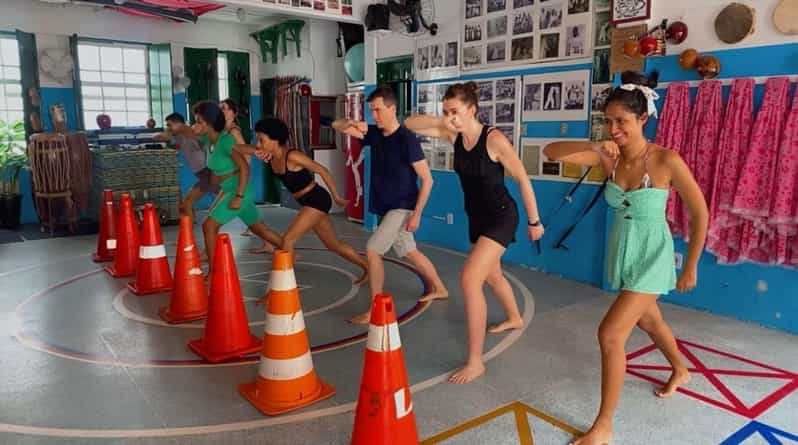
In this beginner class, the key is that you start from basics. The activity is directed toward BEGINNERS who have never trained. So your learning starts with foundational attack and defense movements, taught clearly, slowly enough to keep you oriented, and supported so you do not feel embarrassed when you miss a step.
This approach is exactly what you want if you are visiting on a tight schedule. You are not trying to “catch up” to people who have been training for years. Instead, you are learning the logic of capoeira: how to protect yourself, how to attack safely, and how to move in a continuous flow that feels natural.
Also, instructors tend to keep the session moving forward only after the group has grasped the key basics. That is a huge value in a one-hour experience. It means you are less likely to leave with the feeling that you only watched and never learned.
And yes, it is physical. More than one review notes that it is intense and that legs can feel it for days. That is not a downside if you know what you signed up for. It is capoeira. The legs are the engine.
The Role of Music and Discipline in Capoeira
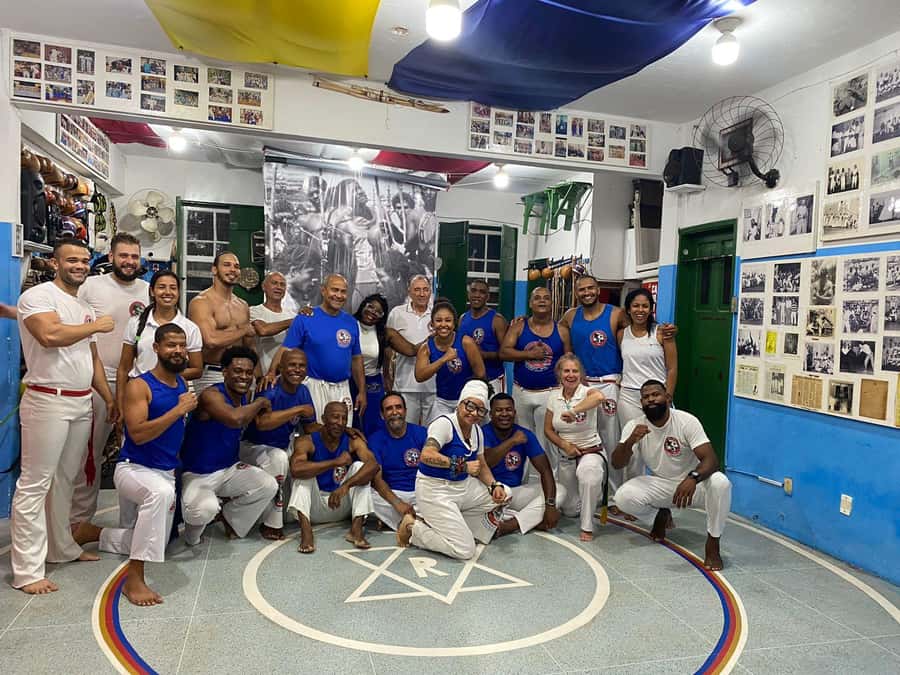
Even though this is a beginner class, capoeira is not treated like a silent exercise. Capoeira uses rhythm, coordination, and timing. The highlights explicitly mention music as part of capoeira, and the class is presented as a mix of movement and cultural practice.
So you should expect a training atmosphere where discipline and attention matter. You listen, you watch, you respond, and you learn how to keep your movements controlled. That can feel calming in a weird way. It is hard work, but it also gives your brain something structured to focus on.
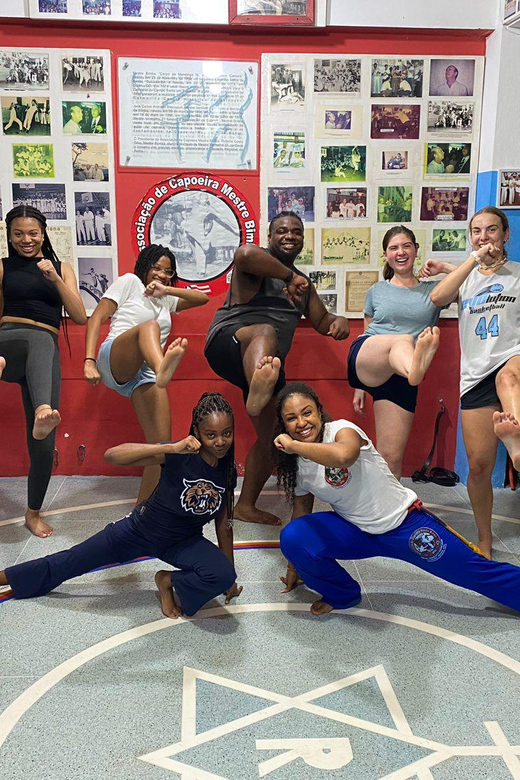
One more thing: capoeira is strongly social. It is taught in a group setting, and the reviews describe a welcoming environment, including for people who have never done it before. That matters because capoeira asks you to move in close coordination with others. Being around kind, patient instruction makes it much easier to take risks while learning.
If you like activities where you learn a skill and also gain a social connection, this class does that. It is not just a demonstration. You are part of the action.
Price and Value: Is $43 Worth It?
At $43 per person for 1 hour, you are paying for more than a workout. You are paying for:
- Beginner-focused instruction that does not assume prior experience
- Cultural and historical teaching alongside the movement
- A school with a long teaching legacy, described as over 80 years of experience in English instruction
- Basic inclusions like bottled water
Here is the value logic that makes this price make sense. In many cities, you can pay similar money for a “try it” class that mostly teaches you a dance-like sequence. This one is different because it is built around actual capoeira basics: attacks, defenses, and flow. Then it adds the context that turns those moves into understanding.
You also get time efficiency. One hour is short enough to fit into an itinerary without wrecking your day. Yet it is long enough to learn something real, not just pose for photos and leave.
If your goal is to understand Salvador through an authentic, physical culture, this class is a strong match for your money. If your goal is a super gentle sightseeing walk, capoeira will probably feel too intense.
Getting There Near Largo do Terreiro de Jesus
The meeting point is at Associação de Capoeira Mestre Bimba. There is no pickup service, so you need to plan your own arrival.
The good news is that you can orient yourself using nearby landmarks listed for the meeting area:
- Ó Paí Ó Restaurante
- São Domingos Gusmão Church (in Largo do Terreiro de Jesus)
When you get close, look for the association area and confirm you have the right meeting spot before the class starts.
What to wear matters. Reviews encourage you to wear comfortable sports clothing and expect to sweat a lot. Wear shoes or footwear appropriate for training, or follow any guidance you receive from the instructor ahead of time. Bring a water bottle if you can, even though bottled water is included. If you sweat easily, having your own extra water can help you feel more comfortable.
Who This Class Suits Best
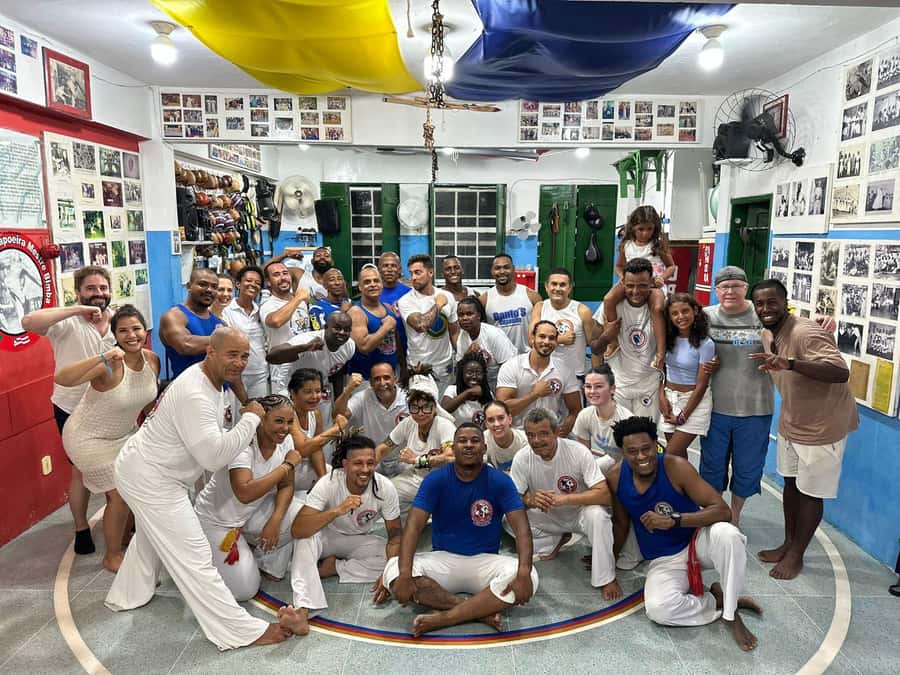
This is a beginner class, so it fits people who want to try something new and physical without prior training. The highlights are clear that the class is for people who have never trained capoeira, and the reviews back up that the instruction is patient and supportive.
It also suits travelers who want a connection to Salvador that goes beyond looking. Participants specifically mention feeling more connected to the area after attending. That connection usually comes from the combination here: you get movement plus cultural context, in a place tied to capoeira’s teaching lineage.
You will probably enjoy it most if you:
- Want an activity that teaches a real skill, not just a show
- Like learning culture through hands-on practice
- Are okay with sweating and moving your legs hard
One more practical note: capoeira can make you feel it the next day. So if your next item on your schedule is a long walking tour, you might plan for that soreness.
Should You Book This Capoeira Class?
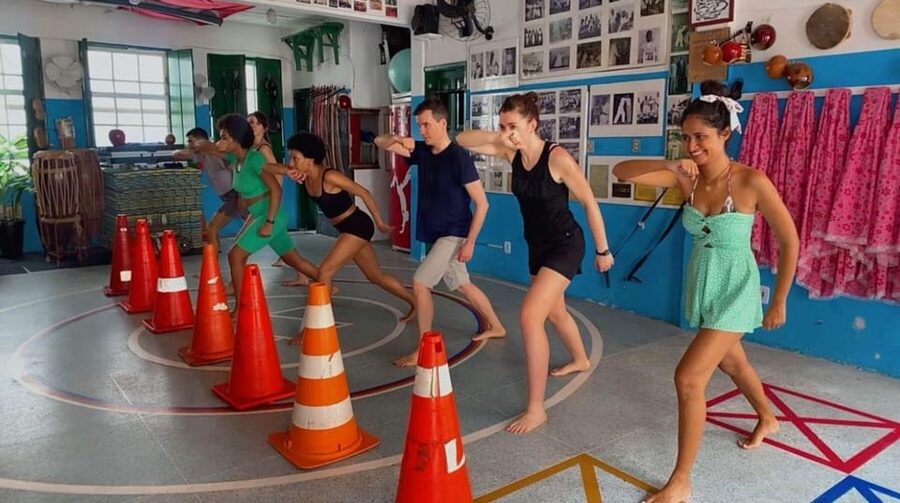
I think you should book this class if you want a true Salvador-style experience that is beginner-friendly and still feels real. The combination of first-school-in-Brazil roots, instruction for complete beginners, and English guidance from long-term teaching experience makes it a solid value at $43 for 1 hour.
Skip it only if you want something low-energy, or if you are not comfortable with a workout that uses your legs intensely.
If you are on your first trip to Salvador and you only have room for one hands-on cultural activity, this is the kind of choice that pays off because it teaches you both movement and meaning.
FAQ
What is the duration of the capoeira class?
The class lasts 1 hour.
Is this class only for experienced capoeira students?
No. The class is directed to BEGINNERS who have never trained capoeira.
Where do I meet for the class?
Meet at Associação de Capoeira Mestre Bimba. There is no pickup service. Helpful nearby landmarks include Ó Paí Ó Restaurante and São Domingos Gusmão Church in Largo do Terreiro de Jesus.
What languages are available?
Instruction is offered in English and Portuguese.
What should I bring or wear?
Wear comfortable sports clothes and expect to sweat a lot. It is also a good idea to bring a water bottle.
Does the class include anything besides instruction?
Yes. Bottled water is included.
What is the cancellation policy?
You can cancel up to 24 hours in advance for a full refund.
More Tour Reviews in Salvador Brazil
Bahia, Past the Old Town
More Tour Reviews in Salvador Brazil
Latest from our Salvador Brazil notebook
- From Salvador: Quilombo Heritage Daytrip with Lunch★ 3.4 · 3 reviews
- From Salvador: Schooner Tour to Frades Island★ 3.9 · 3 reviews
- Salvador: Caipirinha Masterclass with Unlimited Drinks★ 4.2 · 4 reviews
- Salvador: Schooner Cruise with Pickup and Itaparica Stop★ 3.8 · 5 reviews
- BOXE CLASS – EX BAHIAN CHAMPION (SALVADOR-BA)★ 5.0 · 7 reviews
- Salvador by Night: Pelourinho & Old Town Tour★ 4.3 · 8 reviews
Salvador & Bahia Tours, compared.
 ★ 3.9Schooner Tour to Frades Islands and ItaparicaFrom $3998 reviews
 ★ 4.7Afro-Brazilian Roots Private City Tour in SalvadorFrom $15088 reviews
 ★ 5.0Trekking the valley of the pat 3 days/ GUIDE TUTY CHAPADA DIAMANTINAFrom $42178 reviews
 ★ 5.04 FASCINATING DAYS! Reservations from 2 people -Chapada Diamantina by ZenturFrom $32371 reviews
 ★ 5.0Private City Tour in Porto SeguroFrom $11870 reviews
 ★ 5.02 AMAZING DAYS! Booking from 2 people – Chapada Diamantina by ZenturFrom $13363 reviews
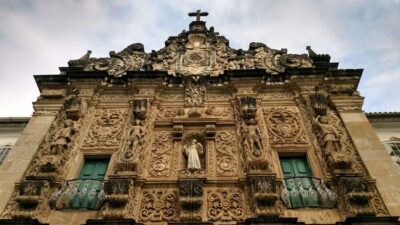 ★ 4.8Salvador Historic Walking Tour – Pelourinho62 reviews
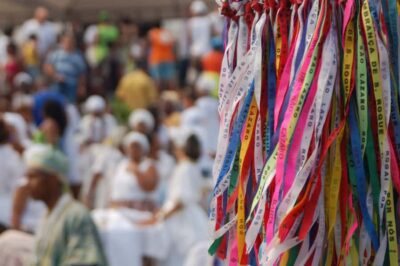 ★ 4.5Salvador de Bahia African Culture Tour60 reviews
Browse the lists this tour appears in