
REVIEW · SALVADOR & BAHIA TOURS
Afro-Brazilian Roots Private City Tour in Salvador
Afro-Brazilian Salvador hits differently. This 6-hour private city tour threads together Bahia’s faith, food, and coastal neighborhoods, starting at Rio Vermelho with the altar of Yemayá tended by local fishermen, then moving through Dique do Tororó, São Joaquim Fair, and a Candomblé visit in the Ewe Fon tradition. What I like most is the focus on everyday culture (not just monuments) and the included food time, especially the acarajé tasting and lunch with sea views. One consideration: parts of the route are outside the typical tourist circuit, and photography is not authorized in the favela communities you visit.
From the moment you’re picked up in Salvador, the day is set up for flow: a comfortable private car, guided stops built around photos and short walks, and a guide who can explain the meaning behind the sites in plain language. Guides I’d watch for, based on past bookings, include Wilson and Mônia, who are noted for strong storytelling and answering follow-up questions. Wear comfortable shoes, because you’ll be on the move for most of the day.
In This Review
- Key highlights to know before you go
- What You’re Really Buying in This 6-Hour Private Tour
- Rio Vermelho, Yemayá, and the Sea as a Cultural Center
- Dique do Tororó Photo Stops With African Symbolism
- São Joaquim Fair, Intangible Heritage, and Food That Tells the Story
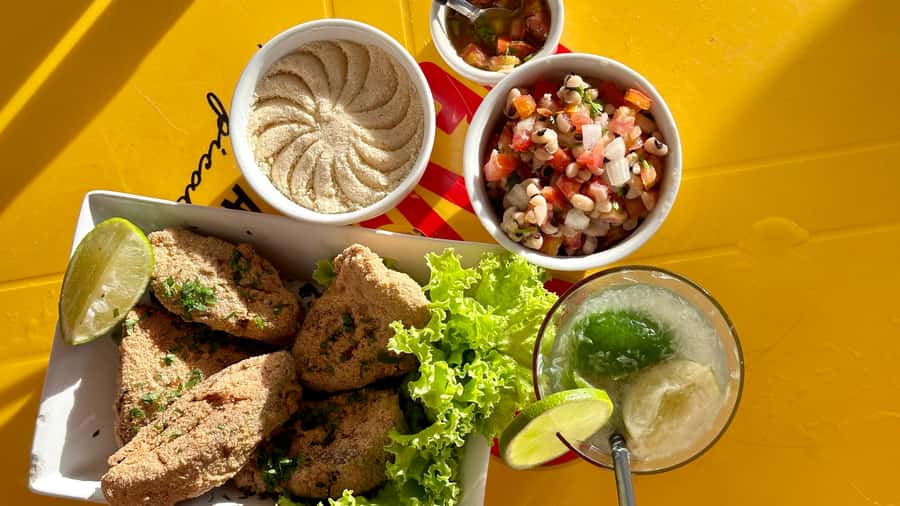
- Acarajé Tasting, the Best Kind of Food Break
- Candomblé in the Ewe Fon Tradition, Respectful Access
- Ending in a Seaside Favela, Lunch With Real Views
- Comfort, Shoes, and How to Make This Day Feel Easy
- Price and Value, What $150 Covers and Why It’s More Than a Taxi
- Who Should Book, and Who Might Want a Different Option
- Should You Book Afro-Brazilian Roots in Salvador?
- FAQ
- What is the duration of the Afro-Brazilian Roots private city tour in Salvador?
- How much does the tour cost?
- Does the tour include pickup from my accommodation?
- What languages are available for the live guide?
- Is this tour private or shared?
- What is included in the price?
- Are drinks included with lunch?
- Where does the tour end, and what is included at the end?
- Can I take photos everywhere on the tour?
- Is the tour suitable for wheelchair users?
- What should I wear for this tour?
Key highlights to know before you go
- Rio Vermelho and the Yemayá altar cared for by local fishermen, with context behind what you see.
- Photo stops at Dique do Tororó, where African symbolism shows up in the monuments.
- São Joaquim Fair tastes and aromas, a stop centered on food and intangible cultural heritage.
- Acarajé tasting built into the route, so you eat while the story is fresh.
- Candomblé in the Ewe Fon tradition, where belief and community are explained respectfully.
- Sea-view lunch ending in a seaside favela, with a note that photography may be restricted.
Bahia beyond the Pelourinho
What You’re Really Buying in This 6-Hour Private Tour
For $150 per person, you’re not paying for a long checklist of random stops. You’re paying for a guided day that connects themes, from the sea and orixás to markets and lived religion. The private car matters here. Salvador traffic can be a time thief, and this format keeps the day from turning into lots of waiting and guessing.
You also get included food: lunch plus an acarajé tasting. That’s not just a snack. It’s timed as part of the culture lesson, so you’re learning and tasting in the same session. On top of that, a donation is included, which usually signals you’re entering spaces with the expectation of respect, not as a drive-by photo op.
The “private” part is key. Past experiences under this model consistently highlight guides who can answer detailed questions. One guest even pointed out Wilson as a PhD historian type, and another emphasized Mônia’s passion and depth. I’d take that as a sign: if you like history and the why behind traditions, you’ll feel it in the pacing and explanations.
Finally, keep expectations realistic. This is a tour that includes non-touristy neighborhoods. It’s not wheelchair-friendly, and you’ll want comfortable shoes, because the day is active.
Rio Vermelho, Yemayá, and the Sea as a Cultural Center
The day starts with a classic Salvador move, Rio Vermelho. Instead of jumping straight to postcard viewpoints, you go to the waterfront and then to a sacred altar connected to Yemayá. The altar is maintained by local fishermen, which gives the site an important feel: this is not just heritage as a display. It’s part of how people live and relate to the sea.
What I like about this early stop is the grounding. Yemayá is often described as a powerful ocean presence in Afro-Brazilian belief. Here, you’re not only seeing a location, you’re getting a guide-led explanation that helps you understand why the waterfront matters beyond scenery. It also sets up the rest of the tour, because you’ll keep seeing how faith and daily life share the same streets.
This is also a great photo moment, but do it respectfully. There’s a difference between taking a picture and treating sacred space like a tourist prop. A good guide will steer you toward what’s appropriate, and this tour style usually does.
If you’re someone who likes to ask questions, this first leg is a strong warm-up. You’ll often get more than surface commentary, especially with guides like Wilson or Vagner, who have been praised for connecting African roots to how Salvador developed over time.
Dique do Tororó Photo Stops With African Symbolism
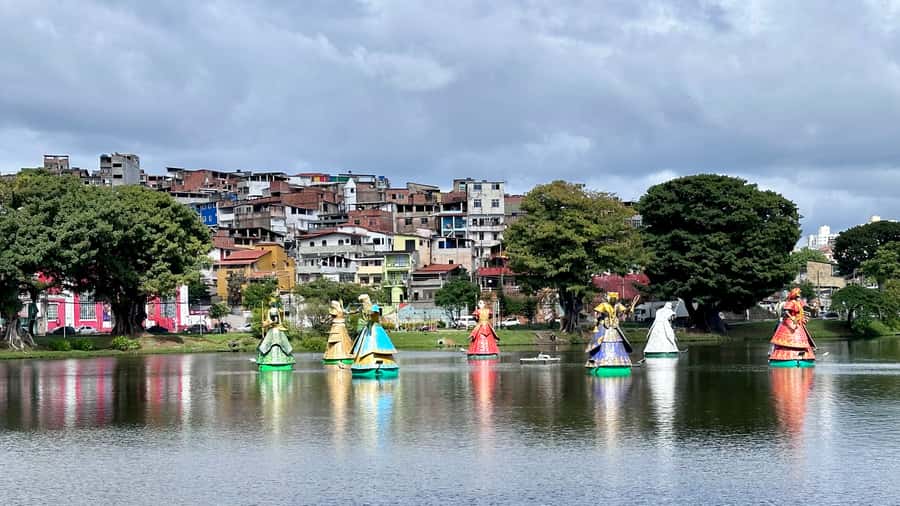
Next comes Dique do Tororó, known for imposing African monuments. The route includes guided time plus photo stops, so you can actually look at what’s there instead of snapping and moving on.
Here’s the value of this stop: it’s a visual lesson. When African symbolism appears in public art and monuments, it’s doing more than decorating. It’s carrying memory, identity, and meaning across generations. Your guide should translate those symbols into understandable context, in your language, since the tour operates with Portuguese, Spanish, English, and French.
One practical note: the tour uses short guided windows, around 30 to 40 minutes for several of the photo and guided stops. That means you’ll want to stay mentally ready. If you go cold, you’ll miss the explanation that makes the photos worthwhile.
Also, take advantage of the photo stop structure. If your guide offers angles or points of view, it’s because there’s something specific to notice.
City loops we timed around Salvador Brazil
- Salvador: Anthropological City Tour with Lunch IN 6 HOURS
★ 4.9 · 20 reviews
São Joaquim Fair, Intangible Heritage, and Food That Tells the Story
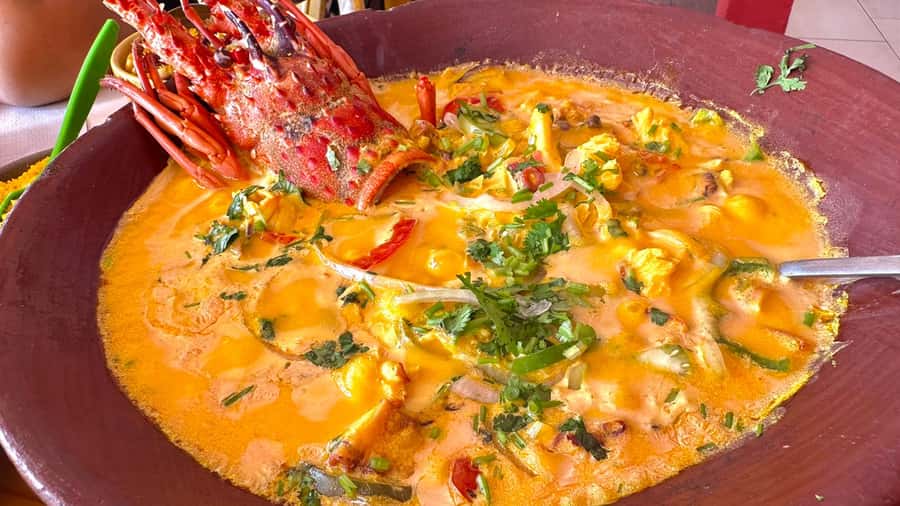
São Joaquim Fair is where the tour shifts gears from monuments to daily culture. This is an intangible heritage kind of stop, the kind where you’re meant to smell, see, and taste. You’ll have time for guided context while walking through a market environment full of fruits, vegetables, and typical dishes.
I like this part because it’s not only about what you eat. It’s about how food reflects geography, identity, and the history of cultural mixing in Bahia. When your guide explains where flavors come from and why certain ingredients or dishes show up, the market becomes a living classroom.
You’ll also likely pick up practical taste cues. For example, you can learn what to try next, what looks similar but tastes different, and how to interpret the ingredients you’re seeing. This is especially helpful if your Salvador day plan mostly centers on beach time and a few tourist spots.
One more plus: the market stop builds naturally into the acarajé tasting. That pacing helps you avoid a common travel problem. You don’t just do a food moment in isolation. You set up the cravings with context, then you eat.
Acarajé Tasting, the Best Kind of Food Break
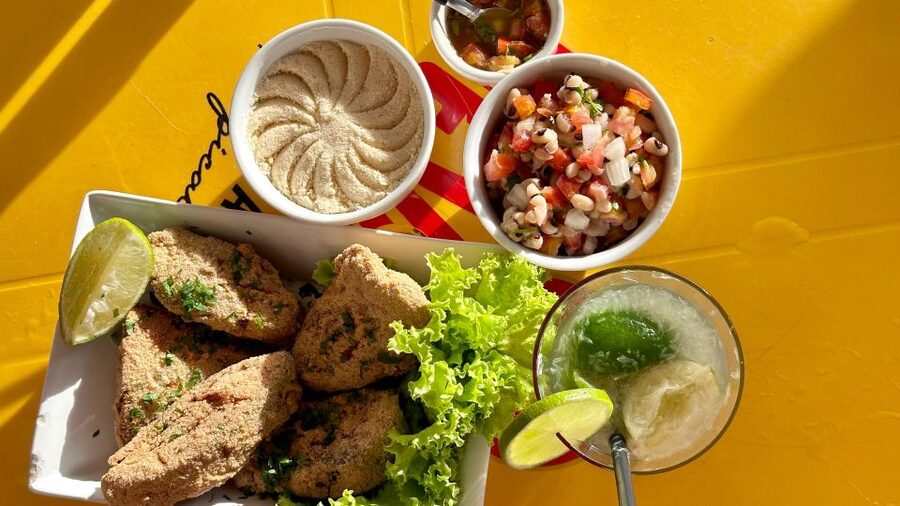
Acarajé tasting is included, and it’s placed right when you’re ready for a real break. That matters because long tours often include food at the end, when you’re tired and just want to eat. Here, you get taste time earlier, while you’re still engaged with the cultural thread.
Acarajé is one of the iconic Afro-Brazilian street foods of Bahia, and it’s also the kind of item that helps you understand why food and belief are so intertwined in this region. Your guide should explain what you’re eating and why it matters, not just hand you a plate.
What to expect on your end:
- You’ll want to eat slowly enough to notice flavors and textures.
- Plan for it to be filling, because lunch comes after.
- If you’re sensitive to spicy flavors, ask your guide in the moment which options are milder, since the tour includes a market and local dining stops.
In short, this is where the tour becomes more than sightseeing. It becomes a sensory experience with meaning.
Candomblé in the Ewe Fon Tradition, Respectful Access
The tour’s spiritual center is the visit to a sacred temple of Candomblé in the Ewe Fon tradition. This is not a casual photo stop. It’s a guided experience meant to help you understand the beliefs and the role they play in community life.
I’d recommend going in with two mindsets. First, expect the guide to explain concepts clearly, even if your background is new to Candomblé. Second, expect you will need to follow the temple’s pace and rules. The tour includes guided time for a reason, and a respectful visit makes the whole day better.
Several past experiences emphasize that guides can go into detail, not just skim the surface. One guest specifically highlighted a Candomblé explanation that matched their Yoruba interests, and another described conversations that happened with a house leader during an appropriate moment. Those kinds of interactions are exactly what make this stop feel real, not staged.
Also, think of this as a cultural translation exercise. The guide’s job is to connect rituals, symbols, and everyday identity in a way you can actually hold in your head. If you’re the kind of person who asks why something is done, you’ll likely enjoy this section a lot.
Ending in a Seaside Favela, Lunch With Real Views
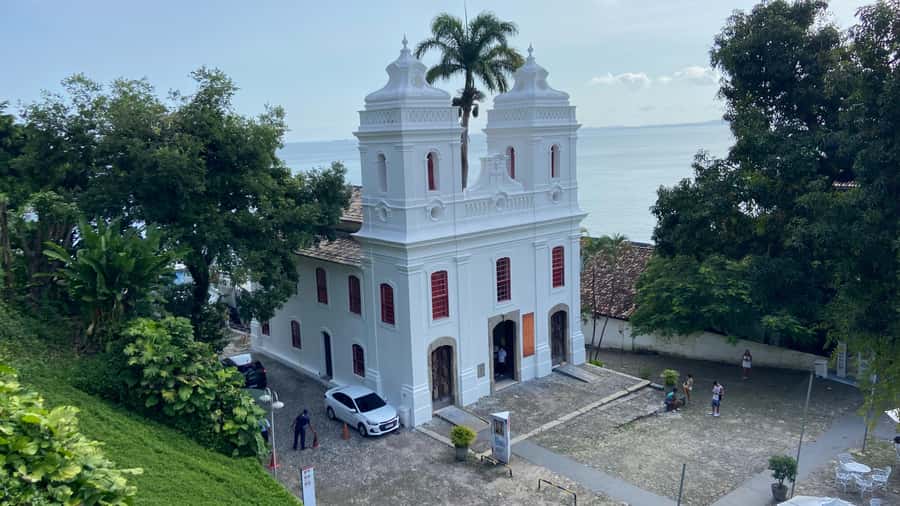
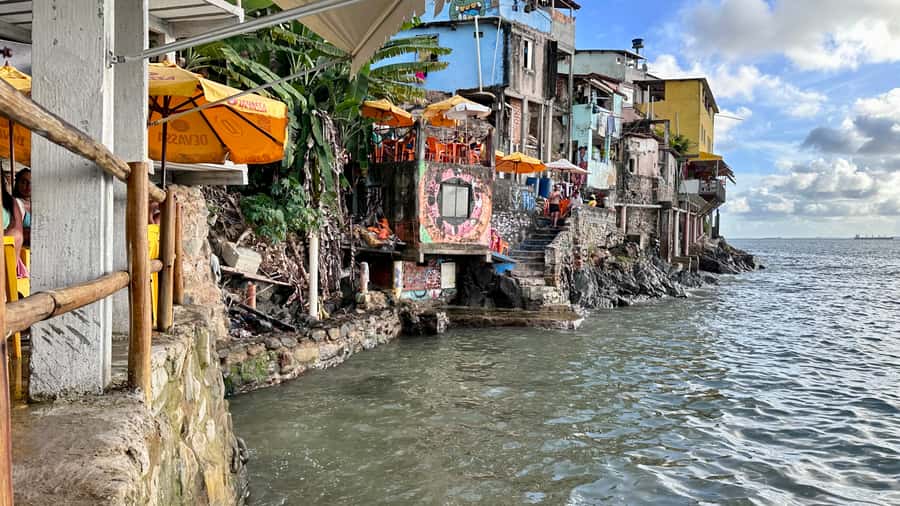
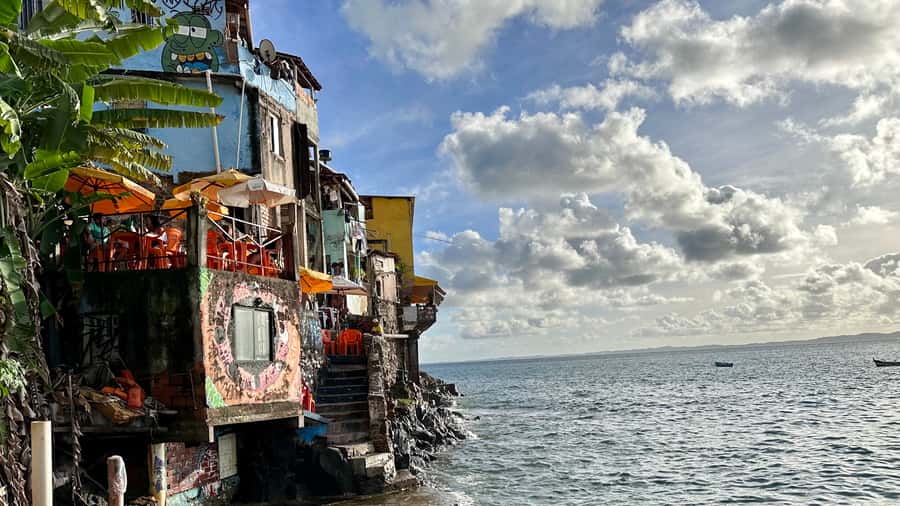
The tour concludes at a picturesque seaside favela. This is the part that most strongly differentiates it from standard “old town” runs. You get a chance to relax and enjoy lunch with panoramic views of the shimmering sea.
Two things make this stop valuable. One, it shows you Salvador beyond the usual tourist grid. Two, it gives you time to breathe and reflect on what you just learned, because the day ends in a slower rhythm.
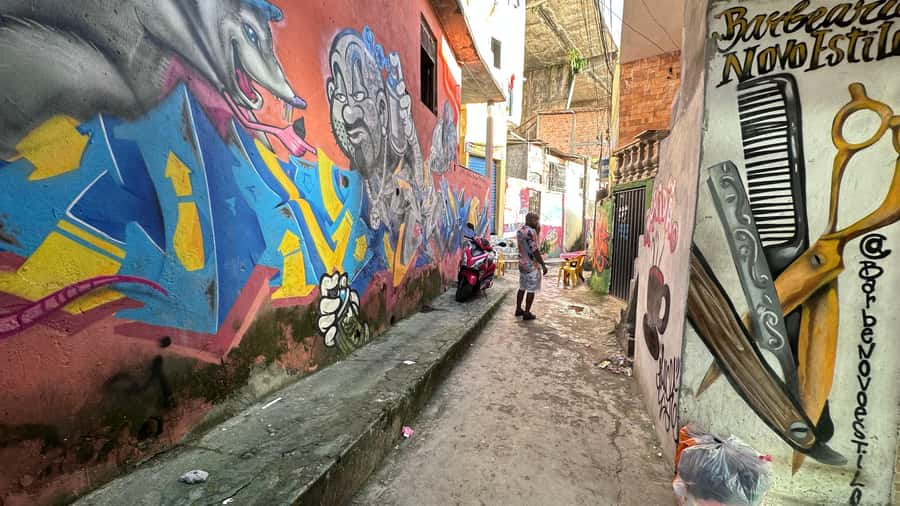
There’s one important consideration: photography is not authorized in the favela communities you visit. That means you should keep your expectations flexible and focus on listening and observing instead of shooting pictures. The view will still be there, but respect comes first.
Lunch is included, and it’s positioned as a finishing reward. Past guests have also mentioned sea-view dining spots connected with this ending, so you can expect the meal to feel connected to the coast, not stuck in a generic lunch venue.
This is also a good point to check yourself physically. By the time you reach the end, you’ll likely have walked a fair amount and sat in the car multiple times. Plan hydration and take it easy.
Comfort, Shoes, and How to Make This Day Feel Easy
Six hours sounds simple until you do it in a city where driving takes time and walking happens in small bursts. Here’s how to make it feel smooth.
First, wear comfortable shoes. The tour guidance specifically calls this out, and it’s because you’ll move through multiple stops with photo moments and guided segments. You want traction and comfort, not blisters.
Second, keep your body ready for short windows. Several stops include guided time plus photo stops, which means you might stand, walk a bit, and reposition photos. That’s normal for this format.
Third, go prepared for heat and sun. The tour spends time near the waterfront and in market areas. If you tend to get overheated, bring a hat and use sunscreen. Those are your best “extra included items,” because the tour itself includes the big logistics but not personal comfort gear.
Finally, remember the tour is a private group, so the flow depends on your guide. If you need a short pause, it’s usually easier to request in a private setting than on a large group bus.
Price and Value, What $150 Covers and Why It’s More Than a Taxi
At $150 per person, the best way to judge value is by counting what you get that would cost extra if you tried to do it on your own. This tour includes:
- a tour guide
- a private car
- lunch
- an acarajé tasting
- a donation
If you try to self-plan, you’d need transportation, a guide for cultural context, and food arrangements across multiple neighborhoods. Even then, you might not be able to access certain sacred spaces or get the level of explanation that makes the day meaningful.
That’s where the guide quality becomes a big part of the value. Multiple past experiences give strong credit to guides such as Wilson and Mônia for connecting Salvador to African heritage in a way that answers questions, not just gives directions. Another praised Vagner for explaining how Salvador’s Black population sustained beliefs and traditions over centuries. When a guide can do that, the tour stops feeling like a set of locations and starts feeling like a coherent story you can repeat later.
So I see the price as paying for cultural access plus structured interpretation, with food included so you’re not hungry and distracted.
Who Should Book, and Who Might Want a Different Option
This tour is a great fit if you:
- care about Afro-Brazilian heritage and want it explained in context
- enjoy religion and history as lived culture, not just museum facts
- like food that connects to identity, especially Bahia classics like acarajé
- prefer a private format where your questions can actually get answered
It’s also a good choice if you want less “checklist Salvador” and more everyday neighborhoods, including a seaside favela ending.
But skip it if:
- you use a wheelchair. This tour is not suitable for wheelchair users.
- you expect photography everywhere. In favela communities, photography is not authorized.
- you want only wide-open sightseeing with minimal walking. You will be on your feet at multiple stops.
If you’re sensitive to sacred-space rules or you get uncomfortable in spiritual settings, you should tell your guide your preferences early. A well-run cultural tour should be able to guide you respectfully.
Should You Book Afro-Brazilian Roots in Salvador?
I’d book this tour if you want Salvador with meaning, not just a day of photos. The combination of Yemayá at Rio Vermelho, symbolism at Dique do Tororó, market energy at São Joaquim Fair, acarajé, and a Candomblé visit in the Ewe Fon tradition creates a through-line. Add lunch with sea views, and you get a full day that feels intentional.
Choose this if you’re excited to understand why people do things, where traditions come from, and how African roots show up in Bahia today. If that sounds like your kind of travel, you’ll probably come away with stories you can carry home.
FAQ
What is the duration of the Afro-Brazilian Roots private city tour in Salvador?
It runs for 6 hours.
How much does the tour cost?
The price is $150 per person.
Does the tour include pickup from my accommodation?
Yes. Pickup is included in Salvador, and you should wait in the hotel lobby about 10 minutes before the scheduled time.
What languages are available for the live guide?
The live guide is available in Portuguese, Spanish, English, and French.
Is this tour private or shared?
It is a private group tour.
What is included in the price?
The tour includes the tour guide, lunch, an acarajé tasting, private car transportation, and a donation.
Are drinks included with lunch?
No, drinks are not included.
Where does the tour end, and what is included at the end?
The tour ends back in Salvador after a lunch stop at a seaside favela with panoramic sea views.
Can I take photos everywhere on the tour?
In the favela communities you visit, photography is not authorized.
Is the tour suitable for wheelchair users?
No, it is not suitable for wheelchair users.
What should I wear for this tour?
Wear comfortable shoes, since you will be moving around during the day.
More Tour Reviews in Salvador Brazil
Bahia, Past the Old Town
More Tour Reviews in Salvador Brazil
Latest from our Salvador Brazil notebook
- From Salvador: Quilombo Heritage Daytrip with Lunch★ 3.4 · 3 reviews
- From Salvador: Schooner Tour to Frades Island★ 3.9 · 3 reviews
- Salvador: Caipirinha Masterclass with Unlimited Drinks★ 4.2 · 4 reviews
- Salvador: Schooner Cruise with Pickup and Itaparica Stop★ 3.8 · 5 reviews
- BOXE CLASS – EX BAHIAN CHAMPION (SALVADOR-BA)★ 5.0 · 7 reviews
- Salvador by Night: Pelourinho & Old Town Tour★ 4.3 · 8 reviews
Salvador & Bahia Tours, compared.
 ★ 3.9Schooner Tour to Frades Islands and ItaparicaFrom $3998 reviews
 ★ 5.0Trekking the valley of the pat 3 days/ GUIDE TUTY CHAPADA DIAMANTINAFrom $42178 reviews
 ★ 5.04 FASCINATING DAYS! Reservations from 2 people -Chapada Diamantina by ZenturFrom $32371 reviews
 ★ 5.0Private City Tour in Porto SeguroFrom $11870 reviews
 ★ 5.02 AMAZING DAYS! Booking from 2 people – Chapada Diamantina by ZenturFrom $13363 reviews
 ★ 4.8Salvador Historic Walking Tour – Pelourinho62 reviews
 ★ 4.5Salvador de Bahia African Culture Tour60 reviews
 ★ 5.03 DAYS OF CHARM! Booking from 2 people – Chapada Diamantina by ZenturFrom $23359 reviews
Browse the lists this tour appears in