
REVIEW · SALVADOR & BAHIA TOURS
Salvador de Bahia African Culture Tour
Salvador’s African legacy is right under your feet. This 3-hour walking tour traces how African culture shaped everyday life in the city’s historic core, from Terreiro de Jesus to Escola do Olodum, with stops built around faith, liberation, music, and Carnival.
What I like most is the way the guide connects specific places to bigger forces, like Portuguese colonization and Jesuit missions, then ties that story to African presence in Salvador. I also really appreciate the people skills, and several guides stood out in recent feedback, including Eduardo for history depth and Sayuri for handling difficult topics respectfully, including slavery and the Black Brazilian experience.
One possible drawback to keep in mind: this is a walking tour, so timing and value matter. At least one booking reported the tour ending closer to 2 hours instead of the listed 3, and another said the price felt high for an on-foot route that focuses on sites you can see for free.
In This Review
- Key highlights
- Meeting point at Catedral Basilica, then a smart paced city walk
- Terreiro de Jesus: colonization stories you actually feel
- Cross of São Francisco: liberation, brotherhood, and street-level memory
- Afro-Brazilian Mass: faith as culture, not a footnote
- Escola do Olodum: Carnival as education and identity
- Capoeira and samba on the move: the rhythm part that sticks
- How the private format and languages affect your day
- Value and logistics: what you get for a 3-hour heritage walk
- Should you book this Salvador de Bahia African Culture Tour?
- FAQ
- How long is the Salvador de Bahia African Culture Tour?
- Where is the meeting point?
- What languages are available for the live guide?
- Is this tour private or shared?
- What major stops are included?
- What is the cancellation policy?
- Can I reserve now and pay later?
Key highlights
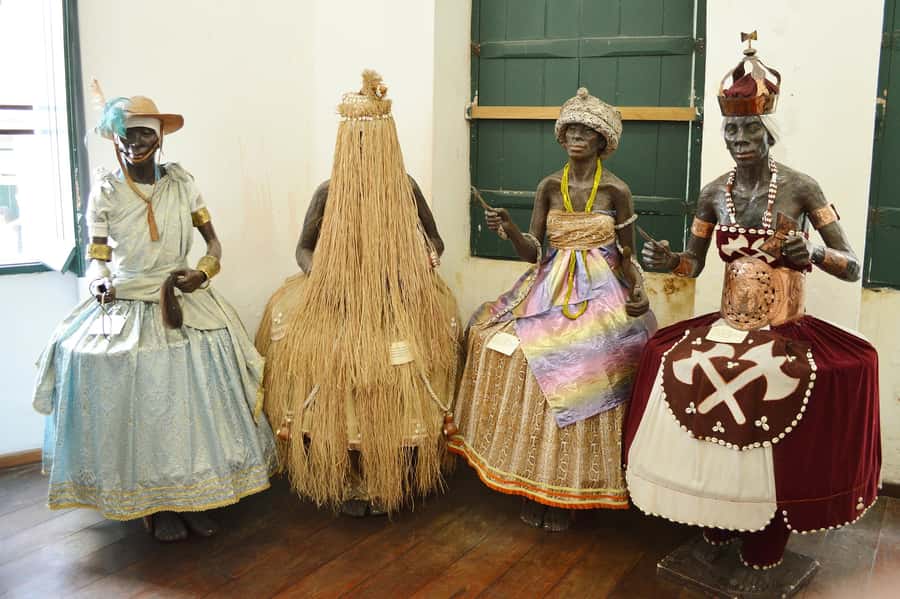
- Terreiro de Jesus connects Portuguese and Jesuit influence with African presence in Salvador
- Cross of São Francisco frames a 19th-century men’s organization and the struggle for Black liberation
- Oludum or Escola do Olodum shows how African-descended education and culture feed directly into Carnival
- Capoeira and samba show up as more than entertainment, they are tied to identity and rhythm
- Afro Brazilian Mass is included as a faith-and-culture link you do not usually hear on standard city walks
Bahia beyond the Pelourinho
Meeting point at Catedral Basilica, then a smart paced city walk
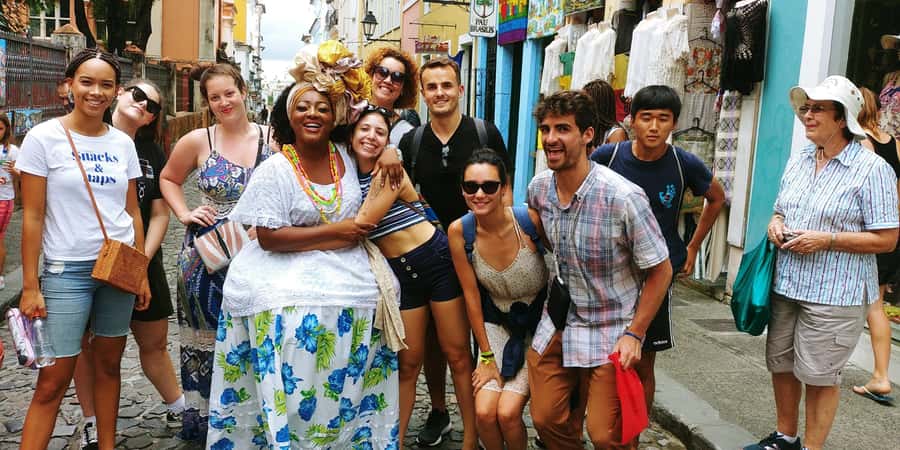
You meet at 2 pm in front of the Cathedral Basilica of San Salvador. From there, the tour follows a walking route through the center, so you will spend the afternoon switching from one “story location” to the next, instead of sitting in one place and waiting.
The private group format is one reason this works. You can ask questions as you go, and the guide can adjust the emphasis. One guide in feedback, Sayuri, was praised for checking in at the start about what people wanted to focus on, then routing the conversation to match that. If you care about music, liberation history, or the Carnival angle, tell your guide early.
Practical tip: wear solid walking shoes. This is a 3-hour experience, and you are moving through old-town streets, not strolling in a park.
Terreiro de Jesus: colonization stories you actually feel
The first major stop is Terreiro de Jesus. Here, the tour focuses on how this area of Brazil was shaped through colonization, with attention to Jesuit missions and Portuguese control. This is not just a date-and-chronology lesson. The way it’s framed makes it easier to understand how power, religion, and forced movement all influenced daily life and cultural survival.
A key detail that makes this stop special is how the guide connects the colonization story to African presence in Salvador. You will hear about African celebrities who worked in the city throughout history. No last-name roll call is promised, but the point is clear: African people were not only part of the labor system, they were also part of the city’s public life and cultural footprint.
Why this stop matters for you: Terreiro de Jesus gives you a baseline for how Salvador formed. Once you have that mental model, later stops about liberation organizations and cultural schools land with more weight.
What to watch for: this is where sensitive history can come up. Some guides are praised for being respectful when discussing slavery and other harsh realities. If you want gentle pacing, ask your guide how they handle difficult topics at the start.
Cross of São Francisco: liberation, brotherhood, and street-level memory
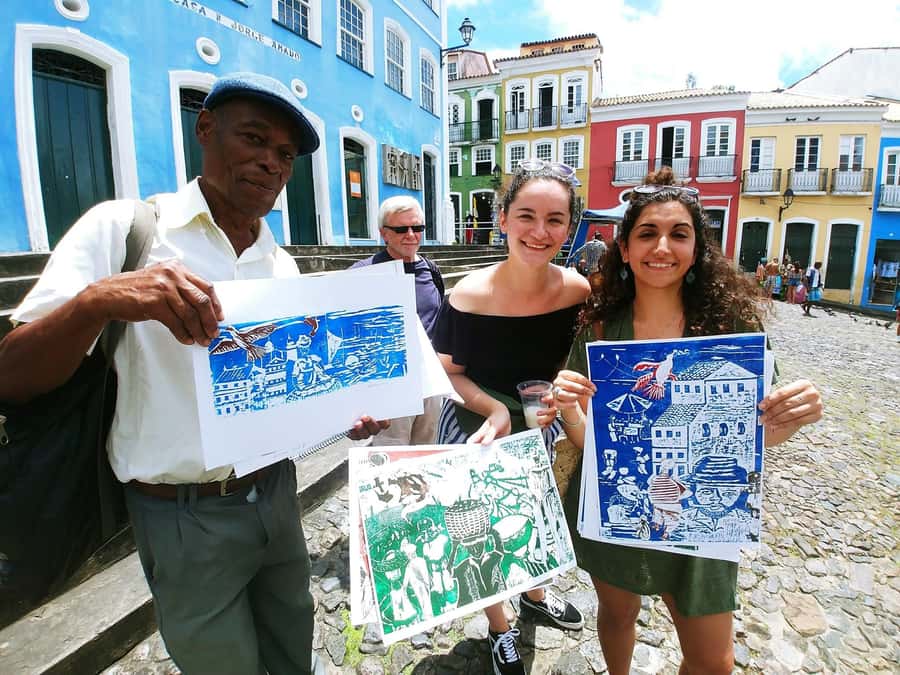
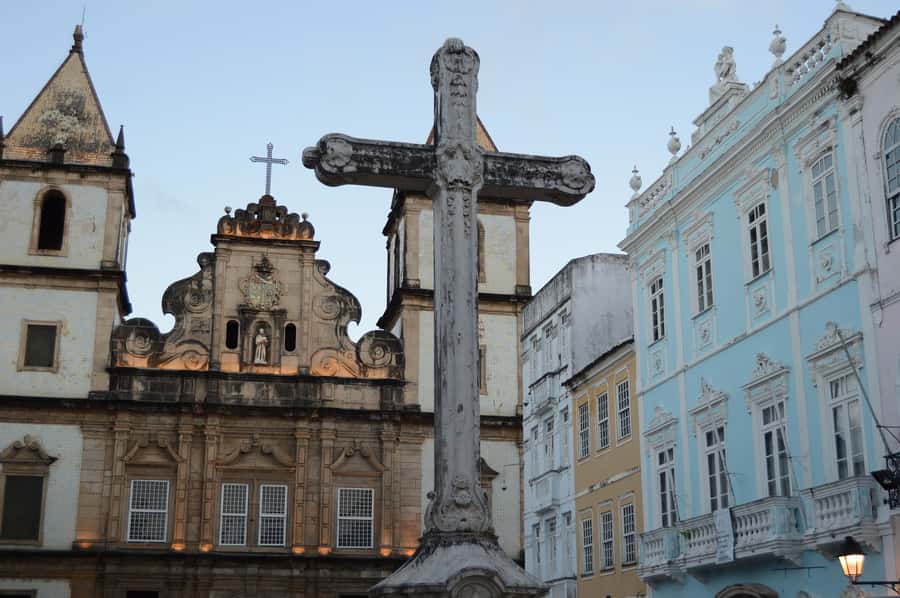
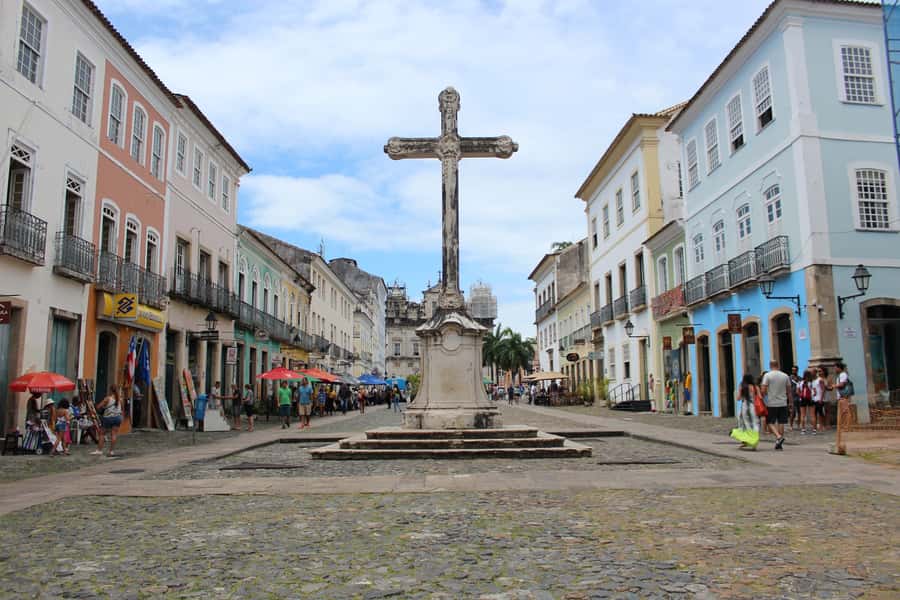
Next you head toward the Cross of São Francisco. This is one of those locations that works like a chapter marker. The tour explains the birth in the 19th century of a men’s organization created to help the Black community of Salvador in the struggle for liberation.
That framing is the difference between seeing a monument and understanding why it matters. The cross becomes a public reminder of organizing, mutual support, and resistance, not just a photo stop.
The tour also brings in key parts of African culture here, including samba and capoeira dances. Even if there is no full performance, you still get the cultural logic: rhythm is social. Dance and music are not random fun, they are ways of gathering identity, training the body, and building community.
Small bonus if you like interaction: a few guides in feedback were described as easy to talk to and willing to answer lots of questions. If capoeira and samba are your interests, this is the moment to ask how they connect to history rather than treating them like separate traditions.
- Salvador: Praia Do Forte and Guarajuba Beach Day Trip
★ 4.1 · 56 reviews - Salvador: Cultural Treasure – Samba de Roda.
★ 4.9 · 51 reviews - Salvador: Walking Tour Through Pelourinho
★ 5.0 · 49 reviews - Salvador: Capoeira Class at Mestre Bimba’s 1st Ever School.
★ 4.9 · 34 reviews - Salvador: 4-Hour Candomblé Mysteries Tour
★ 4.3 · 34 reviews
Afro-Brazilian Mass: faith as culture, not a footnote
One of the listed highlights is Afro Brazilian Mass. You can expect the guide to connect this to how African heritage shows up through religious forms. Even without extra specifics provided here, the inclusion itself signals the tour’s goal: African culture in Salvador is not only drums and dance. It also lives in how people practice belief and create meaning.
This stop or segment is valuable if you are the kind of traveler who wants the full picture. Many city tours treat culture as decoration. This tour treats it as something people used to live, cope, and build community.
Consideration: since details on location and format are not specified in the provided info, it helps to plan this as a conversation stop. Your guide can clarify exactly what you will see and how the Afro-Brazilian Mass theme is presented in your particular group flow.
Escola do Olodum: Carnival as education and identity
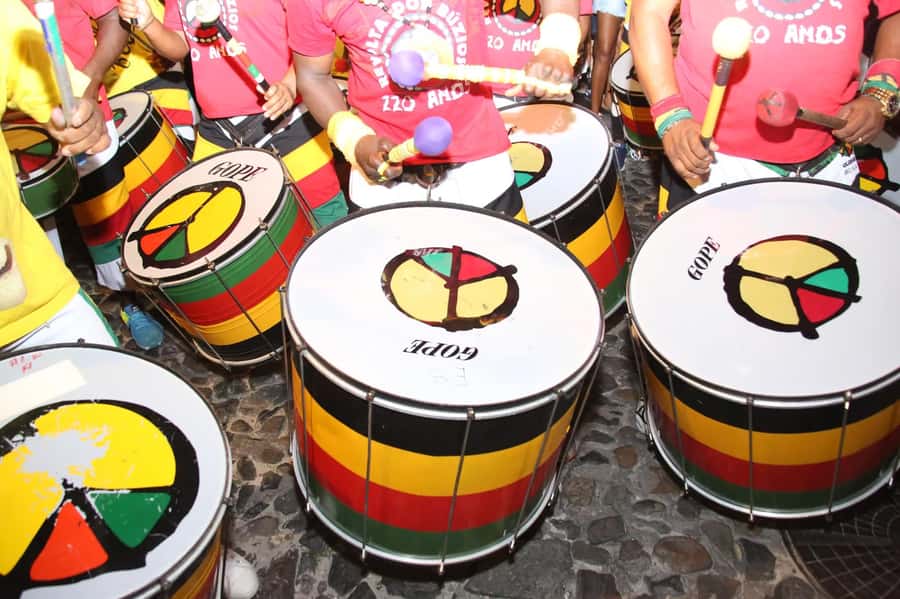
The tour then visits Escola do Olodum, a cultural and educational center of African descent. This is where Salvador’s African heritage becomes current and practical.
The guide reviews the importance of Carnival in the city, but the angle here is not only party energy. You also get why Carnival is a space for cultural continuity, youth education, and visibility for Afro-descended communities. Olodum is tied to drumming, dance, and community work, and the “education center” framing helps you understand why the drumming sounds so connected to local life.
Why you will probably love this stop: it gives you a bridge between the past and what you can still experience today. One review even mentioned Carnival navigation help from the guide, including tips that extended beyond the tour itself. If your trip lines up with Carnival season, ask your guide how to plan your time and which experiences are worth prioritizing.
Practical tip: expect to spend time listening and walking through the center’s cultural context. If you want photos, ask at natural pauses so you do not block movement for others.
Capoeira and samba on the move: the rhythm part that sticks
This tour keeps returning to rhythm, not as background, but as a teaching tool. Samba and capoeira are mentioned as key African cultural elements, and the guide’s explanations are designed to make you feel that history lives in motion.
If you’ve never seen capoeira close up, the helpful part here is the conceptual link. You learn how practice and performance can preserve identity across generations, and why the community around dance can carry values that go beyond spectacle.
It also makes the walk more fun. Even in a strictly historical itinerary, you are still in Salvador, and the city’s music atmosphere often hits you in the streets. This tour takes advantage of that by building explanations around why those sounds exist in the first place.
How the private format and languages affect your day
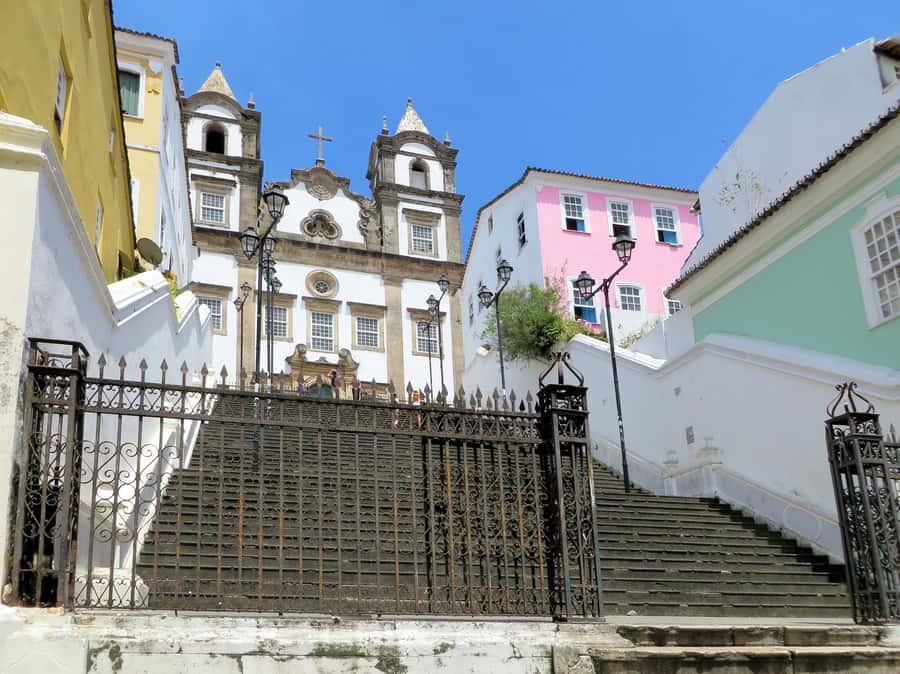
This is a live guided experience with Spanish, Portuguese, and English options. It is also listed as a private group. In plain terms, that usually means you are not just herded through stops. You can ask questions, and the guide can pace explanations based on your interests.
Recent feedback supports this. Several guides were described as patient and interactive, including praise for taking direction from participants at times. One booking also highlighted that a guide stayed in touch before and after the tour with helpful local tips.
That matters because Salvador can be a city where one good local recommendation changes your whole day. If you care about Carnival, street music, or where to eat near the areas you will visit, ask for quick next-step advice before you move on.
Timing note: the tour is listed as 3 hours. A reported issue was that at least one group felt it ended earlier. In your case, ask your guide what the planned flow looks like for your group at the start, especially if you have reservations afterward.
Value and logistics: what you get for a 3-hour heritage walk
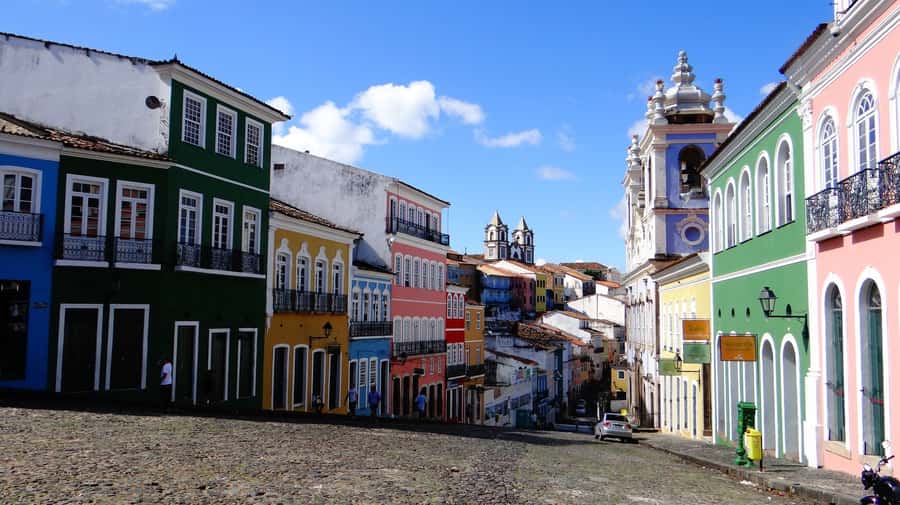
Let’s talk value without pretending it’s perfect for everyone.
On the plus side, you get four clear “anchors” that connect directly to African heritage in Salvador: Terreiro de Jesus, the Cross of São Francisco, Escola do Olodum, and the Afro Brazilian Mass concept, with samba and capoeira threaded through the story.
On the other side, one review complaint flagged price as a concern for what felt like a short walking tour focused on sites that may include places you can access freely. That does not automatically mean it is overpriced, but it does mean you should evaluate this like a lesson, not like a museum ticket.
So here is the smart way to decide: if you want storytelling that turns streets into context, and you enjoy asking questions, this format can feel like a good deal. If you only want to see buildings and monuments with minimal guidance, you might feel the cost is too high for an on-foot route.
My practical advice: if price is a big factor for you, prioritize time slots where you can fully focus for the full duration, and ask the guide what they will cover so you know you are paying for the kind of explanation you want.
Should you book this Salvador de Bahia African Culture Tour?
I’d book this tour if you want a city walk that takes African heritage seriously, not as a side topic. The itinerary is built around major story points, from colonization context at Terreiro de Jesus to liberation organizing at the Cross of São Francisco, then forward to education and cultural continuity at Escola do Olodum.
You should also consider booking if you like guides who are willing to talk, answer questions, and handle difficult subjects with respect. Feedback highlighted that this tour can address sensitive topics in a thoughtful way, not with shock value.
I would be a bit cautious if you are extremely strict about hitting exactly 3 hours, or if you strongly prefer experiences where every minute is spent in fee-based attractions. This is a walking tour, and pacing can vary with the group and guide flow.
If you fit the first group, you will likely leave with a much clearer sense of why Salvador feels the way it does.
FAQ
How long is the Salvador de Bahia African Culture Tour?
The tour lasts 3 hours.
Where is the meeting point?
You meet at 2 pm in front of the Cathedral Basilica of San Salvador, coordinates -12.972854614257812, -38.50970458984375.
What languages are available for the live guide?
The live guide is available in Spanish, Portuguese, and English.
Is this tour private or shared?
It is a private group tour.
What major stops are included?
The highlights listed are Terreiro de Jesus, the Cross of São Francisco, Olumdum (including Escola do Olodum), and an Afro Brazilian Mass.
What is the cancellation policy?
You can cancel up to 24 hours in advance for a full refund.
Can I reserve now and pay later?
Yes. The activity offers a reserve now and pay later option, where you can book your spot and pay nothing today.
More Tour Reviews in Salvador Brazil
Bahia, Past the Old Town
More Tour Reviews in Salvador Brazil
Latest from our Salvador Brazil notebook
- From Salvador: Quilombo Heritage Daytrip with Lunch★ 3.4 · 3 reviews
- From Salvador: Schooner Tour to Frades Island★ 3.9 · 3 reviews
- Salvador: Caipirinha Masterclass with Unlimited Drinks★ 4.2 · 4 reviews
- Salvador: Schooner Cruise with Pickup and Itaparica Stop★ 3.8 · 5 reviews
- BOXE CLASS – EX BAHIAN CHAMPION (SALVADOR-BA)★ 5.0 · 7 reviews
- Salvador by Night: Pelourinho & Old Town Tour★ 4.3 · 8 reviews
Salvador & Bahia Tours, compared.
 ★ 3.9Schooner Tour to Frades Islands and ItaparicaFrom $3998 reviews
 ★ 4.7Afro-Brazilian Roots Private City Tour in SalvadorFrom $15088 reviews
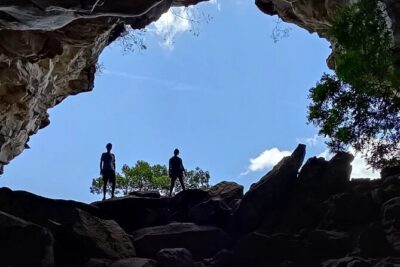 ★ 5.0Trekking the valley of the pat 3 days/ GUIDE TUTY CHAPADA DIAMANTINAFrom $42178 reviews
 ★ 5.04 FASCINATING DAYS! Reservations from 2 people -Chapada Diamantina by ZenturFrom $32371 reviews
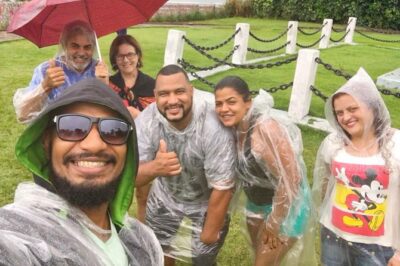 ★ 5.0Private City Tour in Porto SeguroFrom $11870 reviews
 ★ 5.02 AMAZING DAYS! Booking from 2 people – Chapada Diamantina by ZenturFrom $13363 reviews
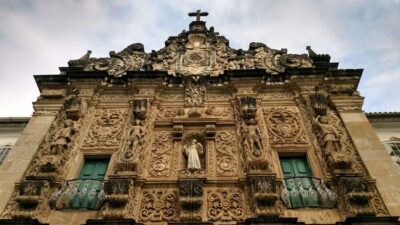 ★ 4.8Salvador Historic Walking Tour – Pelourinho62 reviews
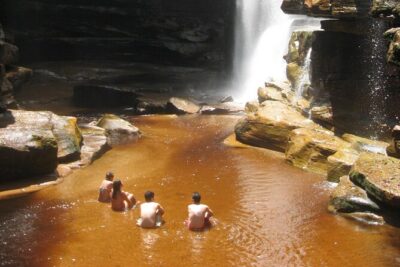 ★ 5.03 DAYS OF CHARM! Booking from 2 people – Chapada Diamantina by ZenturFrom $23359 reviews
Browse the lists this tour appears in