
REVIEW · SALVADOR & BAHIA TOURS
Salvador: Walking Tour Through Pelourinho
Pelourinho history fits in 90 minutes. I love how the route strings together big Salvador icons, from the Lacerda Elevator to Igreja de Ouro, in a tight walking loop. I also like the small group size, because it makes the guide’s pacing feel human. The main drawback is simple: it is a walking-heavy route on uneven streets, so comfy shoes are non-negotiable.
The guide for this tour is Adriano, and his English is consistently clear, with a pace that keeps you moving but never rushed. You’ll get more than photo stops, you’ll connect the dots between colonial Salvador, Black heritage landmarks, and the city’s role in Brazil’s medical and religious history. If the sun is strong, plan for it, you will be outside and you should bring water.
In This Review
- Key Moments Worth Prioritizing on Your Pelourinho Walk
- Starting at Praça Castro Alves With a Bay View
- Rua Chile and the First Street in Brazil (Plus a Bay Photo Stop)
- Praça Thomé de Souza, the First Prison, and Lacerda Elevator
- Museu da Misericórdia and the Walk Toward Praça da Sé
- Monument to the Fallen Cross, the First Bishop, and Zumbi dos Palmares
- Largo Terreiro de Jesus and the First Faculty of Medicine in Brazil
- Largo do Cruzeiro de São Francisco and Igreja de Ouro
- Ladeira do Pelô, Michael Jackson, and the Church of Black People
- What You’re Paying For: Price and Value in 90 Minutes
- Who This Tour Suits Best (And Who Should Think Twice)
- Practical Tips for a Smoother Walk in Pelourinho
- Should You Book This Salvador Walking Tour Through Pelourinho?
- FAQ
- How long is the Salvador Walking Tour Through Pelourinho?
- Where is the meeting point?
- Is the tour offered in English?
- What is the group size?
- What’s included in the price?
- Are entrance fees or food included?
- Is the tour suitable for wheelchair users or people with mobility impairments?
- What should I bring?
Key Moments Worth Prioritizing on Your Pelourinho Walk
- Praça Castro Alves Bay view: start with Baía de Todos os Santos and its islands before you head inland.
- Rua Chile, the first street in Brazil: walk a historic corridor and learn what that label really meant.
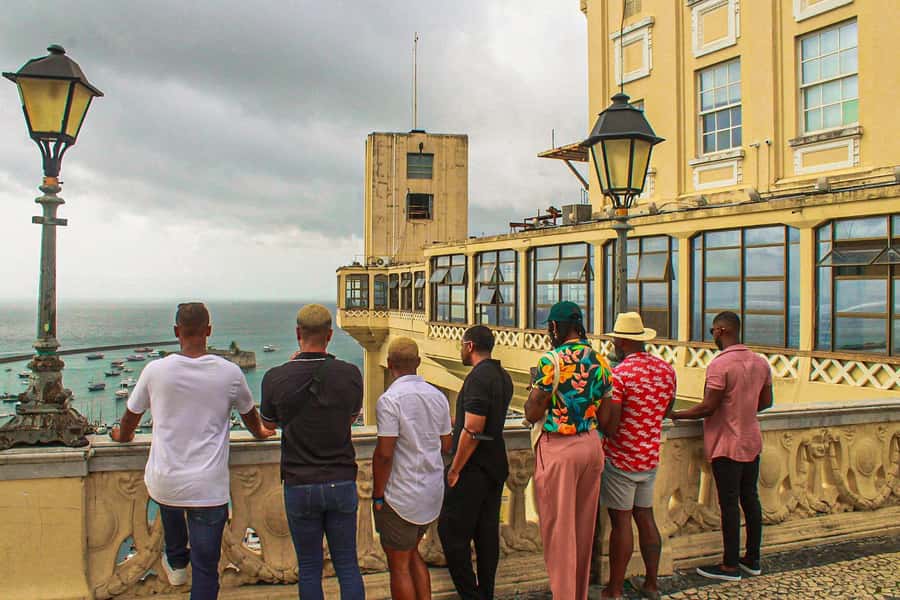
- Lacerda Elevator plus Cidade Alta and Cidade Baixa: see the bridge between neighborhoods and understand the city’s shape.
- Praça da Sé monuments and statues: Monument to the Fallen Cross, plus the story links behind major figures.
- Terreiro de Jesus and the first Faculty of Medicine: a surprising stop that adds depth beyond churches.
- Ladeira do Pelô and the Michael Jackson film spot: end with a steep street that connects pop culture and local identity.
Bahia beyond the Pelourinho
Starting at Praça Castro Alves With a Bay View
Your tour meets in Praça Castro Alves, and you’ll spot your guide using a credential. This start matters. From the square, you get an outlook over Baía de Todos os Santos and its islands, which helps your brain map where you are in Salvador.
What I like about starting here is the quick payoff. You see the big water and the coastline first, then the tour makes sense as you move into the historic core. If you are the type who likes knowing where you are standing before you learn what happened there, you will appreciate this approach.
Bring your eyes, your camera, and something for the sun. Even in mild weather, this part can be bright. The tour runs about 90 minutes, so don’t waste energy by wearing footwear you regret.
Rua Chile and the First Street in Brazil (Plus a Bay Photo Stop)
After Praça Castro Alves, you head along Rua Chile, described as the first street in Brazil. That is a bold claim, but the value here is how the guide frames it. Instead of treating it like trivia, you get the context for how early urban planning shaped daily life, movement, and social order.
Next comes a photo stop at Pau da Bandeira street, known locally for its magnificent bay views. This is your chance to grab a few photos without feeling like you are stopping every five minutes.
A quick practical note: you’ll be walking on old-stone surfaces. Take it slow through turns. If you want steadier shots, put your camera away while you walk, then pull it out only when you arrive at the viewpoint.
Praça Thomé de Souza, the First Prison, and Lacerda Elevator
From Rua Chile you move toward Praça Thomé de Souza, named for the first General Governor of Brazil. This square gives you a strong sense of how power and governance were physically located in the city.
In the plaza, you can see the Palácio do Primeiro Governo, which was used as Brazil’s first prison. That detail adds weight to the walk. You are not just admiring architecture, you are seeing how institutions of the era worked and how control showed up in everyday spaces.
Then you reach the star engineering moment: the Lacerda Elevator. It connects Cidade Alta and Cidade Baixa, and the guide explains why that connection changed how people and goods moved. For many visitors, the elevator becomes the tour’s clearest visual metaphor, you can literally see how Salvador links different layers of the city.
What to watch for: the elevator area is busy and photogenic, but the best use of your time is to listen first. Once you understand what you are looking at, your photos get better because you know which details matter.
Kept it on foot? So did these
- Salvador, Bahia: A amazing Walking Tour!
★ 5.0 · 14 reviews
Museu da Misericórdia and the Walk Toward Praça da Sé
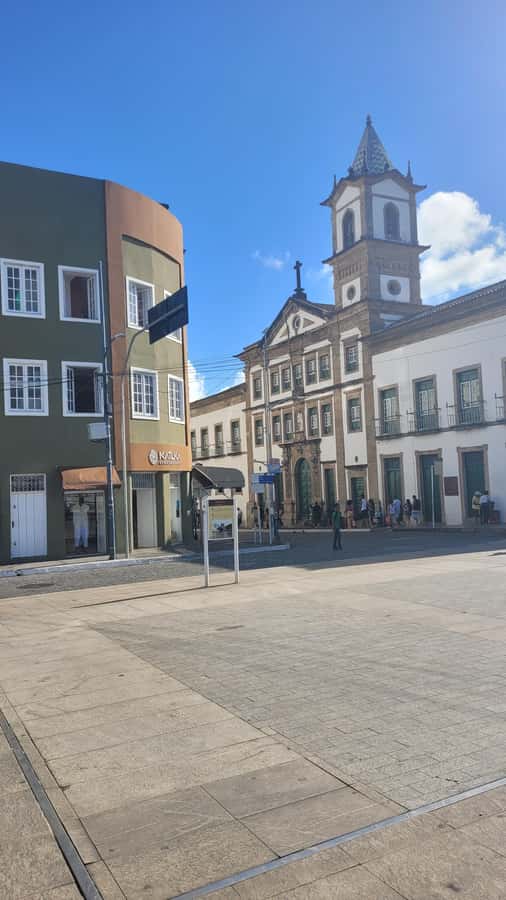
As you continue along Rua Chile, you pass Museu da Misericórdia. You are not here for an entrance or a long visit, but the stop gives context. It helps explain how religion, charity, and community networks shaped the historic center.
Then you move into Praça da Sé, a key cluster of monuments. This square is where the tone of the walk gets more pointed. It is one thing to admire old buildings, it is another to see how protest, faith, and resistance left physical marks on the city.
If you tend to rush through squares, slow down here. The guide’s explanations are what turn this stop from scenery into understanding.
Monument to the Fallen Cross, the First Bishop, and Zumbi dos Palmares
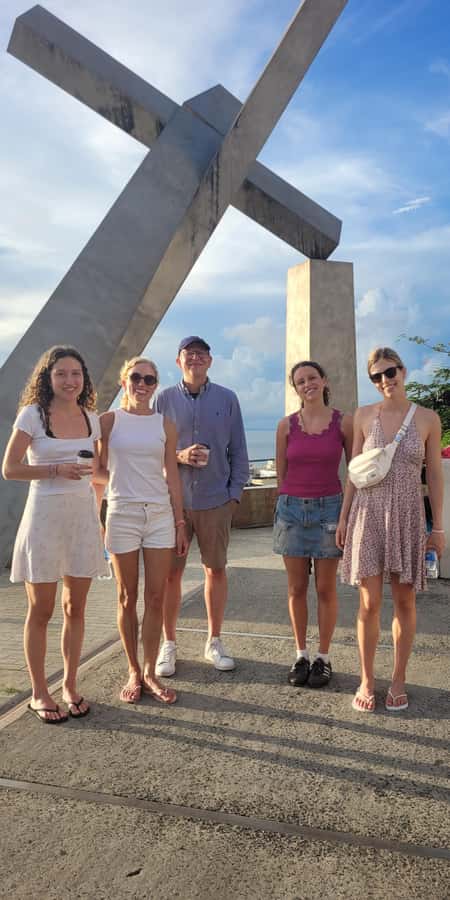
In Praça da Sé, you’ll see the Monument to the Fallen Cross, erected in protest of the demolition of Igreja da Sé. It is the kind of monument that rewards your attention. Instead of celebrating a victory, it records conflict and the loss of something that mattered to people.
At Praça da Sé, the tour includes two specific statue stops.
First, you’ll pause for the statue of the first Bishop of Brazil, and you’ll hear the tragic end behind it. Second, you’ll see the statue of Zumbi dos Palmares, the leader of resistance against slavery. These two stops work together. One anchors the story in church-era power and the cost of that world. The other centers Black resistance and the fight for freedom.
This is also where the tour can feel especially meaningful if you care about stories beyond the usual postcard route. It is not all about beauty, it is about memory.
Practical tip: keep water handy during the square portions. Standing and listening in heat can sneak up on you, especially if you’re walking earlier in full sun.
Largo Terreiro de Jesus and the First Faculty of Medicine in Brazil
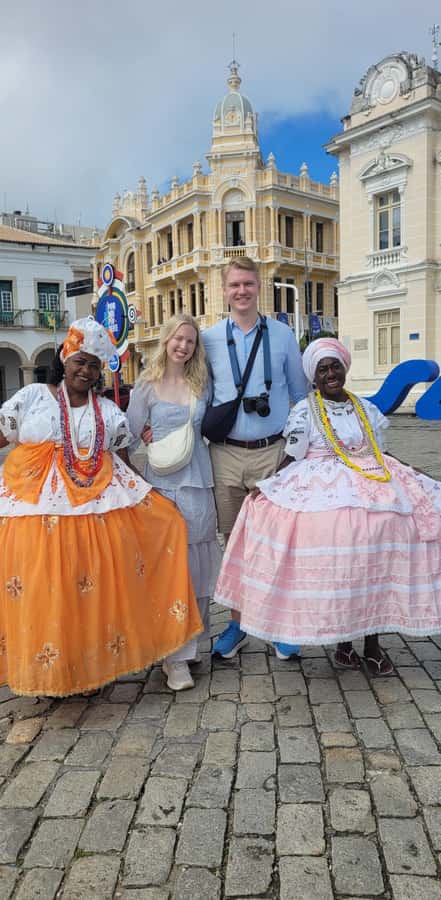
Leaving Praça da Sé, you head to Largo Terreiro de Jesus. This is a strong spiritual and historical node, and the tour highlights the first Faculty of Medicine in Brazil. That surprise is a big reason I think this tour is worth your time. You get a side of Salvador and Brazil’s development that most walking tours skip.
You’ll also notice a complex of churches in the square. Even if you do not go inside, the layout and concentration help you understand how religious life and education existed close by.
The way the guide connects these themes is key. You start thinking about Salvador as a living system, not a museum set. Medicine, faith, and the rhythms of neighborhood life all fit into the same historic landscape.
If you’re hoping to maximize photos, this is a good place for them, but keep one ear on the guide. The details he shares are often the difference between a nice picture and a memorable one.
Largo do Cruzeiro de São Francisco and Igreja de Ouro
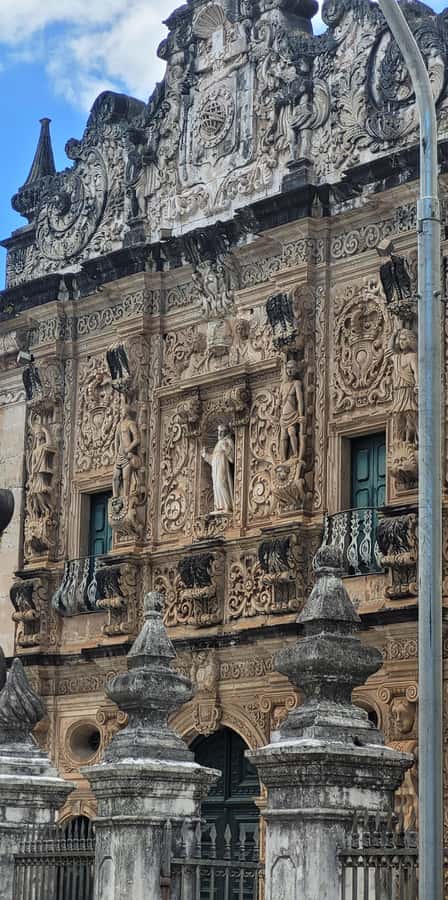
Next you move to Largo do Cruzeiro de São Francisco, where Igreja de Ouro is the standout. This stop is all about visual impact and symbolism. From the square, you get the sense of why the church is remembered, and the guide helps you place it in the broader pattern of historic Salvador.
One smart approach: look at the church, then look again after your guide’s explanation. Buildings can feel like decoration at first. After you hear what is behind the walls, you start seeing structure and meaning.
From here, the walk continues by passing by Olodum’s house. This gives you a modern link, a reminder that Pelourinho is not frozen in time. Culture and community continue, even as you’re walking through older layers.
Ladeira do Pelô, Michael Jackson, and the Church of Black People
The tour’s final stretch is Ladeira do Pelô, famous because Michael Jackson filmed the music video for They Don’t Care About Us here. That pop-culture detail is fun, but the guide’s job is to connect it to the street itself and the people who live around it.
As you go, expect the slope. This is where comfortable shoes really matter. If you feel your pace slowing, that is okay, take a breath, and keep your footing.
Another meaningful stop comes with the church of black people, described as the brotherhood of black men in Brazil. This part of the tour adds a grounded layer to everything you saw earlier. It shifts the story from monuments alone to community identity and survival.
What You’re Paying For: Price and Value in 90 Minutes
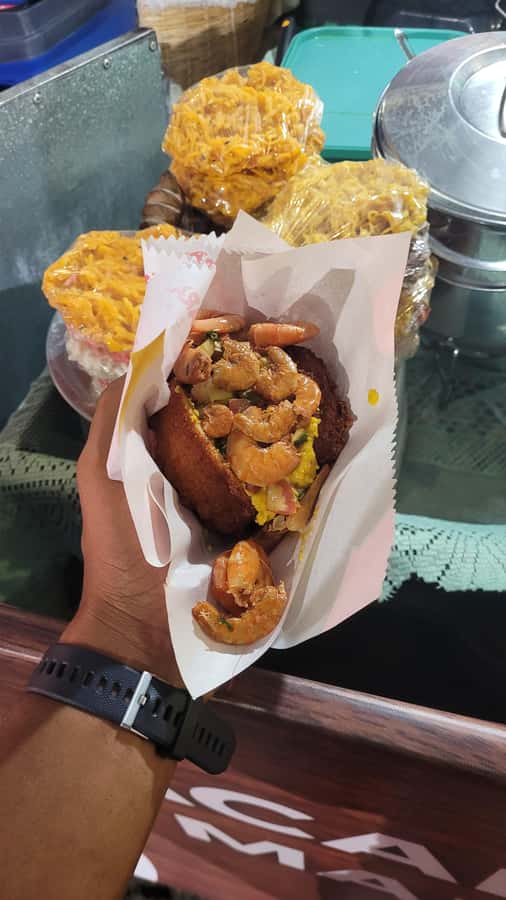
The price is $80 per person for a 90-minute guided walking tour. For many people, the value question is not the length, it is what you get in the time.
Here, you’re paying for:
- A guide who can explain why each landmark matters
- A dense route that hits multiple Salvador anchors without you needing to plan
- Small-group dynamics that keep the pace comfortable
- A mix of viewpoints, monuments, and cultural stops, not just churches
In the notes from past participants, one theme pops up again and again: Adriano keeps a strong balance between information and movement. People also highlight that he answers questions, stays inclusive, and gives practical recommendations for what to do next in Salvador. That last part is underrated value. A good introduction can save you hours later.
Is $80 always a bargain? If you are the type who wants to wander freely on your own, you may not need a guided format. But if you want the story behind Lacerda Elevator, Zumbi dos Palmares, and the first Faculty of Medicine, you will likely feel this is money well spent.
Who This Tour Suits Best (And Who Should Think Twice)
This tour fits best if you:
- Like walking, and you enjoy learning the why behind historic landmarks
- Want an early, structured orientation to Pelourinho
- Enjoy cultural context as much as photos
- Prefer a small group rather than a crowd
You may want to think twice if:
- You have mobility limitations or use a wheelchair, since the tour is not suitable for people with mobility impairments
- You are sensitive to heat or sun, because you will be outdoors for the full walk
- You dislike uneven streets, since the route includes older stone and steep sections like Ladeira do Pelô
If you fall into the walking-friendly category, this is the kind of tour that helps you understand Salvador fast. Then you can come back on your own to linger where you actually care.
Practical Tips for a Smoother Walk in Pelourinho
Here’s how to set yourself up for a better 90 minutes.
Wear comfortable shoes, period. The walk includes streets that are not flat. That means your ankles and calves will do more work than you expect if you are used to modern sidewalks.
Bring:
- A sun hat and sunscreen, because you will be exposed
- Water in a bottle, since staying hydrated is on you
- A camera for viewpoints, especially near Praça Castro Alves and the Pau da Bandeira street area
If you want better photos, pause in the viewpoint spots the guide points out, then move again. Trying to shoot while walking gets you bad images and slower pace.
Also, no smoking. Simple rule, but it matters in tight areas.
Should You Book This Salvador Walking Tour Through Pelourinho?
Yes, book it if you want a guided walk that actually explains the city. This tour is strongest when you care about connections: how Salvador’s historic institutions show up in buildings, statues, and streets, and how Black heritage is built into the landmarks, not added at the end.
Book it with confidence if you like:
- A small-group vibe
- A guide who keeps English clear and the pacing steady
- Stops that mix viewpoints, monuments, and cultural sites
Skip it or choose something else if you do not want to walk much, you have mobility limits, or you hate outdoor heat exposure. In that case, the route will feel like too much effort for too little flexibility.
If you are visiting Salvador and want a smart first taste of Pelourinho, this is a solid pick. You’ll finish with a stronger map in your head, better photos in your camera, and a lot more meaning behind what you see when you wander later.
FAQ
How long is the Salvador Walking Tour Through Pelourinho?
The tour lasts about 90 minutes.
Where is the meeting point?
You meet in Praça Castro Alves, and you will find the guide using a credential.
Is the tour offered in English?
Yes, the live tour guide speaks English.
What is the group size?
The group is small, limited to 7 participants.
What’s included in the price?
The price includes the walking tour and a guide.
Are entrance fees or food included?
No. Food and drinks are not included, and entrance fees to attractions are not included either.
Is the tour suitable for wheelchair users or people with mobility impairments?
No. It is not suitable for wheelchair users or people with mobility impairments.
What should I bring?
Bring comfortable walking shoes, a sun hat, sunscreen, a camera, and water.
More Tour Reviews in Salvador Brazil
Bahia, Past the Old Town
More Tour Reviews in Salvador Brazil
Latest from our Salvador Brazil notebook
- From Salvador: Quilombo Heritage Daytrip with Lunch★ 3.4 · 3 reviews
- From Salvador: Schooner Tour to Frades Island★ 3.9 · 3 reviews
- Salvador: Caipirinha Masterclass with Unlimited Drinks★ 4.2 · 4 reviews
- Salvador: Schooner Cruise with Pickup and Itaparica Stop★ 3.8 · 5 reviews
- BOXE CLASS – EX BAHIAN CHAMPION (SALVADOR-BA)★ 5.0 · 7 reviews
- Salvador by Night: Pelourinho & Old Town Tour★ 4.3 · 8 reviews
Salvador & Bahia Tours, compared.
 ★ 3.9Schooner Tour to Frades Islands and ItaparicaFrom $3998 reviews
 ★ 4.7Afro-Brazilian Roots Private City Tour in SalvadorFrom $15088 reviews
 ★ 5.0Trekking the valley of the pat 3 days/ GUIDE TUTY CHAPADA DIAMANTINAFrom $42178 reviews
 ★ 5.04 FASCINATING DAYS! Reservations from 2 people -Chapada Diamantina by ZenturFrom $32371 reviews
 ★ 5.0Private City Tour in Porto SeguroFrom $11870 reviews
 ★ 5.02 AMAZING DAYS! Booking from 2 people – Chapada Diamantina by ZenturFrom $13363 reviews
 ★ 4.8Salvador Historic Walking Tour – Pelourinho62 reviews
 ★ 4.5Salvador de Bahia African Culture Tour60 reviews
Browse the lists this tour appears in