
REVIEW · SALVADOR & BAHIA TOURS
Salvador, Bahia: A amazing Walking Tour!
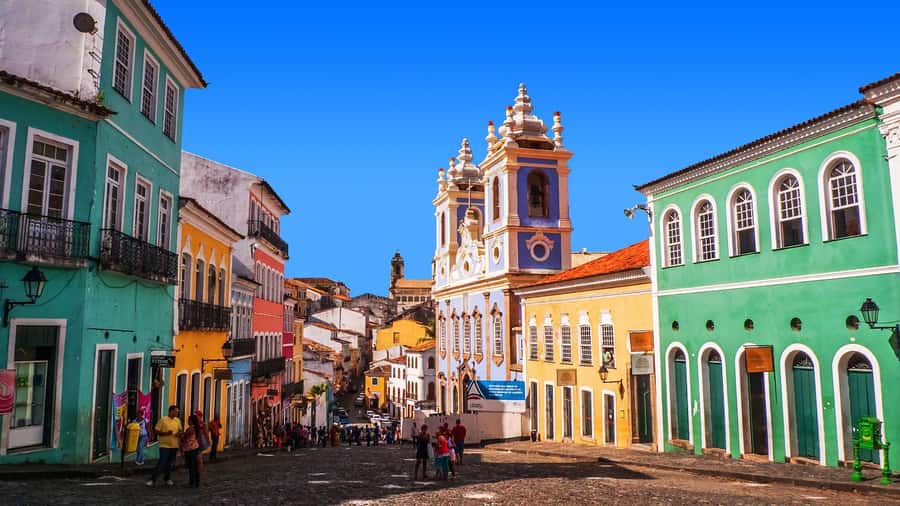
Salvador rewards slow, guided wandering. This private walking tour stitches together colonial streets, music in Pelourinho, and a real taste of Bahian culture, all at a comfortable 3 hour pace. I love the multilingual private guide approach and the way stops connect to stories, from Rua Chile and Rio Branco Palace to Olodum in Pelourinho. One thing to consider: it is not listed as suitable for motion sickness, and mobility notes are a bit mixed, so you should confirm details before you book.
What I like most is how much you cover without feeling rushed. You start with Elevador Lacerda, then move through key landmarks, ending back at the same point. You also get included tastings of local drinks, alcoholic and non-alcoholic, which helps you slow down and enjoy the neighborhood instead of just snapping photos.
If you’re the kind of traveler who wants context, not just names, this is a great fit. The guide I saw mentioned by name, Wanderley, is praised for speaking multiple languages and sharing strong Afro-Brazilian historical context. Another guide mentioned, Gustavo, gets strong marks for making the city feel alive with humor and practical recommendations.
In This Review
- Key points you’ll feel fast
- A 3-hour private walk through Salvador’s Historic Center
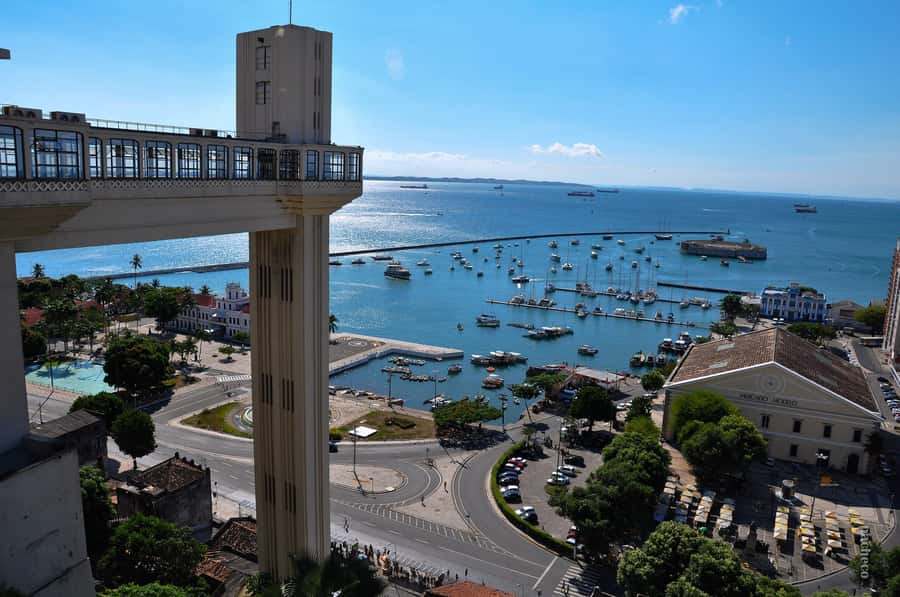
- Start at Elevador Lacerda, then learn why it matters
- Rua Chile and Rio Branco Palace, colonial Brazil in street form
- Catedral Basilica de Salvador, where architecture becomes a story
- O Cravinho and the drink tasting that slows you down
- Pelourinho, music culture, and names you’ll recognize
- Santo Antônio Alem do Carmo and the walk back to Lacerda
- Price and what you get for $141 per person
- Who should book this tour (and who might skip it)
- Should you book VivaBahiaTour’s Salvador Historic Center walk?
- FAQ
- How long is the Salvador walking tour?
- Is this tour private?
- Where does the tour start?
- What tickets are included?
- Are drink tastings included?
- Does the tour include entry to museums and cultural spaces?
- What languages are available for the guide?
- Is the tour wheelchair accessible?
- What should I bring?
- Is there free cancellation?
Key points you’ll feel fast
- Private, multilingual guide in Dutch, French, English, Portuguese, Spanish, German, Italian
- Tickets included for Elevador Lacerda and the Cathedral Basilica of Salvador
- Pelourinho plus music culture, with references to Olodum and well known artists tied to the neighborhood
- Included drink tasting of local drinks, alcoholic and non-alcoholic
- A tight 3 hour route, centered on walkable streets and major sights
- Small, guided pacing, including short walks between focused visits
Bahia beyond the Pelourinho
A 3-hour private walk through Salvador’s Historic Center
This tour is built for people who want the “why” behind the postcards. Instead of hopping randomly, you move step by step through the Historic Center, where colonial architecture and everyday Bahian culture sit close together. You get a private group setup, so the guide can adjust pacing and questions without the crowd pressure you see on big group tours.
At $141 per person for a 3 hour experience, the value is strongest if you care about guided context and included entrances. You are not just paying for someone to walk beside you. You’re paying for a guide who can connect places like Rua Chile, Rio Branco Palace, and the Cathedral Basilica to the way Salvador developed as Brazil’s colonial-era power center.
It’s also a good length. In a time window like this, you can get the highlights and still have energy left for dinner later in Pelourinho or around other Bahian neighborhoods.
Start at Elevador Lacerda, then learn why it matters
Most tours start at a landmark. This one starts at a working piece of the city. You begin at Elevador Lacerda, and the plan includes a guided portion followed by dedicated time for sightseeing of the elevator itself.
Why this stop is worth your attention: Elevador Lacerda is not just a photo spot. It functions as a connector between different levels of the city, which helps you understand how people move through Salvador’s terrain. When a guide points out what you’re seeing and why it was built, you stop thinking of it as a “ride” and start seeing it as a practical city tool with history behind it.
You’ll likely use this first segment to get your bearings. That matters because the rest of the tour is mostly walking through narrow streets and looking closely at buildings. If you’re wearing sunglasses and sunscreen, this is also a good moment to do it before the sun settles in.
Practical tip: wear comfortable shoes. The schedule includes short walks between visits, but you’ll still rack up real walking time over 3 hours.
Rua Chile and Rio Branco Palace, colonial Brazil in street form

After Elevador Lacerda, you continue with short walking and focused visits. One of the key storylines is Rua Chile, described as the first street in Brazil. The tour also includes passing by and learning about historic government buildings such as Rio Branco Palace.
What I love about this part is how it turns street names into real context. Rua Chile sounds like a label until someone connects it to early colonial planning and explains why that street became a reference point. Then Rio Branco Palace stops being a “pretty facade” and becomes part of the power story of the city’s colonial era.
This is also where a skilled multilingual guide helps you most. Even if you’re traveling in a language you’re comfortable with, it’s the local phrasing and background details that make the difference. In the guide feedback you provided, Wanderley is specifically praised for strong language skills and for telling Afro-Brazilian history in a way that lands.
A small consideration: this area is full of historic streets and buildings. If you prefer to spend most of your time inside museums or at ticketed sites, you might wish for more time at each stop. But for first-timers, this structure is efficient and keeps you moving.
Kept it on foot? So did these
- Salvador, Bahia: A amazing Walking Tour!
★ 5.0 · 14 reviews
Catedral Basilica de Salvador, where architecture becomes a story
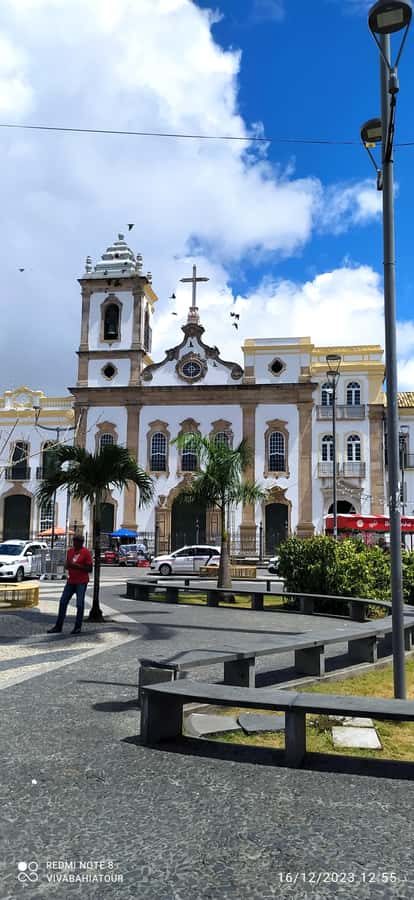
The tour includes a visit and guided time at the Cathedral Basilica of Salvador. You’ll have a dedicated 30 minutes with guidance here, so it’s not a quick photo stop where you barely catch your breath.
Why this stop works on a walking tour: cathedrals often explain a lot about a city’s cultural mix, civic importance, and artistic influences. When your guide gives you a roadmap for what to notice, the building stops being a generic landmark and becomes a place you can actually read.
This is also a smart midpoint. After you’ve walked through streets and public buildings, you shift into a space designed for reflection and community. You’ll likely find this break improves the rest of the tour, especially if it is warm out.
If you’re someone who likes details, this is where the guide’s focus matters most. The guide is expected to provide historic experiences and interpret what you’re seeing in a way that makes sense in everyday terms.
O Cravinho and the drink tasting that slows you down

Food and drink stops can feel like filler on tours. Here, the tasting is part of understanding local rhythm. You’ll visit O Cravinho, with time for spirits, and the tour includes tastings of local drinks, both alcoholic and non-alcoholic.
Even if you skip the alcoholic options, the included tasting is a win. It gives you a chance to interact with the local culture instead of only collecting sights. And because you have a guide, you’re not left guessing what is typical, what to taste first, or how the drink fits into the neighborhood.
What I’d suggest to you: treat this as a pause point. You can use it to ask quick questions about what you should do next after the tour, like where to eat or what nearby areas might match your interests.
One caution: the tour is not listed as suitable for people with motion sickness. If you know you’re sensitive, pay attention to how your body handles movement and any changes in terrain. Ask the operator for advice if you have specific concerns.
Pelourinho, music culture, and names you’ll recognize
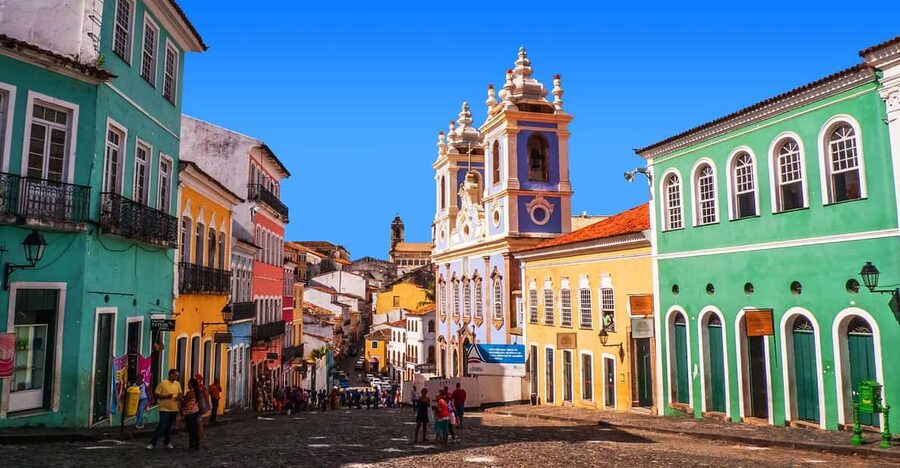
Pelourinho is the heartbeat of the tour. You’ll have a dedicated visit here with plenty of time, and the tour description connects the neighborhood to music culture and famous visitors.
What’s interesting is how the guide can connect the physical spaces to the sound. Pelourinho is known for music, and your tour weaves in references to Olodum, described as the biggest percussion group in the world, plus pop culture touchpoints like Michael Jackson and Paul Simon tied to the area. Even if you only recognize the names, it gives you a frame for what you’re seeing.
This is also a place where your guide’s storytelling style matters. Gustavo is one guide name you provided, and he’s praised for making Salvador feel alive through stories and the everyday rhythms of Brazilian society. That kind of approach works well in Pelourinho because the neighborhood is more than a set of buildings. It’s people, sound, movement, and community.
How to enjoy it: slow down during this segment. Yes, you’ll want pictures. But if you also listen, you’ll understand why the neighborhood has such a strong cultural reputation. If you’re with someone who loves music history, this is likely your favorite stop.
Drawback to keep in mind: Pelourinho can be busy in general. This tour is private and paced by a guide, which helps. Still, if you dislike crowds or loud streets, plan your mindset for an active environment.
Santo Antônio Alem do Carmo and the walk back to Lacerda
The final stretch takes you toward Santo Antônio Alem Do Carmo, with a walk and time before returning to the starting point at Elevador Lacerda. This ending matters because it ties the loop together, so you don’t feel like you’ve been dropped into the middle of nowhere.
Why I like this ending structure: it gives you a chance to reflect while you walk. Earlier you learned about colonial streets and key civic buildings. Here, you’re moving through neighborhood streets that feel more lived-in, and that shift helps the city click into place as a whole.
Also, having the return to Elevador Lacerda simplifies your next moves. You know where you’ll end up, which makes it easier to plan dinner, nightlife, or any follow-up exploring.
If you’re traveling with limited time, this looping route is a practical advantage. It’s a tight itinerary that still feels like a journey rather than a checklist.
Price and what you get for $141 per person
Let’s talk value in plain terms. At $141 per person for 3 hours, you’re paying for a private guide, included Elevador Lacerda tickets, included Cathedral Basilica tickets, plus local drink tastings (alcoholic and non-alcoholic). Those inclusions reduce the “surprise costs” part of planning.
Where the price does not cover everything: tickets to cultural spaces and museums are not included. That’s important if you want to go inside multiple museums or paid attractions during the tour. Since the walking experience is timed, you might see cultural spots from the outside or have limited time for ticketed venues that cost extra.
So the best way to judge whether it’s worth it for you is this:
- If you want guided storytelling and included entrances, you’ll likely feel like it’s money well spent.
- If you mainly want to hop from one museum to another, you may want a different format with more ticketed time.
For a first visit to Salvador, this balance is usually ideal. You get the key anchors, plus a taste of the local drinking culture, without turning the day into ticket math.
Who should book this tour (and who might skip it)
This tour is a strong match if you want a private walking experience, you like context from a multilingual guide, and you want major Salvador highlights in one session. It also suits couples and small groups who want flexibility and room to ask questions.
It might not be the best fit if:
- You have motion sickness concerns.
- You have mobility limitations, since the info includes notes saying it is wheelchair accessible, but it is also stated as not suitable for people with mobility impairments. Because of that mismatch, you should confirm details directly with the operator before you commit.
If you’re traveling with kids, older adults, or anyone with sensitivity to walking, the private setup can help, but the tour is still designed around walking and a real historic street environment.
Should you book VivaBahiaTour’s Salvador Historic Center walk?
I think you should book this tour if you’re aiming for the best first-day payoff: Elevador Lacerda, the Cathedral Basilica, Pelourinho, and the story threads that connect them. The included tickets and drink tasting make it feel complete, not half-built. And based on the guide names and feedback you shared, the strongest selling point is the guide talent, like Wanderley’s multilingual delivery and Gustavo’s ability to bring Salvador to life through humor and neighborhood context.
I’d only pause if you fall into the motion sickness or mobility concern categories. In those cases, it’s smart to ask the operator how the route works for your needs.
If you’re ready to see Salvador with guidance, this is a solid use of 3 hours.
FAQ
How long is the Salvador walking tour?
The tour lasts 3 hours.
Is this tour private?
Yes, it is a private group experience.
Where does the tour start?
The tour starts at Elevador Lacerda.
What tickets are included?
Tickets to Elevador Lacerda are included, and tickets to the Cathedral Basilica of Salvador are included.
Are drink tastings included?
Yes. The tour includes a tasting of local drinks, with alcoholic and non-alcoholic options.
Does the tour include entry to museums and cultural spaces?
Tickets to cultural spaces and museums are not included.
What languages are available for the guide?
The live guide is available in Dutch, French, English, Portuguese, Spanish, German, and Italian.
Is the tour wheelchair accessible?
The included details list it as wheelchair accessible, but it also notes it is not suitable for people with mobility impairments. You should confirm before booking.
What should I bring?
Bring sunglasses, a sun hat, and sunscreen.
Is there free cancellation?
Yes, you can cancel up to 24 hours in advance for a full refund.
More Tour Reviews in Salvador Brazil
Bahia, Past the Old Town
More Tour Reviews in Salvador Brazil
Latest from our Salvador Brazil notebook
- From Salvador: Quilombo Heritage Daytrip with Lunch★ 3.4 · 3 reviews
- From Salvador: Schooner Tour to Frades Island★ 3.9 · 3 reviews
- Salvador: Caipirinha Masterclass with Unlimited Drinks★ 4.2 · 4 reviews
- Salvador: Schooner Cruise with Pickup and Itaparica Stop★ 3.8 · 5 reviews
- BOXE CLASS – EX BAHIAN CHAMPION (SALVADOR-BA)★ 5.0 · 7 reviews
- Salvador by Night: Pelourinho & Old Town Tour★ 4.3 · 8 reviews
Salvador & Bahia Tours, compared.
 ★ 3.9Schooner Tour to Frades Islands and ItaparicaFrom $3998 reviews
 ★ 4.7Afro-Brazilian Roots Private City Tour in SalvadorFrom $15088 reviews
 ★ 5.0Trekking the valley of the pat 3 days/ GUIDE TUTY CHAPADA DIAMANTINAFrom $42178 reviews
 ★ 5.04 FASCINATING DAYS! Reservations from 2 people -Chapada Diamantina by ZenturFrom $32371 reviews
 ★ 5.0Private City Tour in Porto SeguroFrom $11870 reviews
 ★ 5.02 AMAZING DAYS! Booking from 2 people – Chapada Diamantina by ZenturFrom $13363 reviews
 ★ 4.8Salvador Historic Walking Tour – Pelourinho62 reviews
 ★ 4.5Salvador de Bahia African Culture Tour60 reviews
Browse the lists this tour appears in