
REVIEW · SALVADOR & BAHIA TOURS
Salvador: 4-Hour Candomblé Mysteries Tour
Faith meets street life in Salvador. This 4-hour tour uses Afro-Brazilian Museum artifacts to explain slavery and cultural survival, then brings you to a Candomblé terreiro tied to the ewe-fon tradition, with time for photos at key spots like Dique do Tororó and Pelourinho. The main heads-up: the dress code for worship and some museums is strict, and the sacred oracle consultation is optional and may add cost.
I like the intimacy here, maximum 6 people, which makes it easier to ask real questions instead of shouting over a busload. The guides bring strong personal context too, and names like Monia, Fernando, Nilson, and Maria Nunes come up in the guide chatter for clear, friendly storytelling and solid explanations.
One more practical note for your planning: food and drinks are not included, so if you’re doing this at a time when you’d normally eat, you’ll want to handle that before or after the tour.
In This Review
- Key things you’ll notice right away
- Why this 4-hour Candomblé mysteries route feels different from a quick sightseeing run
- Afro-Brazilian Museum: the starting point that makes the rest click
- Pierre Verger Gallery: photographs and records that turn mystery into evidence
- The maroon community stop: where faith found room to survive
- Dique do Tororó and the photo-stop strategy that actually helps
- Visiting a Candomblé terreiro: dress code, respect, and optional sacred oracle
- Slum origins, street walking, and the skill of connecting history to daily life
- Pelourinho: matching spiritual context with Salvador’s wider story
- Price and logistics: what you’re paying for, and what to watch
- Who this tour suits best, and who might prefer a different day plan
- Guide quality and language options that make the day easier
- Practical tips so the day runs smoothly
- Should you book this Salvador tour?
- FAQ
- How long is the Salvador Candomblé Mysteries Tour?
- What’s the group size for this experience?
- Where does pickup happen?
- What language options do guides offer?
- Is food included?
- What’s the dress code for this tour?
- Is the sacred oracle consultation included?
- What does the tour price include?
Key things you’ll notice right away
- Small group, maximum 6 people so you get more time per stop
- Afro-Brazilian Museum plus Pierre Verger Gallery focused on enslaved Africans and transatlantic history
- Maroon community visit that ties African gods to survival in Brazil
- Candomblé terreiro session linked to ewe-fon and daomeniana origin, with an optional sacred oracle
- Photo stops at major landmarks including Dique do Tororó and Pelourinho
- Respectful dress code for worship (no shorts, no sleeveless tops, shoulders and knees covered)
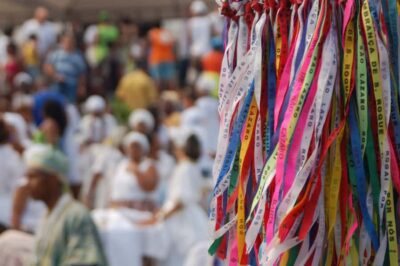
Bahia beyond the Pelourinho
Why this 4-hour Candomblé mysteries route feels different from a quick sightseeing run
Salvador is often described through big themes, and this tour gives you the practical version. You’re not just checking boxes. You’re building a story that connects African heritage, slavery, and religion to the way the city developed over time.
I especially like that the tour keeps moving, but not randomly. You get museum context first, then you see places tied to maroon communities, then you visit a Candomblé terreiro. The order matters because it helps you understand what you’re looking at, not just where to stand for a photo.
You should also know the vibe is intimate, not performative. With a private group capped at 6, the guide can slow down when you have questions. That’s a big deal when the topic is faith and sacred practice.
Afro-Brazilian Museum: the starting point that makes the rest click
The tour begins at the Afro-Brazilian Museum, and it’s a smart move. Before you step into sacred spaces, you get the “why” behind the city’s identity. Salvador is described as having the largest Black population outside Africa, and the tour treats that as more than a label. It frames Salvador as the Black Rome, tied to enduring African-Amerindian religiosity.
Inside the museum, you’ll see how enslaved Africans arrived through the transatlantic trade and how identities shifted over time. The artifacts in the collection come from different regions of the African continent. That detail is important because it pushes you away from a one-size-fits-all idea of African culture. You start noticing variety in intellectual and artistic expression, and you also start seeing how religious life traveled, changed, and survived.
For me, this is the best “value per minute” part of the tour. You pay for 4 hours total, but the museum stop makes the remaining stops feel less like isolated scenes and more like a connected path.
Pierre Verger Gallery: photographs and records that turn mystery into evidence
Right after the broader museum context, you visit the Pierre Verger Gallery. Verger was a French anthropologist who developed literary and photographic records of slavery and related history. On this tour, the gallery isn’t presented as art for art’s sake. It’s used as documentation, including audio-visual material that supports the story you’re hearing.
This matters because the tour is aiming to correct misconceptions that have traveled for centuries about African-origin religions. When you see that history documented, it’s easier to understand why Candomblé and related traditions have deep roots in Brazil, not just vague “mystery” vibes.
If you like travel that’s respectful but evidence-based, you’ll probably appreciate this stop. It gives the tour some grounding before you move into sacred spaces where you’ll be asked to behave appropriately and dress properly.
- Salvador: Praia Do Forte and Guarajuba Beach Day Trip
★ 4.1 · 56 reviews - Salvador: Cultural Treasure – Samba de Roda.
★ 4.9 · 51 reviews - Salvador: Walking Tour Through Pelourinho
★ 5.0 · 49 reviews - Salvador: Capoeira Class at Mestre Bimba’s 1st Ever School.
★ 4.9 · 34 reviews - Salvador: 4-Hour Candomblé Mysteries Tour
★ 4.3 · 34 reviews
The maroon community stop: where faith found room to survive
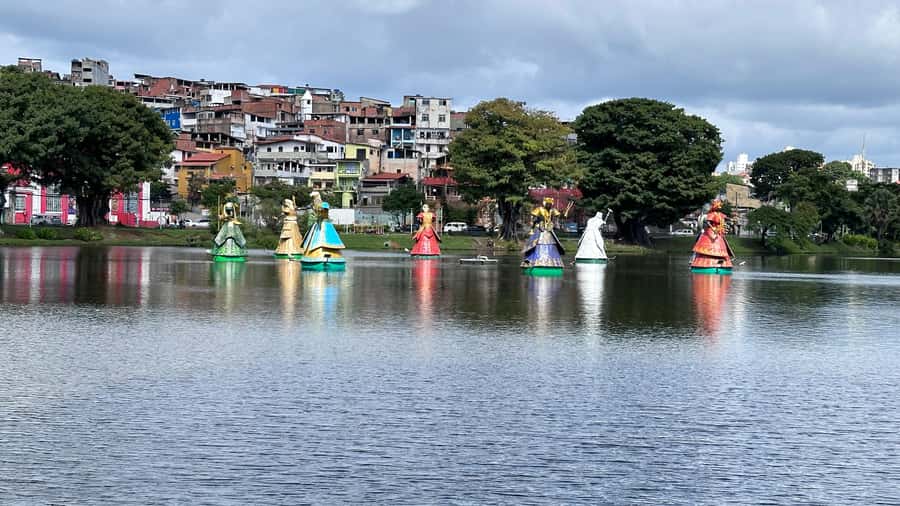
One of the most compelling parts of the route is the visit to a maroon community. The tour explains these communities as havens for Black people and their African gods during both colonial and post-abolition periods in Brazil. That turns the idea of “mysteries” into something concrete.
You also get the sense that the city wasn’t only shaped by famous institutions. It was shaped by people who built refuge and kept traditions alive. That’s the practical side of the tour’s big theme. It’s about cultural continuity under pressure.
This is also where you get the kind of local guidance that doesn’t feel like generic commentary. As you walk through streets connected to the story, your guide comes from the community and is initiated in these traditions. That kind of lived connection changes the tone. Explanations feel less like history class and more like someone helping you understand what you’re seeing.
Dique do Tororó and the photo-stop strategy that actually helps
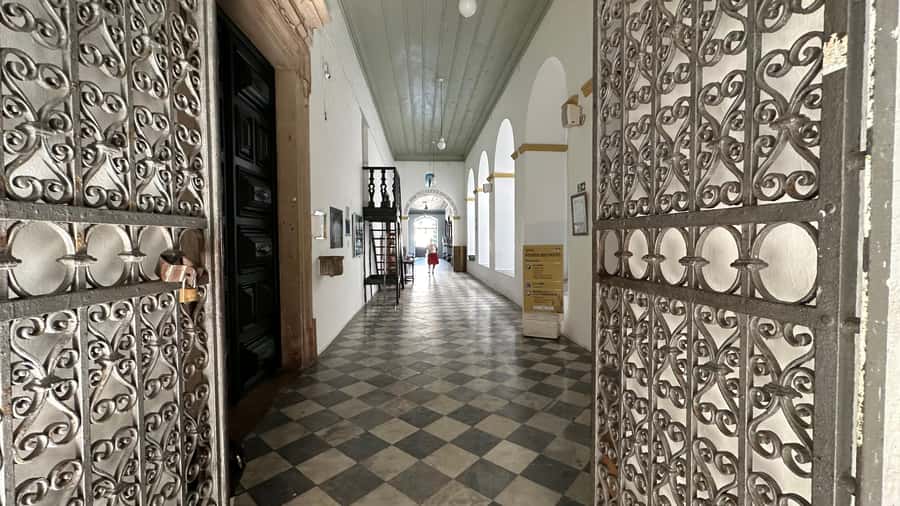
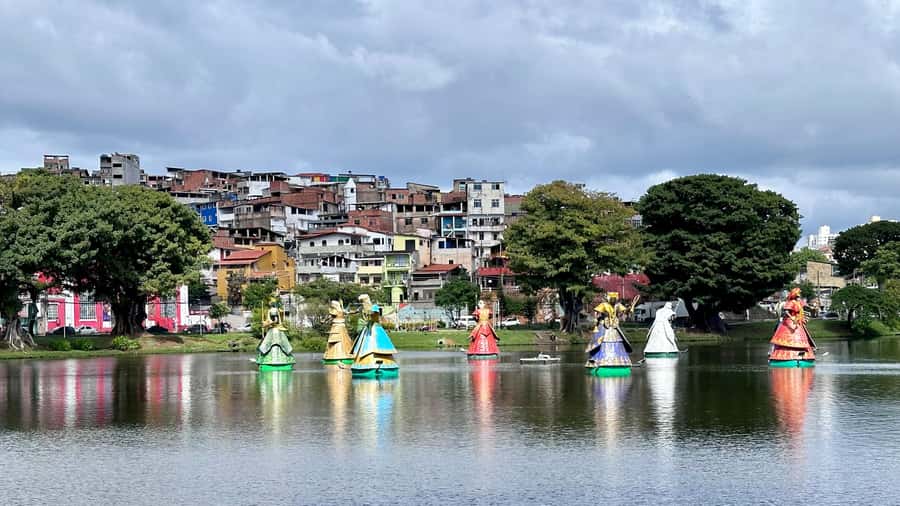
The tour includes a stop at Dique do Tororó, with time built in for photos and a short guided segment. Even if you only have a few minutes at a viewpoint, this tour doesn’t rush you through it blindly. The breaks are part of the design, not an accident.
You’ll see another round of photo time and guided time at a few additional points along the way, which gives you flexibility to capture the visuals without losing the thread of the story.
A practical tip: plan to keep your phone or camera strap secure. You’re walking through real neighborhoods, not a theme park. If you want the best shots, bring the mindset of a documentary, not a selfie sprint.
Visiting a Candomblé terreiro: dress code, respect, and optional sacred oracle
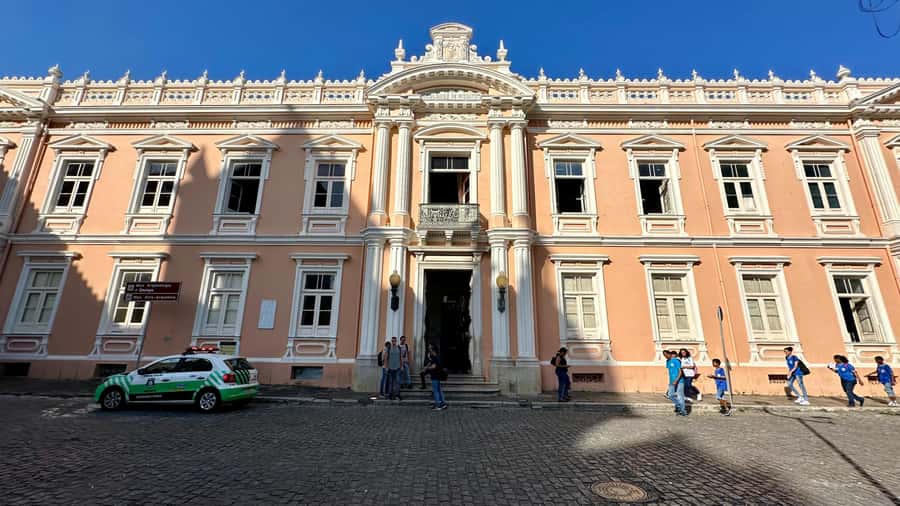
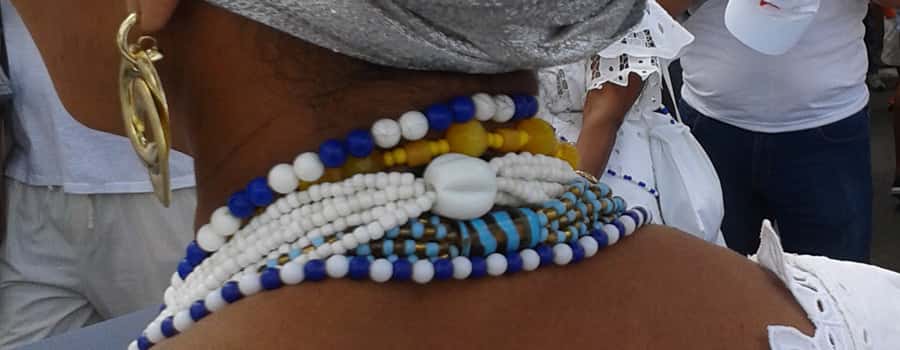
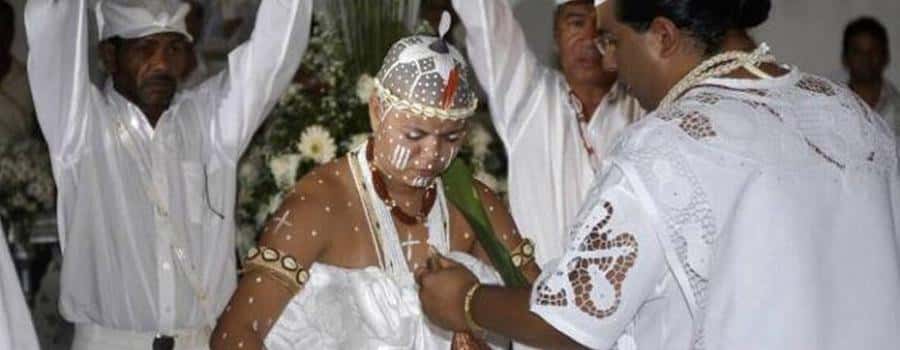
The heart of the experience is the terreiro visit. You’ll meet a Candomblé terreiro connected to the ewe-fon nation of daomeniana origin. This part is treated with care, not spectacle.
Because this is a religious space, you need to follow the dress code. No shorts or sleeveless tops. Knees and shoulders must be covered for both men and women. If you don’t meet the requirement, you risk being refused entry. I’d rather you plan your outfit in advance than do last-minute clothing swaps in a hot city.
Inside the terreiro, the guide provides context as you move through the area. The tour also offers an optional sacred oracle consultation. It’s not required, and it comes with an extra cost. If that’s something you’re genuinely curious about, ask your guide how it works before you commit. If you’re uncomfortable with added pressure or extra fees, skip it and focus on the explanations and atmosphere.
Either way, the big lesson you take from this stop is that Candomblé here is presented as a living tradition shaped by history. It’s not framed as ancient cosplay. It’s framed as practice.
Slum origins, street walking, and the skill of connecting history to daily life
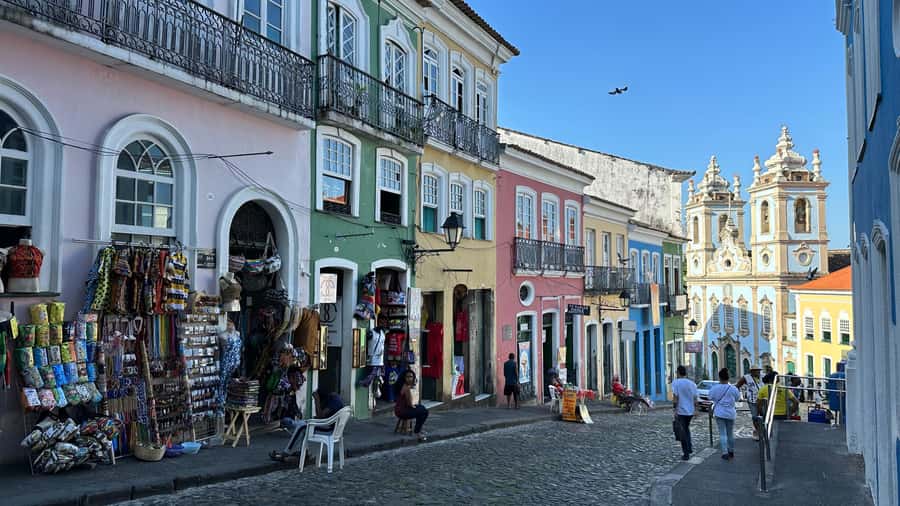
As you walk through streets connected to the maroon-community story, you’ll see how the city’s urban and cultural development connects to that past. The tour specifically describes slum areas that originated from maroon communities.
This is where having an initiated guide matters again. The route isn’t just a list of locations. The guide helps you interpret the changes in the neighborhood over time and why those historical processes still show up in the city today.
If you care about understanding cities beyond postcards, this portion will likely be one of your favorite. It’s also where your questions can turn into real conversations. With a small group, you can ask, for example, how religious practice survived, how it changed, and how community memory shows up in the urban layout.
Pelourinho: matching spiritual context with Salvador’s wider story
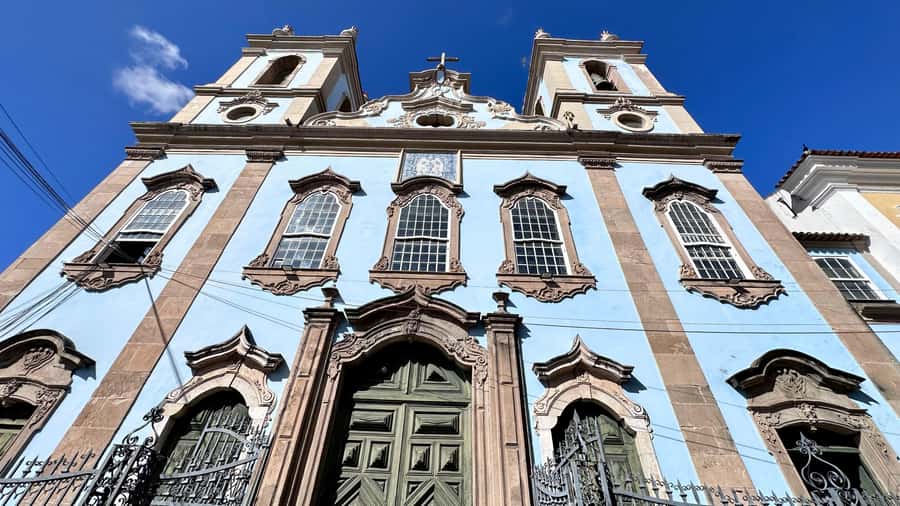
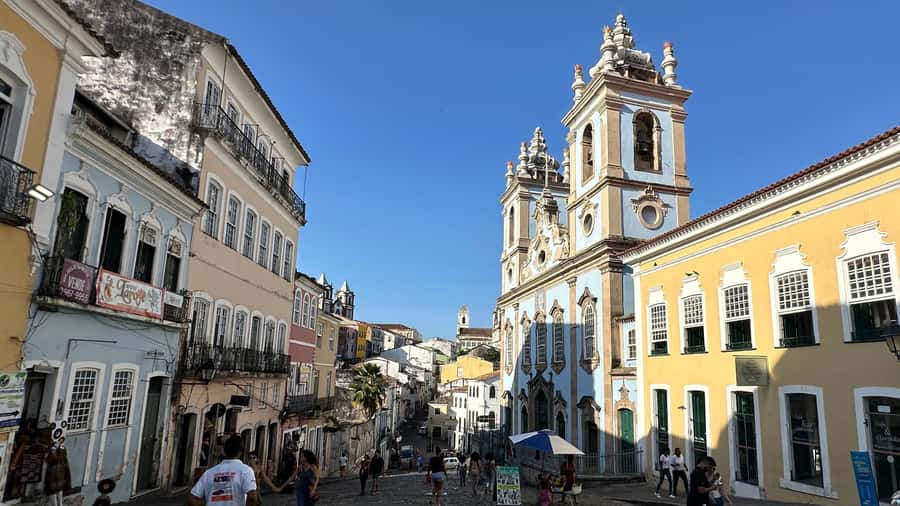
The tour includes Pelourinho for a photo stop plus a guided visit around 45 minutes. The time is long enough to not feel like you’re just driving past. You’ll have space to photograph and then absorb guided context.
I like that Pelourinho isn’t treated like an unrelated add-on. It fits the tour’s larger theme: Salvador as a place where history, identity, and religion overlap. After museums, documentation, and a terreiro visit, Pelourinho feels less like a separate stop and more like the city continuing the same story in street form.
If you tend to get overwhelmed by too many stops, this is one of the calmer segments because it’s structured, not rushed.
Price and logistics: what you’re paying for, and what to watch
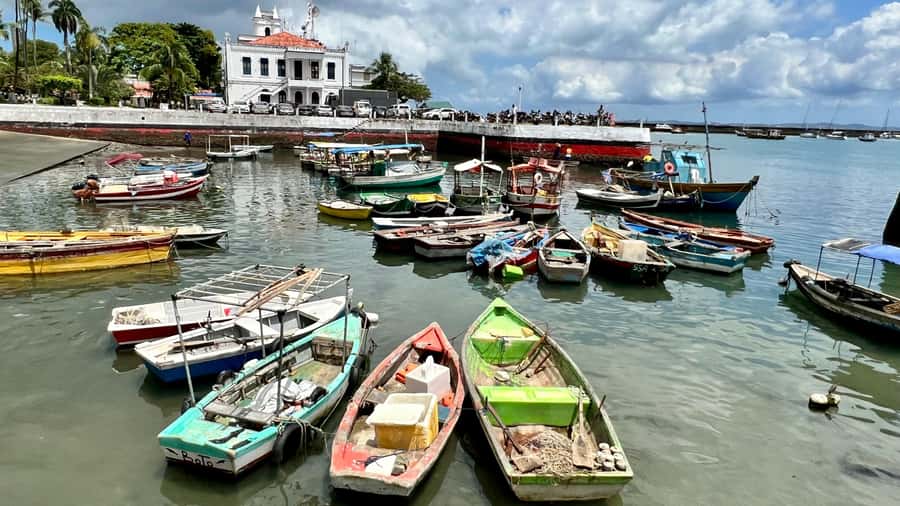
The price is $110 per person for a 4-hour tour, with a private group capped at 6. That’s not a budget price, but it’s not trying to be one either. You’re buying a lot of human time: hotel pickup and drop-off, air-conditioned vehicle transport, and entrance fees. You’re also buying guide time across multiple themed stops that each have specific relevance to the religion and history.
Still, you should plan for one practical wrinkle. Even though entrance fees are listed as included, there have been real-world cases where an extra amount was needed for entry at certain points, around 20 reais per person. I can’t guarantee every stop will be perfectly covered for every group, so I’d keep a little cash handy for small add-ons.
Food and drinks are not included, so factor that into your day. In a 4-hour window, skipping lunch might work, but only if you’re already timing your meals.
Finally, bring your patience for a strict dress code. This is the kind of rule that changes outcomes fast. If you show up wrong, the schedule won’t save you.
Who this tour suits best, and who might prefer a different day plan
This tour is a strong fit if you:
- want more than sightseeing, you want meaning
- prefer small groups, maximum 6, and time to ask questions
- are interested in African-origin religions in Brazil with respectful guidance
- enjoy photo breaks but also want them tied to context
It might be less ideal if you:
- hate dress rules, because shoulders and knees must be covered for worship sites and selected museums
- aren’t comfortable with optional extra costs, like the sacred oracle consultation
- need a food-inclusive tour, since food and drinks are not part of the package
If you’re traveling with mixed interests, this can still work because the museum and Pierre Verger Gallery add a history-and-documentation angle, not only religious experience.
Guide quality and language options that make the day easier
The tour offers live guiding in Spanish, English, French, Italian, and Portuguese. That’s helpful if you want accurate translation rather than hoping your memory catches the important parts.
I’d also pay attention to who’s leading your group. In the experiences shared by past participants, guides including Monia, Fernando, Nilson, and Maria Nunes are highlighted for clarity and for connecting the theme across stops. If you get one of these guides, you’ll likely feel like you’re seeing Salvador through a focused lens, not just hopping from one site to another.
Practical tips so the day runs smoothly
- Pack for the dress code: bring a shirt with sleeves and long pants or something that covers knees. Plan before you go, don’t gamble.
- Bring a small bit of cash: even though entrance fees are listed as included, there have been cases where a small extra payment applied, around 20 reais per person.
- Eat before or after: food and drinks are not included, so plan your meal timing.
- Charge your devices: you’ll have photo stops, including Dique do Tororó and Pelourinho.
- Bring questions: the small group setup is made for real curiosity, especially around religion and history.
Should you book this Salvador tour?
If your goal is to understand Salvador beyond the usual postcard route, I think this is a solid choice. The museum start at the Afro-Brazilian Museum and Pierre Verger Gallery gives you context you can carry into the terreiro and street walking. The private, small-group structure helps you feel respected and heard, and the guide background adds real depth.
I’d book it if you’re willing to follow the dress code and you’re comfortable with the optional sacred oracle add-on. If dress rules or extra fees stress you out, consider whether you’d prefer a more purely sightseeing-based half day.
FAQ
How long is the Salvador Candomblé Mysteries Tour?
The tour lasts 4 hours.
What’s the group size for this experience?
It’s a private group with a maximum of 6 people.
Where does pickup happen?
Pickup is included from your hotel lobby in Salvador City.
What language options do guides offer?
The live tour guide is available in Spanish, English, French, Italian, and Portuguese.
Is food included?
No, food and drinks are not included.
What’s the dress code for this tour?
A dress code is required for places of worship and selected museums. No shorts or sleeveless tops. Knees and shoulders must be covered for both men and women.
Is the sacred oracle consultation included?
The sacred oracle is optional and can have an extra cost.
What does the tour price include?
The tour includes entrance fees, hotel or port pickup and drop-off, and transport by air-conditioned vehicle.
More Tour Reviews in Salvador Brazil
Bahia, Past the Old Town
More Tour Reviews in Salvador Brazil
Latest from our Salvador Brazil notebook
- From Salvador: Quilombo Heritage Daytrip with Lunch★ 3.4 · 3 reviews
- From Salvador: Schooner Tour to Frades Island★ 3.9 · 3 reviews
- Salvador: Caipirinha Masterclass with Unlimited Drinks★ 4.2 · 4 reviews
- Salvador: Schooner Cruise with Pickup and Itaparica Stop★ 3.8 · 5 reviews
- BOXE CLASS – EX BAHIAN CHAMPION (SALVADOR-BA)★ 5.0 · 7 reviews
- Salvador by Night: Pelourinho & Old Town Tour★ 4.3 · 8 reviews
Salvador & Bahia Tours, compared.
 ★ 3.9Schooner Tour to Frades Islands and ItaparicaFrom $3998 reviews
 ★ 4.7Afro-Brazilian Roots Private City Tour in SalvadorFrom $15088 reviews
 ★ 5.0Trekking the valley of the pat 3 days/ GUIDE TUTY CHAPADA DIAMANTINAFrom $42178 reviews
 ★ 5.04 FASCINATING DAYS! Reservations from 2 people -Chapada Diamantina by ZenturFrom $32371 reviews
 ★ 5.0Private City Tour in Porto SeguroFrom $11870 reviews
 ★ 5.02 AMAZING DAYS! Booking from 2 people – Chapada Diamantina by ZenturFrom $13363 reviews
 ★ 4.8Salvador Historic Walking Tour – Pelourinho62 reviews
 ★ 4.5Salvador de Bahia African Culture Tour60 reviews
Browse the lists this tour appears in