
REVIEW · SAMBA & CARNIVAL NIGHTS
Salvador: Cultural Treasure – Samba de Roda.
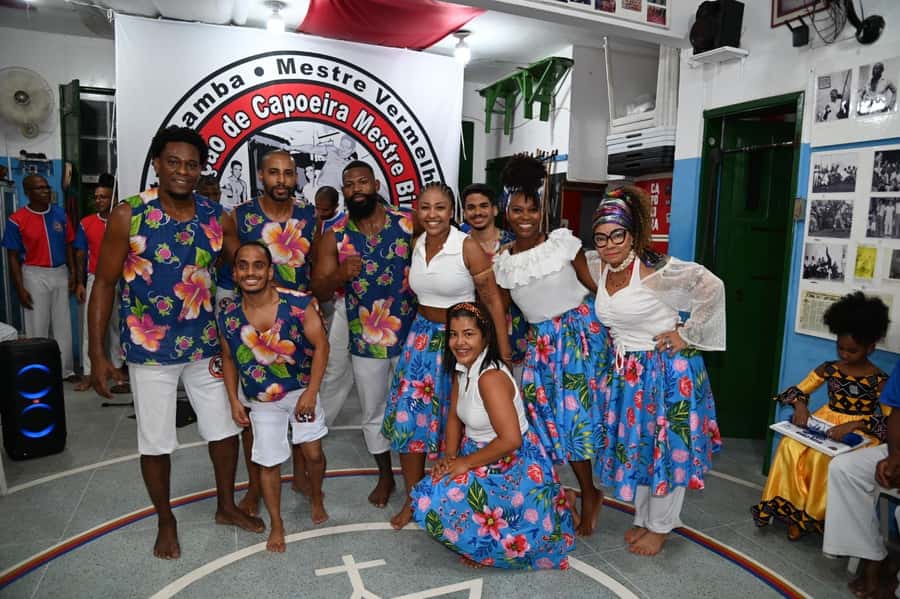
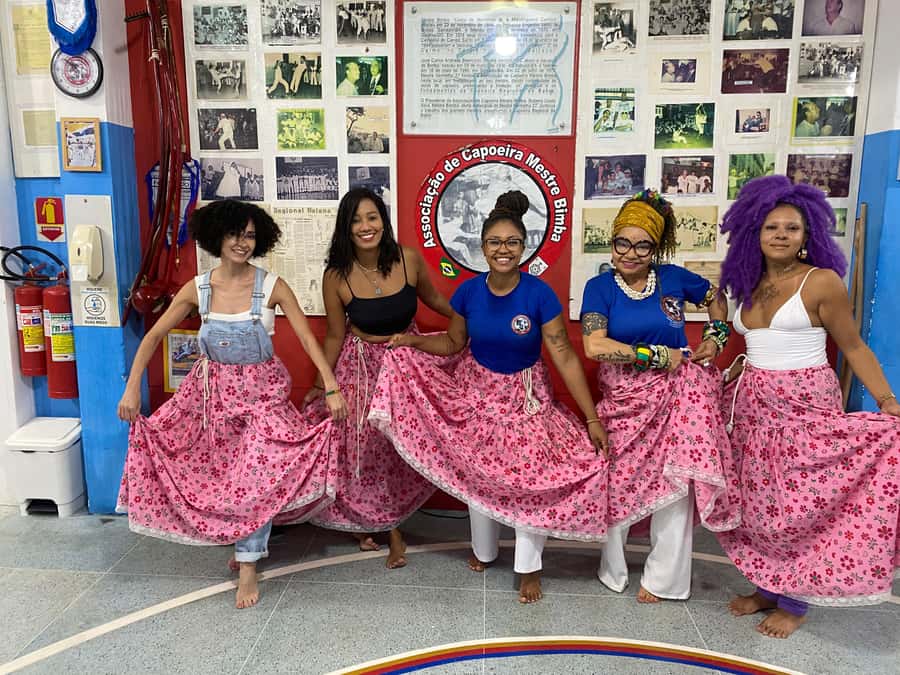
Samba de Roda teaches faster than you think. This 1-hour class in Salvador puts you inside Associação de Capoeira Mestre Bimba, with basic Samba steps and a fluent English-speaking instructor that makes the music and meaning click. I also like that the lesson connects the dance to Bahia history, including how Samba went from suspicion to UNESCO recognition. The only real catch is the time, it moves quickly, so if you want a long choreography workout, you may want to book more than one session.
You do not need talent or a partner. If you can follow rhythm and copy a few moves, you can keep up, and you will be guided in a way that respects the cultural weight of the venue. Plan to show up ready to participate respectfully, because this is not a generic dance studio stop.
To make your arrival easy, meet at Associação de Capoeira Mestre Bimba by Largo do Terreiro de Jesus, close to landmarks like Ó Paí Ó Restaurante and São Domingos Gusmão Church. There is no pickup, so you will want to build in a few minutes to find the entrance and settle before the hour starts.
In This Review
- Key highlights to know before you go
- Why Samba de Roda belongs on your Salvador list
- Associação de Capoeira Mestre Bimba: the setting that teaches
- Your 1-hour Samba lesson: steps, rhythm, and momentum
- The history story you will actually remember
- Samba and Capoeira: one cultural struggle, different forms
- Price and value in practical terms
- Meeting point and getting there without stress
- Who this Samba de Roda class fits best
- Should you book Samba de Roda at Mestre Bimba?
- FAQ
- Where is the meeting point?
- Is there pickup service?
- How long is the Samba de Roda class?
- What does the class include?
- Do I need dance experience?
- Do I need a partner?
- What languages are used during the class?
- How much does it cost?
- Is the experience respectful of the venue’s cultural significance?
- Can I cancel and get a refund?
- Is it possible to book now and pay later?
Key highlights to know before you go
- English-led instruction so you can focus on the steps, not translation
- Beginner-friendly Samba basics you can use immediately with the music
- Inside Mestre Bimba’s legacy at the first Capoeira School in Brazil (founded 1937)
- Samba history that explains the why, from Afro-Brazilian Bahia roots to UNESCO recognition
- Samba and Capoeira connections shown through the same cultural struggle and resilience
Nights that run long in Salvador Brazil
Why Samba de Roda belongs on your Salvador list
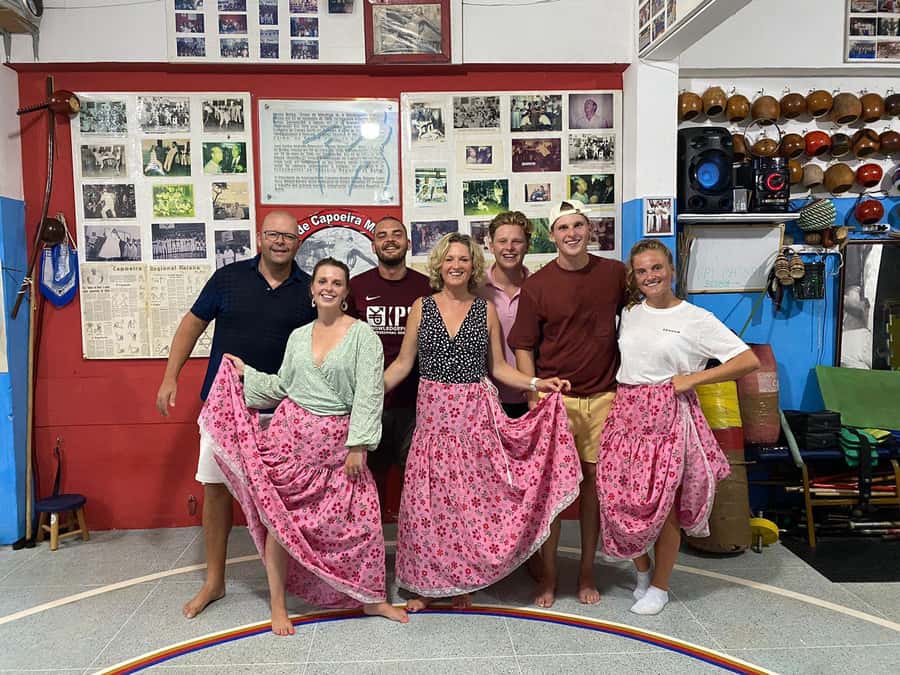
Samba de Roda is the kind of cultural activity that can feel bigger than it looks on paper. In one hour, you are not just copying footwork, you are learning how rhythm, community, and identity connect in Bahia. That matters in Salvador, where dance and music are not side quests, they are part of how people carry history.
What makes this experience particularly strong for visitors is the pairing of movement and context. You learn the basic steps while the instructor also explains what Samba meant for Afro-Brazilian communities in Bahia and why it faced pushback for so long. Then UNESCO recognition is part of the story, not tacked on at the end.
For me, the best part is how quickly the lesson helps you feel the music. You are guided through the rhythm so you stop thinking about counts and start listening for patterns. That is when Samba becomes fun, even if you are a first-timer.
Associação de Capoeira Mestre Bimba: the setting that teaches
This class takes place at Associação de Capoeira Mestre Bimba, founded by Mestre Bimba in 1937. That alone raises the stakes. It is not a random room where someone teaches a dance for tourists, it is tied to a real cultural institution that has been seen as a place of resistance and cultural preservation.
The venue also creates a useful kind of focus. Capoeira is a martial art, Samba is a music and dance form, but the historical through-line is the same. African cultural manifestations, including Capoeira and Candomblé, were treated with suspicion and criminalized. Samba was not exempt. Seeing this taught in a place connected to Mestre Bimba helps you understand why dance and rhythm carried survival energy, not just entertainment.
You should also respect the historical and cultural significance of the venue. That means arriving with the right attitude, following instructor guidance, and keeping behavior mindful. If you treat it like a photo stop only, you will miss the point.
Your 1-hour Samba lesson: steps, rhythm, and momentum
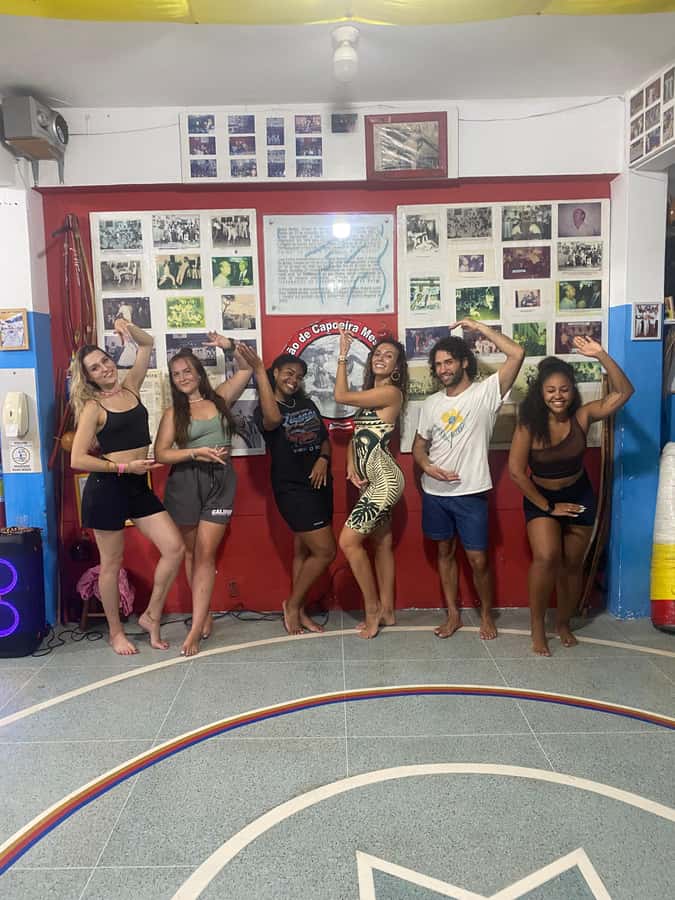
The class is designed for beginners. No dance experience is necessary, and you do not need a partner to participate. That is big, because it removes two common barriers that keep people from trying cultural dance classes.
During your hour, you learn basic Samba steps and movement patterns. The instructor also works with the music, so the rhythm drives what you do. Instead of learning moves in isolation, you will practice them while you can feel the beat under your feet. That is why people walk out smiling and sweating, even after only a short session.
The teaching style is also practical. Several participants mention instructors such as Yasmin, praised for being patient and encouraging, and for making the steps easy enough to start from scratch. If you are shy about dancing, look for that steady coaching tone, it helps you feel safe to try.
One consideration: because the duration is only 1 hour, you will not finish with an advanced Samba routine. You will finish with the essentials, enough to enjoy the music and join in when Samba shows up later in Salvador. If you want to perform in a competition, you will need more than one class, but if your goal is confidence and cultural connection, this format fits well.
Bahia beyond the Pelourinho
- From Salvador: Schooner Tour to Frades Islands and Itaparica
★ 3.9 · 98 reviews - Afro-Brazilian Roots Private City Tour in Salvador
★ 4.7 · 88 reviews - Salvador Historic Walking Tour – Pelourinho
★ 4.8 · 62 reviews - Salvador de Bahia African Culture Tour
★ 4.5 · 60 reviews - Salvador: Praia Do Forte and Guarajuba Beach Day Trip
★ 4.1 · 56 reviews
The history story you will actually remember
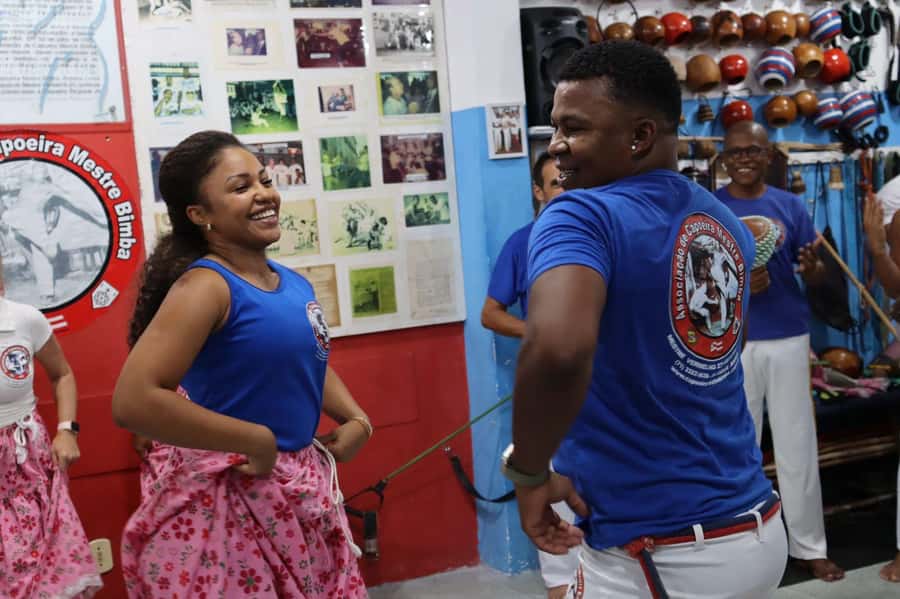
Samba has a clear origin story. It developed in the Afro-Brazilian communities of Bahia in the late 19th century. Over time, it shifted from persecuted culture to a national symbol. The key detail is that this transformation was not gentle, it was a long arc shaped by repression and resistance.
In the class, you get the history in a way that ties directly to the dance. The instructor explains that African cultural expressions like Capoeira and Candomblé faced suspicion and criminalization, and Samba faced similar pressure. That context matters because it changes how you interpret what you are doing with your body. Those steps are not just aesthetic, they carry cultural meaning.
You also learn that Samba is now recognized by UNESCO as an Intangible Cultural Heritage of Humanity. That line in the story gives visitors a helpful anchor. It tells you that what you are experiencing is not a local curiosity, it is globally recognized cultural heritage.
This is why I like including the history portion with the movement portion. You walk away understanding why people keep teaching Samba, why the community values it, and why the rhythm has weight in Salvador.
Samba and Capoeira: one cultural struggle, different forms
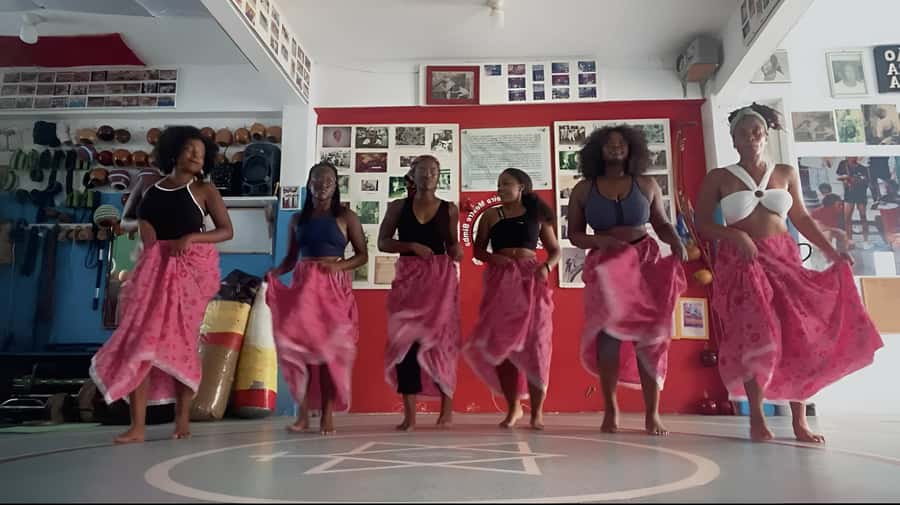
The class sits in a fascinating crossroad. Samba is the dance and music genre you learn, but the venue is Capoeira Regional territory through Mestre Bimba’s legacy.
Capoeira and Samba are different activities, but they share context in this place. Both were connected to African cultural manifestations in Bahia, and both faced suspicion and criminalization. That is why this experience feels more grounded than a typical dance demo.
If you like seeing how culture evolves, you will probably enjoy this connection. You get a quick lesson on the relationship between different expressions of Afro-Brazilian identity and how they survived under pressure.
It is also why the location feels so meaningful. You are learning Samba in the first Capoeira School in Brazil, founded in 1937. When a venue like this teaches you something, you start to see how arts education becomes a cultural survival tool, not just a hobby.
Price and value in practical terms
The price is $43 per person for a 1-hour experience. On the surface, that might sound like a “one-time class” cost. But the value comes from the combination of things you get in that hour.
You are paying for:
- A Samba dance lesson with hands-on coaching
- An English-speaking instructor who explains culture, music, and history clearly
- Access to the first Capoeira School in Brazil, founded by Mestre Bimba
- Cultural and historical insights tied directly to what you practice
For visitors who want culture without a long time commitment, this is a decent deal. You get education and movement together, and you do not need prior experience or a partner to benefit.
If you are the type of traveler who prefers shorter, high-impact activities, you will likely feel good about this price. If you are hoping for a long multi-hour deep training session, you may find the hour tight. Still, you would have to book additional experiences to get that kind of length.
Meeting point and getting there without stress
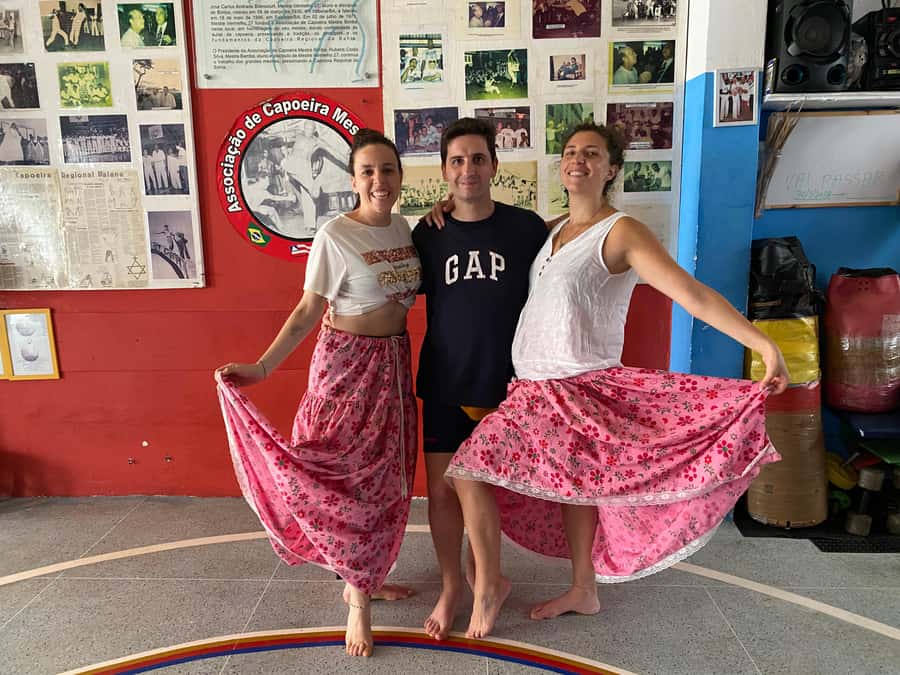
Meet at Associação de Capoeira Mestre Bimba. There is no pickup, so you will want to arrive on your own.
Good nearby landmarks include Ó Paí Ó Restaurante and São Domingos Gusmão Church in Largo do Terreiro de Jesus. If you are using maps, zoom in until you can see the street-level area, then compare what you see to those landmarks.
Also, factor in a few extra minutes. Not because it is complicated, but because when you arrive calm, you learn better. Being rushed can make a rhythm-based class feel harder than it should.
Who this Samba de Roda class fits best
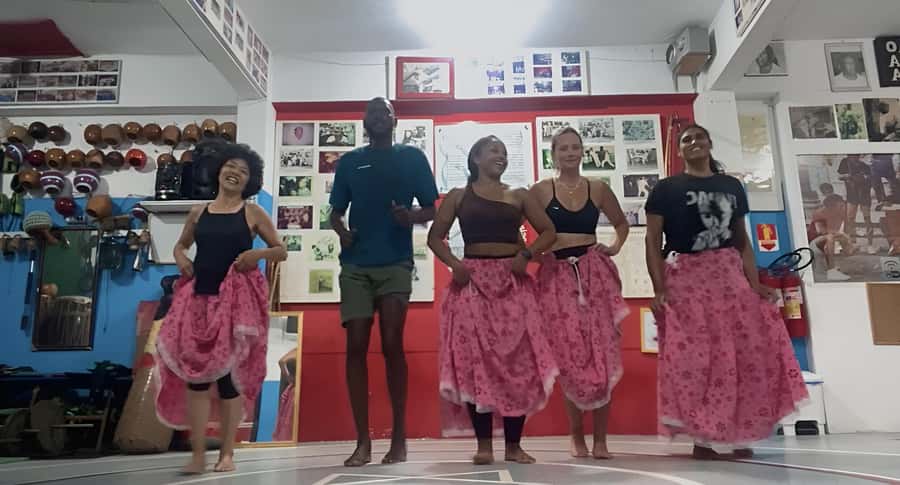
This class is a strong match if you:
- Want beginner-friendly dance instruction in Salvador
- Prefer English explanations so you understand what you are doing
- Like cultural context, especially Afro-Brazilian history in Bahia
- Want a short activity that still feels meaningful
It also works well for couples and solo travelers. No partner is required, so nobody has to coordinate a dance partner ahead of time.
If you are traveling with a teenager, it can be a good fit too. Some participants have noted their kids enjoyed the class, and the teaching style can handle beginners without making it feel awkward.
Should you book Samba de Roda at Mestre Bimba?
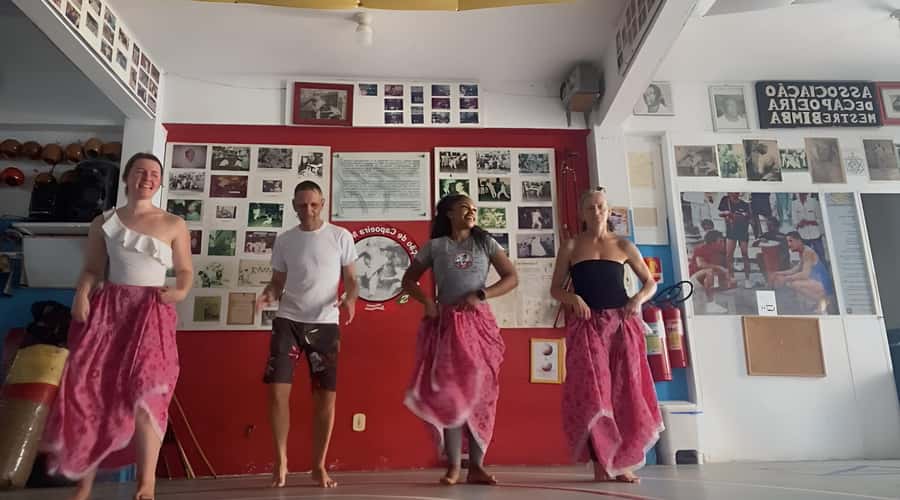
Yes, if you want a fast, friendly way into Salvador’s cultural world. Book it for the combination of beginner Samba basics, an instructor who explains the story in English, and the chance to learn inside Mestre Bimba’s historic Capoeira school.
I would particularly recommend it if you are unsure about dancing but you still want something authentic and hands-on. The one-hour format is tight, but it gives you enough movement to enjoy Samba right away, and enough context to make the music feel like more than a soundtrack.
If you are chasing a long training session or advanced choreography, you might need to add more classes. But for most travelers, this hits the sweet spot: fun first, meaning second, and a lesson you can carry with you long after the rhythm fades.
FAQ
Where is the meeting point?
The meeting point is at Associação de Capoeira Mestre Bimba. You can use nearby landmarks like Ó Paí Ó Restaurante or São Domingos Gusmão Church in Largo do Terreiro de Jesus.
Is there pickup service?
No. Pickup service is not offered.
How long is the Samba de Roda class?
The class lasts 1 hour.
What does the class include?
It includes a Samba dance lesson, an English-speaking instructor, access to the first Capoeira School in Brazil, and cultural and historical insights.
Do I need dance experience?
No dance experience is necessary.
Do I need a partner?
No partner is required.
What languages are used during the class?
The instructor speaks English and Portuguese.
How much does it cost?
The price is $43 per person.
Is the experience respectful of the venue’s cultural significance?
Yes. You are expected to respect the cultural and historical significance of the location.
Can I cancel and get a refund?
Yes. You can cancel up to 24 hours in advance for a full refund.
Is it possible to book now and pay later?
Yes. There is a reserve now & pay later option, so you can keep travel plans flexible.
Bahia, Past the Old Town
The Long Nights of Salvador Brazil
More Tour Reviews in Salvador Brazil
Latest from our Salvador Brazil notebook
- From Salvador: Quilombo Heritage Daytrip with Lunch★ 3.4 · 3 reviews
- From Salvador: Schooner Tour to Frades Island★ 3.9 · 3 reviews
- Salvador: Caipirinha Masterclass with Unlimited Drinks★ 4.2 · 4 reviews
- Salvador: Schooner Cruise with Pickup and Itaparica Stop★ 3.8 · 5 reviews
- BOXE CLASS – EX BAHIAN CHAMPION (SALVADOR-BA)★ 5.0 · 7 reviews
- Salvador by Night: Pelourinho & Old Town Tour★ 4.3 · 8 reviews
Samba & Carnival Nights, compared.
 ★ 4.9Beginner Samba Lesson in IpanemaFrom $251,071 reviews
 ★ 4.7Pub Crawl in Lapa with Cachaça Tasting and Live SambaFrom $33881 reviews
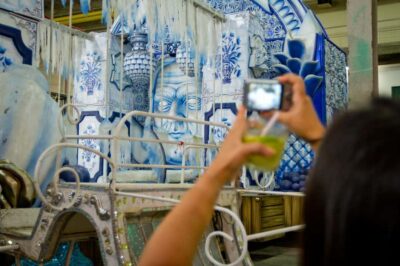 ★ 4.6Carnival Backstage Tour at Samba City with CocktailFrom $27520 reviews
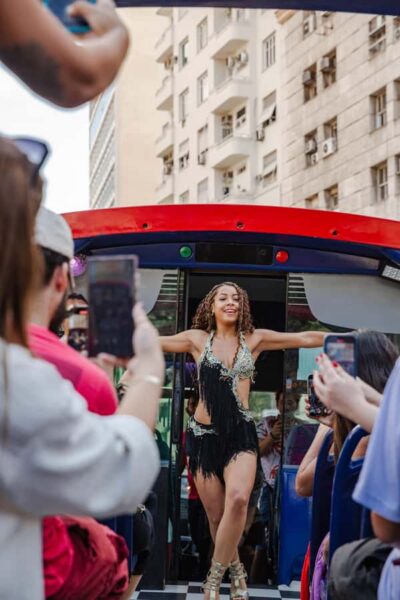 ★ 3.5Hop-ON Hop-OFF Sightseeing Bus in Rio de Janeiro – Rio Samba BusFrom $30457 reviews
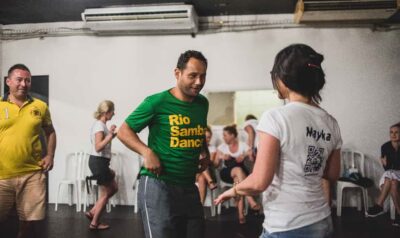 ★ 4.6Samba Class in CopacabanaFrom $25262 reviews
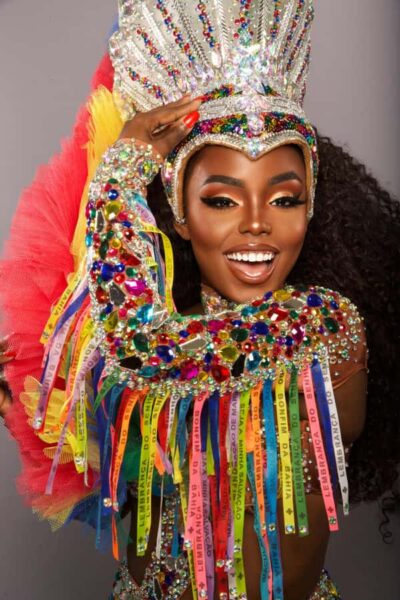 ★ 4.7Ginga Tropical Samba and Folklore Show TicketFrom $61231 reviews
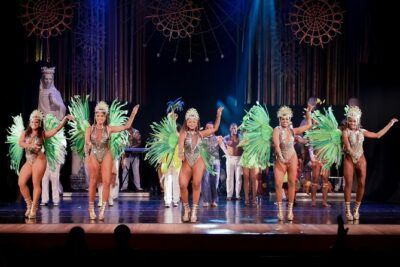 ★ 4.5Ginga Tropical – Brazilian Samba and Folklore ShowFrom $65216 reviews
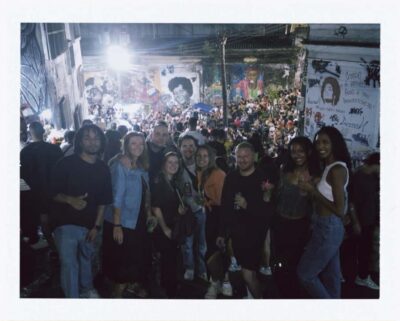 ★ 4.4Pedra do Sal: Live Samba Night with Local Guide & DrinkFrom $41183 reviews
Browse the lists this tour appears in