
REVIEW · SALVADOR & BAHIA TOURS
Salvador: 3-Hour Percussion Class
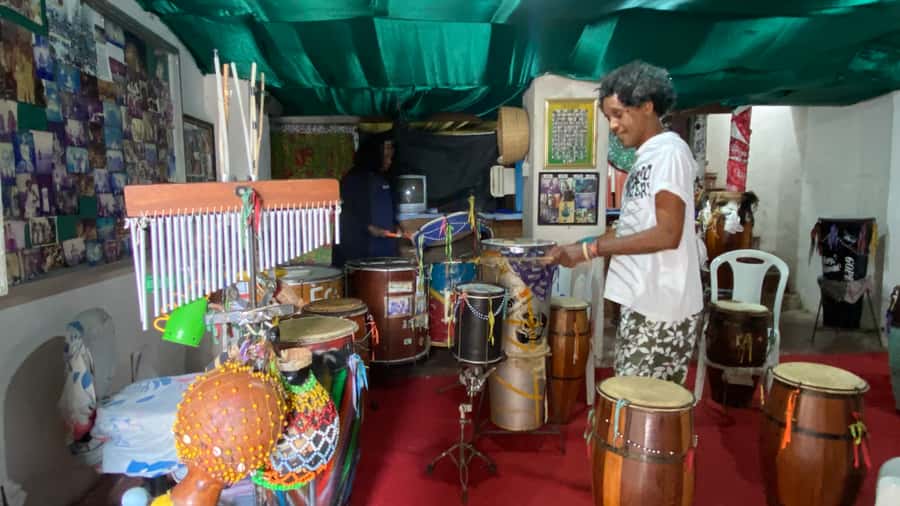
Percussion in Bahia feels like a conversation. In this Salvador class, you go from watching the magic of samba reggae rhythms to actually playing them, with help from patient teachers. I really liked how the whole session stays practical, focused on sound, timing, and feel.
Two things I especially enjoyed were the small-group setup (max 6 people) and the way the instruction stays accessible. The guide and translator support made it easier to understand what the percussionist was demonstrating, even if your experience level was basic.
One consideration before you book: the advertised 3 hours includes pickup and the time to get to the teaching area, so your time actually spent playing can be closer to about 1.5 hours for some schedules. Also, at $90 per person, it’s on the pricey side if you’re expecting a long, instrument-heavy workshop.
In This Review
- Key Points to Know Before You Go
- What Makes This Salvador Percussion Class Worth Your Time
- The Rhythms You’ll Learn, and Why Samba Reggae Isn’t Just a Buzzword
- A Realistic Breakdown of the 3 Hours, From Pickup to Jamming
- Maestro Macambira and the Translation Advantage
- Small Group Size: Why Max 6 People Changes Everything
- Price and Value: Is $90 Fair for What You Get?
- What to Bring, and How to Plan Your Day in Salvador
- Who This Percussion Class Is Best For
- Common Frustrations You Can Avoid
- Should You Book This Salvador Percussion Class?
- FAQ
- How long is the Salvador percussion class?
- What is the group size?
- Is hotel pickup and drop-off included?
- What languages is the tour guide available in?
- What is included in the price?
- Are food and drinks included?
- Can the tour accommodate wheelchairs?
- How much does the tour cost?
- What are the booking and cancellation options?
Key Points to Know Before You Go
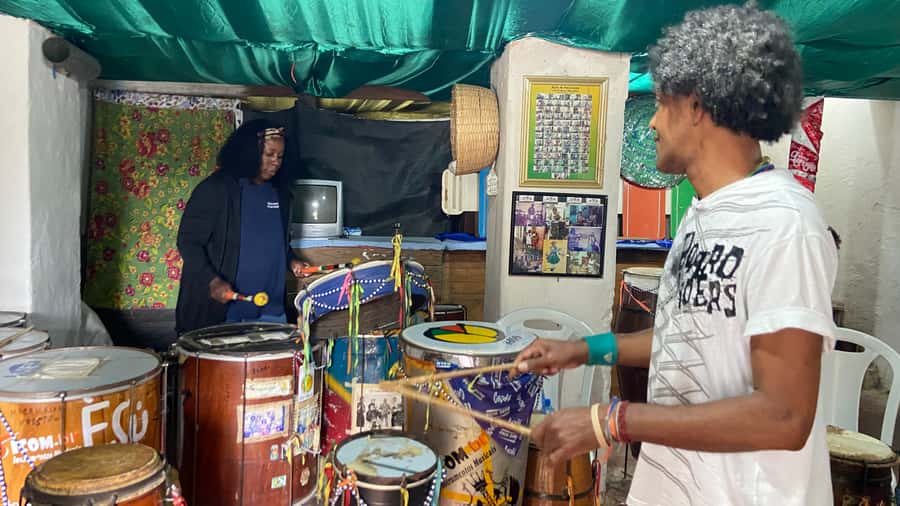
- Samba reggae focus: You learn Bahia rhythms that connect to the wider Afro-Brazilian sound world.
- Small group, max 6: You get more hands-on time and less crowding.
- Maestro-level teaching: Instruction is patient, with translation support for Spanish, English, and Portuguese speakers.
- Play several instruments: You don’t just watch, you jam with the group and try different drums.
- Time on drums may feel shorter: Transport is part of the 3-hour total.
- No food or drinks included: Plan for water and a snack around the class.
Bahia beyond the Pelourinho
What Makes This Salvador Percussion Class Worth Your Time
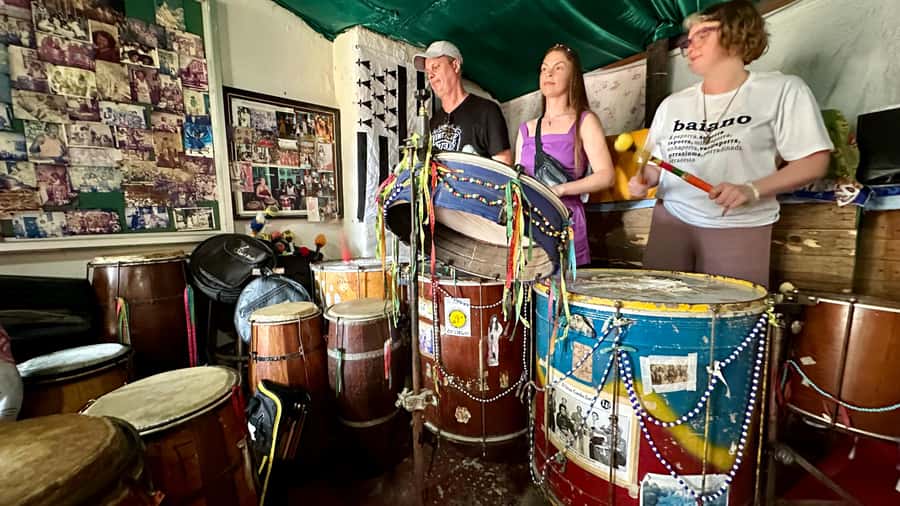
If you want one of those travel experiences where you leave with muscle memory, this is a strong pick. Bahia percussion is not just stage music. It’s tied to everyday life and also shows up in major cultural moments, including rhythms associated with Samba de Roda and ceremonies like Candomblé. That context matters, because it explains why the teachers emphasize rhythm, call-and-response, and group timing instead of technical showmanship.
What you’re really buying here is an hour-or-two on the instruments with real feedback, plus cultural framing so the beats make sense. You’re not studying theory for hours. You’re learning how the rhythm works in a group, and that’s the fastest way to understand why Bahia drumming feels joyful and powerful.
The Rhythms You’ll Learn, and Why Samba Reggae Isn’t Just a Buzzword
This class is built around Bahia’s percussion tradition and the African roots behind it. You’ll spend time on rhythms that help explain how Brazilian music can feel both communal and creative, not like one fixed style.
The headline rhythm is samba reggae, known for its distinctive groove. It’s the kind of rhythm that people outside Brazil recognize, and it helps you understand what makes Bahia percussion different from what you may hear in other parts of the country. Even if you don’t know the terminology going in, the teachers break down the patterns so you can follow along.
You’ll also encounter other rhythmic ideas within the same teaching framework, with a sense of how Brazilian music can stretch into different directions, including references to jazz. The goal is to show the versatility of the rhythm traditions, not to turn the session into a music history lecture.
A Realistic Breakdown of the 3 Hours, From Pickup to Jamming
Here’s how the timing usually feels, and how to plan your expectations.
1) Hotel pickup and arrival
You’re picked up from your hotel lobby, then you head to the teaching spot. This time is part of the 3-hour duration, so it doesn’t feel like pure drumming.
2) Workshop and instruction
Once you’re with the percussionists, you’ll get guided practice on how to produce the sounds correctly, and how to fit your part into the group rhythm. This is where the translation support really helps. The guide translates what the instructor is demonstrating, and a translator may participate as well, so you can follow the method instead of guessing.
3) Hands-on rhythm training
Expect structured practice, then gradual buildup. You’ll learn the most famous rhythm called out for this experience and you’ll work on timing, accents, and the feeling of the groove.
4) Jam time with multiple instruments
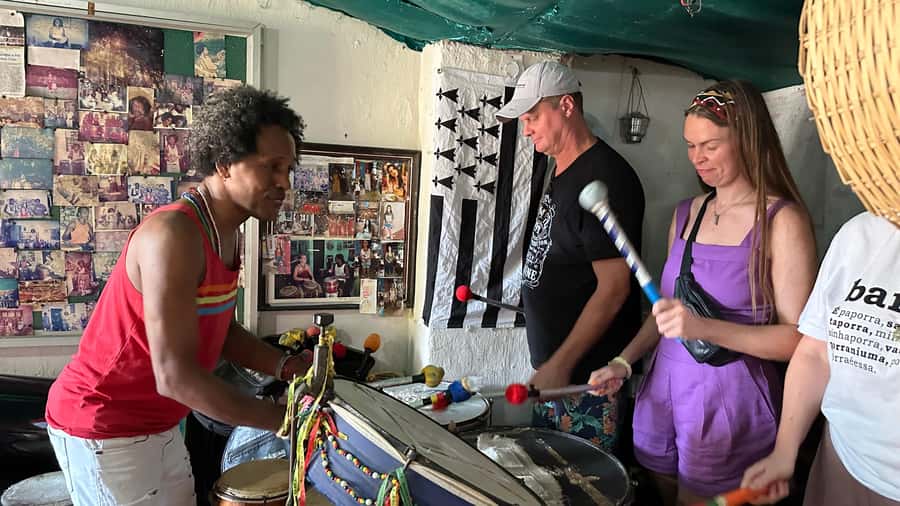
This is one of the best parts. You play different drums, and you get to jam with the group. In a small class of up to 6, that jam time doesn’t feel like you’re waiting your turn on the sidelines. It feels like you’re part of the rhythm.
5) Return transfer and drop-off
After you play and learn, you head back to your hotel. Your day moves on fast, so if you’re going to eat after, plan to do it nearby.
Hands-on sessions around Salvador Brazil
- Salvador: Capoeira Class at Mestre Bimba’s 1st Ever School.
★ 4.9 · 34 reviews - Salvador: 3-Hour Percussion Class
★ 4.9 · 10 reviews - Salvador: Traditional Drumming and Percussion Workshop
★ 4.4 · 10 reviews - BOXE CLASS – EX BAHIAN CHAMPION (SALVADOR-BA)
★ 5.0 · 7 reviews
Maestro Macambira and the Translation Advantage
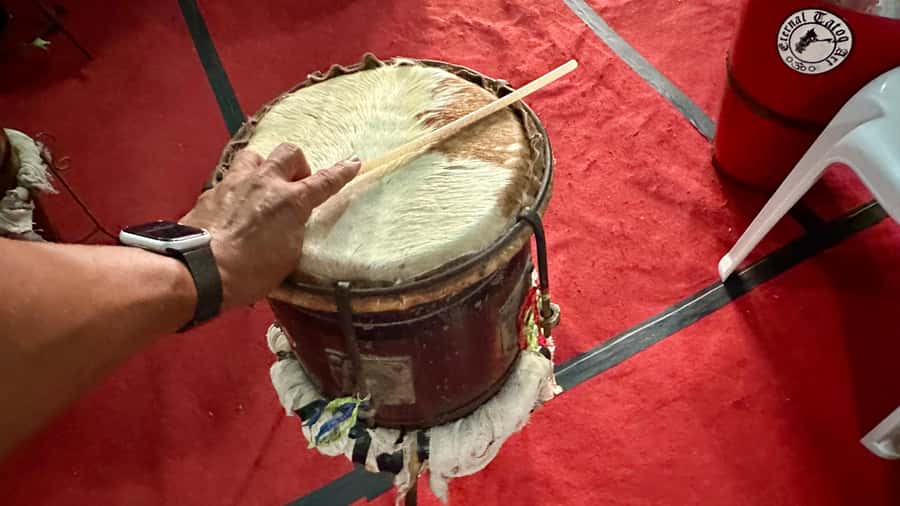
One detail that came through clearly in feedback is the quality of teaching style. The percussion teacher, mentioned as Maestro Macambira in some accounts, is described as patient and attentive to different levels. That matters because drumming can intimidate people who are used to “follow along” music lessons where you hold still. Here, you’re expected to play, but you’re not left to figure it out alone.
The guide and translation support makes a difference too. When instruction depends on timing and hand positions, misunderstanding even one instruction can throw you off. Having translation help means you can focus on rhythm instead of language.
I also like that the class doesn’t assume you already know the terminology. If your background is casual music listening, you’ll still be able to participate, especially because the session is built around what your hands need to do.
Small Group Size: Why Max 6 People Changes Everything
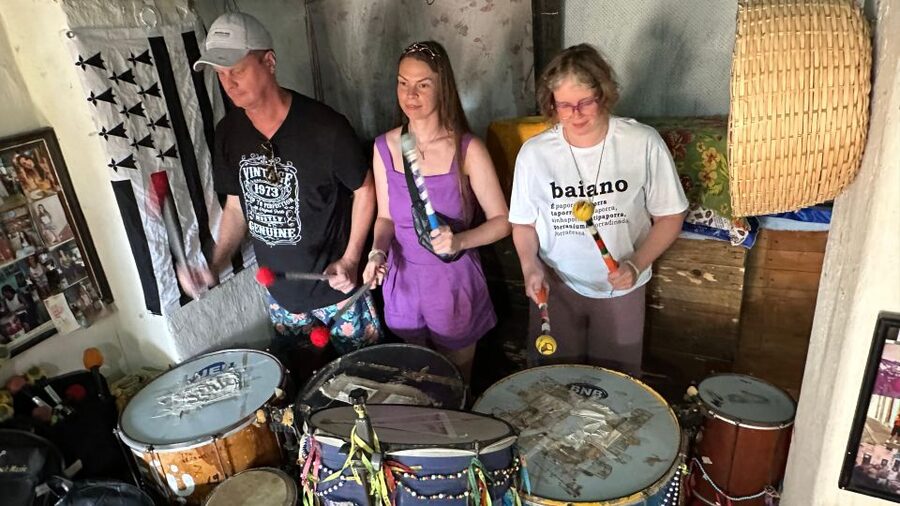
A class capped at 6 participants is not a marketing detail here. It directly affects how much feedback you can get and how quickly you get into the rhythm.
In a bigger group, instructors typically spend more time demonstrating and less time correcting. In this setup, you’re more likely to:
- get closer attention when your pattern is off
- switch through instruments without long waiting
- hear the difference between rhythms clearly as you practice
- feel confident during the jam, because the group isn’t too large
Even if you’re shy about performance, the small setting helps. This is the kind of experience where you can take part without needing to be the loudest person in the room.
Price and Value: Is $90 Fair for What You Get?
At $90 per person, this tour is not a bargain. Whether it feels like a good value depends on what you want from the experience.
If your main goal is cultural context plus hands-on drumming, the pricing can make sense because you get:
- hotel pickup and drop-off
- entrance fees
- a professional guide
- a small group max of 6
- instruction plus playing, including jamming and trying different drums
But if you expect a long, deep, instrument-heavy session with lots of time on multiple rhythms, you should calibrate your expectations. Some people note that the “3 hours” includes transport, and the actual class time can feel closer to around 1.5 hours. Another note: the beats can feel simple during the practice, which is not necessarily bad, because simple patterns are often the fastest way to get everyone playing together. Still, it may not satisfy you if you’re chasing a very technical, extended masterclass.
My practical take: this is worth it if you want a one-time, high-participation drumming experience in Salvador with minimal hassle. If you’re a serious percussion student chasing maximum practice minutes, you may want to look for a longer format.
What to Bring, and How to Plan Your Day in Salvador
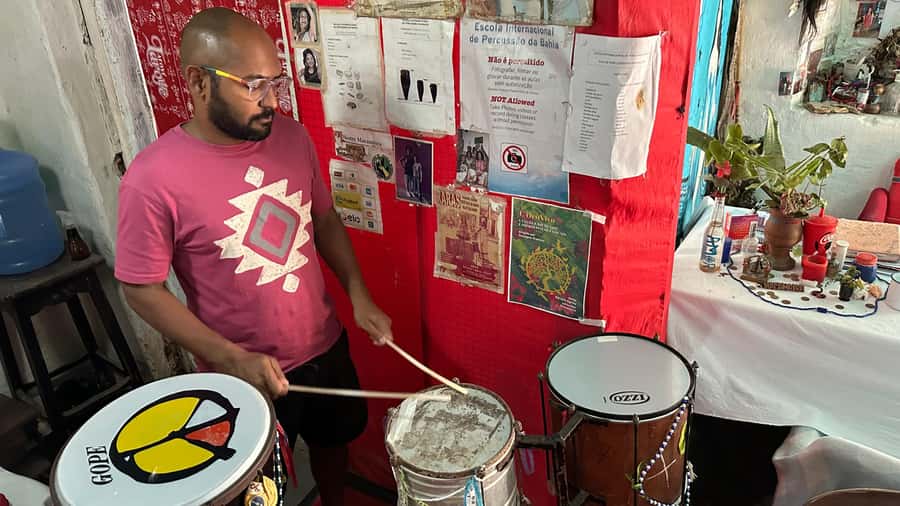
Because food and drinks aren’t included, I suggest you handle the basics before you go. Eat earlier or plan a simple snack after. You’ll probably work up a sweat, especially during the rhythm practice and jam portion.
Also consider:
- wear comfortable clothes you can move in
- bring small cash only if you plan to buy water or a snack elsewhere
- arrive at pickup time with enough buffer, so your playing time stays comfortable
And think about your energy level. This is not just watching. You’ll be hands-on, so a rested start makes it more fun.
Who This Percussion Class Is Best For
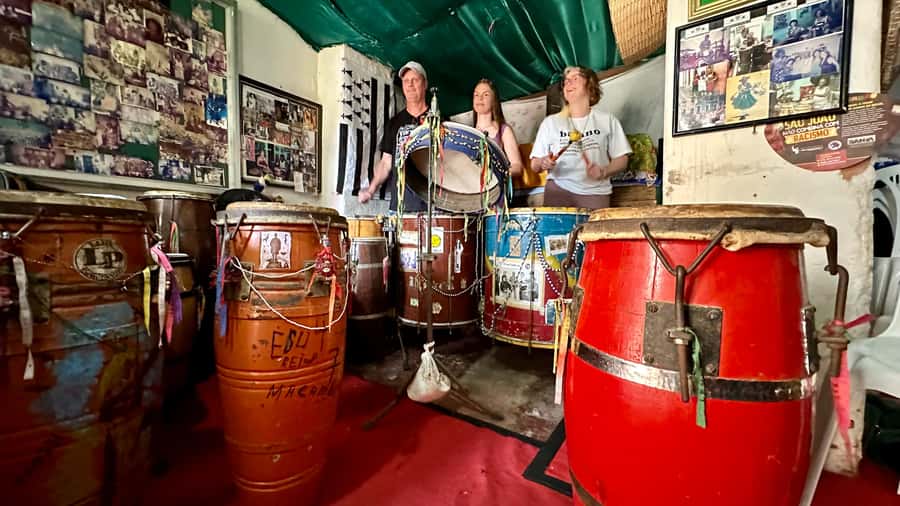
This experience fits best if you want a hands-on introduction to Bahia percussion and Afro-Brazilian rhythm culture without committing to a long multi-day course.
It’s a great match for:
- music lovers who want to play, not just listen
- travelers who like small-group classes
- people who enjoy learning through movement and repetition
- mixed groups, including different ages (the class atmosphere is designed so beginners can participate)
If you’re the kind of traveler who needs a guaranteed long session, or you’re extremely focused on complex technique, you might find the time limit a little tight. The class is short by design, and the emphasis is on getting you playing together.
Common Frustrations You Can Avoid
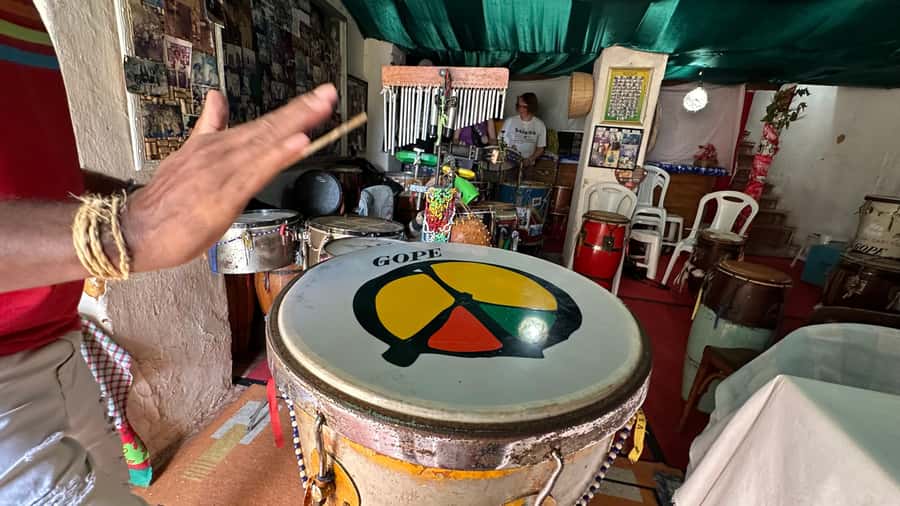
A few practical points can help you get the most out of it.
First, expect transport time inside the 3-hour total. Plan your schedule around the possibility that the actual drumming portion may feel closer to 1.5 hours depending on pickup and timing.
Second, keep the value equation in mind. Yes, it’s $90, and yes, you’re paying for a guided, small-group, pickup-included session. If you’re deciding based purely on minutes, you might feel disappointed. If you’re deciding based on hands-on fun and cultural context, it can land perfectly.
Finally, show up ready to participate. The experience works when you’re willing to play along, even if it’s new. The teachers are patient, but percussion is participatory. The rhythm only clicks when you join it.
Should You Book This Salvador Percussion Class?
I’d book it if you want an easy, guided way to participate in Bahia rhythm culture, with a small group and real jam time. The teaching support and translation help make it beginner-friendly, and the focus on samba reggae is a strong anchor for understanding what makes Bahia percussion so recognizable.
Skip it only if your top priority is maximum playing time or a long, technical training block. At $90, you’re paying for quality teaching, structure, and convenience like hotel pickup. If you’re looking for more hours on the drums, you may want a longer class format elsewhere.
If you do book, go in with the right mindset: this is not about being perfect. It’s about getting the groove, learning how the patterns connect, and leaving Salvador with a rhythm stuck in your body.
FAQ
How long is the Salvador percussion class?
The experience is listed as 3 hours. Some of that time can include pickup and transport.
What is the group size?
It is a small group limited to a maximum of 6 participants.
Is hotel pickup and drop-off included?
Yes. Hotel pickup and drop-off are included, with pickup from your hotel lobby.
What languages is the tour guide available in?
The live tour guide offers support in Spanish, English, and Portuguese.
What is included in the price?
The price includes hotel pickup and drop-off, entrance fees, and a professional guide.
Are food and drinks included?
No. Food and drinks are not included.
Can the tour accommodate wheelchairs?
No. This tour cannot accommodate wheelchairs.
How much does the tour cost?
The price is $90 per person.
What are the booking and cancellation options?
You can reserve now & pay later. It also offers free cancellation up to 24 hours in advance for a full refund.
More Tour Reviews in Salvador Brazil
Bahia, Past the Old Town
More Tour Reviews in Salvador Brazil
Latest from our Salvador Brazil notebook
- From Salvador: Quilombo Heritage Daytrip with Lunch★ 3.4 · 3 reviews
- From Salvador: Schooner Tour to Frades Island★ 3.9 · 3 reviews
- Salvador: Caipirinha Masterclass with Unlimited Drinks★ 4.2 · 4 reviews
- Salvador: Schooner Cruise with Pickup and Itaparica Stop★ 3.8 · 5 reviews
- BOXE CLASS – EX BAHIAN CHAMPION (SALVADOR-BA)★ 5.0 · 7 reviews
- Salvador by Night: Pelourinho & Old Town Tour★ 4.3 · 8 reviews
Salvador & Bahia Tours, compared.
 ★ 3.9Schooner Tour to Frades Islands and ItaparicaFrom $3998 reviews
 ★ 4.7Afro-Brazilian Roots Private City Tour in SalvadorFrom $15088 reviews
 ★ 5.0Trekking the valley of the pat 3 days/ GUIDE TUTY CHAPADA DIAMANTINAFrom $42178 reviews
 ★ 5.04 FASCINATING DAYS! Reservations from 2 people -Chapada Diamantina by ZenturFrom $32371 reviews
 ★ 5.0Private City Tour in Porto SeguroFrom $11870 reviews
 ★ 5.02 AMAZING DAYS! Booking from 2 people – Chapada Diamantina by ZenturFrom $13363 reviews
 ★ 4.8Salvador Historic Walking Tour – Pelourinho62 reviews
 ★ 4.5Salvador de Bahia African Culture Tour60 reviews
Browse the lists this tour appears in