
REVIEW · WALKING TOURS
Rio de Janeiro: Downtown Walking Tour
Rio’s old streets move fast, even on foot. This half-day walk is built to connect Brazil’s history with the city’s changing skyline, and you get a strong run of downtown sights without having to plan every turn yourself. I love the contrast, old monarchy-era buildings beside grand civic architecture from later periods, and I also like that the guide experience matters, with praised guides like Angelica and Antonio known for clear explanations and patient pacing. The main drawback to consider is simple, you are on your feet for about 4 hours, and it is not suitable for wheelchair users or people with mobility impairments.
You’ll start in Centro and work your way through the layers of the city, from centuries-old roads around landmark squares to church facades and cultural buildings you might miss alone. I like that the itinerary keeps momentum while still giving context at each stop, including the Monarchy-to-Republic timeline around XV de Novembro Square and Paço Imperial. One more consideration is logistics, you will need comfortable shoes and, if you choose to use the subway, a ticket is not included.
Key highlights worth your time
- Monarchy-to-republic context in a compact, walkable route through Centro
- CCBB (Brazil Bank Cultural Center), a cultural stop locals know well and many first-timers skip
- Candelária Church and its role as a city anchor, not just a photo stop
- Cinelandia Square political and cultural buildings, including the Municipal Theater area
- Colombo’s Bakery snack at the end, a practical finish point
- Strong guide quality, including multilingual, attentive guides like Lavinha and Renato
In This Review
- Downtown Rio as a 4-Hour History Walk
- Meeting Point at Atlantico Business Hotel, and How to Start Smoothly
- The Pace and Footwear Reality Check
- XV de Novembro Square: Brazil’s Timeline Starts Here
- Paço Imperial, ALERJ, and the Convent of do Carmo
- Dos Teles Arch and Winding Alleyways
- Candelária Church: More Than a Photo Stop
- CCBB (Brazil Bank Cultural Center): Architectural Lessons in Plain Sight
- Cinelandia Square: Where Politics and Culture Show Up in Stone
- Colombo’s Bakery Snack: A Tasty, Practical Ending
- Multilingual Guides, and What Quality Looks Like
- Value Check: Is $47 Worth It for 4 Hours?
- What You’ll Like Most, and Who Should Book
- Should You Book This Downtown Rio Walking Tour?
- FAQ
- How long is the Rio de Janeiro downtown walking tour?
- How much does the tour cost?
- Where does the tour meet?
- What is included in the price?
- What is not included?
- Which languages are available for the guide?
- Is the tour canceled if it rains?
- What should I bring?
- Can I bring luggage or large bags?
- Is the tour suitable for wheelchair users or mobility impairments?
Downtown Rio as a 4-Hour History Walk
Downtown Rio, Centro, is the kind of place where the sidewalk is basically your timeline. One block you’re near older walls tied to earlier eras of the country, and the next you’re looking at civic buildings that reflect how Rio wanted to present itself as Brazil modernized. This tour is designed to help you read that mix, so you don’t just see landmarks, you understand why they matter.
What I like most is how the route keeps swapping scale and style. You get the street-level feel of old alleys and monumental stops like Candelária Church, plus the “old meets new” energy between cultural hubs and grand public institutions. It’s a great fit if you want big-city context without spending your whole day on buses.
If you’re a history person, you’ll appreciate the timeline setup, stretching from the monarchy era toward a republic-focused city identity. If you’re more into architecture, you’ll still get something useful because the guide points out what’s changing and why.
Kept it on foot? So did these
Meeting Point at Atlantico Business Hotel, and How to Start Smoothly
This tour meets at the Atlantico Business Hotel, Rua Senador Dantas, 25, Centro. Arrive 15 minutes early, and the guide will call you by your name at the meeting point.
That “arrive a bit early” detail is more important than it sounds. Centro is active, street corners shift, and you’ll save yourself time by being ready at the hotel entrance when the guide arrives. If you want instructions, the tour explicitly says to contact them for directions to the meeting point.
You should also plan around the weather. It runs rain or shine, so bring a light rain layer if showers are likely. You’ll be walking continuously, so staying comfortable directly affects how much you enjoy the stops.
The Pace and Footwear Reality Check
This is a walking tour with a 4-hour duration, and the route includes multiple downtown landmarks that require going in and out of streets and taking short stretches on foot. You’ll want comfortable shoes, period. If you’re used to mixing sightseeing with lots of sitting, this might feel more physical than you expect, especially in warm weather.
It’s also not suitable for wheelchair users or people with mobility impairments. And there’s a practical rule to keep in mind, luggage or large bags are not allowed. If you travel with carry-on sized bags, plan to store them before the tour.
In high season, tours can take longer because traffic and crowd levels are higher. That means your timing might be slightly more flexible than “4 hours exactly,” but the upside is that you still get the same core sightseeing loop and guidance.
XV de Novembro Square: Brazil’s Timeline Starts Here

Your route begins with the historic center and the road-and-building patterns tied to major chapters in Brazil’s story. A key early stop is XV de Novembro Square, where the tour frames roughly 500 years of Brazilian history through the way Rio’s landmarks connect to changing political eras.
This is the kind of stop where the guide’s voice matters. Without interpretation, squares can look like “just space for photos.” With a guide, it becomes a reference point for understanding the shifts behind the architecture and what the city was trying to communicate at the time.
You’ll also encounter important nearby stops described as part of the downtown narrative, including the ALERJ building and Paço Imperial. Paço Imperial, for example, is one of those places that feels more meaningful when someone explains its role in the city’s past and the broader national story.
- Rio de Janeiro: 6-Stop Highlights of Rio with Lunch
★ 4.4 · 5,157 reviews - Christ the Redeemer Entry Ticket by Corcovado Train
★ 4.4 · 4,476 reviews - Rio de Janeiro: Rocinha Favela Walking Tour with Local Guide
★ 4.8 · 3,052 reviews - Rio: Christ the Redeemer, Sugarloaf, Selaron & BBQ Lunch
★ 4.5 · 2,428 reviews - Rio De Janeiro: Half-Day Rocinha Favela Walking Tour
★ 4.7 · 2,272 reviews
Paço Imperial, ALERJ, and the Convent of do Carmo
From the square, the tour continues with a focus on monarchy-era and religious heritage landmarks. You’ll admire the architecture of Paço Imperial, and the tour also includes the Convent of do Carmo.
This is a smart pairing because it shows contrast in function and style. A palace or imperial building is about power and governance. A convent is about religion and long-term presence. Seeing them in one walk helps you understand why Centro feels layered rather than purely “touristy.”
One small consideration, because these are major landmarks, expect the kind of sightseeing crowd you get in a central area. The guide’s job here is to keep you moving, explain what you’re seeing, and help you avoid wasting time staring at details without context.
Dos Teles Arch and Winding Alleyways
Next, you’ll walk past dos Teles Arch and through winding alleyways. This part is less about single monument glamour and more about atmosphere.
Alleyways around arches can be the difference between a tour that feels like a checklist and a tour that feels like a place. This is where you start noticing street geometry, how buildings crowd the sidewalk, and how the city’s age shows up in the layout, not just the facades.
If you like walking for texture, not only for landmarks, this is one of the more satisfying segments. It’s also a good “breather” from the largest set-piece buildings, since the architecture is more intimate and the guide can point out small cues.
Candelária Church: More Than a Photo Stop
Candelária Church is a major highlight for a reason. The tour doesn’t treat it like a quick stop for pictures. You’ll learn about its importance to the city, and that context helps you appreciate why people gather around it and why it has become a recognizable symbol of Rio.
Church architecture can be easy to overlook when you’re hungry, tired, or distracted. With a guide explaining why this church matters, the building starts to feel like a civic anchor, not just a religious structure.
This is also a good segment for asking questions. The tour format includes a live multilingual guide, and you’ll likely hear the kind of extra stories that make later stops easier to understand, especially when you reach the cultural center and political buildings.
CCBB (Brazil Bank Cultural Center): Architectural Lessons in Plain Sight
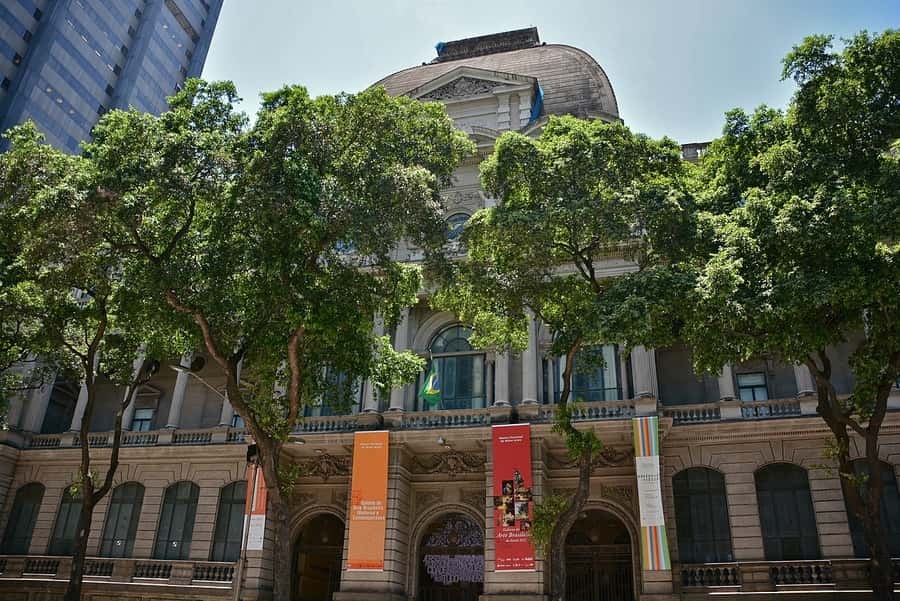
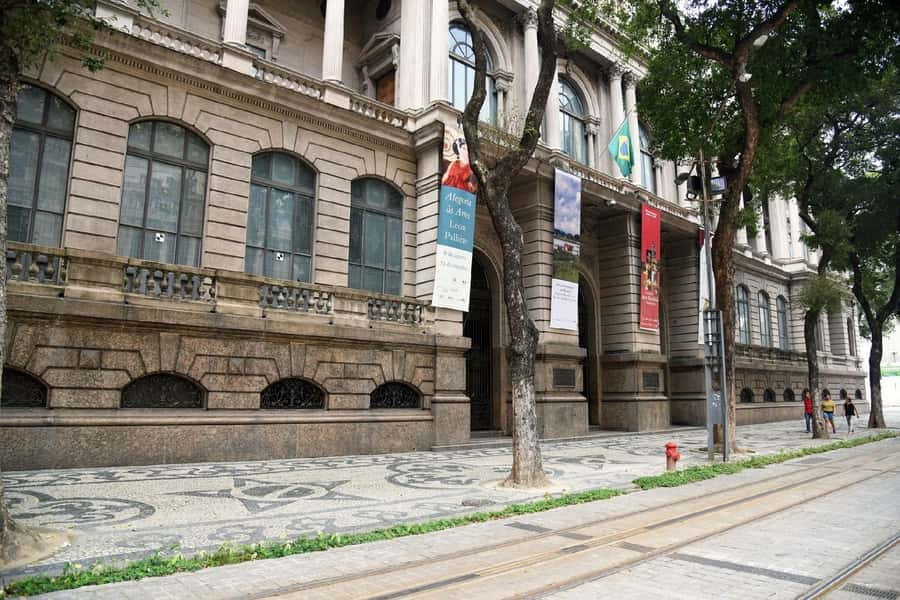
A standout part of the walk is the chance to visit the Brazil Bank Cultural Center, known locally as CCBB. The description specifically emphasizes hidden treasures in the architecture, and this is exactly the kind of stop that benefits from a guide.
Cultural buildings often look “official” from the outside, and first-timers can miss what to notice. The guide’s explanation helps you see details you would likely skate past on your own.
If you like architecture with a human scale, CCBB is a great move. It connects history and modern use, which matches the tour’s big theme, old streets with later institutions shaping Rio’s identity.
Cinelandia Square: Where Politics and Culture Show Up in Stone
Next comes Cinelandia Square, where the tour leans into that signature Rio contrast, old and modern in the same sightline. This area is loaded with big names, and the route helps you see the whole neighborhood rather than one building at a time.
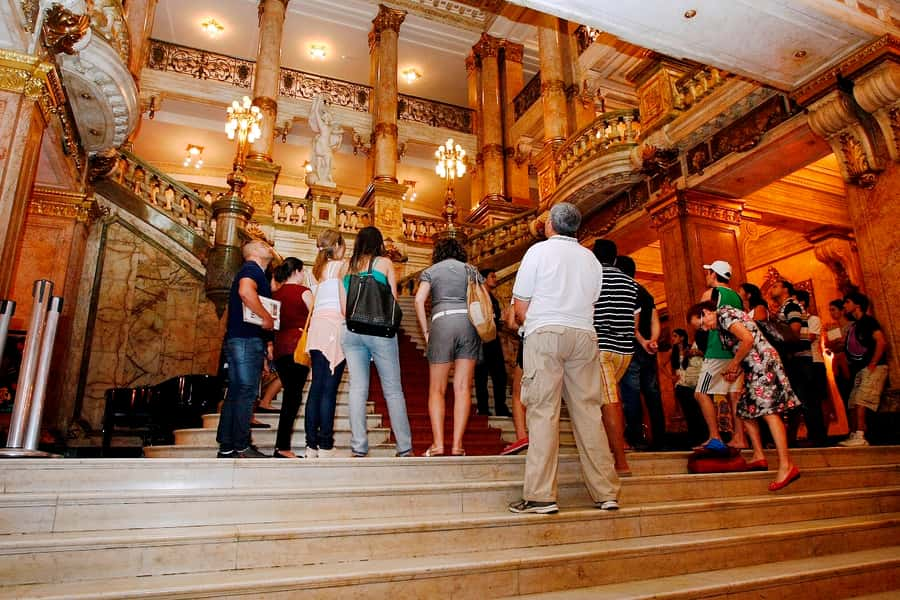
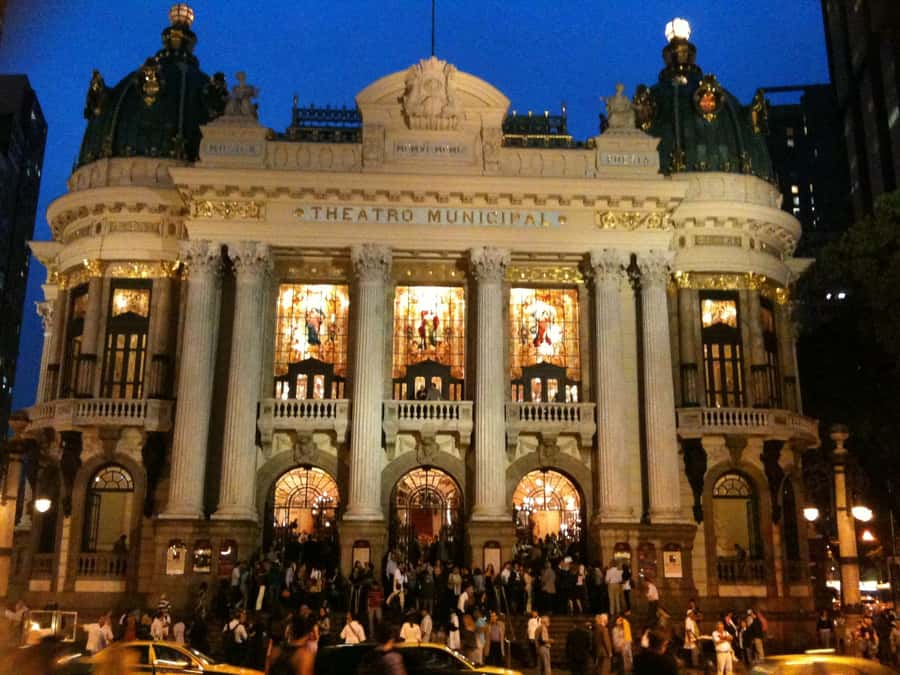
You’ll explore political and cultural buildings in the area, including the Municipal Theater of Rio de Janeiro, the National Library of Brazil, the National Museum of Fine Arts, and the City Council of Rio de Janeiro.
This is one of the most valuable parts of the itinerary because it turns your walk into an overview of downtown Rio’s “institutions.” The more you understand what these buildings represent, the more sense it makes that the city’s identity sits in these stone facades and grand public spaces.
A practical note, this segment is also where crowds can feel thickest. The guide’s pacing matters, and in high season, the city’s traffic and people levels can stretch the overall experience.
Colombo’s Bakery Snack: A Tasty, Practical Ending
You’ll finish with Colombo’s Bakery, described as one of the main landmarks of the city, and the tour includes a snack here. This is a smart ending because it gives you a clear payoff before you break off for the rest of your day.
Snacks are not a small detail. If you’ve been walking since the morning or early afternoon, having something built into the route helps you avoid the “I’ll eat later and then I don’t enjoy anything” spiral. The tour does not include full meals, so think of this as a small reset rather than a full dinner.
After the snack, the tour ends at a subway station in Downtown Rio. From there, you can return to your hotel or keep exploring on your own. If you plan to continue sightseeing, having an end near transit is a big convenience.
Multilingual Guides, and What Quality Looks Like
This tour includes a multilingual guide, with Portuguese, Spanish, English, Italian, and French available. That matters in Rio because downtown history is full of dates, terms, and architectural cues. Being able to follow closely makes every stop feel more meaningful.
The guide experience has also been a big reason people rate this tour highly. Guides such as Angelica, Lavinha, Antonio, and Renato are praised for strong language skills, patience, and the ability to explain the “why” behind each landmark. Many comments highlight that the best tours here are the ones where you feel comfortable asking questions and getting direct answers.
There is also one type of critique you should keep in mind. Some people felt certain stops needed more detail about events and dates tied to specific buildings. If you want deep historical specificity for every facade, you might want to supplement with your own reading or ask more questions during the walk.
Value Check: Is $47 Worth It for 4 Hours?
At $47 per person for a 4-hour walking tour, you’re paying for more than just access to buildings. You’re paying for a guided route that strings together monarchy to republic context, plus practical navigation through a busy central area.
What’s included is important: the tour includes the multilingual guide. What’s not included can affect your total cost, especially the subway part. The tour states that you might need a subway ticket, listed as BRL 15 roundtrip per person if necessary.
Food and drinks are not included, but you do get a snack at Colombo’s Bakery. So you’re not fully covered for the whole day, but you’re not totally on your own either.
For most visitors, the biggest value is time saved and interpretation provided. Downtown Rio can be beautiful, but it is also easy to wander through without a framework. This itinerary gives you that framework in a manageable time window, which is exactly what you want on a trip when you’re juggling beaches, neighborhoods, and limited daylight.
What You’ll Like Most, and Who Should Book
This tour is a good match if you:
- Want a guided, walk-first way to understand Rio’s downtown history and architecture
- Like seeing major sights such as Candelária Church, CCBB, and the Cinelandia area without building your own route
- Appreciate explanations that connect buildings to broader national changes
It may be a frustrating choice if you:
- Need step-free routes or mobility support, because it is not suitable for wheelchair users or people with mobility impairments
- Are traveling with large bags or luggage, since the tour states luggage or large bags are not allowed
- Prefer a mostly “sit down and relax” format, since this is a walking tour for about 4 hours
If you’re traveling solo, the finish at a subway station is convenient. If you’re traveling as a couple or small group, you’ll still benefit from the guide’s pacing, especially in high season when crowds and traffic can slow things down.
Should You Book This Downtown Rio Walking Tour?
Book it if you want an efficient way to make Centro make sense. This tour brings you through some of the city’s most recognized landmarks, but the real win is the connective tissue, the way the guide links architectural and historical context while you’re walking.
Skip it or adjust expectations if you need maximum mobility support, or if you want very detailed building-by-building historical dates for every stop. In that case, you might treat this as your orientation walk, then add self-guided reading at a pace that suits you.
FAQ
How long is the Rio de Janeiro downtown walking tour?
The tour lasts 4 hours.
How much does the tour cost?
The price is $47 per person.
Where does the tour meet?
The meeting point is the Atlantico Business Hotel, Rua Senador Dantas, 25 – Centro.
What is included in the price?
The tour includes a multilingual guide.
What is not included?
Hotel pickup and drop-off are not included. A subway ticket may be necessary (BRL 15 roundtrip per person). Food and drinks are not included.
Which languages are available for the guide?
The guide is available in Portuguese, Spanish, English, Italian, and French.
Is the tour canceled if it rains?
No. The tour runs rain or shine.
What should I bring?
Bring comfortable shoes and a passport or ID card (a copy is accepted).
Can I bring luggage or large bags?
No. Luggage or large bags are not allowed.
Is the tour suitable for wheelchair users or mobility impairments?
No. It is not suitable for people with mobility impairments or wheelchair users.
Everything Else We Rated in Rio De Janeiro
More Tour Reviews in Rio De Janeiro
More Tour Reviews in Rio De Janeiro
Latest from our Rio De Janeiro notebook
- Unforgettable Boat Party★ 5.0 · 3 reviews
- Tijuca National Park and all its wonders!★ 5.0 · 3 reviews
- Rocinha Jeep Tour: A Journey into the Soul of the Favela!★ 3.8 · 3 reviews
- Rio: Favela Walking Tour of Rocinha with a Resident Guide★ 4.7 · 3 reviews
- Rio: Private, Custom express, Main Attractions!★ 5.0 · 3 reviews
- Rio: Museum of Tomorrow, Yup Star & Olympic Boulevard★ 3.7 · 3 reviews
Walking Tours, compared.
 ★ 4.8Rocinha Favela Walking Tour with Local GuideFrom $363,052 reviews
 ★ 4.7Half-Day Rocinha Favela Walking TourFrom $352,272 reviews
 ★ 5.0Sunrise and Sunrise Walk Two Brothers with Local GuideFrom $64193 reviews
 ★ 4.9Little Africa Heritage Walking TourFrom $40177 reviews
 ★ 4.8Historic Centre Walking Tour & Cachaça TastingFrom $1996 reviews
 ★ 5.0Downtown-Center History Walking Tour – in EnglishFrom $3191 reviews
 ★ 4.9Downtown-Center Walking Tour | 2 Hours – EnglishFrom $3784 reviews
 ★ 5.0Learn the History of Rio with an Unforgettable City Center Walking TourFrom $4982 reviews
Browse the lists this tour appears in