
REVIEW · HISTORICAL TOURS
African Heritage: Gastronomy and Musicality Experience
This route turns Rio into a story you can feel, not just see. You’ll connect African heritage to real landmarks, from the Morrinho Project at MAR to the Valongo coast, then finish with Afro-Brazilian tastes and live percussion.
I like that it pairs learning with lived culture, especially the stop at Pedra do Sal, where you get both food tastings and a percussion workshop led by an instructor and drummer from the African continent. I also love how the day is built around spaces that people often misunderstand, like the Morrinho Project’s detailed favela model and the IPN site that centers the remains of Africans found there.
One possible drawback: it is not set up for food restrictions, since the experience includes typical Afro-Brazilian and Yoruba cuisine tastings. If you are picky, have allergies, or follow strict diets, you’ll need to think carefully before booking.
In This Review
- Key Highlights Worth Your Time
- First Stop: MAR at Praça Mauá and the Day’s Big Idea
- Morrinho Project at MAR: Seeing the Favela Through a Different Lens
- Eduardo Kobra and Ancestral Echoes in Street Art
- IPN Pretos Novos: Archaeology That Forces a New Perspective
- Cais do Valongo and Little Africa: A Port of Arrival and Afterlife
- Quilombo Pedra do Sal: Where Resistance Became Culture
- Afro-Brazilian and Yoruba Food Tastings: Religion in the Flavor
- Percussion Workshop on Pedra do Sal: Music You Can Explain Later
- Largo de São Francisco da Prainha at Sunset: Samba, Funk, Jazz, Chorinho
- Price and Value: What $110 Buys You in Rio
- Who This Tour Fits Best (And Who Might Want Something Else)
- Quick Tips So the Day Feels Smooth
- Should You Book African Heritage: Gastronomy and Musicality?
- FAQ
- How long is the tour?
- What time does the tour start?
- Where do we meet?
- Where does the tour end?
- What costs are included in the price?
- Are any admissions included or free?
- Are drinks included?
- Is this tour private?
- Is it suitable for people with food restrictions?
- Does the tour run in any weather?
Key Highlights Worth Your Time
- Morrinho Project at MAR (Modelo da Pereira da Silva): a permanent, detailed favela model that challenges stereotypes.
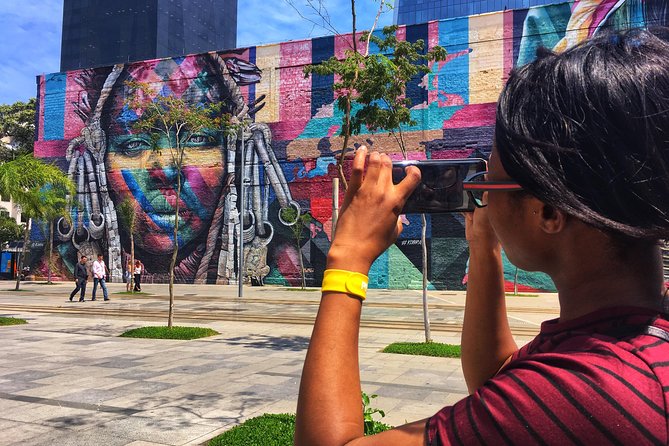
- Eduardo Kobra mural stop: a chance to see one of the largest graffiti murals in the world and think about ancestral influences.
- IPN Pretos Novos archaeology: a visit to the site and permanent exhibition focused on Africans discovered there.
- Cais do Valongo and Little Africa: a short walk into a major chapter of humanity’s shared history.
- Pedra do Sal Afro-Brazilian food and drumming: tastings plus a percussion workshop with musicians tied to African musical traditions.
- Sunset energy at Largo de São Francisco da Prainha: samba, funk, jazz, and chorinho near Portuguese-era buildings, with snacks and cold beers available nearby (not included).
Older stories from Rio de Janeiro

First Stop: MAR at Praça Mauá and the Day’s Big Idea
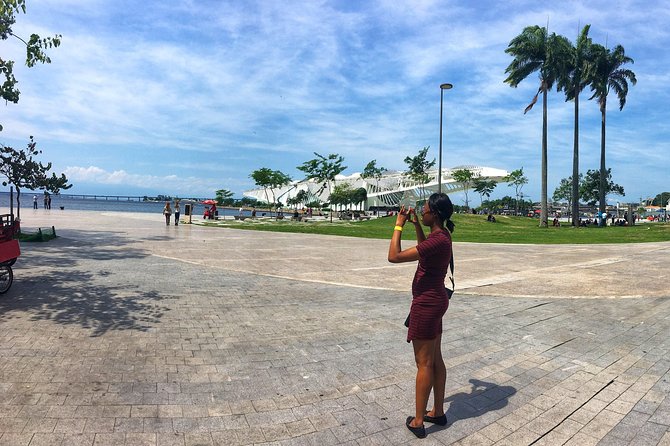
You start in the Centro area at Museu do Amanhã, Praça Mauá 1, right in the middle of Rio’s historic port zone. The meeting spot is practical, and the route makes sense for a half-day, with nearby sites tied together by theme rather than random driving.
What makes the start feel intentional is the tour’s core message: Afro-Brazilian culture is not a side note. It is a foundation, showing up in the city’s art, religious traditions, music, and everyday survival stories.
Morrinho Project at MAR: Seeing the Favela Through a Different Lens
The Morrinho Project at Museu de Arte do Rio (MAR) gives you a rare viewpoint. The permanent installation uses a highly detailed model of the streets, inhabitants, and daily life of the Pereira da Silva favela, turning the spotlight away from headlines and toward community life.
I like this stop because it reframes the conversation before you move deeper into history. You are not just watching facts about Rio, you are learning how narratives get built, and how a place can be understood through its people and routines.
You should also know the time is short, about 25 minutes. That can be perfect if you want a focused snapshot, but if you tend to linger with models and interpretive displays, you may wish the stop ran longer.
Eduardo Kobra and Ancestral Echoes in Street Art
Next, you spend time contemplating Eduardo Kobra, known for large-scale murals. This stop is a visual bridge, connecting graffiti as public art to ideas of ancestral ethnic groups and very old cultures tied to Brazil’s history.
Even if you already like street art, I think this is worth it because it keeps the focus on meaning, not just style. Kobra’s scale also makes it hard to ignore the message when you are standing in front of it, and scale matters in street art.
A practical note: this is a walking stop, and it pairs well with the rest of the route’s museum and historical sites. Wear comfortable shoes, because your feet are doing a lot of the work between viewpoints.
- Rio de Janeiro: 6-Stop Highlights of Rio with Lunch
★ 4.4 · 5,157 reviews - Christ the Redeemer Entry Ticket by Corcovado Train
★ 4.4 · 4,476 reviews - Rio de Janeiro: Rocinha Favela Walking Tour with Local Guide
★ 4.8 · 3,052 reviews - Rio: Christ the Redeemer, Sugarloaf, Selaron & BBQ Lunch
★ 4.5 · 2,428 reviews - Rio De Janeiro: Half-Day Rocinha Favela Walking Tour
★ 4.7 · 2,272 reviews
IPN Pretos Novos: Archaeology That Forces a New Perspective
The Instituto de Pesquisa e Memória Pretos Novos (IPN) changes the tone of the day in the best way. You visit an archaeological site and the permanent exhibition showing the bones of Africans discovered in that location.
This matters because it turns slavery history from an abstract timeline into something grounded in a specific place. The impact is not just emotional, it is also educational, since the site helps you understand the slave period in Brazil with a new layer of evidence.
The stop is about 40 minutes, giving you time to actually process what you’re seeing. If you are the type who likes to ask questions or stop to read, this is one of your best windows.
Cais do Valongo and Little Africa: A Port of Arrival and Afterlife
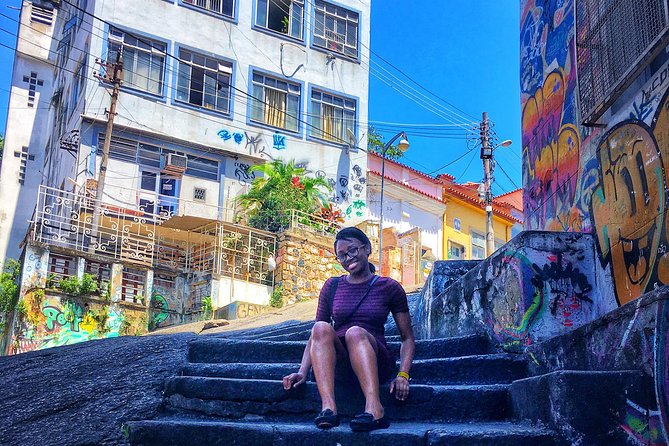
At Cais do Valongo, you step into the Historical Site of the Pier of Valongo and the surrounding area often called Little Africa. Even with a short visit, about 15 minutes, the place carries weight because it sits at the intersection of arrival, forced migration, and cultural survival.
What I like here is how the tour connects history to tradition. You’re not only hearing about events, you’re also learning how customs and community life built endurance in the face of brutal conditions.
This is also a good time to remember that “Little Africa” is not a museum concept. It points to a real cultural geography, where Afro-descendant traditions shaped what Rio became.
Quilombo Pedra do Sal: Where Resistance Became Culture
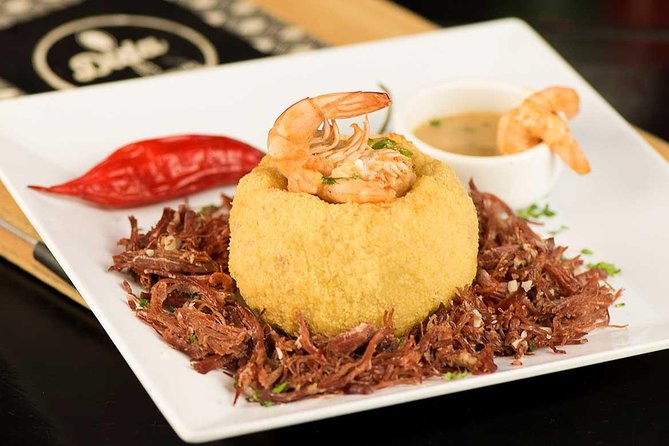
Pedra do Sal is a named stop in the tour, but the real story is the community behind it. You meet the remaining community tied to Quilombo Pedra do Sal, a place described as cultural resistance, with an ongoing role in preserving Afro-descendant heritage.
This stop is especially important because it gives you a present-tense connection. You are not only learning about survival in the past, you are seeing how people protect identity now, including through public celebration.
The tour experience here runs about three hours, and it’s split between food and music. That length makes sense because you need time for both to land. Read the area as a living culture, not a single viewpoint photo-op.
Afro-Brazilian and Yoruba Food Tastings: Religion in the Flavor
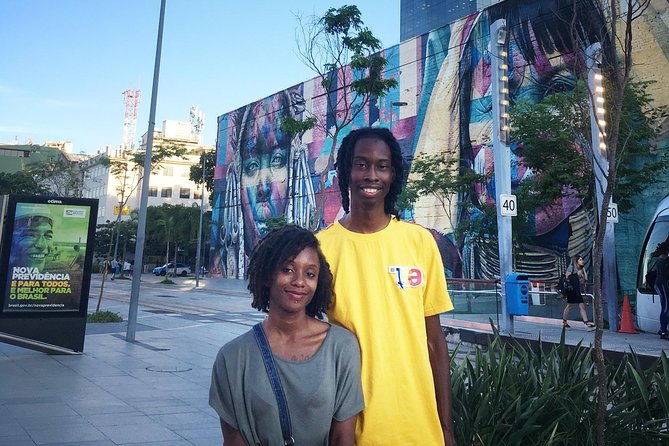
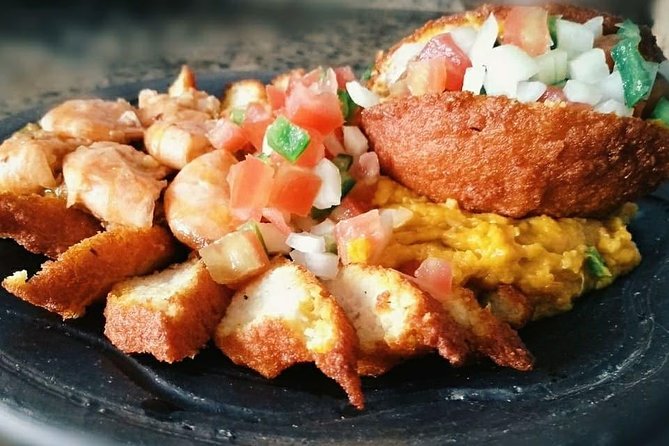
One of the biggest reasons this tour gets strong ratings is the food component. You get tastings of typical dishes of Afro-Brazilian and Yoruba cuisine, food that is described as common in the daily practice of religions of African origin.
This is practical too. You’ll taste flavors tied to identity, and you’ll get a sense of how belief systems show up at the table. It also tends to change how people think about Brazilian cuisine, because this is not the standard tourist menu.
The caution: drinks are not included. So if you want something to go with tastings, plan on buying it separately.
Also, remember the earlier note: the tour is not suitable for people with food restrictions. If that applies to you, it is better to choose another option where menu needs can be respected.
Percussion Workshop on Pedra do Sal: Music You Can Explain Later
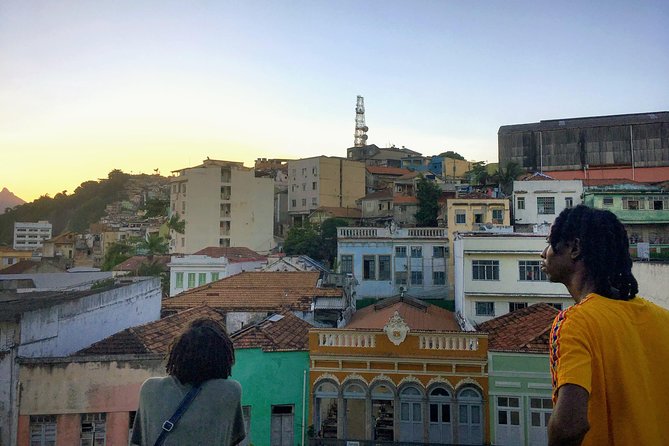
After tastings, you move into musicality with a percussion workshop. The workshop has an instructor and a drummer from the African continent, and the goal is to focus on African musical culture and its influence that continues to shape people’s lives today.
This is where the experience becomes hands-on in a way that feels respectful rather than performative. You are learning through sound, rhythm, and participation, which is a smart match for a culture that communicates through music.
If you like music, this part is the “I get it now” moment. If you do not think of yourself as a music person, it can still work, because rhythm is physical. You end up with a memory you can carry, not just notes you forget.
Largo de São Francisco da Prainha at Sunset: Samba, Funk, Jazz, Chorinho
Your final active stop is Largo de São Francisco da Prainha. It’s described as a place where history, music, and urban life line up, especially as the sun sets behind Morro da Conceição.
The tour highlights the sounds you might hear around the square, including samba, funk, jazz, and chorinho. The mood is relaxed, with outdoor seating and nearby bars offering cold beers and snacks, even though drinks are not included in the tour price.
This ending is short, around 15 minutes, so don’t treat it as a long sit-down. It’s more like a strong closing scene, letting the city’s present-day music energy match the day’s historical lessons.
Price and Value: What $110 Buys You in Rio
At $110 per person for about five hours, the value comes from what is actually included. You get Afro-Brazilian gastronomy tastings, plus IPN tickets. Other key stops are ticket-free based on the tour details.
That combination matters. If you were paying separately for museum entries and then also paying for a guided food and music session, the total would likely climb fast. Here, you’re getting a curated cultural route without adding a stack of paid admissions.
It also helps that the tour is private, meaning only your group participates. If you have family or friends traveling together, a private format can make the day feel less rushed and more personal.
Who This Tour Fits Best (And Who Might Want Something Else)
This works best for you if you want African heritage in Rio connected to specific places and practices, not just broad themes. You’ll likely enjoy it if you care about street art meaning, archaeology, and how Afro-Brazilian culture shows up in music and food.
It’s also a strong choice if you like guides who explain clearly and connect history to how people live now. The experience is built to make complex history easier to follow through real locations and cultural touchpoints.
The main mismatch is food needs. If you have food restrictions, the tour is not suitable. If that’s your situation, you’ll save yourself stress by choosing a different experience with more flexibility.
Quick Tips So the Day Feels Smooth
Plan for walking and time outdoors. Even though not every stop is long, you’ll be on your feet and moving between several different areas.
Bring a light layer, since Rio can shift with weather changes. The tour also requires good weather, so it’s worth checking forecasts.
If you drink coffee or have a low appetite, eat before the start. The tour focuses on tastings, not a full meal plan, and drinks are not included.
Should You Book African Heritage: Gastronomy and Musicality?
Book it if you want an African heritage tour that connects history to current culture through food, music, and place. The route covers major Rio landmarks tied to Afro-descendant history, from Morrinho at MAR to Pretos Novos, then finishes with practical, memorable participation at Pedra do Sal.
Skip or reconsider if food restrictions apply. The tastings are a core part of the experience, and the tour specifically notes it is not suitable for people with food restrictions.
If you’re deciding between a standard sightseeing day and a day with meaning, this is the kind that helps you read Rio differently after you leave.
FAQ
How long is the tour?
The experience lasts about 5 hours (approx.).
What time does the tour start?
It starts at 10:00 am.
Where do we meet?
You meet at Museu do Amanhã, Praça Mauá 1, Centro, Rio de Janeiro, RJ 20081-240.
Where does the tour end?
The tour ends at Largo de São Francisco da Prainha, Largo São Francisco da Prainha – Saúde, Rio de Janeiro, RJ 20081-270.
What costs are included in the price?
The price includes Afro-Brazilian gastronomy tasting and IPN tickets.
Are any admissions included or free?
The tour notes that Morrinho Project at MAR, IPN related tickets, Cais do Valongo, and Largo de São Francisco da Prainha have admission details listed as free, with IPN tickets included and Pedra do Sal workshop admission included.
Are drinks included?
No. Drinks are not included.
Is this tour private?
Yes. It is a private tour, with only your group participating.
Is it suitable for people with food restrictions?
No, it is not suitable for people with food restrictions.
Does the tour run in any weather?
It requires good weather. If it is canceled due to poor weather, you’ll be offered a different date or a full refund.
The Older Story of Rio de Janeiro
- Rio de Janeiro: Historic Rio and Santa Teresa Half-Day Tour
- Rio de Janeiro: Little Africa Heritage Walking Tour
- Explore Little Africa : Unveiling Afro Heritage in Rio de Janeiro
- Learn the History of Rio with an Unforgettable City Center Walking Tour
- Rio’s city walking tour: a glimpse of history and olympic legacy
More Tour Reviews in Rio de Janeiro
More Tour Reviews in Rio de Janeiro
Latest from our Rio de Janeiro notebook
- Unforgettable Boat Party★ 5.0 · 3 reviews
- Tijuca National Park and all its wonders!★ 5.0 · 3 reviews
- Rocinha Jeep Tour: A Journey into the Soul of the Favela!★ 3.8 · 3 reviews
- Rio: Favela Walking Tour of Rocinha with a Resident Guide★ 4.7 · 3 reviews
- Rio: Private, Custom express, Main Attractions!★ 5.0 · 3 reviews
- Rio: Museum of Tomorrow, Yup Star & Olympic Boulevard★ 3.7 · 3 reviews
Historical Tours, compared.
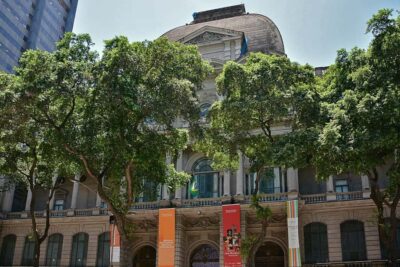 ★ 4.4Historic Rio and Santa Teresa Half-Day TourFrom $47228 reviews
 ★ 4.9Downtown Historical Bike TourFrom $85191 reviews
 ★ 4.0Scenic Train ride to historical cities of Morretes and AntoninaFrom $128188 reviews
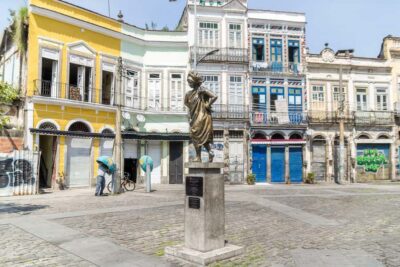 ★ 4.9Little Africa Heritage Walking TourFrom $40177 reviews
 ★ 4.4From Foz do Iguazu: Triple Frontier Landmark TicketFrom $24136 reviews
 ★ 5.0Explore Little Africa : Unveiling Afro Heritage in Rio de JaneiroFrom $8297 reviews
 ★ 4.8Historic Centre Walking Tour & Cachaça TastingFrom $1996 reviews
 ★ 5.0Downtown-Center History Walking Tour – in EnglishFrom $3191 reviews
Browse the lists this tour appears in