
REVIEW · RIO FAVELA TOURS
Favela Santa Marta: Walking Tour with local guide
A single neighborhood walk can change how you see Rio. This Favela Santa Marta tour takes you up by funicular, then through everyday streets with a local resident guide who explains what you’re seeing and why it matters.
I like that the route is structured, not random, with stops tied to arts, sports, and community spaces. I also like the focus on real people and real projects, including a stop at the Dona Marta arts center and the residents association.
The best part is also the main thing to plan for: this is not a sit-and-watch experience, so you need good shoes and you should expect some hills. If the Santa Marta Cable Car is closed, the day changes, with either a climb with your guide or a taxi option.
In This Review
- Key things to know before you go
- Why Favela Santa Marta is worth your time
- Funicular to the top, then a focused neighborhood walk
- Street art, the arts center, and the sports center
- Laje do Michael Jackson: the music-video viewpoint with real mountain air
- Community daycare when open, plus handicraft shops
- Residents association and social projects: where the tour turns practical
- Price and value: what you get for about $34
- Language options and what to check before you go
- What to bring, weather notes, and the cable car backup plan
- Who this tour suits best, and who should rethink it
- Should you book Favela Santa Marta Walking Tour?
- FAQ
- How long is the Favela Santa Marta walking tour?
- How much does it cost?
- What languages are available for the guide?
- What is included in the tour?
- What about food during the tour?
- Where is the tour meeting point?
- What should I bring?
- What happens if the Santa Marta Cable Car is not operating?
- Does the tour run in the rain?
- Is the tour suitable for people with mobility impairments?
Key things to know before you go
- Funicular start, big views fast: you get to the top quickly, then walk the neighborhood streets.
- Local resident guide: you’re learning from someone living the day-to-day reality.
- Community stops, not just murals: arts center, sports center, residents association, and social projects.
- Michael Jackson viewpoint: you’ll see Laje do Michael Jackson and the statue tied to They Don’t Care About Us.
- Project access depends on the day: the community daycare visit is only when it’s open.
- You’ll want cash: for souvenirs and to buy food or drink where available.
Favela walks we have run the numbers on
Why Favela Santa Marta is worth your time
Favela Santa Marta is one of those places where stereotypes can fall apart in minutes. You start seeing the community as a living, working neighborhood, not a headline or a checkbox on your list.
I like that the tour is built around clarity. Your guide walks you through history, daily life, and the purpose behind the projects you’ll visit, so the colorful houses and street art feel connected instead of random.
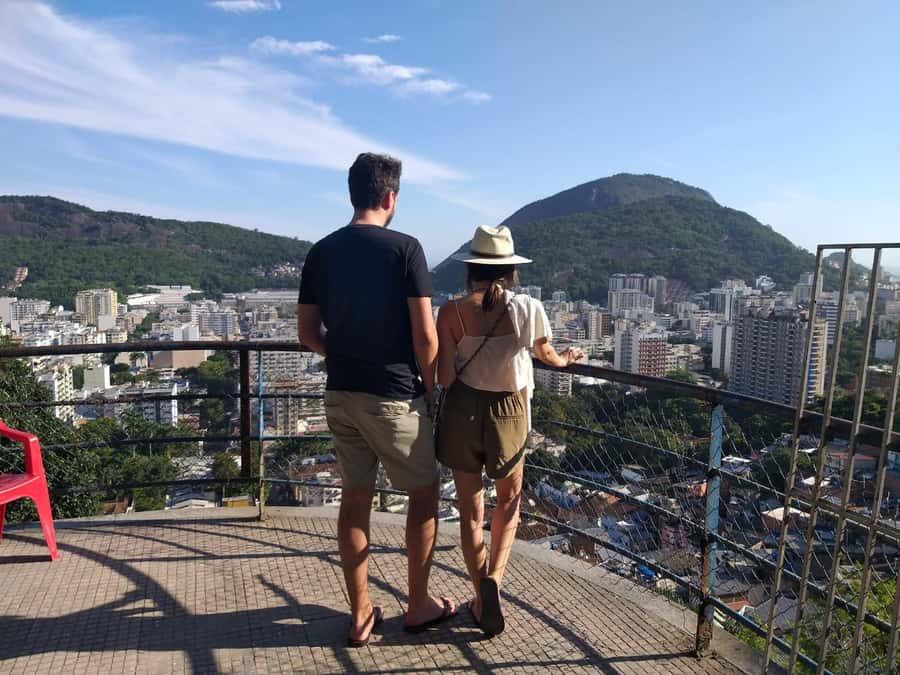
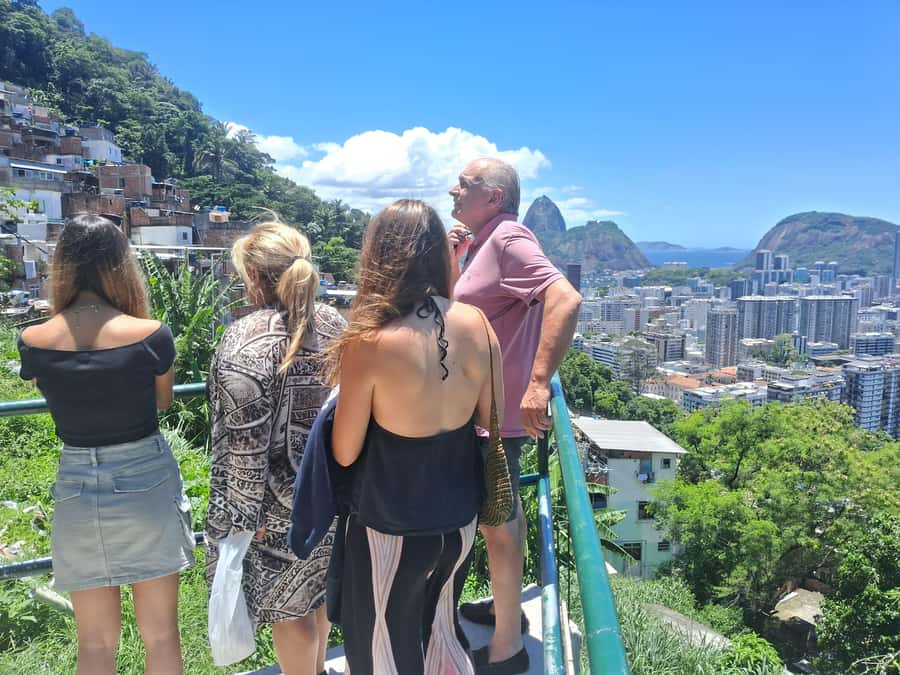
There’s also a practical bonus. You get mountain views from the Laje do Michael Jackson area, and the sightseeing works even if you’re only there for a short window.
Funicular to the top, then a focused neighborhood walk
The tour begins with a ride up the favela by funicular to the highest part. That matters more than it sounds. It saves your energy for the walking part and helps you start with the big picture, so the neighborhood layout makes sense as you go.
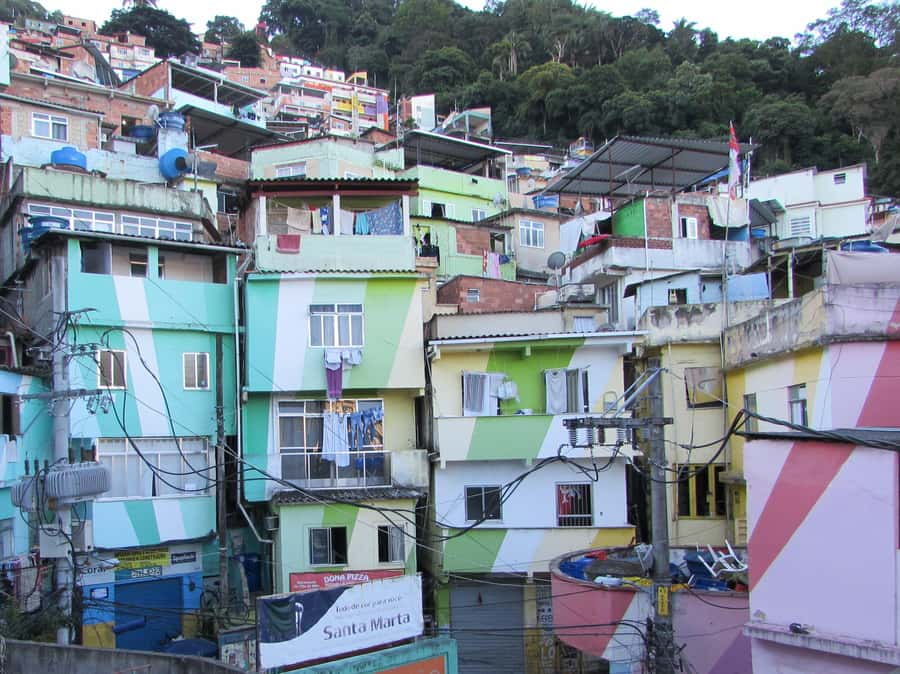
Once you’re up top, you shift into street-level storytelling. You’ll walk through colorful lanes while your guide explains the history behind the houses and the fact that around 8,000 residents call Dona Marta home. The goal here is simple: replace preconceived ideas with what you can see and hear in real time.
Along the way, you’ll also notice how the built environment supports community life. Traditional homes sit alongside educational efforts and public spaces, so the neighborhood doesn’t read as abandoned or isolated. It reads as organized, with people building opportunities where they can.
Keep in mind the tour is about 150 minutes. Plan for steady movement, not long pauses, and wear shoes you can trust on uneven streets.
Street art, the arts center, and the sports center
A big chunk of the experience is about creative and social spaces. You’ll visit the Dona Marta arts center, and you’ll also stop at a sports center. These aren’t random “look here” moments. They’re part of the story of why this neighborhood is more than housing.
Street art murals are part of the route too. It’s not just colorful walls for photos. Your guide ties murals to identity, community messaging, and local expression, so you end up understanding what the art is doing for people.
This section also tends to be the most emotional for many first-timers. You may notice how quickly the vibe shifts from what you expected to what’s actually happening on the street. I like that your guide gives context as you walk, so you’re not left guessing.
If you want a quick tip, it’s this: don’t treat the art as background. Ask your guide what you’re looking at while you’re standing there, because the explanation is part of the point.
Kept it on foot? So did these
- Sunrise and Sunrise Walk Two Brothers with Local Guide
★ 5.0 · 193 reviews - Rio de Janeiro: Little Africa Heritage Walking Tour
★ 4.9 · 177 reviews - Learn the History of Rio with an Unforgettable City Center Walking Tour
★ 5.0 · 82 reviews - Rio’s city walking tour: a glimpse of history and olympic legacy
★ 4.5 · 78 reviews - Walking tour of the bohemian neighborhoods of Santa Teresa and Lapa
★ 5.0 · 59 reviews
Laje do Michael Jackson: the music-video viewpoint with real mountain air
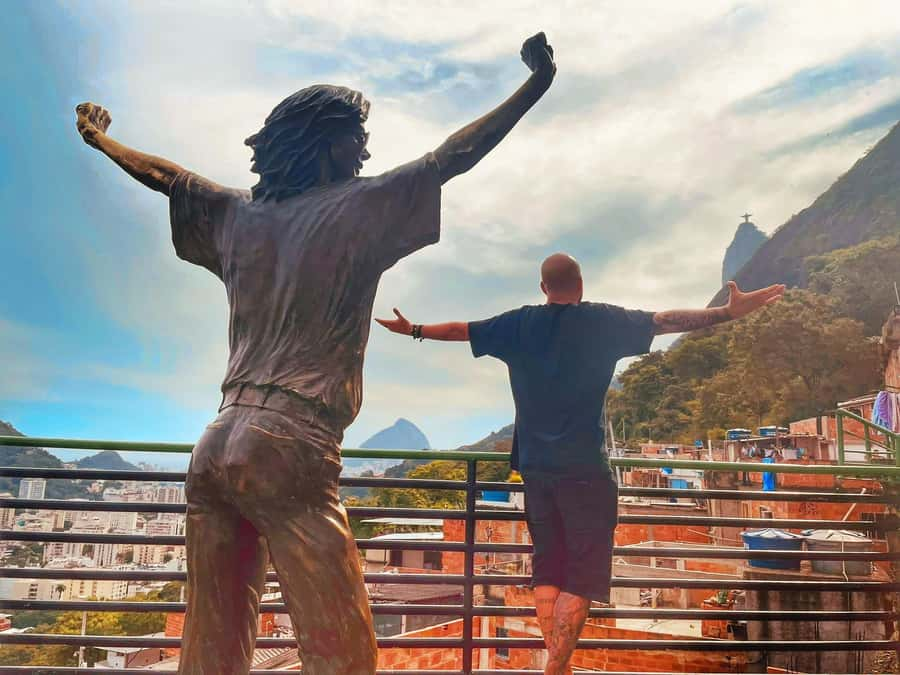
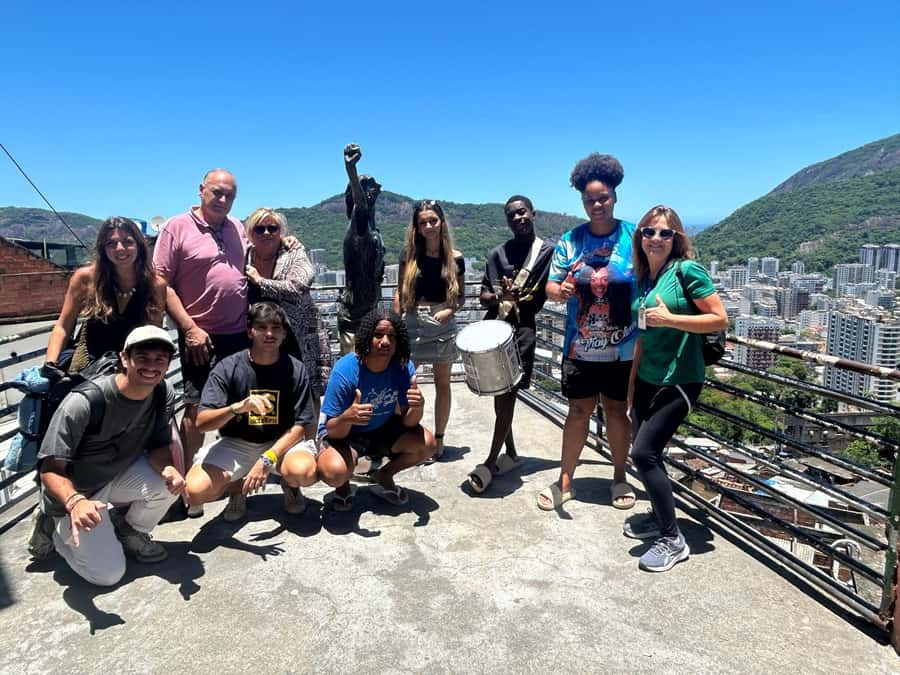
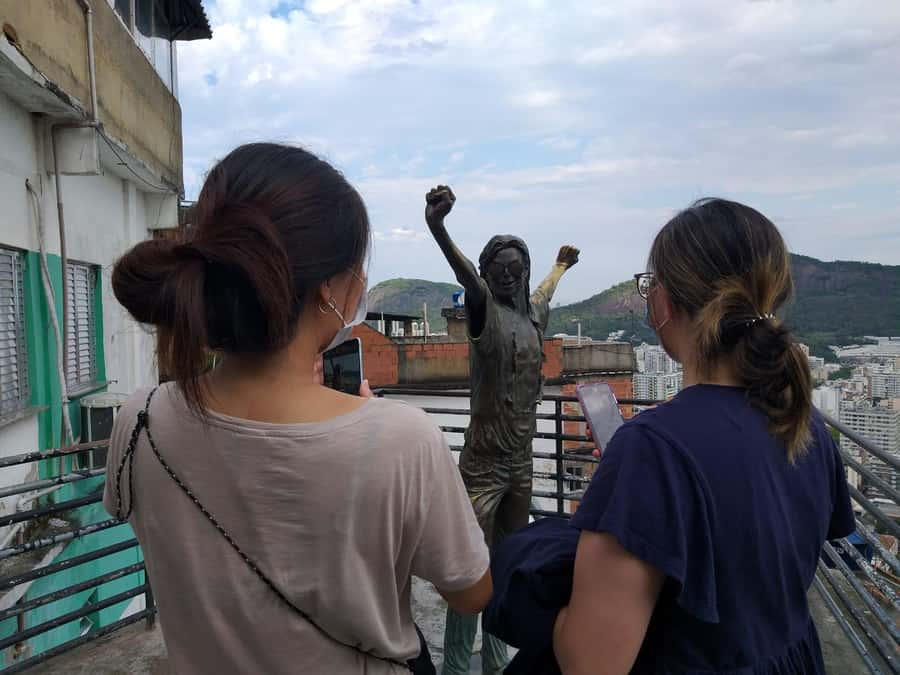
One of the most memorable stops is the Laje do Michael Jackson viewpoint. It’s famous for a statue of the American singer, and it also connects to the video for They Don’t Care About Us.
This stop works for two reasons. First, it gives you a clear visual landmark so you can remember the tour. Second, the viewpoint opens into wide mountain scenery across the region, which helps you understand why people chose this area and how the neighborhood fits into the hills.
It’s also a good moment to slow down. Even if you’re moving the whole tour, the viewpoint gives your feet a breather and your brain a pause to take everything in.
Since this is a viewpoint area, you’ll want to stay aware of where you step. Wear grippy shoes, and keep your phone away from the edge for the classic “one bad step” reasons.
Community daycare when open, plus handicraft shops
The tour includes a visit to community spaces like a daycare, but only when it’s open. That single detail changes the day, so don’t be surprised if the daycare stop isn’t available in every season or schedule.
You’ll also have time at handicraft shops. This is where you can support local makers directly, usually with small purchases rather than big souvenirs. It’s also a helpful way to interact beyond the walking route, because shop time often leads to simple conversations.
This is a good section for bringing cash. The tour doesn’t include food, and it also doesn’t include souvenirs. If you want snacks, drinks, or gifts, you’ll want some ready.
Residents association and social projects: where the tour turns practical
The residents association and social projects stop is where the experience becomes concrete. Instead of only seeing beauty on walls, you see how people organize services, activities, and support.
You’ll also get a sense of how educational projects work inside the neighborhood. This is often the part that surprises first-timers most, because it challenges the idea that favelas are only defined by problems. Here, you’ll see solutions created locally, with real rooms and real staff behind the scenes.
This part of the tour is valuable even if you’ve never been to a favela before. It gives you a framework to interpret what you’ve already seen while walking, which makes the whole 150 minutes feel like one connected story.
If you’re taking photos, do it thoughtfully. The focus is on people and community spaces, so keep it respectful and avoid blocking paths.
Price and value: what you get for about $34
At $34 per person for a 150-minute guided walk, this is priced like a small guided experience, not a half-day private excursion. For many people, that’s the sweet spot. You’re buying direction, translation help, and access to community stops you probably wouldn’t find on your own.
You also get several value add-ons:
- an official local resident guide
- visits to the Dona Marta arts center and sports center
- the Laje do Michael Jackson viewpoint
- residents association and social projects
- a community daycare visit when open
- handicraft shop time
- a group format that can be private or small (depending on option)
The most important “value” point is the guide. Reviews you may come across often mention strong guide ability in French, including a guide named Marco. That kind of language comfort matters because the tour is explanation-heavy, and you’ll get more from it if you can follow the story clearly.
One thing to consider: the tour is not designed for slow pacing. You’ll cover a fair bit of ground in a short time, so comfort and shoes are part of the value equation.
Language options and what to check before you go
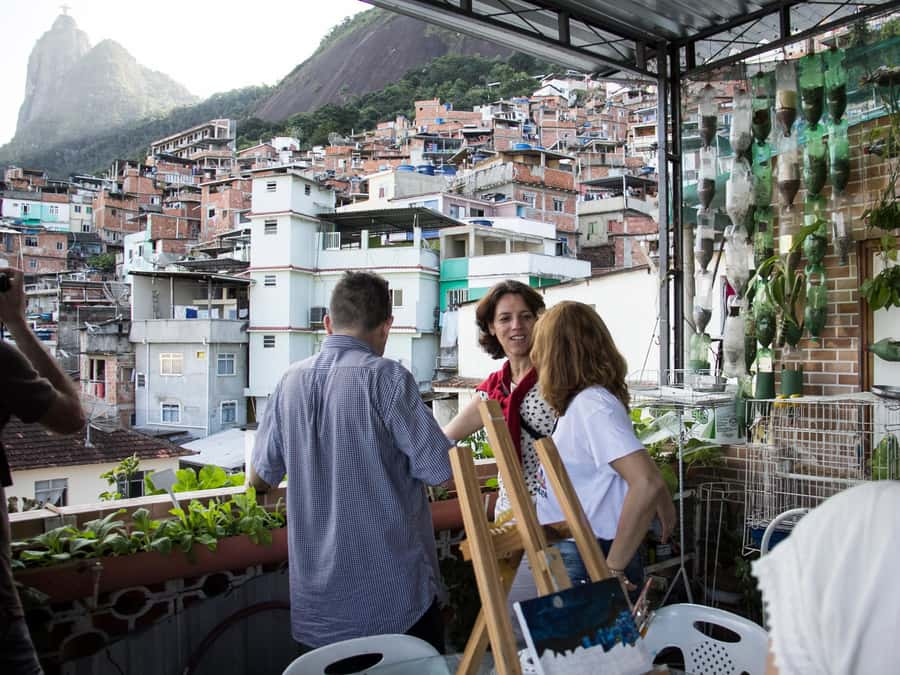
The tour is offered with a live guide in English, French, Spanish, and Portuguese. That’s great if you want the story in your own language instead of piecing it together.
Before you book, it’s smart to confirm the language you want is the language your guide will actually speak. Sometimes tours can shift due to guide assignment, and if you booked French but your guide only speaks a little, the experience can feel thin.
Also, keep in mind start times can vary by option and meeting point. Your meeting point may change depending on what you booked, so arrive early and double-check your exact location instructions the day of.
What to bring, weather notes, and the cable car backup plan
Bring an ID card or passport. You’ll also want comfortable shoes, because this is a walking tour on neighborhood streets, not flat sidewalks.
Cash is a must. The tour includes community visits and local stops, but it does not include food. There’s a pub where you can buy your own food and drink, and you may also want cash for souvenirs and handicrafts.
Weather is also part of the planning. The tour can take place in light rain, so dress accordingly. A light drizzle can still make streets slippery, and the hill walking will feel harder if you’re under-dressed.
Here’s the key logistics detail. If the Santa Marta Cable Car is not operating on the day of your tour, you’ll have to walk to the top accompanied by your guide. Alternatively, you can take a taxi for about R$15. That is worth factoring into your schedule and energy level.
Who this tour suits best, and who should rethink it
This tour fits best if you want a structured look at real community life, with context from a local resident guide. It’s also a good match if you care about street art, viewpoints, and learning how social projects show up in day-to-day spaces.
It may not be right for people with mobility impairments. The itinerary is walking-based and includes a climb if the funicular is unavailable.
If you’re traveling with a teen or an adult who’s curious, this tour can be a strong education moment without feeling like a classroom. The explanation is tied directly to what you see, and the viewpoint stop gives you a classic Rio-style “wow” moment.
If you need a fully wheelchair-friendly or very low-mobility experience, plan a different activity.
Should you book Favela Santa Marta Walking Tour?
I think you should book this tour if you want more than a quick photo stop. The mix of arts center, sports center, murals, residents association, handicrafts, and the Laje do Michael Jackson viewpoint makes it feel like a complete neighborhood experience in about 150 minutes.
I would only skip it if you know you cannot handle hills or uneven walking, or if you strongly prefer a strict schedule with minimal variation. The day can change if certain places like the community daycare are closed, and if the cable car is not operating you’ll need to adjust to the walking alternative or use a taxi.
If you’re open to learning from a guide and you show up with comfortable shoes and some cash in your pocket, this is a solid use of time in Rio. It gives you real context, not just scenery.
FAQ
How long is the Favela Santa Marta walking tour?
The tour lasts about 150 minutes.
How much does it cost?
The price is listed as $34 per person.
What languages are available for the guide?
The tour is offered with a live guide in English, French, Spanish, and Portuguese.
What is included in the tour?
You get a favela walking tour with a local resident guide, visits to the Dona Marta arts center and sports center, time at the residents association and social projects, and a community daycare visit when open. It also includes handicraft shops.
What about food during the tour?
Food is not included. There is a pub where you can buy your own food and drinks.
Where is the tour meeting point?
The meeting point may vary depending on the option you book.
What should I bring?
Bring a passport or ID card, comfortable shoes, and cash.
What happens if the Santa Marta Cable Car is not operating?
If it is not operating, you will walk to the top with your guide. As an alternative, you can take a taxi for about R$15.
Does the tour run in the rain?
It can take place in light rain, so dress accordingly.
Is the tour suitable for people with mobility impairments?
No, it is not suitable for people with mobility impairments.
More Tour Reviews in Rio De Janeiro
Favela Tours We Rated Higher
More Tour Reviews in Rio De Janeiro
Latest from our Rio De Janeiro notebook
- Unforgettable Boat Party★ 5.0 · 3 reviews
- Tijuca National Park and all its wonders!★ 5.0 · 3 reviews
- Rocinha Jeep Tour: A Journey into the Soul of the Favela!★ 3.8 · 3 reviews
- Rio: Favela Walking Tour of Rocinha with a Resident Guide★ 4.7 · 3 reviews
- Rio: Private, Custom express, Main Attractions!★ 5.0 · 3 reviews
- Rio: Museum of Tomorrow, Yup Star & Olympic Boulevard★ 3.7 · 3 reviews
Rio Favela Tours, compared.
 ★ 4.8Rocinha Favela Walking Tour with Local GuideFrom $363,052 reviews
 ★ 4.7Half-Day Rocinha Favela Walking TourFrom $352,272 reviews
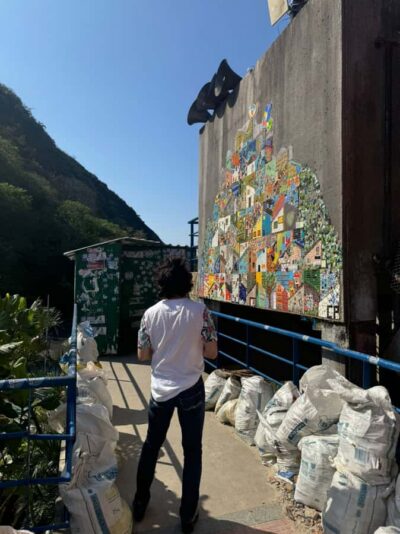 ★ 4.9Favela Santa Marta Top Tour with Local GuideFrom $28488 reviews
 ★ 4.6Favela Santa Marta Tour with Resident GuideFrom $27220 reviews
 ★ 4.7Favela Rocinha Tour with Local Guide & Secret SpotsFrom $43218 reviews
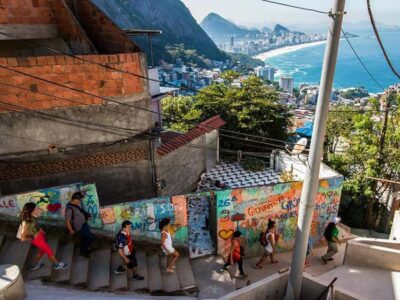 ★ 4.5Vidigal Favela Tour and Two Brothers HikeFrom $88121 reviews
 ★ 4.5Favela Tour The Original, Rocinha & Vila Canoas since 1992From $33113 reviews
 ★ 5.02h30 circuit in the Vidigal FavelaFrom $5088 reviews
Browse the lists this tour appears in