
REVIEW · HISTORICAL TOURS
Rio Culture and History through the Art of Traditional Foods
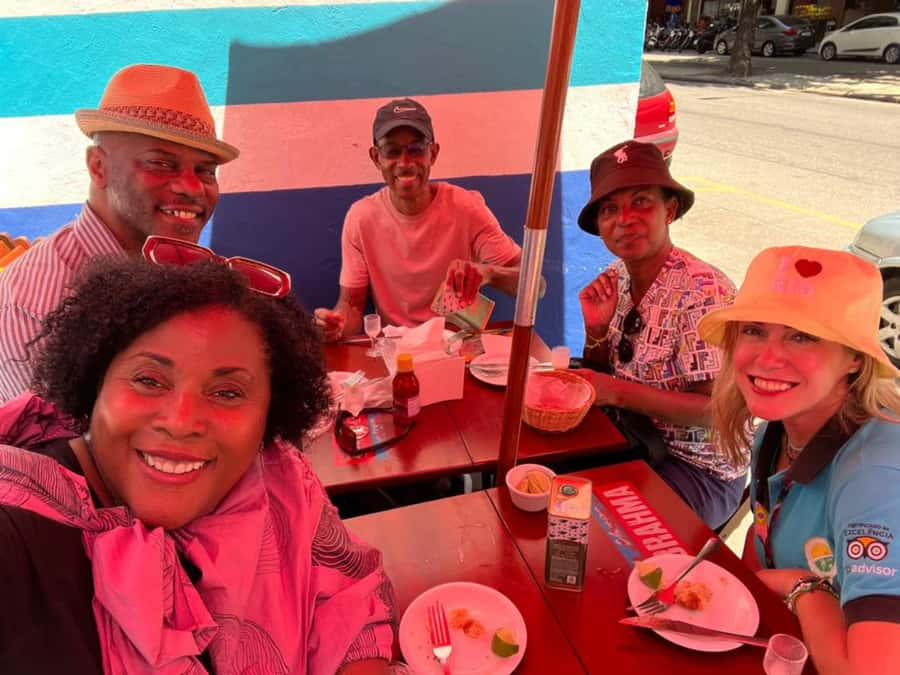
Food turns Rio streets into a story. This 6-hour tour threads Rio de Janeiro food history through Santa Teresa and Lapa, using tastings as your guide to how people really eat and celebrate. I like that the route mixes real neighborhoods with major landmarks, not just restaurant hopping.
Two things I really appreciate are the lineup of traditional foods you sample (from pão de queijo and coxinha to regional staples like açai and tapioca) and the tram ride over the Lapa Arches aqueduct for city views. One consideration: it is a guided walking tour with outdoor time, plus tastings and drinks, so you should plan your energy and appetite accordingly.
In This Review
- Key things that make this tour worth your time
- Rio Culture and History through the Art of Traditional Foods, the big idea
- Timing and pacing, what 6 hours feels like
- The Colombo confectionery stop, where the tour turns seriously delicious
- What you taste along the way, classic bites plus local staples
- Drinks with history, cachaça and local beer tasting flow
- The tram ride over the Lapa Arches aqueduct, plus Ruinas Park views
- Santa Teresa and Lapa, food culture inside real neighborhoods
- Local guides you will actually learn from, Camila and Romanye
- Price and value, is $198 reasonable for what you get?
- Who this tour is best for
- Should you book this tour?
- FAQ
- What is the duration of the tour?
- Where does the tour take place?
- What time does the tour depart?
- What is included in the price?
- What foods and drinks will I taste?
- What should I bring, and is anything not allowed?
Key things that make this tour worth your time
- Food-first storytelling that connects ingredients like tapioca and manioc flour to everyday Rio culture
- Colombo confectionery stop for both sweet and salty snacks you would not easily find on your own
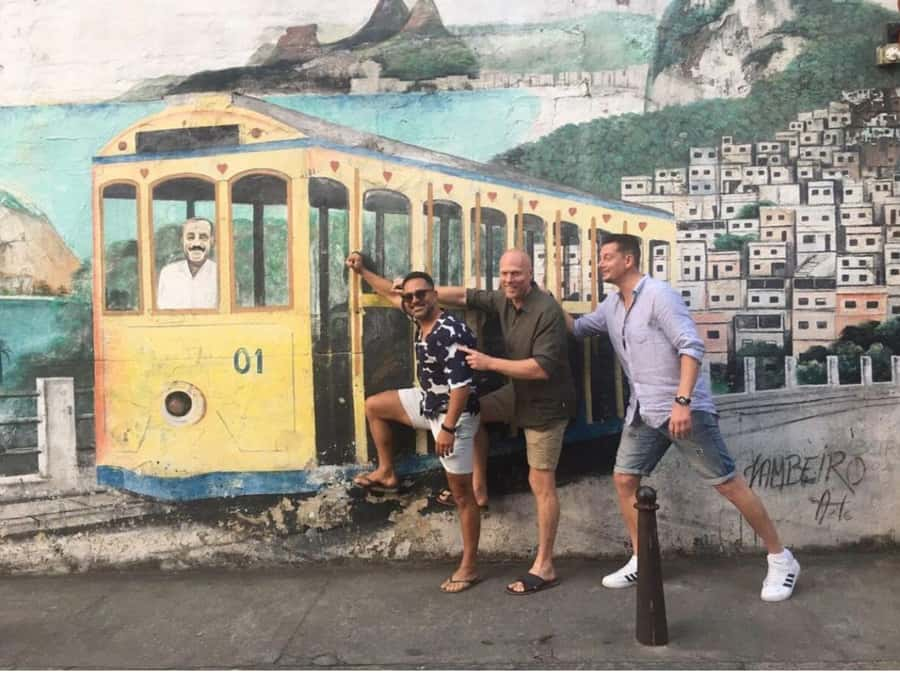
- Tram ride with views over the Lapa Arches aqueduct, plus passing Ruinas Park
- Alcohol included in the tasting flow, like local beer and cachaça (and sometimes caipirinhas)
- Top guides with strong local relationships, including Camila and Romanye, who can get you treated like VIP
Older stories from Rio De Janeiro

Rio Culture and History through the Art of Traditional Foods, the big idea
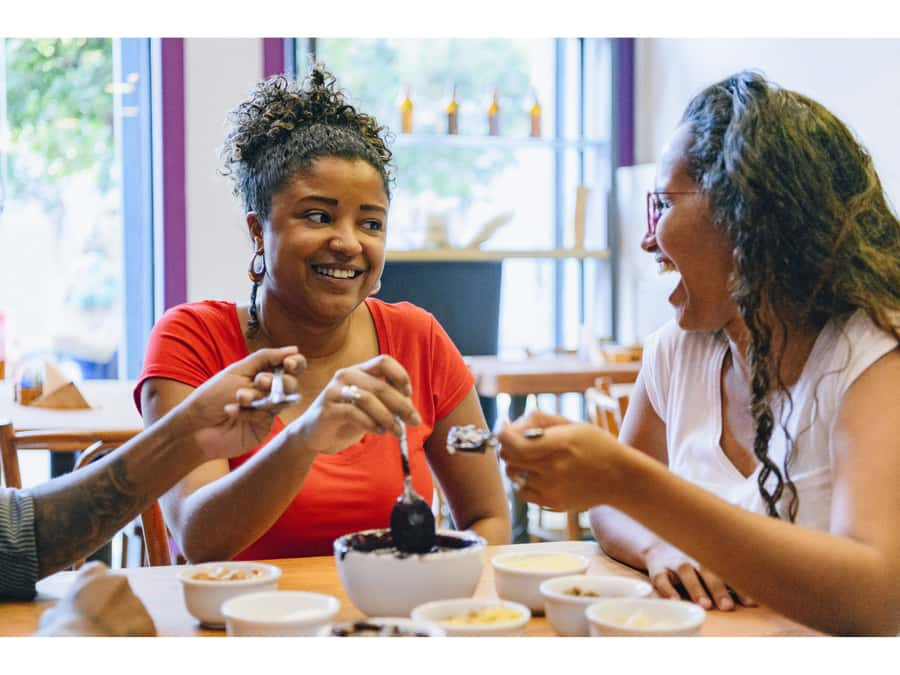
This is not a generic sampler menu. The point is to understand how Rio’s food traditions formed, then see how those traditions show up in the neighborhoods you walk through. You start in downtown and work your way toward Santa Teresa, pairing bites with context as you go.
Santa Teresa and Lapa are a strong match for this theme. They feel like separate sides of Rio, even though they connect in one smooth route. Lapa gives you that artsy, nightlife energy. Santa Teresa brings hills, old-town vibes, and that “this neighborhood has its own personality” feeling. When the guide explains the background behind what you are tasting, the streets stop being scenery and start being a living classroom.
Timing and pacing, what 6 hours feels like
The tour checks in at 10:30 a.m. and departs at 10:45 a.m. You are out for about 6 hours, and the walking distance is around 1 mile, which fits most fitness levels. Even so, you will likely do some standing, queueing, and short strolls between stops, especially around popular food counters.
Bring sunglasses and a sun hat. Comfortable clothes help more than you think, because the schedule includes outdoor walking plus a tram ride and sightseeing viewpoints. Also, pack light: luggage or large bags are not allowed.
If you like to travel with a full plan, this one works because it has a clear arc from downtown energy toward Santa Teresa views, with scheduled tastings along the way. If you prefer slow and spontaneous, you might feel the structure, but the food stops keep the pace from feeling like a lecture.
The Colombo confectionery stop, where the tour turns seriously delicious
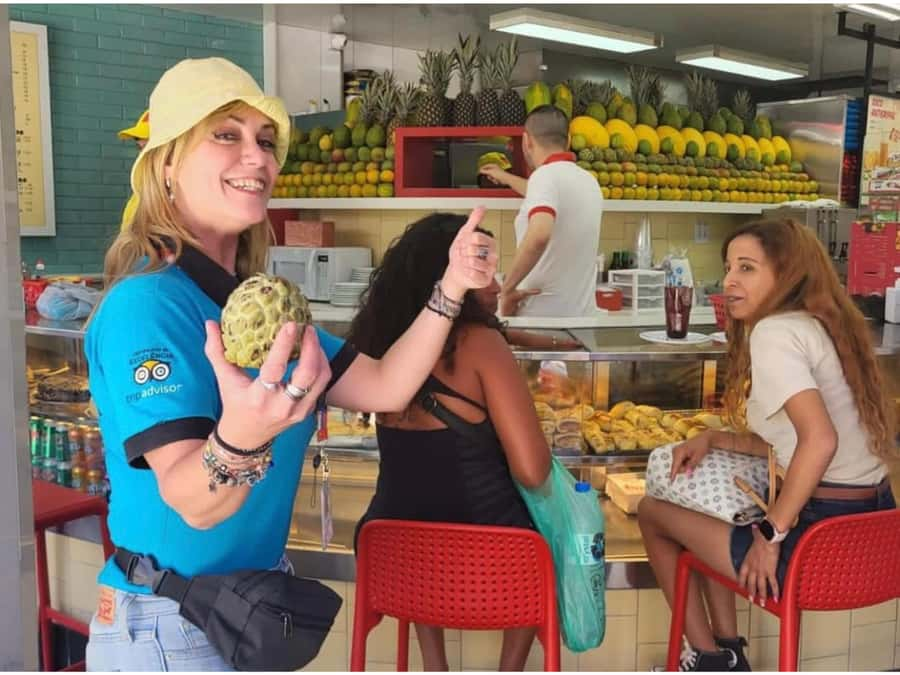
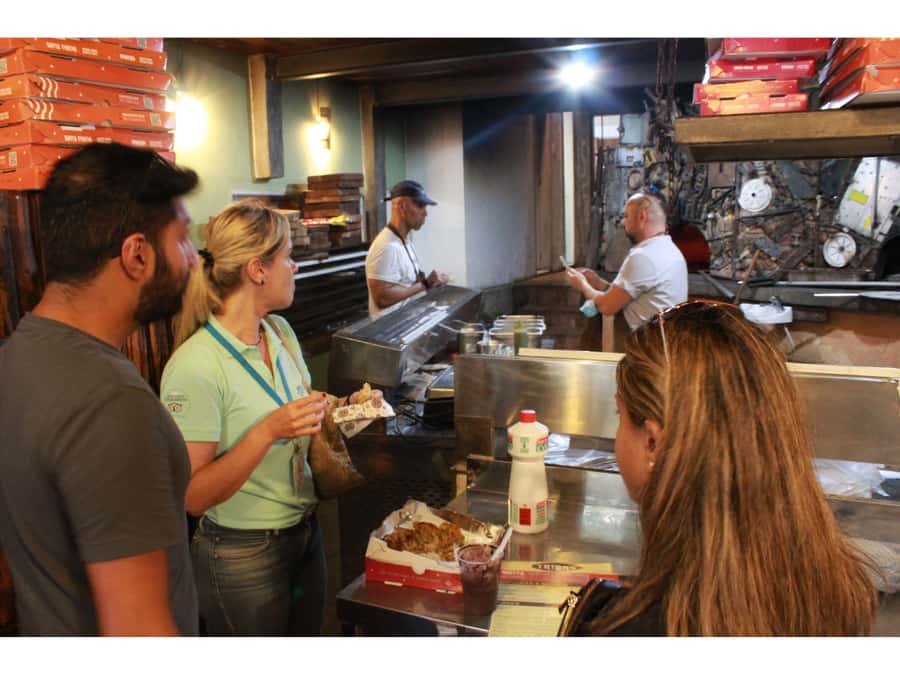
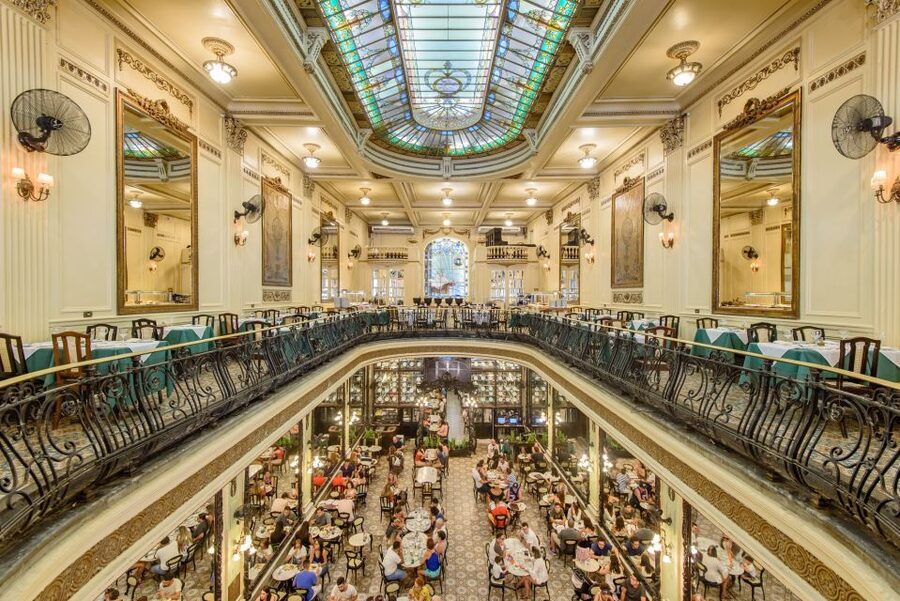
One of the most specific highlights is time at the renowned Colombo confectionery. The key word here is variety. You are not just there for one dessert. The tour is designed to make you hunt for flavors, textures, and contrasts, moving between sweets and salty snacks.
That matters because Brazilian snack culture is built on contrast. You often get creamy, fried, doughy, and chewy things next to bright, fruity flavors and sweet treats. Having a guide lead you through that rhythm means you taste with purpose, not just for volume.
Also, this kind of stop is where you learn small details that you would miss if you ordered solo. You get a sense of what locals go for, when they buy it, and how these sweets fit into daily life.
- Rio de Janeiro: 6-Stop Highlights of Rio with Lunch
★ 4.4 · 5,157 reviews - Christ the Redeemer Entry Ticket by Corcovado Train
★ 4.4 · 4,476 reviews - Rio de Janeiro: Rocinha Favela Walking Tour with Local Guide
★ 4.8 · 3,052 reviews - Rio: Christ the Redeemer, Sugarloaf, Selaron & BBQ Lunch
★ 4.5 · 2,428 reviews - Rio De Janeiro: Half-Day Rocinha Favela Walking Tour
★ 4.7 · 2,272 reviews
What you taste along the way, classic bites plus local staples
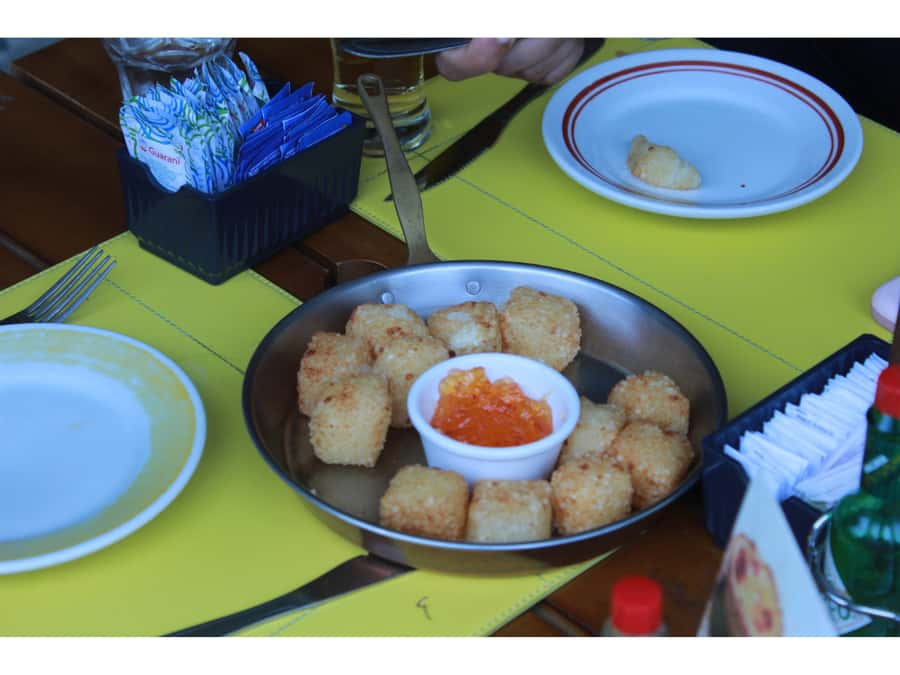
This tour is packed with recognizable Brazilian comfort foods, and it does a good job mixing “famous” with “ingredient-driven” choices.
Expect traditional items like pão de queijo and coxinha. You may also find crispy fried bites such as bacalao fritters. The important part is that these foods are more than tasty snacks. They show you how Brazilian cuisine uses simple ingredients, strong technique, and a lot of texture to build flavor quickly.
You will also taste staples that anchor the food story to the land. The tour specifically points to ingredients like açai, tapioca, and manioc flour. That ingredient focus changes how you think about the meal. Instead of seeing each item as random, you start noticing patterns, like how manioc based flour shows up in different forms and how tapioca plays well with both sweet and savory directions.
And since the guide is local, you get context around family traditions behind the food locales you visit. In at least one guide-led version of the tour, there is also a homemade sweet surprise like brigadeiros. Don’t assume it is guaranteed every day, but it fits the overall vibe of personal, community-centered food experiences.
Drinks with history, cachaça and local beer tasting flow
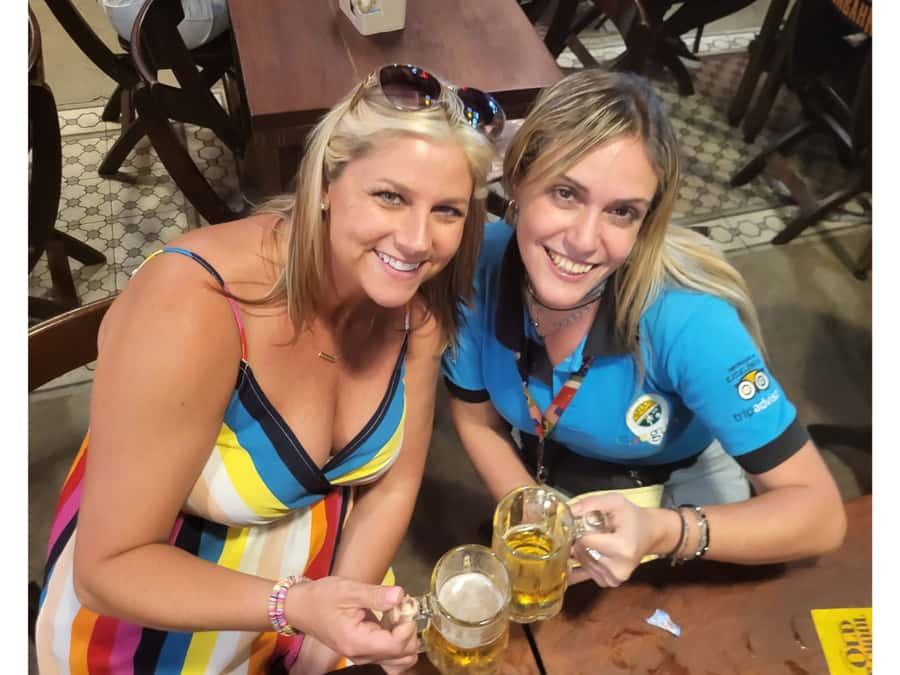
Food is the core, but the drink segment is not an afterthought. The tour includes local beer and cachaça, and it is framed as part of Rio’s cultural story, not just alcohol for adults.
This is a smart pairing. Cachaça and beer fit naturally into the snack-and-sips style of Brazilian food culture. When your guide talks about family traditions tied to the places you visit, the drinks help you connect what you taste to what people do socially.
One review specifically highlights caipirinhas, so you might see cocktails show up depending on the exact stop sequence. Either way, plan to pace yourself. With a full 6-hour schedule and multiple tastings, you do not want to overshoot early and then be stuck feeling off later.
The tram ride over the Lapa Arches aqueduct, plus Ruinas Park views
After food stops, the tour adds a transport moment that is actually useful. You hop on a charming tram ride that goes over the Lapa Arches aqueduct, passing by Ruinas Park.
This matters for two reasons. First, it breaks up the walking so the day does not feel like a nonstop food sprint. Second, it gives you perspective. The route is designed to shift you from downtown sights toward Santa Teresa, and the ride includes panoramic views that help you understand where you are in the city.
If you are the type who likes to look up and get your bearings, you will enjoy the viewpoint moment. Even if you have seen Rio from photos before, tram views of the city feel more grounded because you can track how neighborhoods connect across hills and slopes.
Santa Teresa and Lapa, food culture inside real neighborhoods
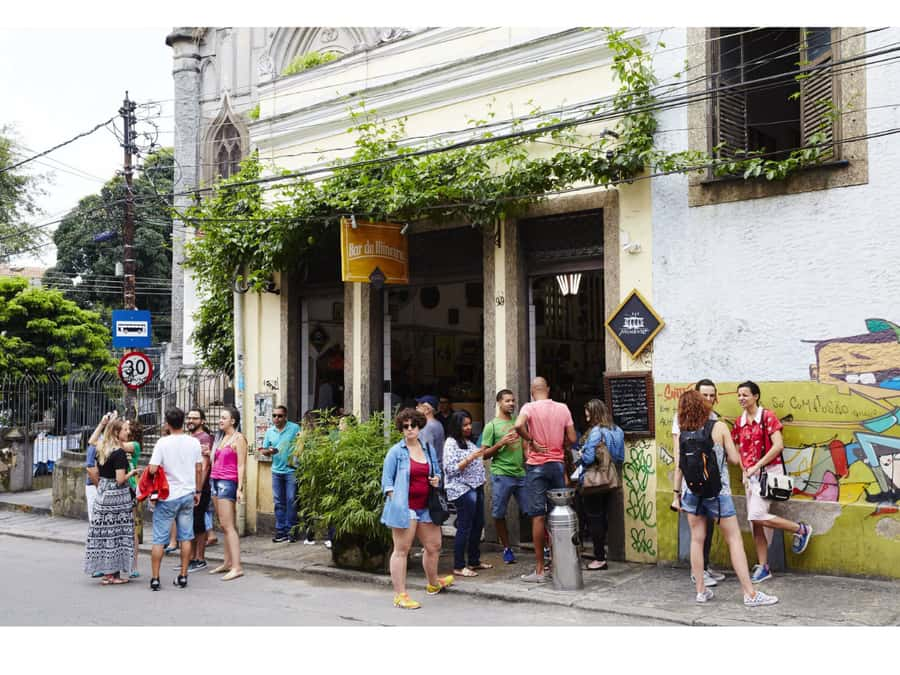
The tour is not only about what is on the plate. It is also about where that food belongs. Santa Teresa and Lapa each bring different energy, and you see that through the kinds of places the guide chooses.
Santa Teresa is associated with creativity, hills, and that older neighborhood feel. Lapa is known for its dining and bar scene, and it is visually expressive. As you move between stops, you get the sense that Rio’s food culture is social. People eat where they gather, and those places become part of the story your guide is telling.
A strong feature here is that your guide can point out the human side. In one version of the experience, Romanye built strong connections with staff at the stops, which translated into a more VIP-style welcome. Even if you do not get the exact same level of extra attention every time, the takeaway is clear: these guides tend to know how to make the experience feel personal.
Local guides you will actually learn from, Camila and Romanye
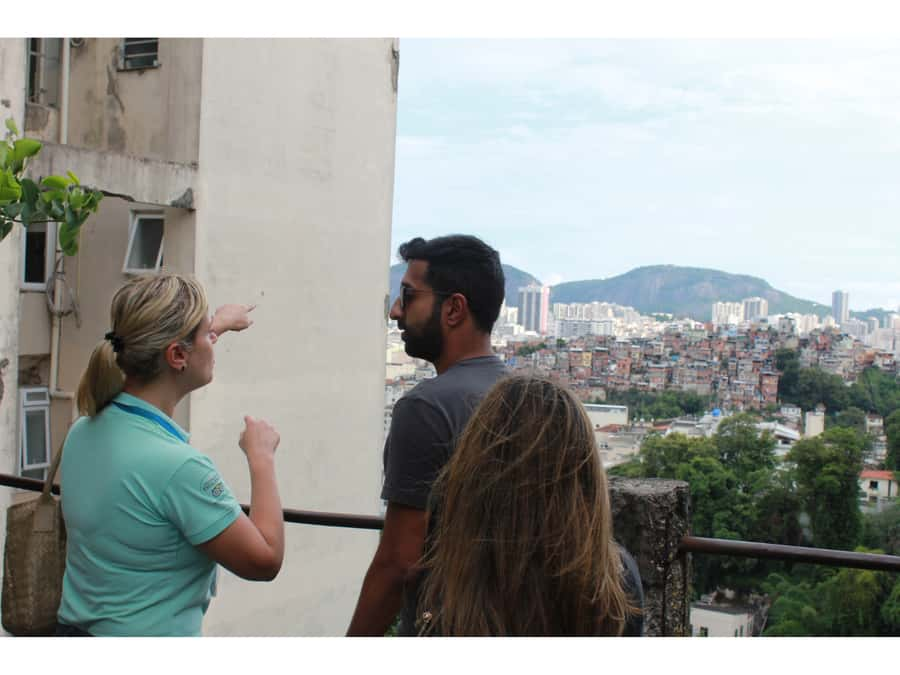
This tour often runs with guides like Camila and Romanye, and the difference shows in pacing and storytelling. The best food guides do more than list ingredients. They connect the bite to a reason people return to that place.
In the materials you provided, Camila is described as personable and passionate about Brazilian food and history, and there is mention of guides showing additional local hangouts and details you would probably miss. Romanye is described as energetic, attentive, and especially good at storytelling, keeping the group engaged while still moving through multiple stops in a smooth 6-hour plan.
Language options include English and Spanish with a live guide, which helps because food history gets more meaningful when you can ask questions mid-route.
Price and value, is $198 reasonable for what you get?
At $198 per person for a 6-hour tour, you are paying for more than food. You are paying for:
- A professional guide who connects tastings to history and family traditions
- Tastings and food samples across multiple specialty stops, including a confectionery like Colombo
- A tram ticket plus entrance fees
- A guided walking format that reduces guesswork about what to choose and where to go
If you were to build this day yourself, you would likely spend money on fewer stops, and you might still miss context. The value here is the structure. The tour makes sure you hit iconic Brazilian items and also ingredient-based food themes like tapioca and manioc flour.
That said, if you are the kind of traveler who wants complete control over every choice and you already know exactly what you want to eat, you might feel boxed in by the schedule. For most people though, the price matches a day that mixes transportation, guided expertise, and multiple paid inclusions.
Who this tour is best for
This is a great fit if you:
- Want food history tied to real neighborhoods, not just a list of dishes
- Like walking and small sights, plus one highlight view moment from the tram ride
- Enjoy meeting a guide who can explain the why behind the what
- Prefer a planned tasting day where you get variety and context
It also works well if you are visiting for the first time and want a guided way to understand Rio’s food culture quickly.
Should you book this tour?
Book it if you want a well-paced day where you eat your way through Rio’s traditions and also see Santa Teresa and Lapa in context. The tastings are the headline, but the tram ride over the Lapa Arches aqueduct and the panoramic stop viewpoints make it more than a food crawl.
Skip it or adjust expectations if you:
- Dislike tours that include multiple tastings and drinks in a set itinerary
- Prefer to travel at a slower pace and do fewer structured stops
If you can handle a morning start at 10:45 a.m., bring sun protection, and come hungry with curiosity, this one is a strong way to experience Rio through the lens of traditional Brazilian food and the stories behind it.
FAQ
What is the duration of the tour?
The tour lasts 6 hours.
Where does the tour take place?
It focuses on the Southeast Region of Brazil, specifically Rio de Janeiro, with visits in the Santa Teresa and Lapa neighborhoods.
What time does the tour depart?
Check-in is at 10:30 a.m., and the tour departs at 10:45 a.m.
What is included in the price?
The tour includes a professional guide, tastings and food samples, a tram ticket, entrance fees, and the walking tour.
What foods and drinks will I taste?
The tour includes samples such as pão de queijo and coxinha, along with sweets and snacks at Colombo confectionery. You can also expect regional ingredients like açai, tapioca, and manioc flour, plus drinks including cachaça and local beer.
What should I bring, and is anything not allowed?
Bring sunglasses, a sun hat, and comfortable outdoor clothing. Luggage or large bags are not allowed.
The Older Story of Rio De Janeiro
- Rio de Janeiro: Historic Rio and Santa Teresa Half-Day Tour
- Rio de Janeiro: Little Africa Heritage Walking Tour
- Explore Little Africa : Unveiling Afro Heritage in Rio de Janeiro
- Learn the History of Rio with an Unforgettable City Center Walking Tour
- Rio’s city walking tour: a glimpse of history and olympic legacy
More Tour Reviews in Rio De Janeiro
More Tour Reviews in Rio De Janeiro
Latest from our Rio De Janeiro notebook
- Unforgettable Boat Party★ 5.0 · 3 reviews
- Tijuca National Park and all its wonders!★ 5.0 · 3 reviews
- Rocinha Jeep Tour: A Journey into the Soul of the Favela!★ 3.8 · 3 reviews
- Rio: Favela Walking Tour of Rocinha with a Resident Guide★ 4.7 · 3 reviews
- Rio: Private, Custom express, Main Attractions!★ 5.0 · 3 reviews
- Rio: Museum of Tomorrow, Yup Star & Olympic Boulevard★ 3.7 · 3 reviews
Historical Tours, compared.
 ★ 4.4Historic Rio and Santa Teresa Half-Day TourFrom $47228 reviews
 ★ 4.9Downtown Historical Bike TourFrom $85191 reviews
 ★ 4.0Scenic Train ride to historical cities of Morretes and AntoninaFrom $128188 reviews
 ★ 4.9Little Africa Heritage Walking TourFrom $40177 reviews
 ★ 4.4From Foz do Iguazu: Triple Frontier Landmark TicketFrom $24136 reviews
 ★ 5.0Explore Little Africa : Unveiling Afro Heritage in Rio de JaneiroFrom $8297 reviews
 ★ 4.8Historic Centre Walking Tour & Cachaça TastingFrom $1996 reviews
 ★ 5.0Downtown-Center History Walking Tour – in EnglishFrom $3191 reviews
Browse the lists this tour appears in