
REVIEW · HISTORICAL TOURS
Rio de Janeiro: Afrobrazilian Heritage & Black History Walk
Valongo Warf changes how you see Rio. This 150-minute walk connects the transatlantic slave trade to living Afrobrazilian culture, with stops tied to Valongo Warf UNESCO. I love that the guide brings firsthand context as an expert from Rio, sharing well-researched history with care.
You’ll also get to spend real time at Pedra do Sal, linked to samba origins and Little Africa. I love the mix of downtown landmarks plus faith and music, including how Candomblé and Umbanda grew and mixed with Christianity. One thing to consider, the tour runs rain or shine, so bring proper rain gear.
In This Review
- Key moments that make this walk worth your time
- Why Valongo Warf and Little Africa connect so well
- Meeting at MAR Museum, then walking into the heart of downtown
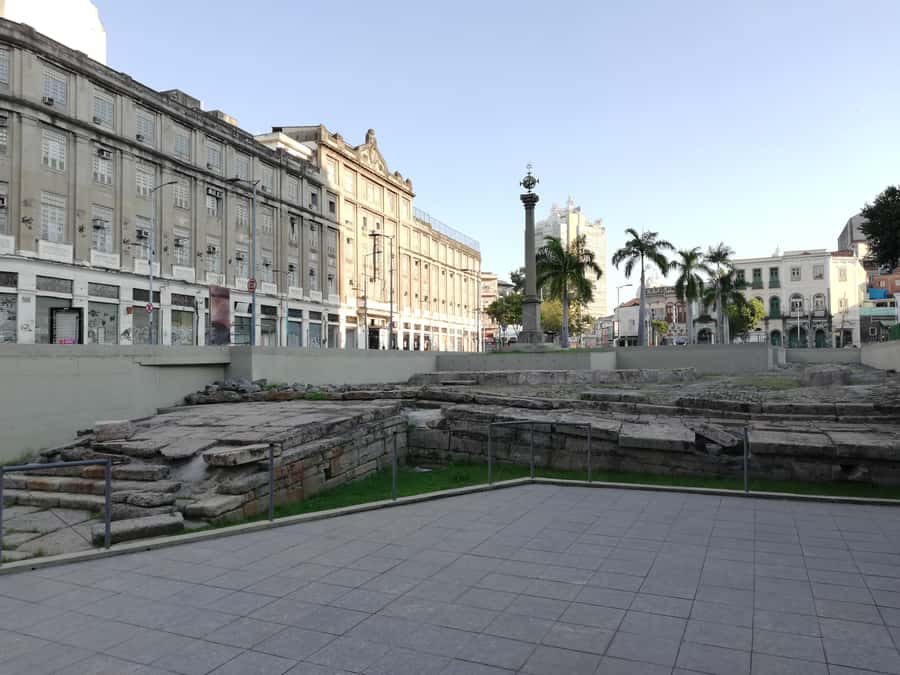
- Cais do Valongo and the UNESCO memory site
- Largo São Francisco da Prainha and downtown clues you can actually see
- Pedra do Sal: samba origins, Little Africa, and the “rodas” you can follow
- Afro-Brazilian religions: Candomblé, Umbanda, and syncretism made understandable
- What the guide quality actually changes in your experience
- Price and value: $64 for 150 minutes, what that buys you
- Who should book this tour, and who should skip it
- Should you book Rio Encantos Experiences’ Black Heritage Walk?
- FAQ
- How long is the tour?
- Where do I meet the guide?
- What languages are available?
- Is the tour rain or shine?
- What’s included and not included?
- Is the tour wheelchair accessible?
Key moments that make this walk worth your time
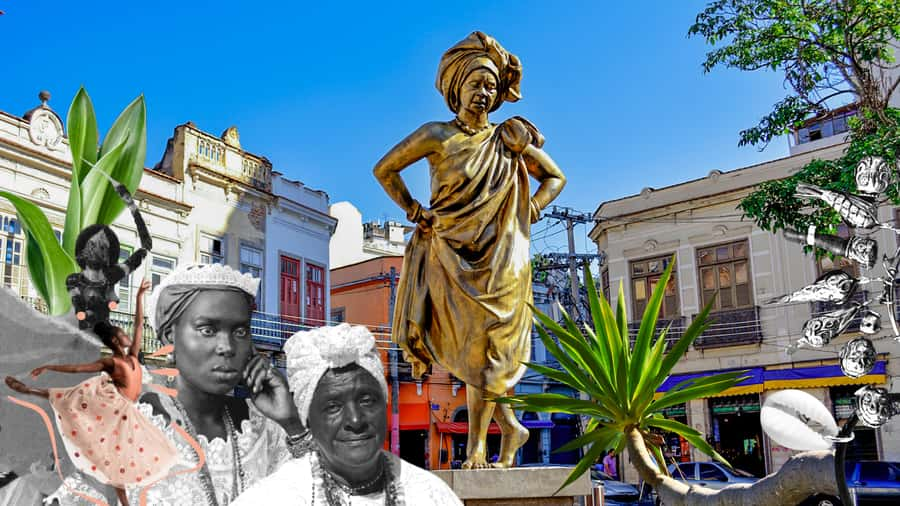
- Valongo Warf UNESCO: the place that records the arrival and sale of millions through the Atlantic slave trade
- Pedra do Sal, Little Africa: samba roots, plus the ongoing tradition of rodas de sambas each week
- Afro-Brazilian religions explained: Candomblé and Umbanda origins, and their syncretism with Christian practice
- Orishas and nature spirits: African-derived deities and connections to Brazilian ancestral worldviews
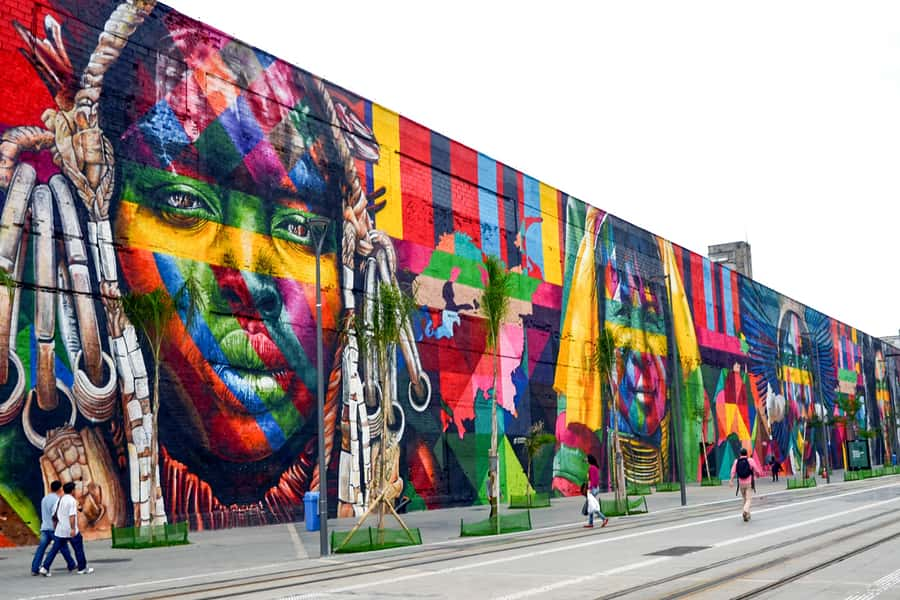
- Downtown history stops: Largo São Francisco da Prainha, Praça Mauá area, and even major mural art like Etnias by Estúdio Kobra
- Samba and local programming tips: guidance for what to see next, from music to museums to restaurants
Kept it on foot? So did these


Why Valongo Warf and Little Africa connect so well
This is not the kind of history tour that just points at plaques and moves on. You learn why Rio grew the way it did, by following the threads that run from the Portuguese slave trade to the African descendants who built culture that still shapes the city.
The backbone of the walk is the UNESCO site at Valongo Warf, which marks the memory of the transatlantic slave trade. From there, you trace how people arrived, what they endured, and what survived. That matters because Rio’s story is not only music, beaches, and postcards. It is also forced displacement, auction blocks, resistance, and cultural reinvention.
What I like is how the tour connects the past to daily Brazilian life you can still recognize. Samba is a good example. At Pedra do Sal, you get the idea that the music did not appear out of nowhere. It grew in a neighborhood where people gathered, sang, danced, and kept traditions alive, week after week.
Meeting at MAR Museum, then walking into the heart of downtown
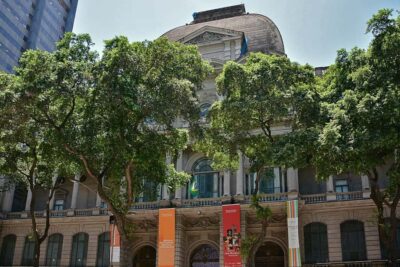
You’ll meet under the trees in front of the MAR Museum (Rio Art Museum) in Praça Mauá. From there, you move through central Rio on foot, with an expert guide leading you. The total time is about 150 minutes, so it’s long enough to make sense of the story, but not so long that it turns into a slog.
You might also start from one of two starting options: near Museu de Arte do on R. Pedro Ernesto, or in Saúde. The practical point for you is simple, confirm your exact start location when you book so you’re not sprinting across downtown.
Bring the basics the operator asks for, especially a reusable water bottle, comfortable clothes, a hat, and rain gear. The tour runs rain or shine, which is common for walking tours in Rio, but it still affects your comfort level. If you show up without a light rain layer, the day can feel longer than it should.
Also note the guide languages are English, Spanish, and Portuguese. If you’re hoping for French, there’s no guarantee listed, and one past guest noted the guide did not speak much French. Choose your language accordingly, and you’ll have an easier time.
Cais do Valongo and the UNESCO memory site
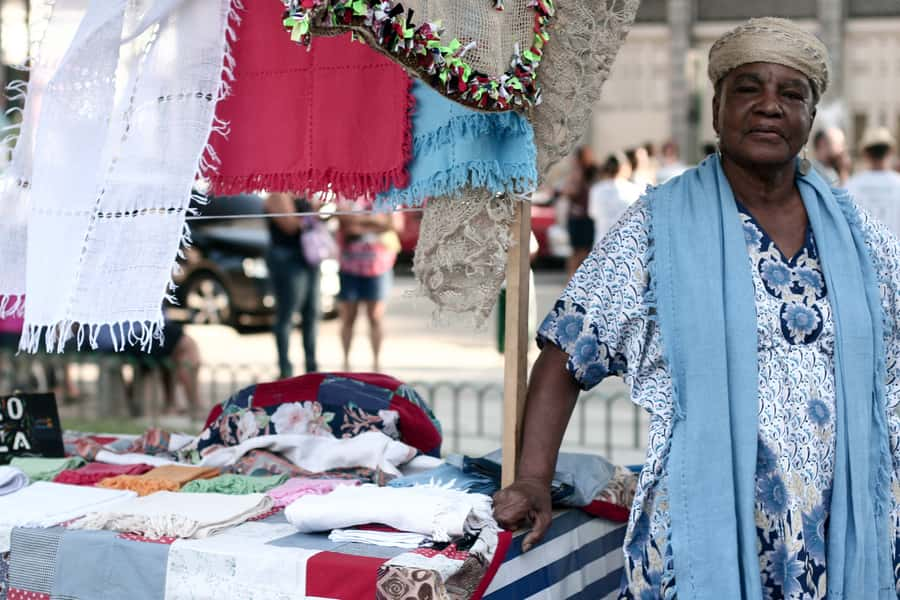
The walk’s most serious stop is at Cais do Valongo, the UNESCO World Heritage Site connected to the transatlantic slave trade. The tour frames it clearly: Portuguese involvement lasted for over 380 years, and the site is tied to how millions arrived and were sold.
I appreciate that the guide does not treat this as a distant topic. You’re shown the logic of the system and the human cost behind it. This is heavy material, so you may want to pace yourself mentally. If you tend to feel emotional on history topics, bring that awareness with you rather than trying to power through.
After this, the tour shifts from the arrival and sale system to what came next, especially the cultural legacy left by African descendants in Rio. That transition is part of the value here. You leave with both understanding and context for why the city’s culture looks the way it does.
Older stories from Rio De Janeiro
- Rio de Janeiro: Little Africa Heritage Walking Tour
★ 4.9 · 177 reviews - Explore Little Africa : Unveiling Afro Heritage in Rio de Janeiro
★ 5.0 · 97 reviews - Learn the History of Rio with an Unforgettable City Center Walking Tour
★ 5.0 · 82 reviews - Rio’s city walking tour: a glimpse of history and olympic legacy
★ 4.5 · 78 reviews - Olympic Boulevard, Museum of Tomorrow & Historical Rio
★ 4.5 · 66 reviews
Largo São Francisco da Prainha and downtown clues you can actually see
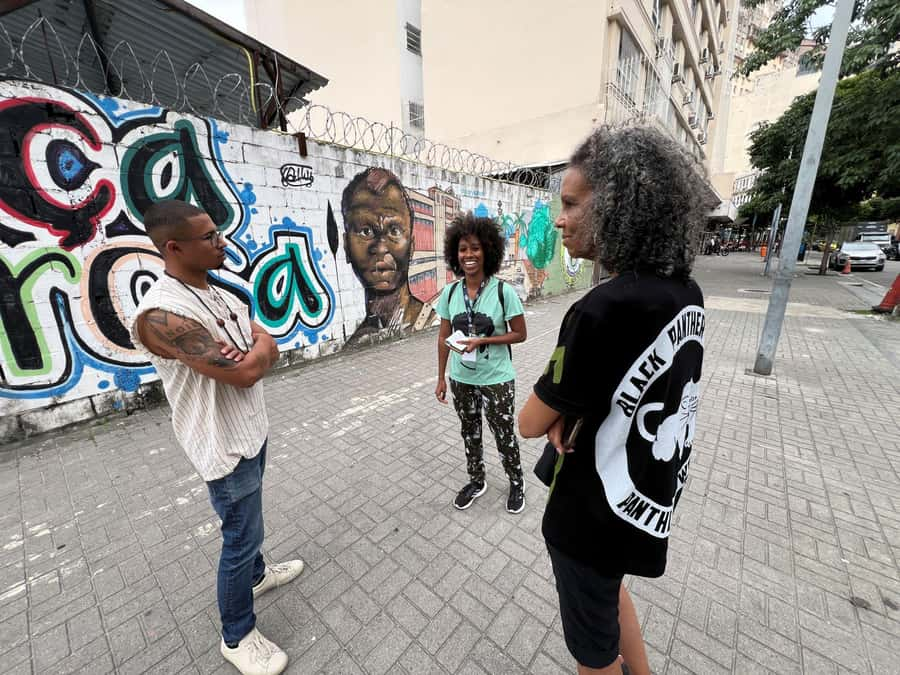
In downtown Rio, history is everywhere, if you know what to notice. The walk includes Largo São Francisco da Prainha, which helps connect the slave-trade era to later life in the city. You also spend time around the Praça Mauá area, where the urban layout makes more sense once you understand the story behind it.
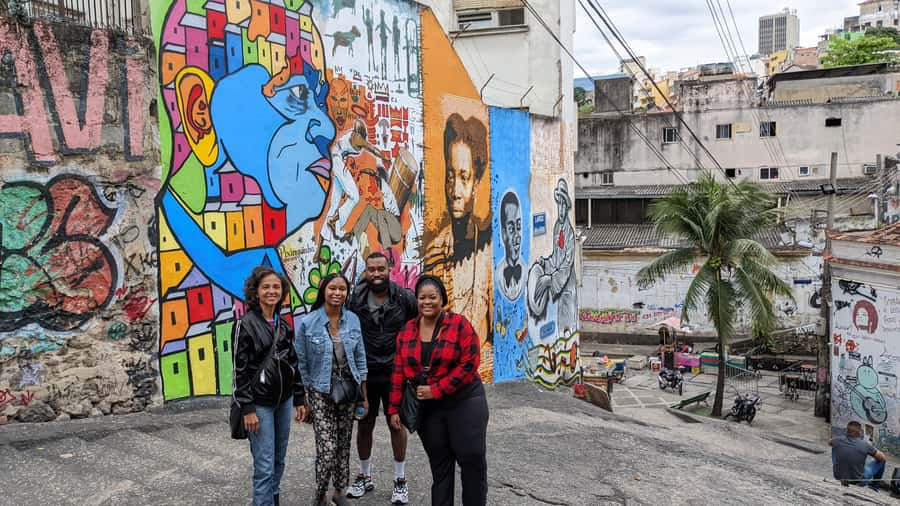
You’ll also see Etnias, a major graffiti mural associated with Estúdio Kobra. It’s not just pretty street art. In the context of the tour, it works like a visual link to identity and representation, and it gives your eyes a break from the heavier themes without dropping the subject.
One practical note: because you’re walking around central streets and public squares, you’ll be on your feet for the whole experience. Wear shoes that can handle uneven pavement and quick route changes. This is especially important if it rains.
Pedra do Sal: samba origins, Little Africa, and the “rodas” you can follow
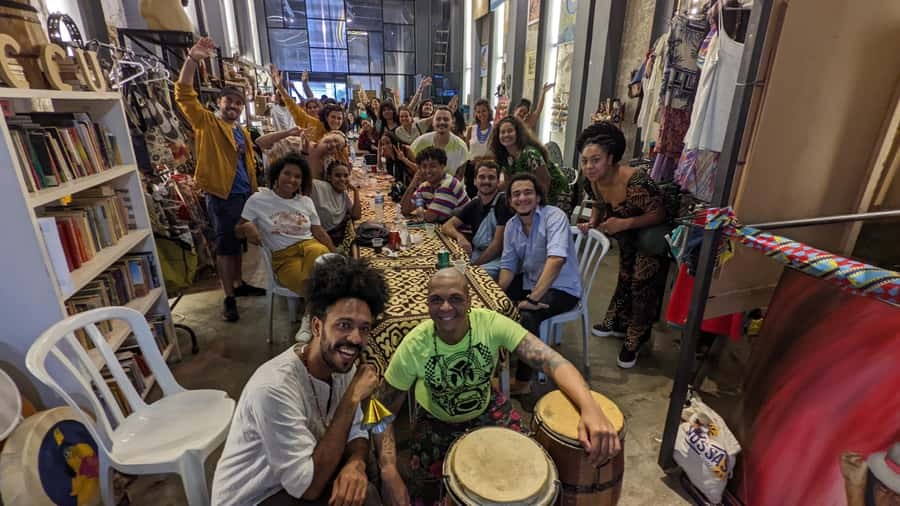
Then comes the stop people often look forward to most: Pedra do Sal. This area is called the center of “Little Africa,” and it’s closely tied to the early rhythms of samba. The tour explains how musicians gathered there to sing and dance, and how that energy fed into carnival traditions, including early bloco-style parties and parades.
Even better, the tradition is not locked in the past. The tour notes that rodas de sambas continue weekly in the neighborhood. That means you can connect what you learn on the walk with what you might hear or see later in the week.
If you want a concrete plan after the tour, ask your guide what’s on nearby. Included in the experience are tips on local programming, including music, art, museums, restaurants, and the local scene. In a past experience, one guide named Kelly even helped someone line up a meal around an authentic samba jam session at the town square. That kind of guidance can turn a good tour into a better Rio day.
Food is tricky here. The day’s flow mentions regional food at Pedra do Sal, but the experience also lists food as not included. Translation for you, don’t rely on the tour price to cover meals. If you’re hungry, eat before you go, or plan to grab something right after you finish.
Afro-Brazilian religions: Candomblé, Umbanda, and syncretism made understandable
This tour’s cultural section is one of the reasons it gets strong word-of-mouth. You’ll learn about the origins of Candomblé and Umbanda, and how those practices developed through syncretism with Christianity.
You’ll also learn about Brazilian ancestral gods and goddesses of nature, and about the legacy of deities connected to African religious traditions, including Orishas, nkisis, and voduns. The guide helps you see how these traditions are not random folklore. They are organized spiritual systems with roots, meaning, and continuity.
I find this part especially useful because it clears up a common traveler assumption. Many people in Rio see religious practice in passing, then leave without understanding what they’re witnessing. On this walk, you get the background so you can recognize the logic behind the rituals and the symbols.
At the same time, the tour keeps it respectful and clear. You’re not asked to perform anything or join ceremonies. You’re given context, then you carry that context forward into the rest of your trip.
What the guide quality actually changes in your experience
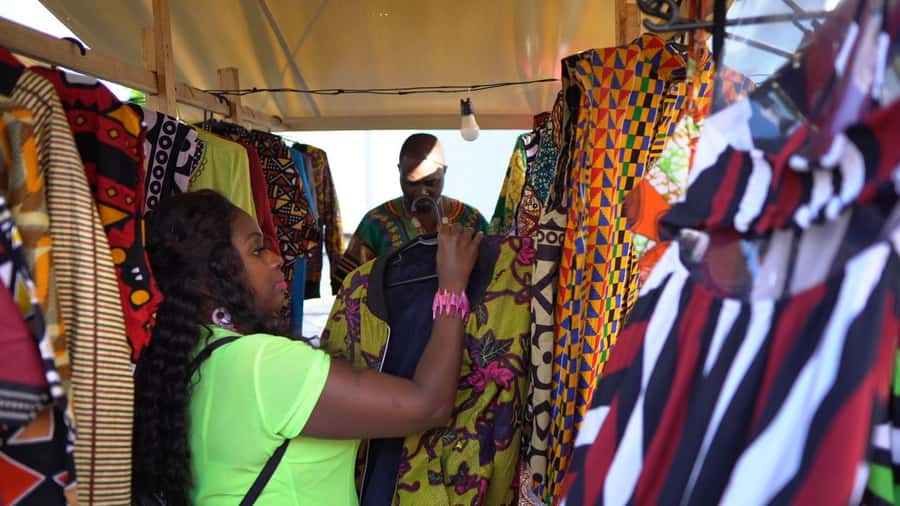
The difference between a history walk you enjoy and one you remember is the guide. Here, the experience is led by an expert guide of African descent from Rio, and you feel that in the tone and depth.
Two guide names come up in past guests’ feedback: Kelly and Jaíse. Guests specifically praised guides for passion and deep research, and they liked that the stories felt like they were coming from someone who truly understands the city’s lineage. One person highlighted how the guide made the history come alive, and another described a warm, patient, generous approach.
Even if you care more about culture than about documents, a good guide helps you connect details. It’s the difference between hearing that samba has roots and understanding where those roots took hold. It’s also the difference between learning about Valongo Warf as a fact and understanding why it matters to the way Rio remembers people.
Price and value: $64 for 150 minutes, what that buys you
At $64 per person for about 150 minutes, you’re paying for more than a route. You’re paying for guided interpretation: history of the slave trade, the African descendants in Rio, the UNESCO stop, and the religion-and-culture context that turns the city into an understandable place.
What’s included is the guided walking tour, the visit to Valongo Warf, and learning about Afro-Brazilian culture and samba origins. You also get tips on local programming, which can save you time and money later by helping you choose what to do next.
What’s not included: museum entrances like the Museum of Tomorrow and Rio Art Museum, plus food and transfers. So if you’re comparing prices, treat it as a guided cultural walk with a UNESCO-focused stop, not as an all-in-one museum day.
If you’re the type who likes to understand the “why” behind scenes you see in photos, this feels like good value. If you only want light sightseeing and zero heavy context, you may find the slave trade material emotionally intense.
Who should book this tour, and who should skip it
This walk fits best if you:
- want real context for Rio’s African heritage and its cultural legacy
- care about understanding samba’s local roots, not just watching performances
- want a clear, respectful explanation of Candomblé and Umbanda, plus how syncretism works
You might skip it if you:
- prefer purely upbeat sightseeing with no heavy historical topics
- need a day with minimal walking, since the format is a guided street-level walk
- expect the tour to handle meals as part of the price, since food is not included
Also, the experience is listed as wheelchair accessible, and pets are not allowed (assistance dogs allowed). If you have specific mobility needs, confirm before you go so the guide can plan the smoothest path.
Should you book Rio Encantos Experiences’ Black Heritage Walk?
Yes, I think you should book it if you want Rio with meaning. This is one of those tours that changes how you read the city, because it ties together the UNESCO memory site, the neighborhood where samba traditions took shape, and the spiritual world behind Afro-Brazilian religions.
The best reason to book is also the biggest strength: you learn from a guide with lived connection to Rio’s heritage, not just from a script. If you’ve only got a couple of days in the city and you want one walk that gives you a strong foundation, this is a smart pick.
Just plan your day realistically. Dress for rain, wear comfy walking shoes, and eat either before or after you finish. If you do those things, you’ll spend your time on the parts that really matter.
FAQ
How long is the tour?
It runs about 150 minutes.
Where do I meet the guide?
Meet under the trees in front of the MAR Museum (Rio Art Museum) in Praça Mauá.
What languages are available?
The guide offers English, Spanish, and Portuguese.
Is the tour rain or shine?
Yes, it takes place rain or shine.
What’s included and not included?
Included: guided walking tour, learning about Afro-Brazilian culture and samba origins, visit to the Valongo Warf UNESCO site, and tips on local programming. Not included: food, transfers, and entrance to the Museum of Tomorrow and Rio Art Museum.
Is the tour wheelchair accessible?
Yes, the tour is wheelchair accessible.
On Foot in Rio De Janeiro
More Tour Reviews in Rio De Janeiro
More Tour Reviews in Rio De Janeiro
Latest from our Rio De Janeiro notebook
- Unforgettable Boat Party★ 5.0 · 3 reviews
- Tijuca National Park and all its wonders!★ 5.0 · 3 reviews
- Rocinha Jeep Tour: A Journey into the Soul of the Favela!★ 3.8 · 3 reviews
- Rio: Favela Walking Tour of Rocinha with a Resident Guide★ 4.7 · 3 reviews
- Rio: Private, Custom express, Main Attractions!★ 5.0 · 3 reviews
- Rio: Museum of Tomorrow, Yup Star & Olympic Boulevard★ 3.7 · 3 reviews
Historical Tours, compared.
 ★ 4.4Historic Rio and Santa Teresa Half-Day TourFrom $47228 reviews
 ★ 4.9Downtown Historical Bike TourFrom $85191 reviews
 ★ 4.0Scenic Train ride to historical cities of Morretes and AntoninaFrom $128188 reviews
 ★ 4.9Little Africa Heritage Walking TourFrom $40177 reviews
 ★ 4.4From Foz do Iguazu: Triple Frontier Landmark TicketFrom $24136 reviews
 ★ 5.0Explore Little Africa : Unveiling Afro Heritage in Rio de JaneiroFrom $8297 reviews
 ★ 4.8Historic Centre Walking Tour & Cachaça TastingFrom $1996 reviews
 ★ 5.0Downtown-Center History Walking Tour – in EnglishFrom $3191 reviews
Browse the lists this tour appears in