
REVIEW · SALVADOR & BAHIA TOURS
Salvador: CAPOEIRA CLASS – CULTURAL
Capoeira hits fast, even before the first kick. This 90-minute class in Salvador is a real workout wrapped in culture, with practical technique and a feel for how capoeira connects body, music, and community. You get the physical challenge, plus the meaning behind it, without it turning into a lecture.
I love that it starts with a focused warm-up on agility, flexibility, and coordination, because it makes the rest of the session feel smoother and safer. I also like the way instruction keeps you moving, with kicks, spins, and acrobatic basics that build confidence quickly. One thing to consider: the class is taught in Portuguese, so you’ll rely on demonstration and body language even if you don’t speak the language.
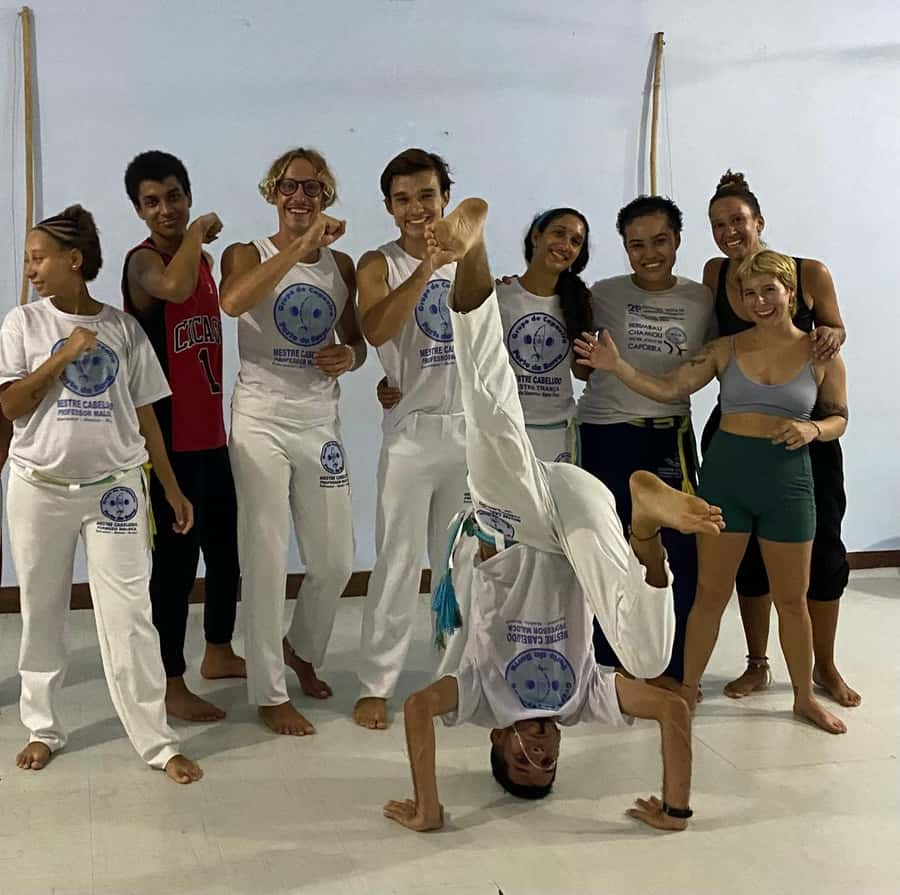
Group size is limited to 8, and that small setup matters. With fewer people, you tend to get more personal attention and clearer guidance on technique.
In This Review
- Key Points You’ll Actually Care About
- Why This 90-Minute Capoeira Class Feels Like More Than a Workout
- Finding Hostel Nomads and Getting There Before 7:30 PM
- What the Warm-Up Does for Your Body (and Why It Matters)
- Learning Kicks, Spins, and Acrobatics Without Feeling Lost
- Music and Instruments: The Part People Don’t Expect
- Portuguese Instruction: How to Make It Work If You Don’t Speak It
- Small Group Size Makes the Lesson Feel Personal
- Tools, Water, and What the Session Probably Includes
- Price and Value: Is $17 Actually a Good Deal?
- Who Should Book This Class, and Who Might Want Another Option
- Quick Before-You-Go Checklist
- Should You Book This Capoeira Class in Salvador?
- FAQ
- What day and time is the capoeira class?
- How long is the class?
- How much does it cost?
- Where do I meet the group?
- Is the class taught in English?
- What is included in the session?
Key Points You’ll Actually Care About
- Small group (up to 8 people), so you’re not lost in a crowd
- Monday and Wednesday at 7:30 PM, a simple weekly rhythm to plan around
- 90 minutes that feel like both a lesson and a workout
- Portuguese instruction, plus a movement-first approach if your Portuguese is basic
- Warm-up included, built for mobility and coordination
- Music time may be part of your session, including playing instruments and learning songs
Bahia beyond the Pelourinho
Why This 90-Minute Capoeira Class Feels Like More Than a Workout
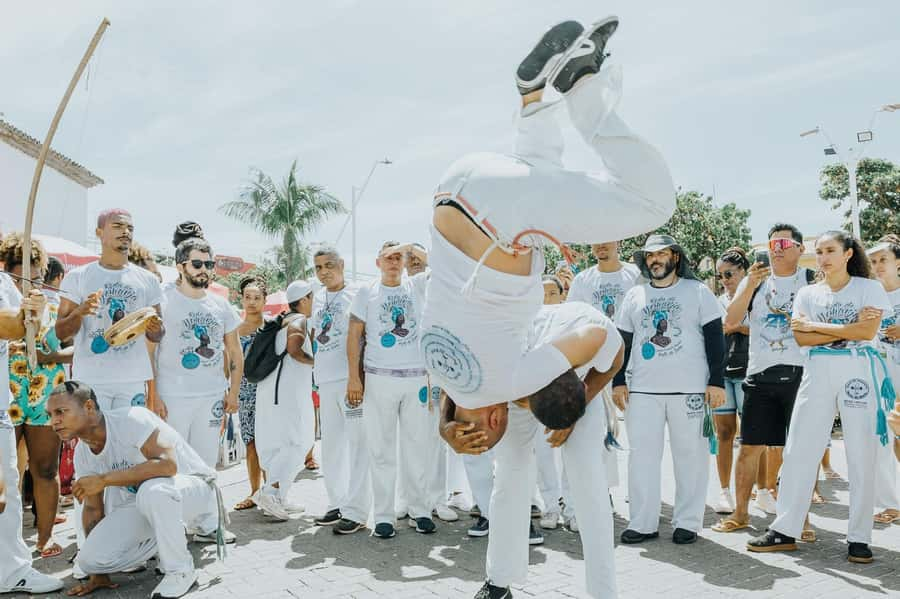
Capoeira is one of those activities that trains your body in an unusual way. Instead of straight lines and predictable reps, you learn to move with rhythm, balance, and timing. That’s why even one class can make you feel more coordinated, not just tired.
This session also makes sense for travelers who want culture, not just a photo stop. You’re doing the art, not watching it from far away. The “body, mind, and soul” angle is not just marketing language here, it shows up in how the class blends conditioning with history and expression.
The price is also refreshingly straightforward. At $17 for 90 minutes, you’re paying for an instructor-led lesson and the structure to actually learn basics, not just stand around trying to copy moves.
Finding Hostel Nomads and Getting There Before 7:30 PM
The meeting point is Hostel Nomads, and the class runs Monday and Wednesday at 7:30 PM. That timing matters because capoeira is safer when you’re warmed up, and the session starts with a lively warm-up right away.
I recommend you show up a little early, even if it’s just 10 minutes. When you arrive before the group starts, you can settle in, get your bearings, and ask quick questions without feeling rushed. Also, you’ll be more relaxed going into movement work, which helps your coordination and balance.
The class duration is 90 minutes, so plan it as your main evening activity. If you tack on a long dinner afterward, give yourself time to cool down and rehydrate. (Yes, you’ll want to.)
What the Warm-Up Does for Your Body (and Why It Matters)
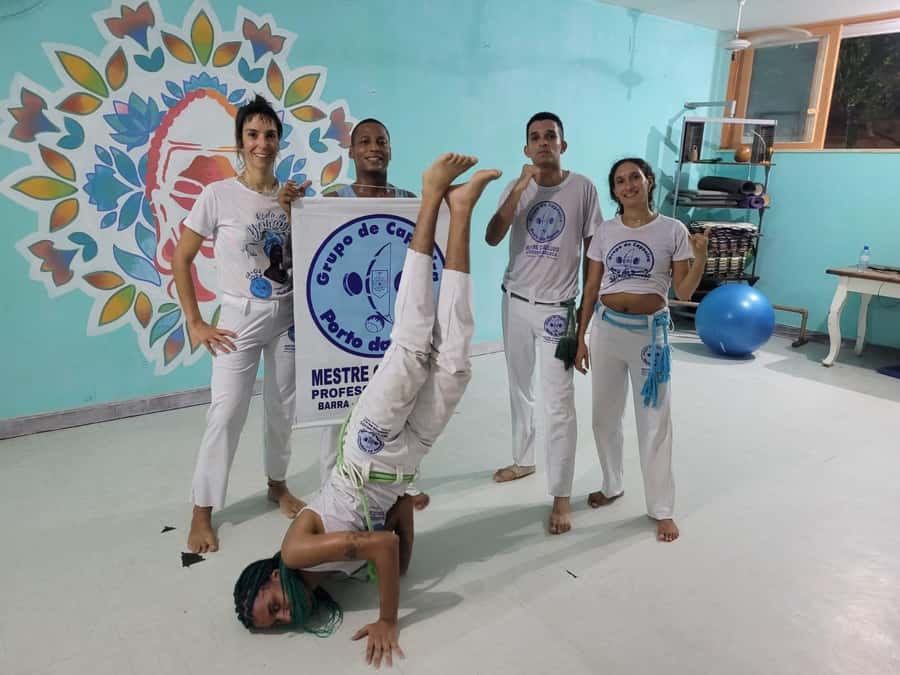
Most capoeira beginners think the fun part is the kicks and spins. Those are fun, but the warm-up is what makes them doable. Here, the session starts with mobility and coordination work: agility, flexibility, and coordination.
This warm-up helps in two practical ways:
- Your joints and muscles get ready for rotational movement, which can otherwise feel awkward.
- Your balance improves faster, so the early techniques do not feel like a total guessing game.
If you’re the type who usually skips stretching, don’t panic. This warm-up is built into the class plan. You’re guided through it, so you’re not improvising while everyone else is already moving.
Hands-on sessions around Salvador Brazil
- Salvador: Capoeira Class at Mestre Bimba’s 1st Ever School.
★ 4.9 · 34 reviews - Salvador: 3-Hour Percussion Class
★ 4.9 · 10 reviews - Salvador: Traditional Drumming and Percussion Workshop
★ 4.4 · 10 reviews - BOXE CLASS – EX BAHIAN CHAMPION (SALVADOR-BA)
★ 5.0 · 7 reviews
Learning Kicks, Spins, and Acrobatics Without Feeling Lost
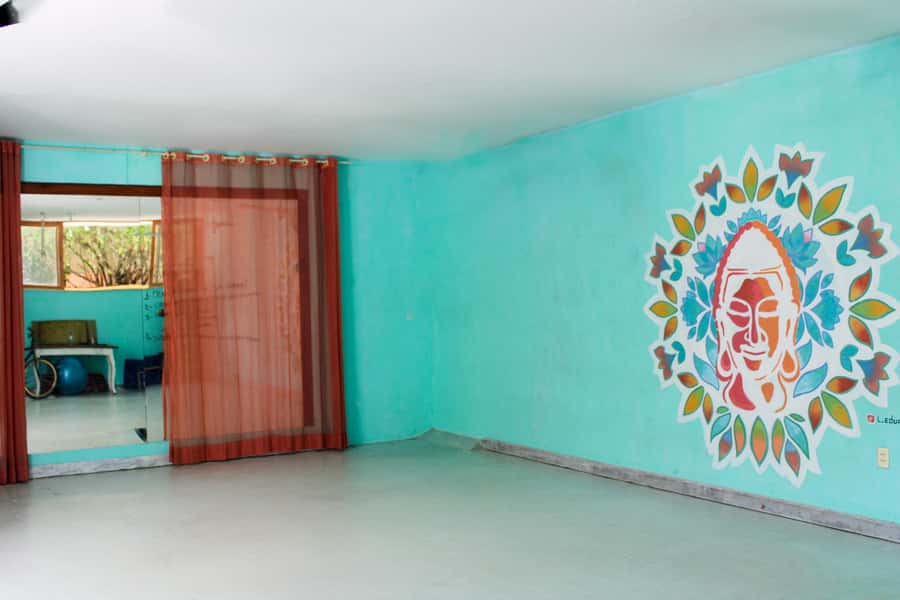
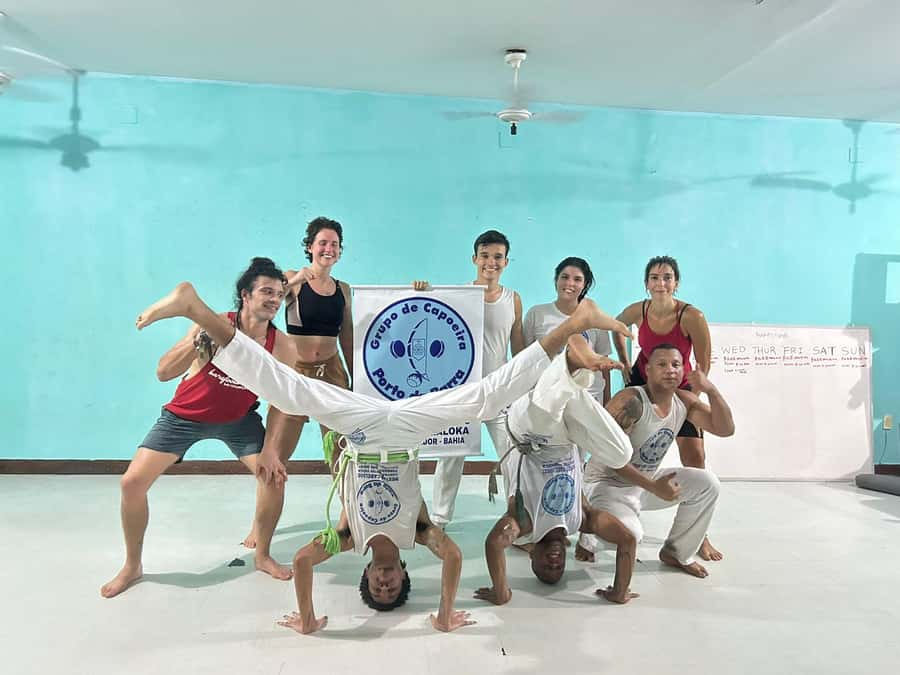
After the warm-up, you work through sequences based on capoeira technique and expression. Expect instruction on kicks, spins, and acrobatics, with emphasis on proper form and readable movement.
Capoeira is tricky because it looks smooth, but the control takes practice. That’s why I like classes that focus on technique and expression together. You’re not only learning how to throw a kick, you’re also learning how to connect that kick to rhythm, your stance, and what your partner or the roda energy expects.
In a short class, you won’t become a master. But you can leave with a real sense of the basics, including how to:
- enter movement from a stable base
- rotate without losing balance
- use your arms for control, not just decoration
- understand the “flow” between moves
One practical takeaway from similar sessions in this same format: the intensity is real. You should expect to sweat. If you like workouts where you’re learning something new while your heart rate rises, this fits.
Music and Instruments: The Part People Don’t Expect
Capoeira is inseparable from music. The rhythm shapes timing, and the songs provide cultural context while you move. In this class style, you may get time to interact with instruments and learn songs, not just listen from the sidelines.
Even if you do not read music, you can still participate. Instruments and singing in capoeira often work on feel: listen, follow the cues, and try your part. That’s one reason the class can be fun even when you’re not fluent in the language.
If you care about the “why” behind the moves, this is where capoeira starts making sense. The music turns the technique into something social, not just athletic. You feel the connection between your body and the group energy.
Portuguese Instruction: How to Make It Work If You Don’t Speak It
The instructor teaches in Portuguese, and you should plan for that. Still, you will likely be able to follow through demonstration, since capoeira is built for physical learning.
Here’s the trick I’d use if my Portuguese was limited: watch the instructor’s body first, not the words. Pay attention to foot placement, arm position, and the way the instructor cues transitions between moves. With capoeira, timing matters as much as vocabulary.
If you want a confidence boost, learn a few basic Portuguese words before you go, like hello, thank you, and please. You do not need full fluency. You just need enough to communicate politely and show you’re trying.
And if you’re worried about being the only non-speaker, don’t. The class structure is small, and the movement-first teaching style usually keeps things practical.
Small Group Size Makes the Lesson Feel Personal
This is a small group with a limit of 8 participants. That’s a big deal for capoeira, because technique questions come fast. Are my hands helping enough? Am I rotating from the right spot? Am I off-balance before the spin?
In a tiny class, you can get corrections without waiting forever. It also makes it easier to pay attention. You’re less likely to drift mentally while others get instruction.
Small group also means the vibe is more active. You’re not watching from the edge. You’re doing, getting feedback, and getting back into the rhythm.
Tools, Water, and What the Session Probably Includes
The class includes water and “tools to workout.” The exact tools are not detailed, so I’ll stay honest here. But the “tools” wording usually means the session comes prepared with what you need to practice safely and effectively.
Water being included is genuinely useful. Capoeira is not a light stroll. In 90 minutes, you will work up a sweat, and having water ready keeps you from getting dehydrated mid-session.
Your main responsibility is to show up ready to move. Wear clothing that stretches and doesn’t feel like it will rip when you spin or kick. If you have athletic shoes, they can help with grip and stability, but follow whatever the instructor suggests for this specific class setup.
Price and Value: Is $17 Actually a Good Deal?
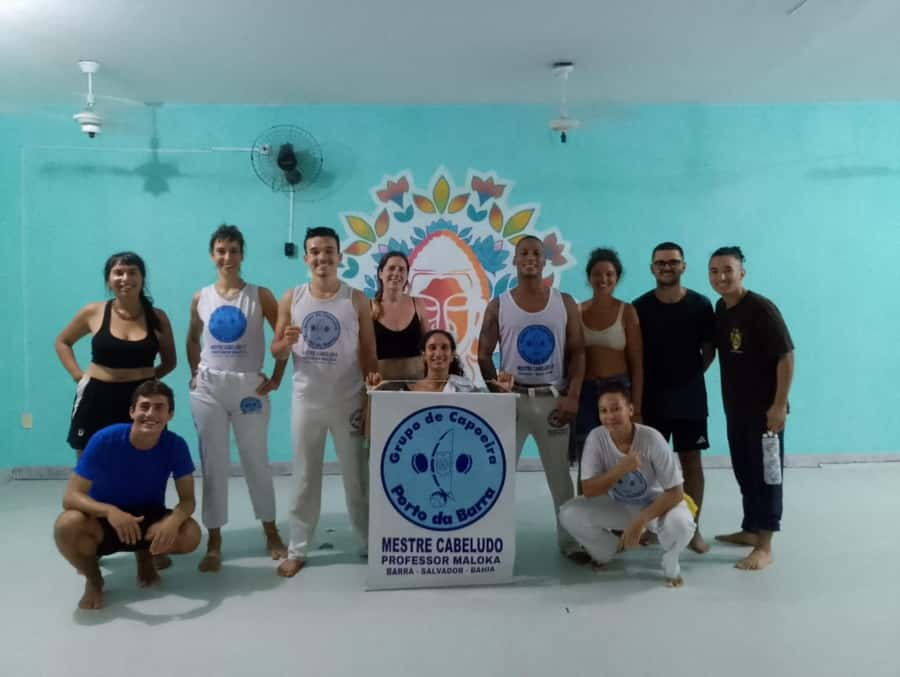
At $17 per person for 90 minutes, this class offers strong value if you want a real lesson, not just an activity. You’re paying for:
- an experienced instructor (capoeira master level is listed)
- a structured warm-up and guided practice
- a small group setting that supports feedback
- cultural and music components that make capoeira more than random movement
What makes it feel like good value is the time. Ninety minutes is long enough to learn basics, try them under guidance, and still incorporate the music side. Short classes often rush the technique part. This one has enough room to make you feel like you progressed, even if it’s only a few foundational sequences.
Also, capoeira is a skill you learn by doing. Paying for a guided class is usually more effective than trying to piece it together alone.
Who Should Book This Class, and Who Might Want Another Option
This experience is a great match if you:
- want a workout that feels like learning
- like cultural activities where you participate, not just observe
- enjoy rhythm-based movement
- want something small group and instructor-led
It might be less ideal if you:
- hate physical intensity or you’re dealing with injuries you cannot adapt for
- need fully language-free instruction and want zero reliance on Portuguese
- expect a long, detailed lecture about capoeira’s roots with minimal movement
For most people, though, the balance works. The class is structured, the group is small, and the movements give you something tangible quickly.
Quick Before-You-Go Checklist
You don’t need to overthink it. But do these simple things so you enjoy the class more:
- Eat lightly beforehand so you’re not training on an empty stomach or with a heavy meal.
- Bring a reusable water bottle too if you like extra hydration, even though water is included.
- Dress for stretching and spinning, not for staying clean.
- Arrive early enough to settle in at Hostel Nomads.
If you do that, you give yourself the best shot at learning quickly and leaving feeling proud rather than confused.
Should You Book This Capoeira Class in Salvador?
If you’re in Salvador and you want one evening activity that gives you both movement and culture, I’d book it. The small group size, the full 90 minutes, and the focus on technique plus music make it a practical way to experience capoeira without needing prior training.
I’d especially book it if you’re curious about the basics and want a friendly entry point, even with limited Portuguese. If you know you can follow cues through demonstration and you like hands-on learning, this class format is a strong fit.
Just be honest with yourself about the workout side. Capoeira is physical, and the session is designed to push you a bit. If you want that kind of challenge with music and meaning built in, you’ll get your money’s worth fast.
FAQ
What day and time is the capoeira class?
The class runs every Monday and Wednesday at 7:30 PM.
How long is the class?
It lasts 90 minutes.
How much does it cost?
The price is $17 per person.
Where do I meet the group?
The meeting point is Hostel Nomads.
Is the class taught in English?
No. The instructor teaches in Portuguese.
What is included in the session?
You get the capoeira class with a master in capoeira instructor, workout tools, and water.
More Tour Reviews in Salvador Brazil
Bahia, Past the Old Town
More Tour Reviews in Salvador Brazil
Latest from our Salvador Brazil notebook
- From Salvador: Quilombo Heritage Daytrip with Lunch★ 3.4 · 3 reviews
- From Salvador: Schooner Tour to Frades Island★ 3.9 · 3 reviews
- Salvador: Caipirinha Masterclass with Unlimited Drinks★ 4.2 · 4 reviews
- Salvador: Schooner Cruise with Pickup and Itaparica Stop★ 3.8 · 5 reviews
- BOXE CLASS – EX BAHIAN CHAMPION (SALVADOR-BA)★ 5.0 · 7 reviews
- Salvador by Night: Pelourinho & Old Town Tour★ 4.3 · 8 reviews
Salvador & Bahia Tours, compared.
 ★ 3.9Schooner Tour to Frades Islands and ItaparicaFrom $3998 reviews
 ★ 4.7Afro-Brazilian Roots Private City Tour in SalvadorFrom $15088 reviews
 ★ 5.0Trekking the valley of the pat 3 days/ GUIDE TUTY CHAPADA DIAMANTINAFrom $42178 reviews
 ★ 5.04 FASCINATING DAYS! Reservations from 2 people -Chapada Diamantina by ZenturFrom $32371 reviews
 ★ 5.0Private City Tour in Porto SeguroFrom $11870 reviews
 ★ 5.02 AMAZING DAYS! Booking from 2 people – Chapada Diamantina by ZenturFrom $13363 reviews
 ★ 4.8Salvador Historic Walking Tour – Pelourinho62 reviews
 ★ 4.5Salvador de Bahia African Culture Tour60 reviews
Browse the lists this tour appears in